


Responsible Institution: China Association for Science and Technology
Sponsor: China Ordnance Society
ISSN 1000-1093 CN 11-2176/TJ
Sponsor: China Ordnance Society
ISSN 1000-1093 CN 11-2176/TJ
Acta Armamentarii ›› 2025, Vol. 46 ›› Issue (10): 250572-.doi: 10.12382/bgxb.2025.0572
Previous Articles Next Articles
FAN Zhuangqing1,2, WANG Shuo3,*( ), LI Xiangyu1, WANG Jianmin2, ZHANG Shuangbo2, LI Guanhua2, CHEN Jing2, LU Fangyun1,**()
Received:2025-06-30
Online:2025-11-05
Contact:
WANG Shuo, LU Fangyun
FAN Zhuangqing, WANG Shuo, LI Xiangyu, WANG Jianmin, ZHANG Shuangbo, LI Guanhua, CHEN Jing, LU Fangyun. Computational Model and Construction Method for Digital Human Fragment Injuries Based onExperimental Wound Ballistics[J]. Acta Armamentarii, 2025, 46(10): 250572-.
Add to citation manager EndNote|Ris|BibTeX
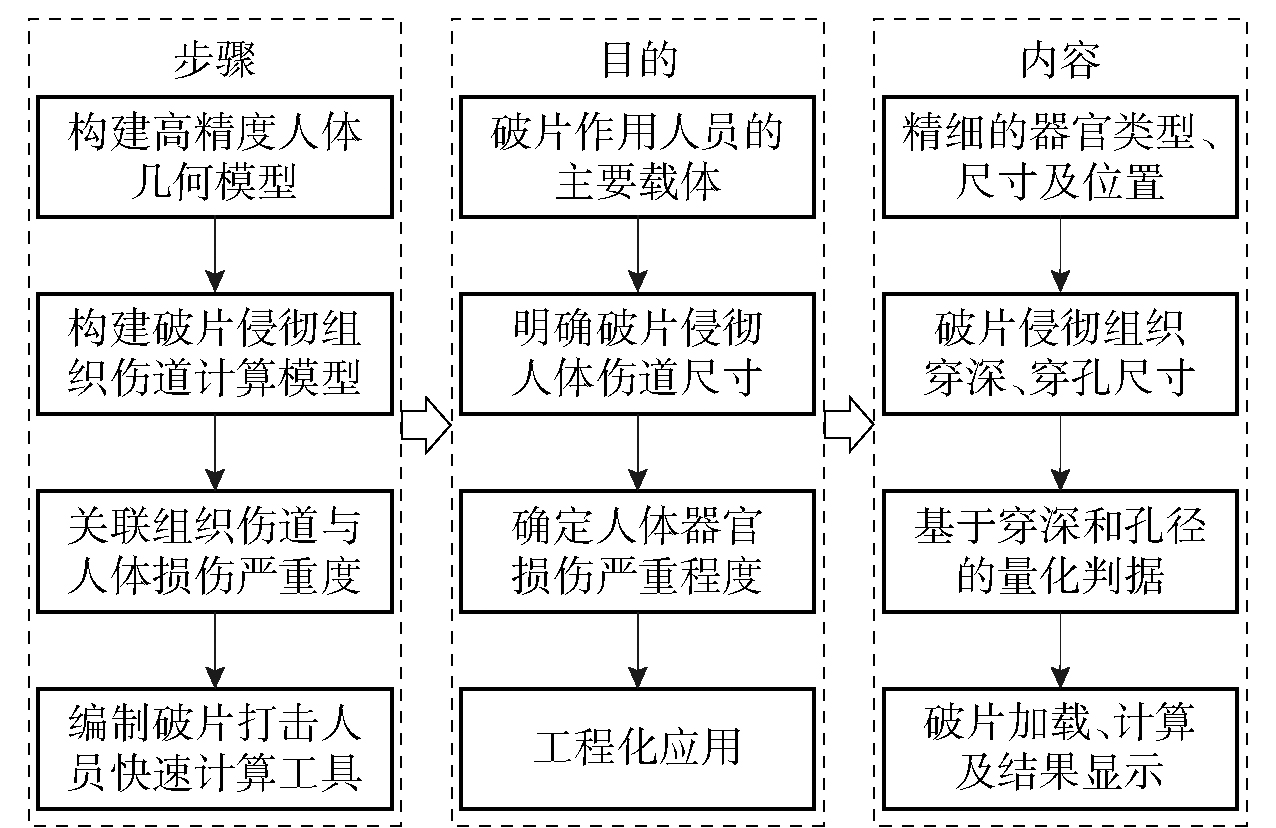
Fig.1 Construction process of digital human fragment injury calculation model based on experimental wound ballistics
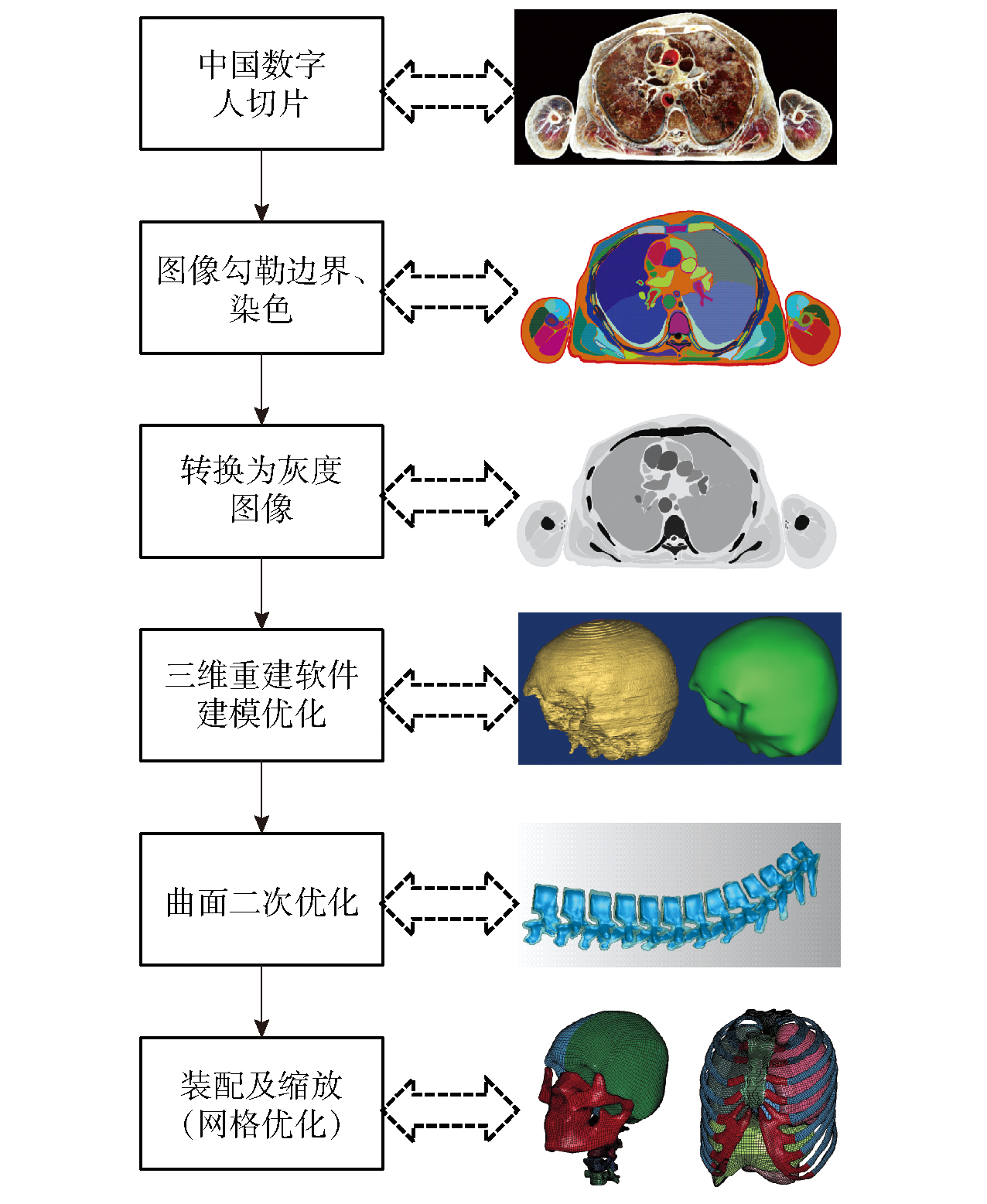
Fig.2 Construction process of high-precision human geometric model
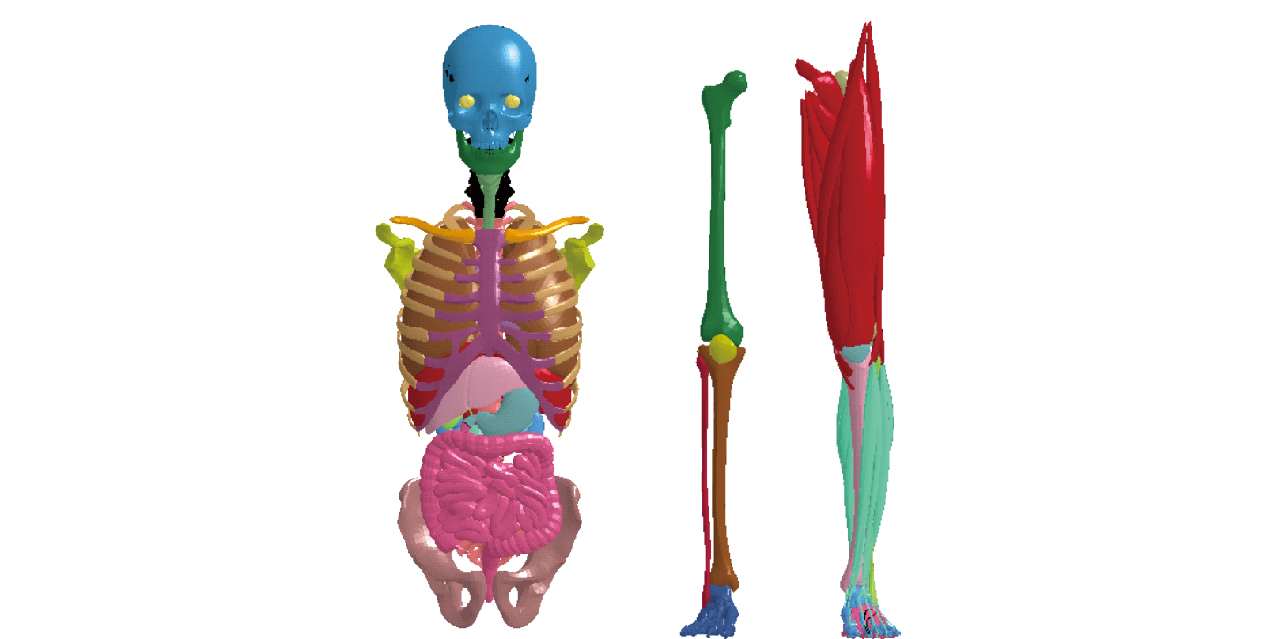
Fig.3 Schematic diagram of typical organs in high-precision human geometric model
| 部位 | 包含组织类型及名称 |
|---|---|
| 头颈部 | 皮肤、骨骼(颅骨、下颌骨、7节颈椎、会厌软骨)、肌肉(降眉肌等40组肌肉丛)、器官(大脑、小脑、脑干、眼球、咽口部、鼻)、血管(颈动静脉) |
| 躯干部 | 皮肤、骨骼(肩胛骨、肋骨、胸骨、锁骨、胸椎、腰椎、尾椎、髋骨)、肌肉(冈上肌等32组肌肉丛)、器官(气管、肺、食管、心脏、胃、肝、胆、肾、肠、胰脏、膈肌)、血管(腹腔动脉) |
| 上肢(左右) | 皮肤、骨骼(肱骨、桡骨、尺骨、手部骨)、肌肉(肱二头肌等21组肌肉丛)、血管(上臂动脉),左右肢相同 |
| 下肢(左右) | 皮肤、骨骼(股骨、髌骨、腓骨、胫骨、脚部骨)、肌肉(股直肌等28组肌肉丛)、血管(股动脉),左右肢相同 |
Table 1 Tissue types and names in high-precision human geometric model
| 部位 | 包含组织类型及名称 |
|---|---|
| 头颈部 | 皮肤、骨骼(颅骨、下颌骨、7节颈椎、会厌软骨)、肌肉(降眉肌等40组肌肉丛)、器官(大脑、小脑、脑干、眼球、咽口部、鼻)、血管(颈动静脉) |
| 躯干部 | 皮肤、骨骼(肩胛骨、肋骨、胸骨、锁骨、胸椎、腰椎、尾椎、髋骨)、肌肉(冈上肌等32组肌肉丛)、器官(气管、肺、食管、心脏、胃、肝、胆、肾、肠、胰脏、膈肌)、血管(腹腔动脉) |
| 上肢(左右) | 皮肤、骨骼(肱骨、桡骨、尺骨、手部骨)、肌肉(肱二头肌等21组肌肉丛)、血管(上臂动脉),左右肢相同 |
| 下肢(左右) | 皮肤、骨骼(股骨、髌骨、腓骨、胫骨、脚部骨)、肌肉(股直肌等28组肌肉丛)、血管(股动脉),左右肢相同 |
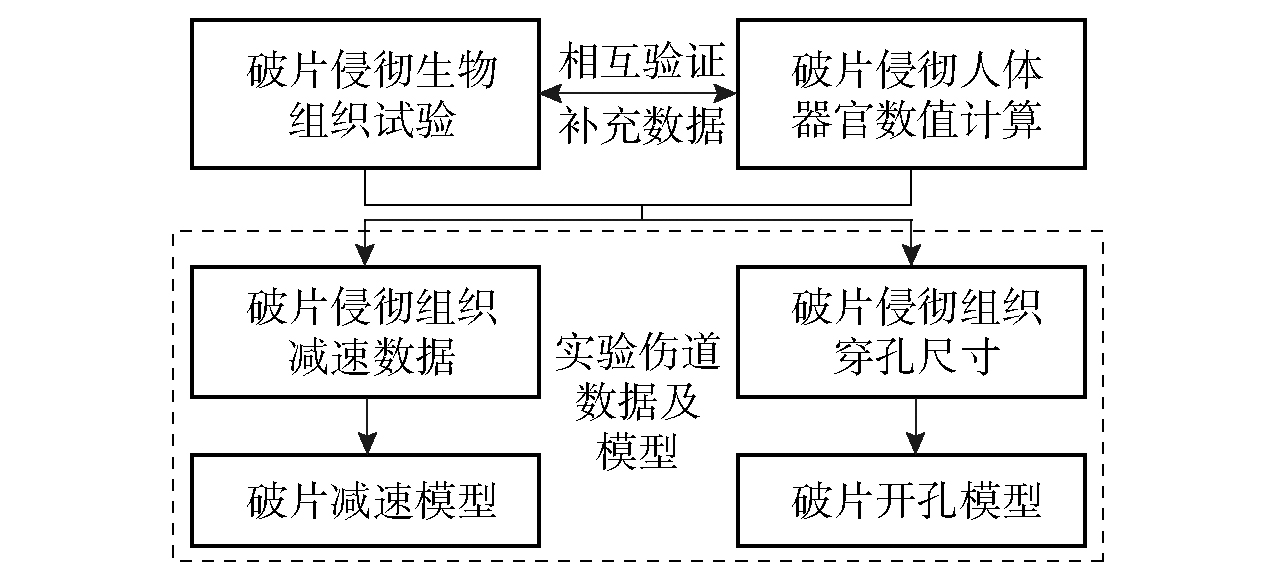
Fig.4 Construction process of experimental wound ballistics model
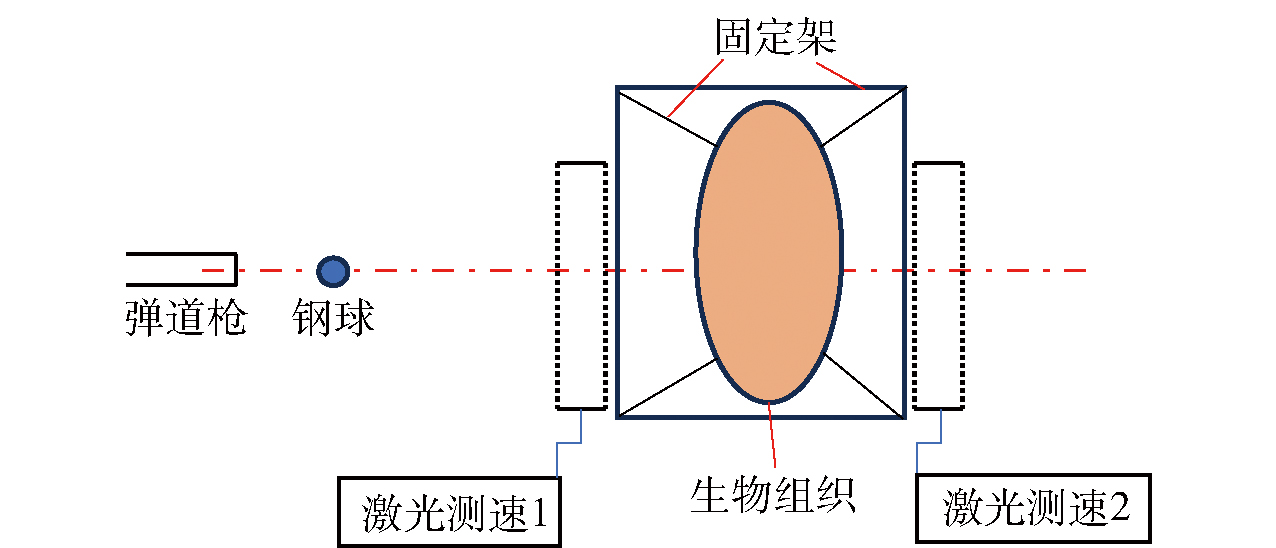
Fig.5 Schematic diagram of fragment penetrating into biological tissue
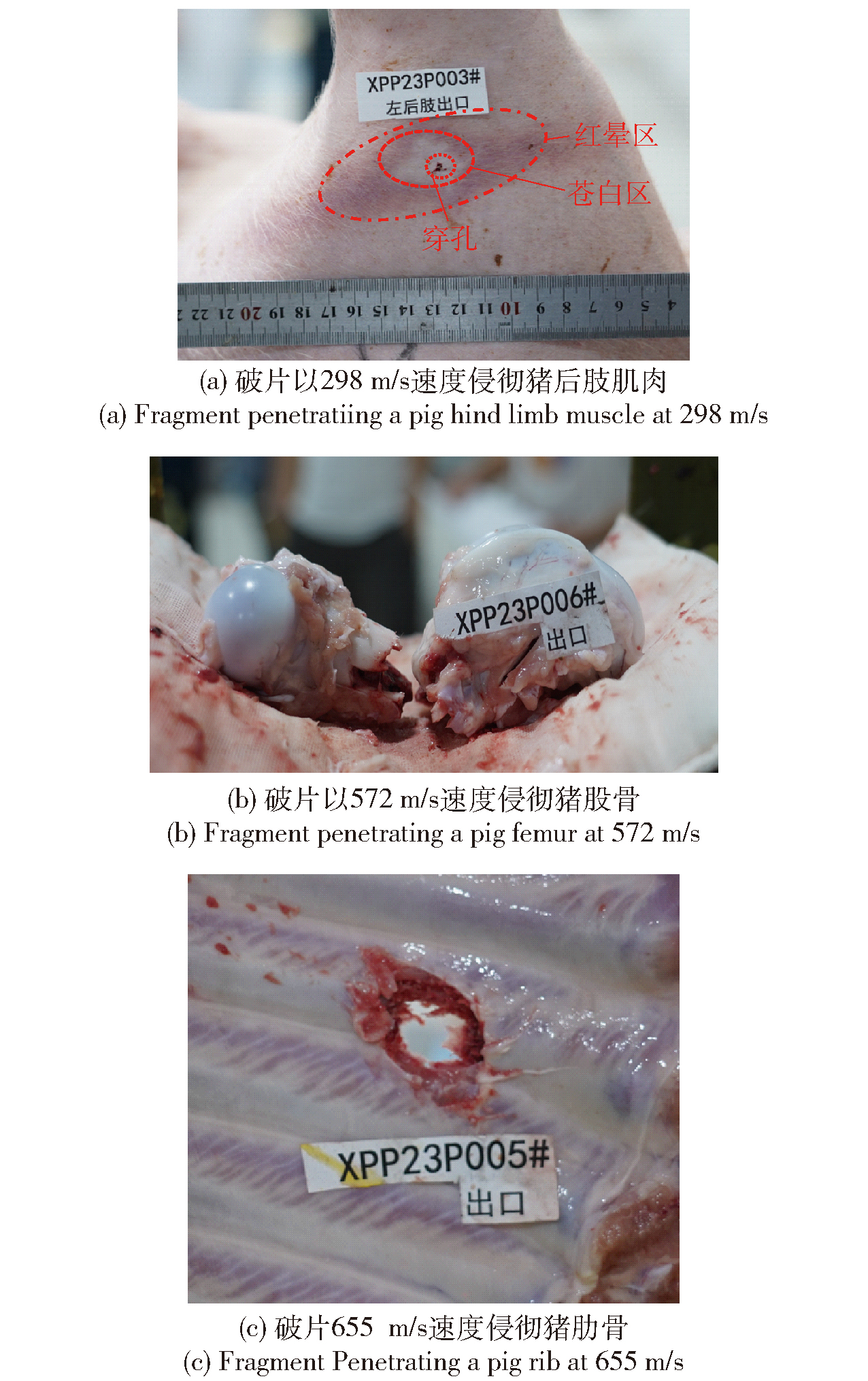
Fig.6 Results of fragment penetrating into typical tissues at different speeds
| 名称 | 侵彻厚 度/cm | 入口速度/ (m·s-1) | 出口速度/ (m·s-1) | 入口尺寸/ cm2 | 出口尺寸/ cm2 |
|---|---|---|---|---|---|
| 肌肉 | 9.07 | 298.75 | 144.34 | 0.6×0.6 | 0.2×0.2 |
| 股骨 | 1.8 | 572.44 | 436.51 | — | — |
| 肋骨 | 1 | 655.92 | 587.6 | 1.8×1.5 | 2.2×2.1 |
Table 2 Statistical results of fragment penetrating into typical tissues of oig
| 名称 | 侵彻厚 度/cm | 入口速度/ (m·s-1) | 出口速度/ (m·s-1) | 入口尺寸/ cm2 | 出口尺寸/ cm2 |
|---|---|---|---|---|---|
| 肌肉 | 9.07 | 298.75 | 144.34 | 0.6×0.6 | 0.2×0.2 |
| 股骨 | 1.8 | 572.44 | 436.51 | — | — |
| 肋骨 | 1 | 655.92 | 587.6 | 1.8×1.5 | 2.2×2.1 |
| 名称 | a/ (kg·m-3) | b/ (kg· m-2·s-1) | c/ (kg·(m-1·s-2) |
|---|---|---|---|
| 股骨 | 362.85 | 349909.89 | 11949835.23 |
| 肋骨 | 499.82 | 139812.86 | 38284378.08 |
Table 3 Deceleration model coefficients for femur and rib
| 名称 | a/ (kg·m-3) | b/ (kg· m-2·s-1) | c/ (kg·(m-1·s-2) |
|---|---|---|---|
| 股骨 | 362.85 | 349909.89 | 11949835.23 |
| 肋骨 | 499.82 | 139812.86 | 38284378.08 |
| 名称 | α | β |
|---|---|---|
| 股骨 | 7.037 | 0.95 |
| 肋骨 | 1.484 | 0.44 |
Table 4 Perforation model coefficients for femur and rib
| 名称 | α | β |
|---|---|---|
| 股骨 | 7.037 | 0.95 |
| 肋骨 | 1.484 | 0.44 |

Fig.7 Construction process of quantitative injury criteria
| 损伤严重度(组织器官受损深度/cm与直径/cm) | ||||||||||
|---|---|---|---|---|---|---|---|---|---|---|
| 部位 | 轻伤 | 中度伤 | 重度伤 | 危重伤 | 即刻死亡 | |||||
| 组织/器官 | 深度 | 直径 | 深度 | 直径 | 深度 | 直径 | 深度 | 直径 | 深度 | 直径 |
| 头颈部 | ||||||||||
| 头颈部皮肤、肌肉 | 0.5 | 1 | 1 | 3 | 1 | 10 | - | - | - | - |
| 颌面部皮肤、肌肉 | 0.5 | 1 | 1 | 5 | 3 | 5 | - | - | - | - |
| 颈部皮肤、肌肉 | 0.5 | 1 | 1 | 5 | 3 | 5 | - | - | - | - |
| 颅盖骨 | - | - | 1 | 1 | 1 | 2 | 2 | 5 | - | - |
| 颅底骨 | - | - | 1 | 1 | 1 | 2 | 2 | 4 | - | - |
Table 5 Fragment injury quantification criteria based on penetration depth and aperture
| 损伤严重度(组织器官受损深度/cm与直径/cm) | ||||||||||
|---|---|---|---|---|---|---|---|---|---|---|
| 部位 | 轻伤 | 中度伤 | 重度伤 | 危重伤 | 即刻死亡 | |||||
| 组织/器官 | 深度 | 直径 | 深度 | 直径 | 深度 | 直径 | 深度 | 直径 | 深度 | 直径 |
| 头颈部 | ||||||||||
| 头颈部皮肤、肌肉 | 0.5 | 1 | 1 | 3 | 1 | 10 | - | - | - | - |
| 颌面部皮肤、肌肉 | 0.5 | 1 | 1 | 5 | 3 | 5 | - | - | - | - |
| 颈部皮肤、肌肉 | 0.5 | 1 | 1 | 5 | 3 | 5 | - | - | - | - |
| 颅盖骨 | - | - | 1 | 1 | 1 | 2 | 2 | 5 | - | - |
| 颅底骨 | - | - | 1 | 1 | 1 | 2 | 2 | 4 | - | - |

Fig.8 Framework of digital human fragment injury calculation software
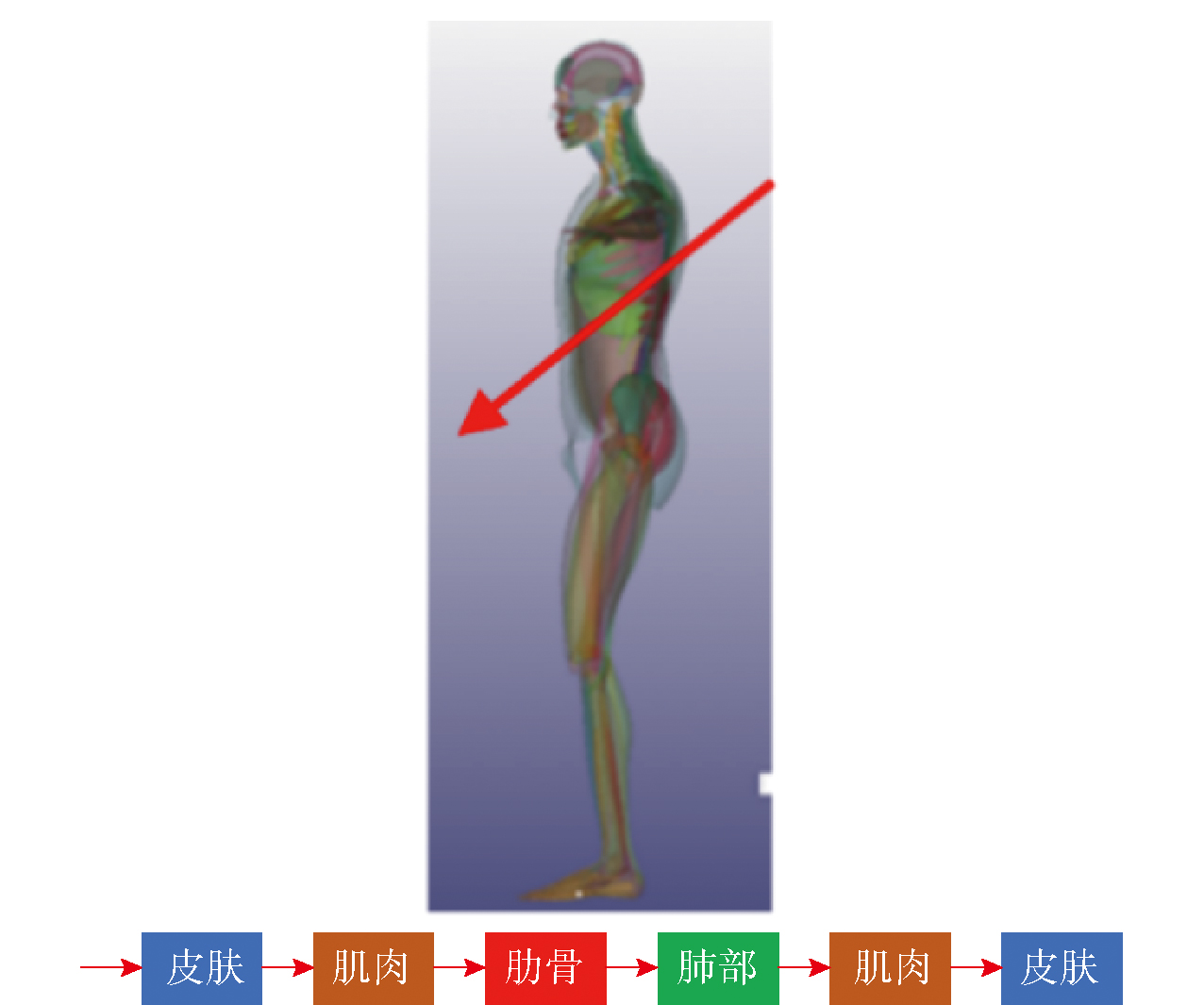
Fig.9 Schematic diagram of intersection between fragments with human geometric model
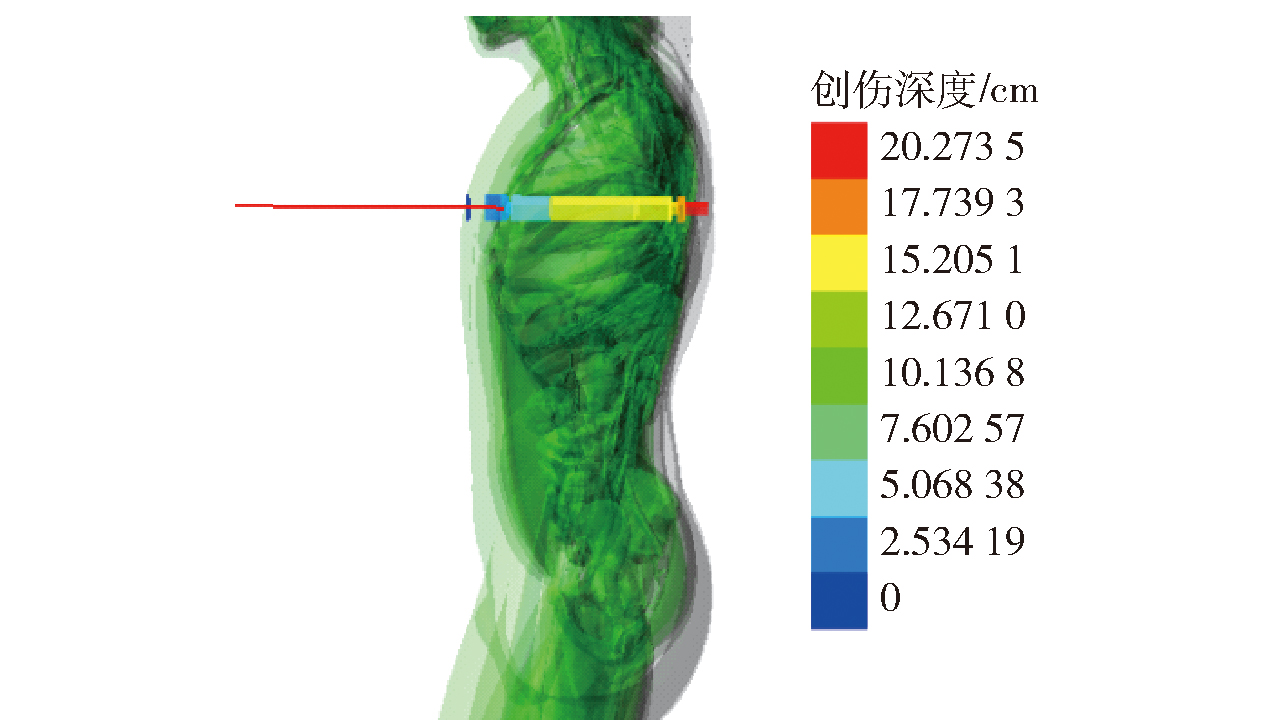
Fig.10 Calculation results of 1g fragment striking human chest at 500m/s
| 编号 | 侵彻组织器官 | 穿深/cm | 穿孔直径/cm | 损伤等级 |
|---|---|---|---|---|
| 1 | 皮肤 | 0.2 | 2.99 | 轻度伤 |
| 2 | 胸腔肌肉 | 1.6 | 2.99 | 轻度伤 |
| 3 | 肋骨 | 0.74 | 1.51 | 轻度伤 |
| 4 | 肺脏 | 13.73 | 2.72 | 中度伤 |
| 5 | 气管 | 1.3 | 2.72 | 危重伤 |
| 6 | 肩胛骨 | 2.53 | 1.50 | 中度伤 |
Table 6 Wound ballistics dimensions and injury severity levels
| 编号 | 侵彻组织器官 | 穿深/cm | 穿孔直径/cm | 损伤等级 |
|---|---|---|---|---|
| 1 | 皮肤 | 0.2 | 2.99 | 轻度伤 |
| 2 | 胸腔肌肉 | 1.6 | 2.99 | 轻度伤 |
| 3 | 肋骨 | 0.74 | 1.51 | 轻度伤 |
| 4 | 肺脏 | 13.73 | 2.72 | 中度伤 |
| 5 | 气管 | 1.3 | 2.72 | 危重伤 |
| 6 | 肩胛骨 | 2.53 | 1.50 | 中度伤 |
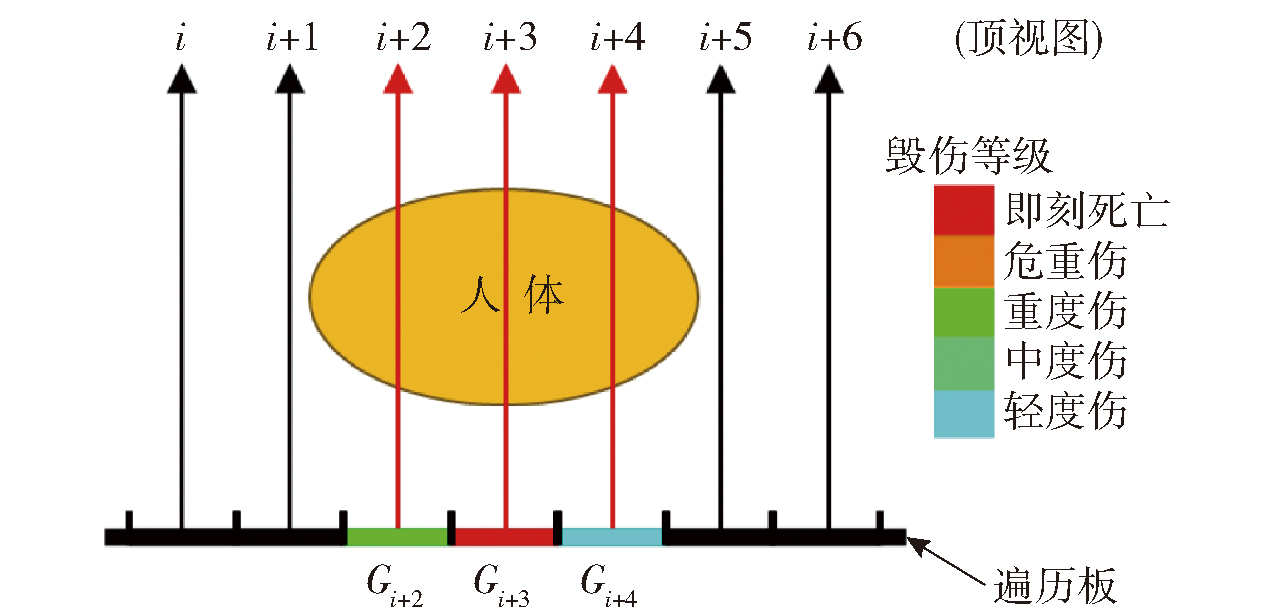
Fig.11 Schematic diagram of shooting line traversal calculation method for a specific cross-section of human body
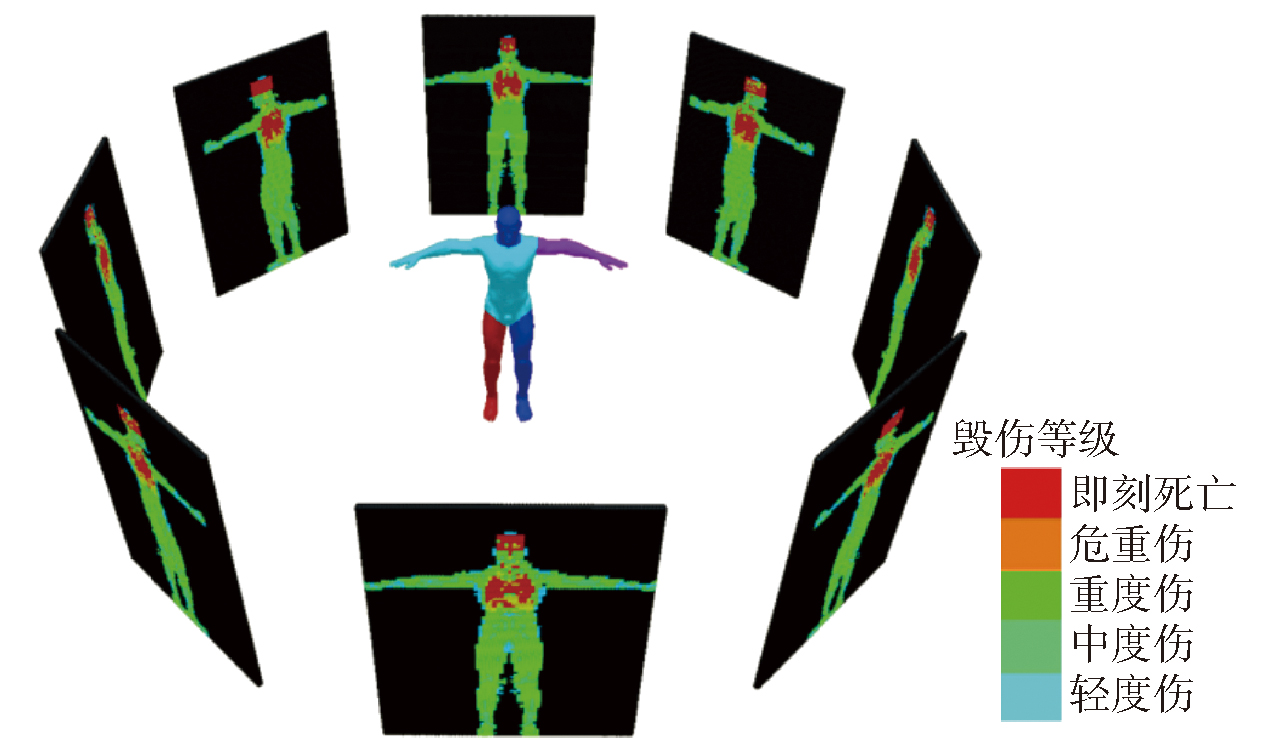
Fig.12 Injury results from fragment traversally striking the human body
| [1] |
樊壮卿, 张双博, 卢芳云, 等. 人员易损性分析研究进展及应用综述[J]. 兵工学报, 2024, 45(9): 2888-2905.
doi: 10.12382/bgxb.2024.0094 |
|
doi: 10.12382/bgxb.2024.0094 |
|
| [2] |
王建民, 陈魁君, 李彤华, 等. 基于破片穿深的人员不同损伤严重度发生概率评估方法[J]. 兵工学报, 2022, 43(9): 2086-2100.
|
|
|
|
| [3] |
doi: 10.1136/jramc-2015-000490 pmid: 26468431 |
| [4] |
|
| [5] |
pmid: 6817165 |
| [6] |
doi: 10.1007/s00068-015-0581-1 URL |
| [7] |
|
| [8] |
刘荫秋, 王正国, 马玉媛. 创伤弹道学[M]. 北京: 人民军医出版社, 1991.
|
|
|
|
| [9] |
安波, 李兵仓, 赖西南, 等. 某型榴弹静爆对生物杀伤效应的实验研究[J]. 创伤外科杂志, 1999(3): 161-163.
|
|
|
|
| [10] |
张良潮, 赖西南, 李素芝, 等. 高原枪弹与破片飞行速度特点的实验研究[J]. 创伤外科杂志, 2004(4): 286-288.
|
|
|
|
| [11] |
高志明, 周继红, 张岫竹, 等. 猪下肢高速三角破片伤后血生化变化与脏器损伤[J]. 局解手术学杂志, 2013, 22(4): 353-356.
|
|
|
|
| [12] |
高建新, 单毅, 孙荣距, 等. 高速破片致长白猪肝脏穿透伤模型的建立[J]. 中华危重病急救医学, 2022, 34(9): 958-963.
|
|
|
|
| [13] |
刘坤, 吴志林, 徐万和, 等. 弹头侵彻明胶的运动模型[J]. 爆炸与冲击, 2012, 32(6): 616-622.
|
|
|
|
| [14] |
罗少敏, 黄拱武, 陈爱军. 球形弹丸侵彻明胶数值仿真分析[J]. 计算机仿真, 2012, 29(11): 79-82, 153.
|
|
|
|
| [15] |
刘丽. 弹道明胶的冲击与侵彻动力学研究[D]. 杭州; 浙江大学, 2014.
|
|
|
|
| [16] |
|
| [17] |
|
| [18] |
|
| [19] |
|
| [20] |
张金洋. 面向损伤评估的数字化人体建模研究[D]. 南京: 南京理工大学, 2016.
|
|
|
|
| [21] |
刘苏苏. 轻武器典型杀伤元与靶标相互作用仿真及评估研究[D]. 南京: 南京理工大学, 2017.
|
|
Study of simulation and assessment of the interaction between typical small arms ammo and target[D]. Nanjing: Nanjing University of Science and Technology, 2017. (in Chinese)
|
|
| [22] |
李子轩. 基于解剖学结构的人体易损性评估技术研究[D]. 南京: 南京理工大学, 2023.
|
|
|
|
| [23] |
田浩成. 基于改进毁伤矩阵的人员毁伤效能评估与应用[D]. 长沙: 国防科技大学, 2021.
|
|
|
|
| [24] |
莫根林, 吴志林, 刘坤. 球形破片侵彻明胶的瞬时空腔模型[J]. 兵工学报, 2013, 34(10): 1324-1328.
doi: 10. 3969/ j. issn. 1000-1093. 2013. 10. 020 |
|
|
|
| [25] |
金永喜, 买瑞敏, 张敬敏, 等. 基于瞬时空腔效应的明胶靶标与肌肉目标等效性研究[J]. 兵工学报, 2014, 35(6): 935-939.
doi: 10.3969/j.issn.1000-1093.2014.06.027 |
|
|
|
| [26] |
苑大威, 李丹, 王雪皎. 杀伤元侵彻明胶虚拟试验技术研究[J]. 兵工学报, 2016, 37(11): 1995-2001.
doi: 10.3969/j.issn.1000-1093.2016.11.005 |
|
|
|
| [27] |
刘坤, 宁建国, 吴志林, 等. 球形破片侵彻明胶运动模型对比研究[J]. 中国科学:技术科学, 2017, 47(10): 1081-1092.
|
|
|
|
| [28] |
卢芳云, 彭永, 张克钒, 等. 目标易损性分析——共性方法[M]. 长沙: 国防科技大学出版社, 2023.
|
|
|
|
| [29] |
周继红. 量化评估创伤严重程度的标尺——创伤评分[J]. 伤害医学(电子版), 2014, 3(4): 1-2.
|
|
|
|
| [30] |
康建毅, 段朝霞, 张洁元, 等. 不同创伤评分系统在爆炸伤伤情评估中的比较[J]. 第三军医大学学报, 2019, 41(15): 1403-1406.
|
|
|
|
| [31] |
张绍祥, 王平安, 刘正津. 首套中国数字化可视人体图谱:Male and female[M]. 首套中国数字化可视人体图谱: Male and female, 2004.
|
|
|
|
| [32] |
国家技术管理局. 在产品设计中使用人体尺寸百分位通则: GB_T 12985—91[S]. 北京: 中国标准出版社, 1991.
|
|
State Technical Supervision Bureau. General principles of using human body dimensions percentile in product design: GB/T 12985—91[S]. Beijing: Standards Press of China, 1991. (in Chinese)
|
|
| [33] |
|
| [34] |
|
| [35] |
|
| [36] |
doi: 10.1016/0021-9290(68)90025-0 URL |
| [37] |
|
| [38] |
樊瑜波. 生物医用材料力学[M]. 北京: 科学出版社, 2023.
|
|
|
| [1] | FAN Zhuangqing, ZHANG Shuangbo, LU Fangyun, LI Tonghua, KANG Jianyi, YANG Guangming, WANG Jianmin. A Review of Research Advances in Personnel Vulnerability Analysis and Application [J]. Acta Armamentarii, 2024, 45(9): 2888-2905. |
| Viewed | ||||||
|
Full text |
|
|||||
|
Abstract |
|
|||||
