


Responsible Institution: China Association for Science and Technology
Sponsor: China Ordnance Society
ISSN 1000-1093 CN 11-2176/TJ
Sponsor: China Ordnance Society
ISSN 1000-1093 CN 11-2176/TJ
Acta Armamentarii ›› 2025, Vol. 46 ›› Issue (10): 250431-.doi: 10.12382/bgxb.2025.0431
Previous Articles Next Articles
XIN Dajun, XUE Kun*( )
)
Received:2025-05-31
Online:2025-11-05
Contact:
XUE Kun
XIN Dajun, XUE Kun. Research on Risk Assessment Methods for Explosion Accidents of Natural Fragmentation Warheads[J]. Acta Armamentarii, 2025, 46(10): 250431-.
Add to citation manager EndNote|Ris|BibTeX
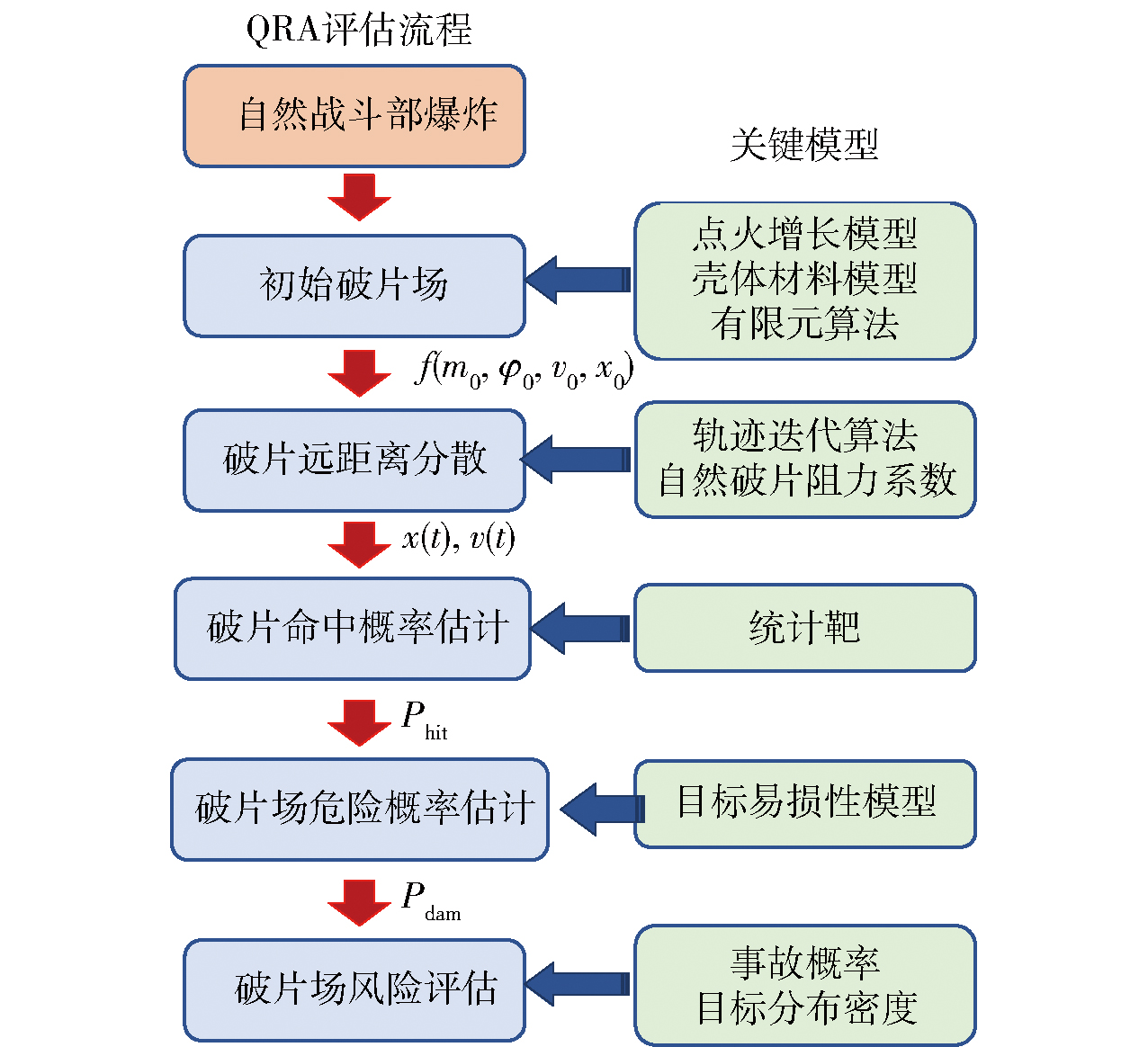
Fig.1 Quantitative risk assessment (QRA) process
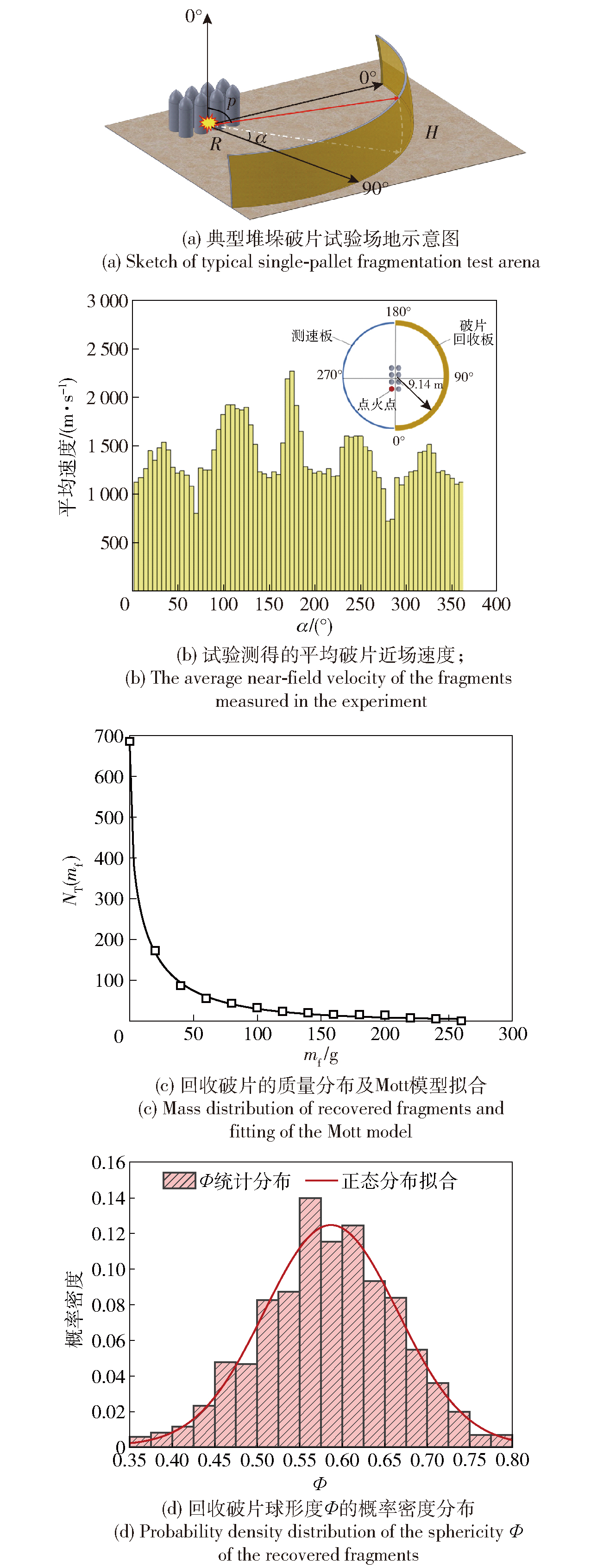
Fig.2 Statistics of fragment recovery data from typical fragment test arena
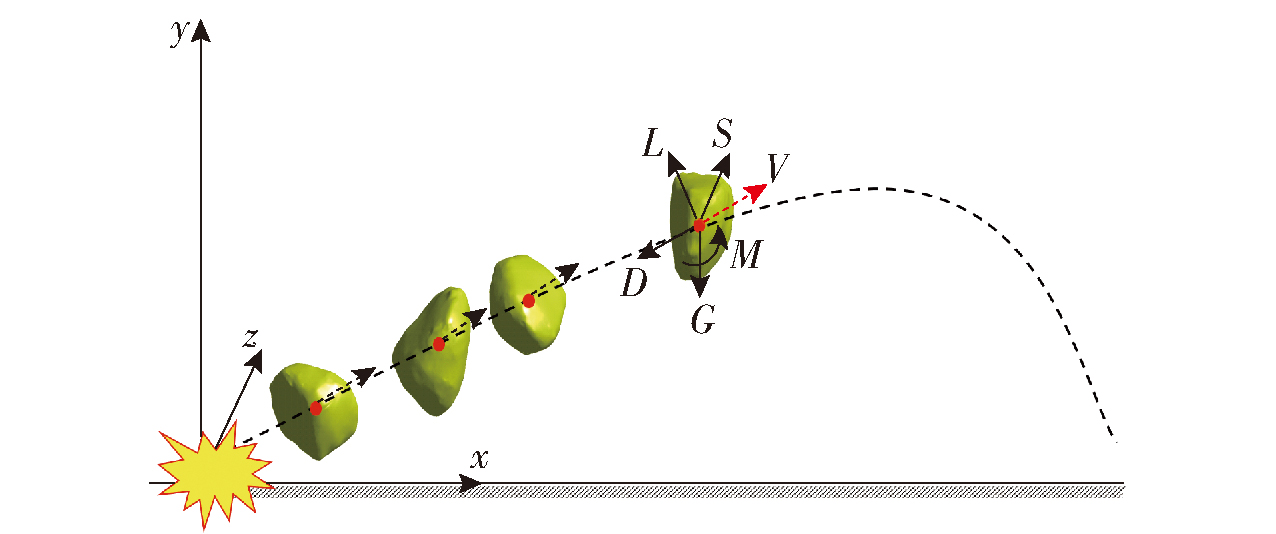
Fig.3 The random tumbling state of the fragments and the force acting on the fragments
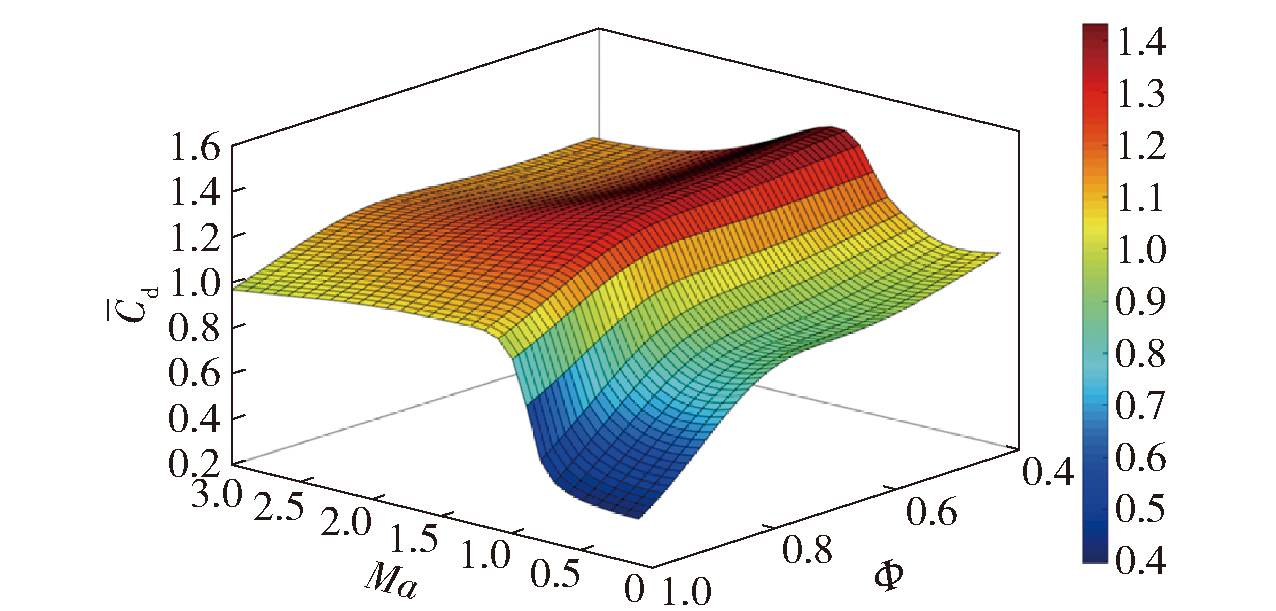
Fig.4 The surrogate model of ${\overline{C}}_{d}$(Φ,Ma) obtained by ANNs
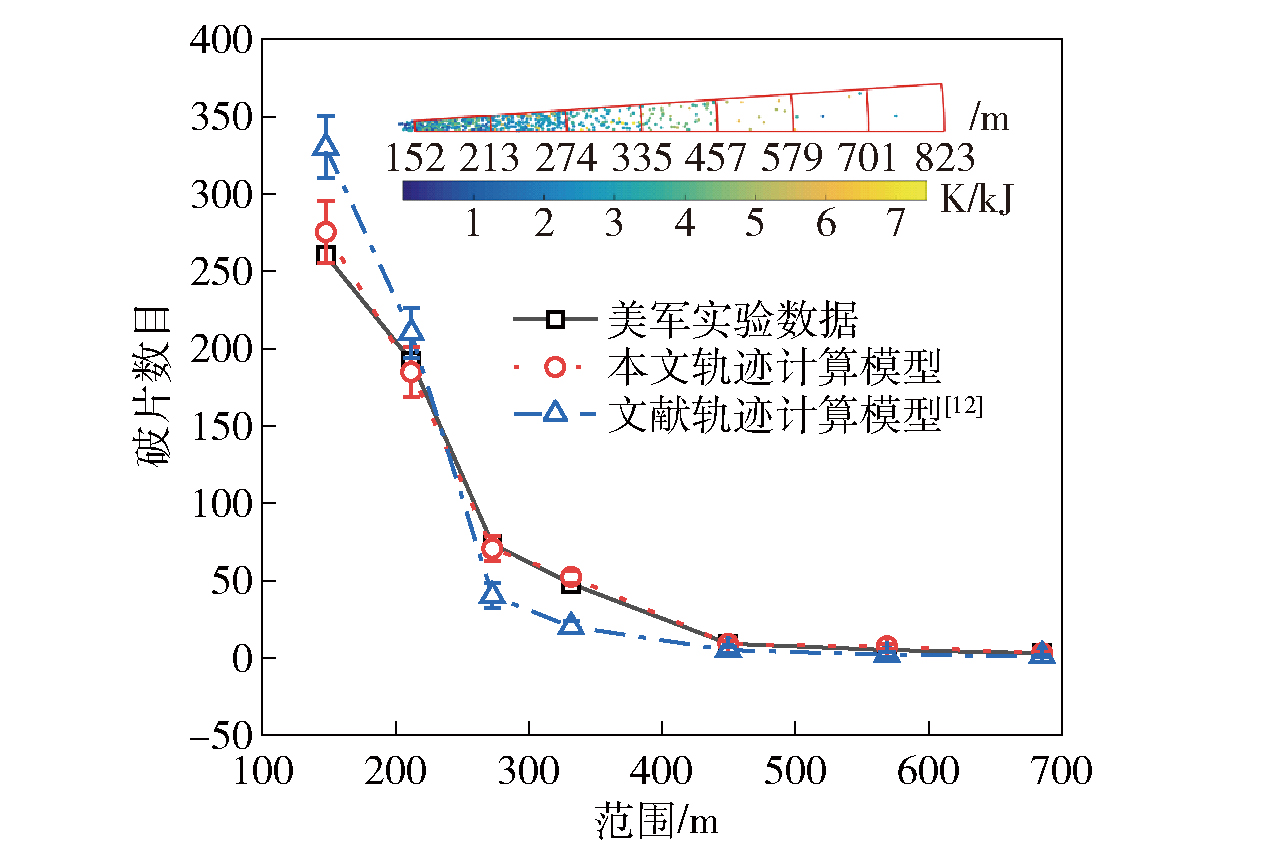
Fig.5 Comparison between numerical calculation and experimental recovery data. The inset shows the scatter landing points of the fragments

Fig.6 Sketch of different fragment statistics target plates

Fig.7 Variation in number or probability of fragment hits on impact receiver with range
| AIS等级 | 损伤类型 |
|---|---|
| 0 | 无损伤 |
| 1 | 非常轻微 |
| 2 | 经医疗护理可恢复 |
| 3 | 经住院治疗可恢复 |
| 4 | 危及生命,无医疗护理无法康复 |
| 5 | 危及生命,经治疗也不可能康复 |
| 6 | 致死 |
Table 1 Abbreviated injury scale (AIS) level
| AIS等级 | 损伤类型 |
|---|---|
| 0 | 无损伤 |
| 1 | 非常轻微 |
| 2 | 经医疗护理可恢复 |
| 3 | 经住院治疗可恢复 |
| 4 | 危及生命,无医疗护理无法康复 |
| 5 | 危及生命,经治疗也不可能康复 |
| 6 | 致死 |
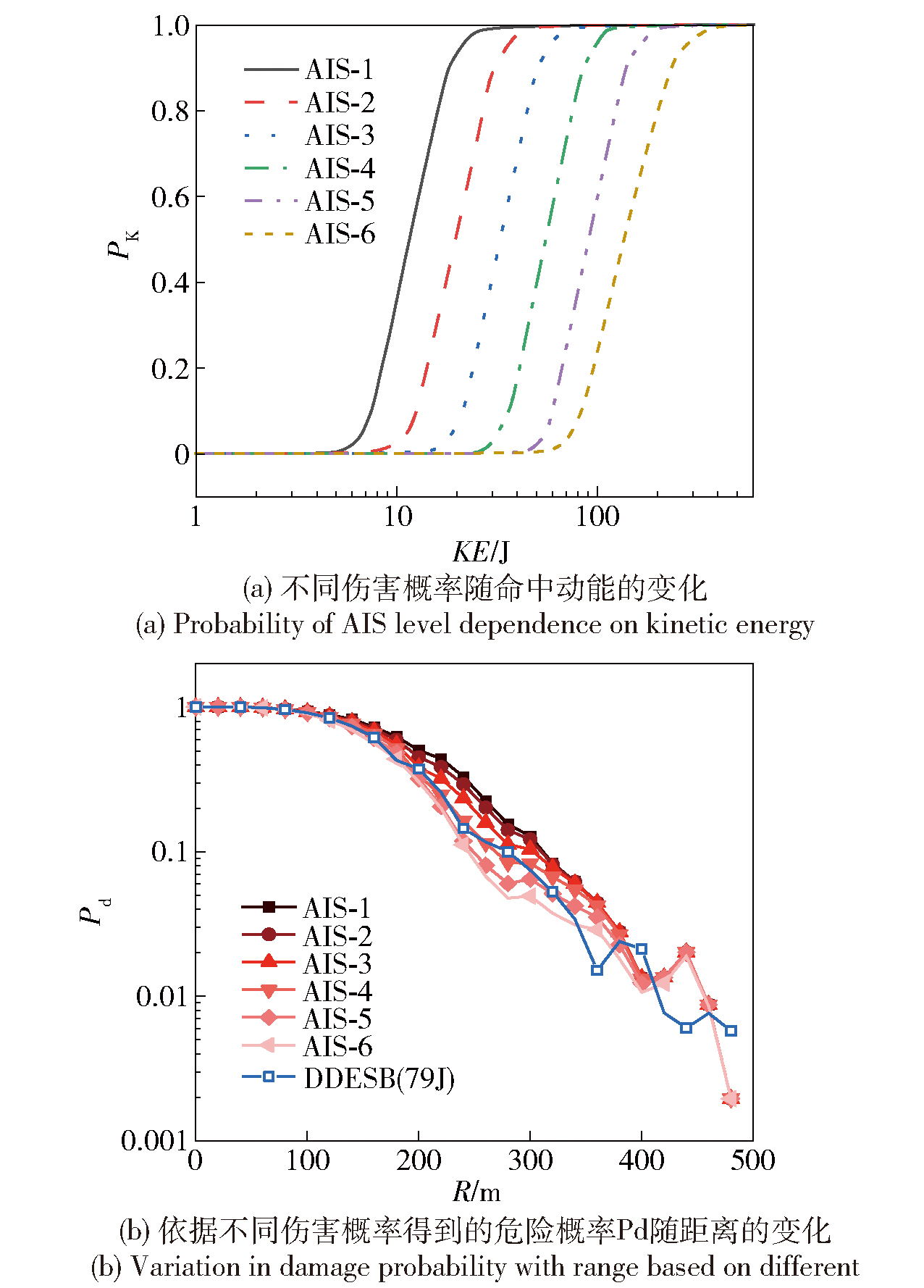
Fig.8 Damage probability calculated in combination with the personnel vulnerability model
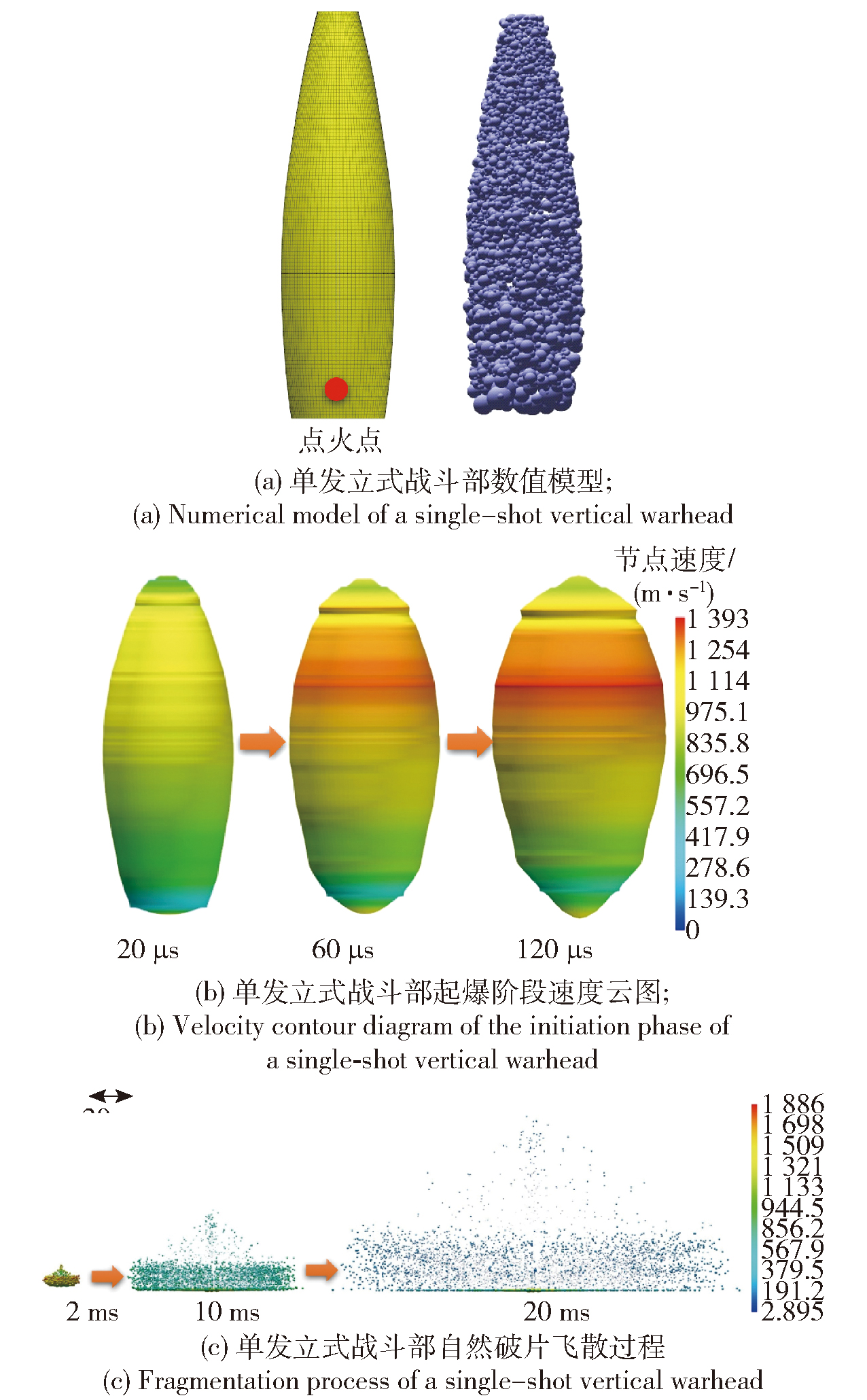
Fig.9 Numerical simulation of the entire process of warhead ignition, detonation and dispersion
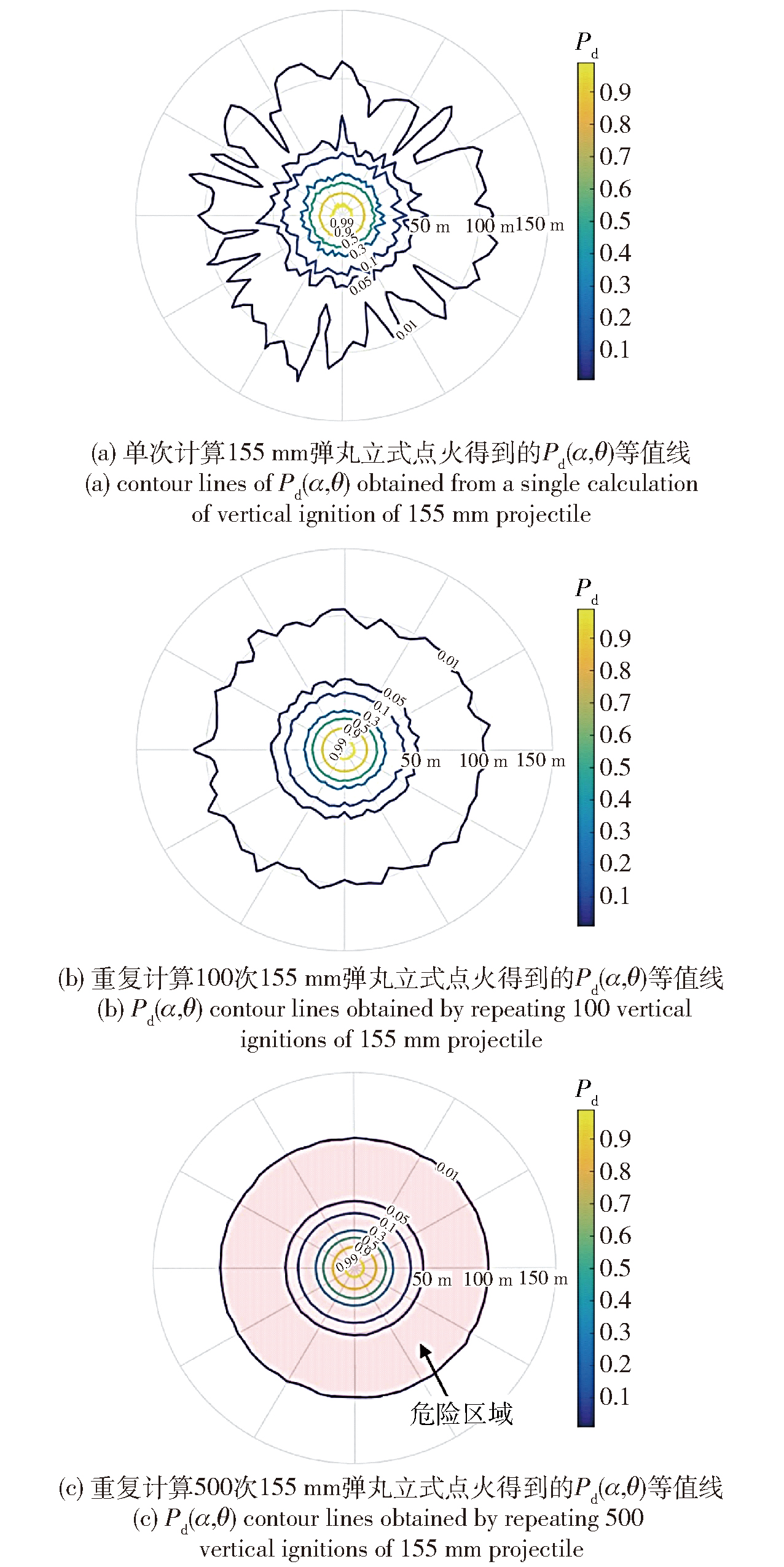
Fig.10 Pd(a,θ) contour lines obtained by repeating calculations of vertical ignitions of 155mm projectile
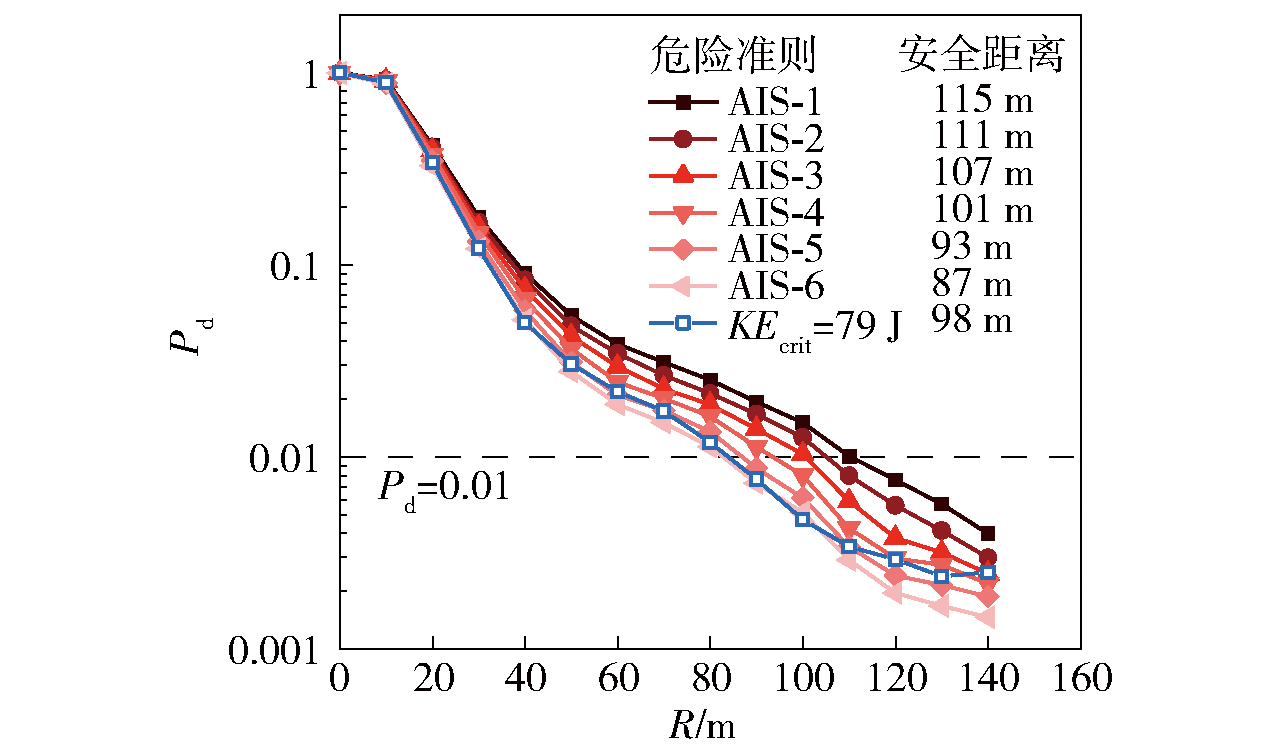
Fig.11 Variation in Pd with range based on different hazard criteria for standard case
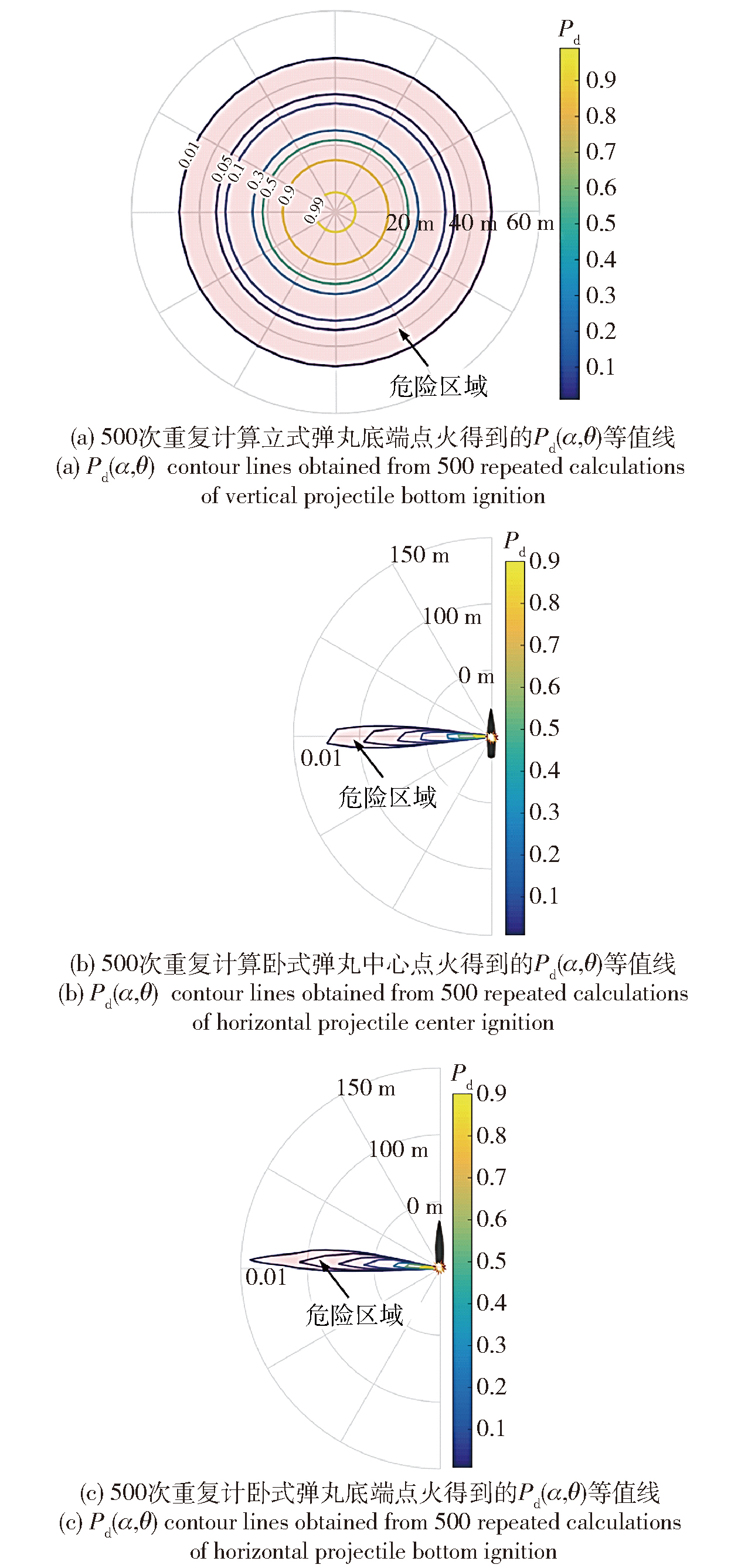
Fig.12 Pd (a, θ) contour lines obtained from calculations of vertical projectile bottom ignition ((a)), horizontal projectile center ignition ((b)), and horizontal projectile bottom ignition ((c))
| 模型 | 安全距离/m |
|---|---|
| DoD 6055.9-STD | 82 |
| USAESCH | 104 |
| 立式放置-中心点火 | 98 |
| 立式放置-底端点火 | 45 |
Table 2 Comparison of results of safety distance obtained from literature and developed method
| 模型 | 安全距离/m |
|---|---|
| DoD 6055.9-STD | 82 |
| USAESCH | 104 |
| 立式放置-中心点火 | 98 |
| 立式放置-底端点火 | 45 |
| [1] |
马志伟, 李园, 郭明哲, 等. 燃烧爆炸品工程安全防护体系现状及问题分析[J]. 兵工学报, 2024, 45(S2): 293-304.
doi: 10.12382/bgxb.2024.0931 |
|
|
|
| [2] |
doi: 10.1016/j.ress.2009.02.003 URL |
| [3] |
doi: 10.1016/j.ress.2021.107874 URL |
| [4] |
|
| [5] |
|
| [6] |
|
| [7] |
杨云川, 朱建军, 郑宇, 等. 战斗部壳体爆炸破片体/线分形维数研究[J]. 兵工学报, 2018, 39(8): 1499-1506.
doi: 10.3969/j.issn.1000-1093.2018.08.006 |
|
|
|
| [8] |
冯昌林, 施锐, 张兵, 等. 自然破片战斗部静态威力场重构方法[J]. 兵工学报, 2024, 45(S2): 283-292.
doi: 10.12382/bgxb.2024.0838 |
|
|
|
| [9] |
doi: 10.1016/j.jmrt.2025.03.149 URL |
| [10] |
doi: 10.1016/j.dt.2024.07.007 URL |
| [11] |
|
| [12] |
|
| [13] |
doi: 10.1016/j.ijimpeng.2021.104099 URL |
| [14] |
|
| [15] |
辛大钧, 薛琨. 基于人工神经网络的非球形破片阻力系数预测模型[J]. 兵工学报, 2022, 43(5): 1083-1092.
doi: 10.12382/bgxb.2021.0121 |
|
|
|
| [16] |
doi: 10.1016/j.jlp.2025.105544 URL |
| [17] |
|
| [18] |
doi: 10.1016/j.engfailanal.2023.107152 URL |
| [19] |
樊壮卿, 张双博, 卢芳云, 等. 人员易损性分析研究进展及应用综述[J]. 兵工学报, 2024, 45(9): 2888-2905.
doi: 10.12382/bgxb.2024.0094 |
|
|
|
| [20] |
doi: 10.1016/j.ijimpeng.2019.103331 URL |
| [21] |
|
| [22] |
US Department of Defense. DOD ammunition and explosives safety standards[M]. Washington DC: US Department of Defense, 2004.
|
| [23] |
NATO Standardization Agreements. Manual of NATO safety principles for the transport of military ammunition and explosives-AASTP-2[M]. Brussels: NATO, 1997.
|
| [24] |
doi: 10.1016/j.engfailanal.2021.105257 URL |
| [25] |
|
| [1] | YE Zhihao, ZHANG Xueyan, WU Jing, LUO Xi. Risk Assessment Model and Prevention Strategy of Cascading Failure in Unmanned Platform Integrated Power System [J]. Acta Armamentarii, 2025, 46(S1): 250514-. |
| [2] | WANG Hai-fu, ZHENG Yuan-feng,YU Qing-bo,LIU Zong-wei,YU Wei-min. Experimental Research on Igniting the Aviation Kerosene by Reactive Fragment [J]. Acta Armamentarii, 2012, 33(9): 1148-1152. |
| Viewed | ||||||
|
Full text |
|
|||||
|
Abstract |
|
|||||
