


Responsible Institution: China Association for Science and Technology
Sponsor: China Ordnance Society
ISSN 1000-1093 CN 11-2176/TJ
Sponsor: China Ordnance Society
ISSN 1000-1093 CN 11-2176/TJ
Acta Armamentarii ›› 2025, Vol. 46 ›› Issue (10): 250427-.doi: 10.12382/bgxb.2025.0427
Previous Articles Next Articles
DENG Minjie, SONG Weidong*( ), XIAO Lijun
Received:2025-05-31
Online:2025-11-06
Contact:
SONG Weidong
DENG Minjie, SONG Weidong, XIAO Lijun. Parallel Numerical Simulation of 3D High-Speed Penetration Based on the SPH Method[J]. Acta Armamentarii, 2025, 46(10): 250427-.
Add to citation manager EndNote|Ris|BibTeX
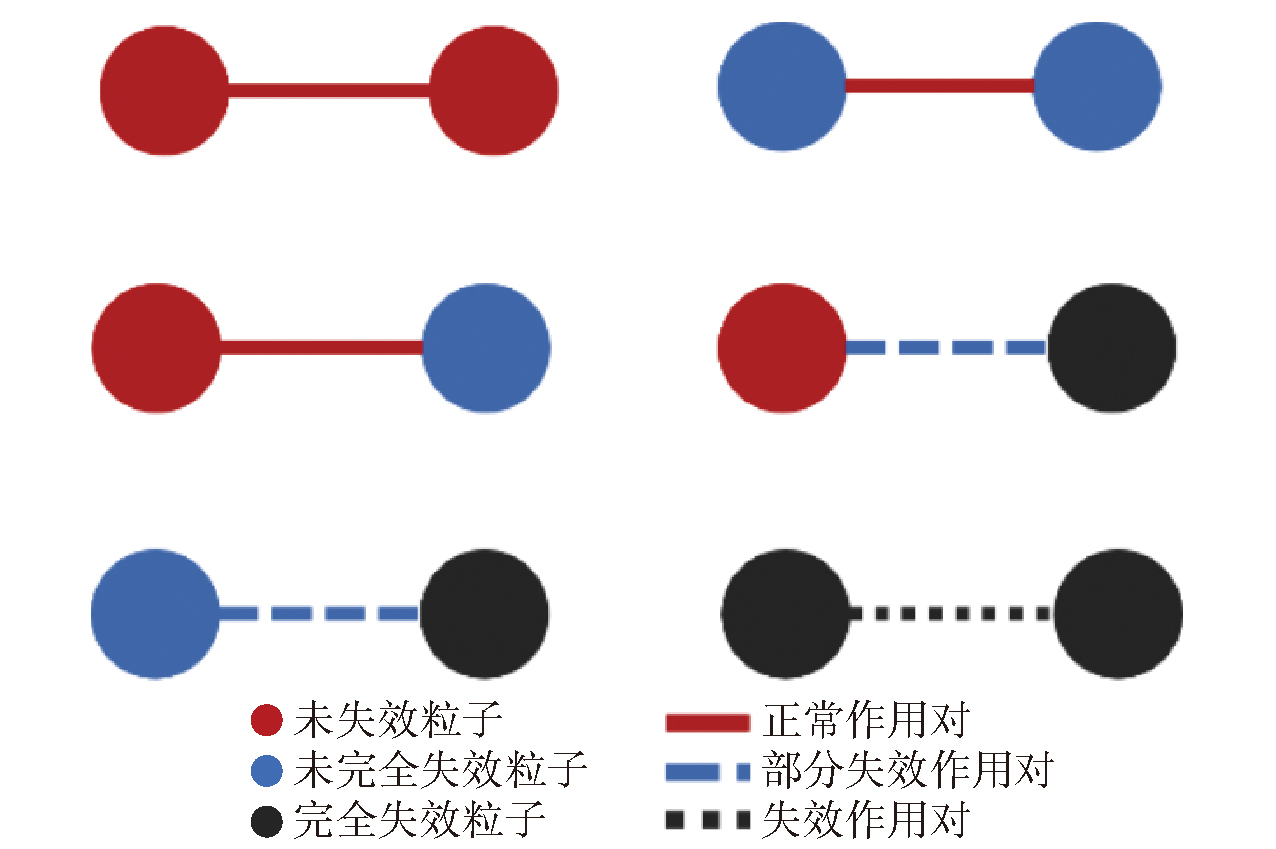
Fig.1 Particle-particle interaction
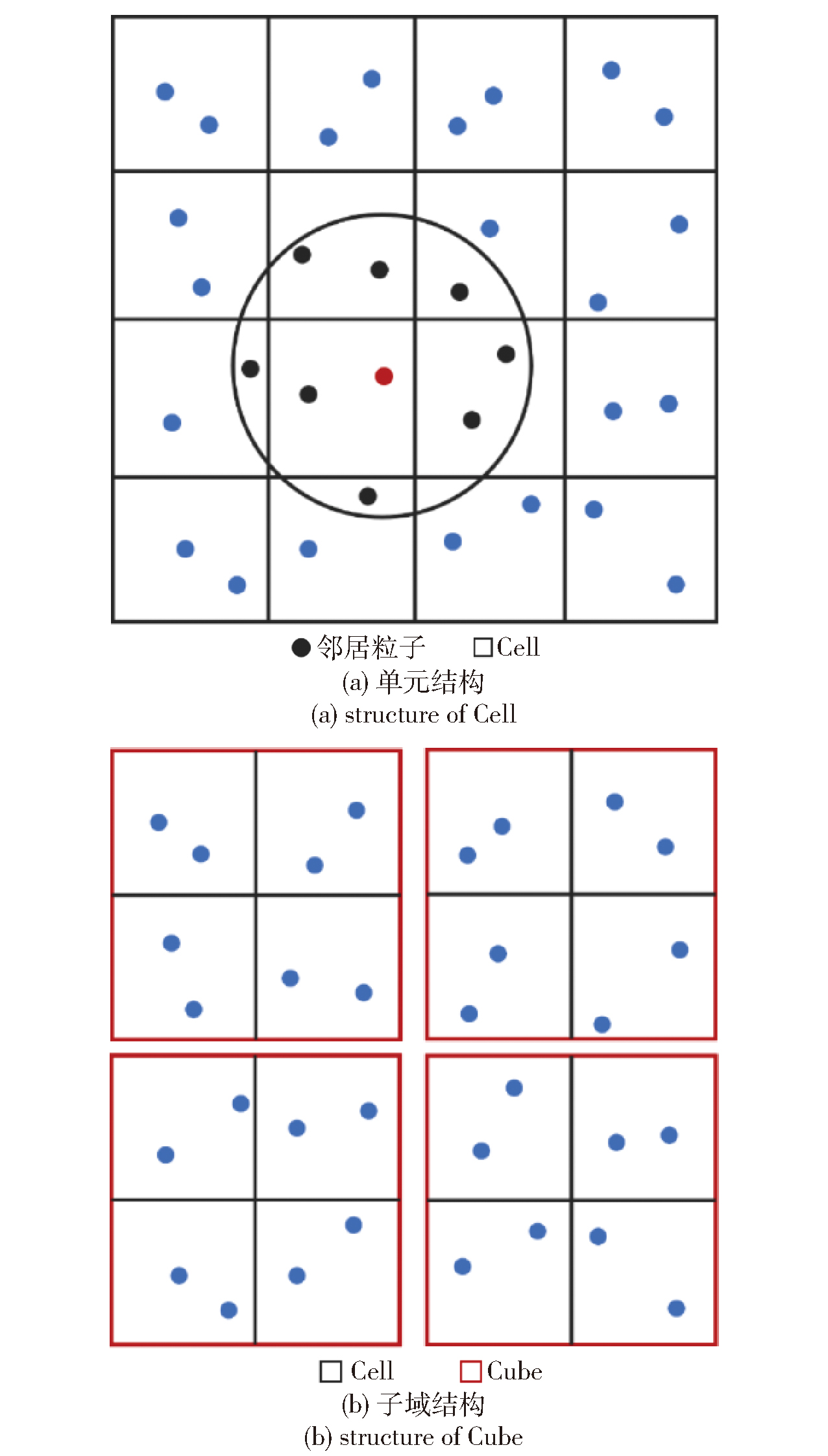
Fig.2 Schematic diagram of subdomain partitioning
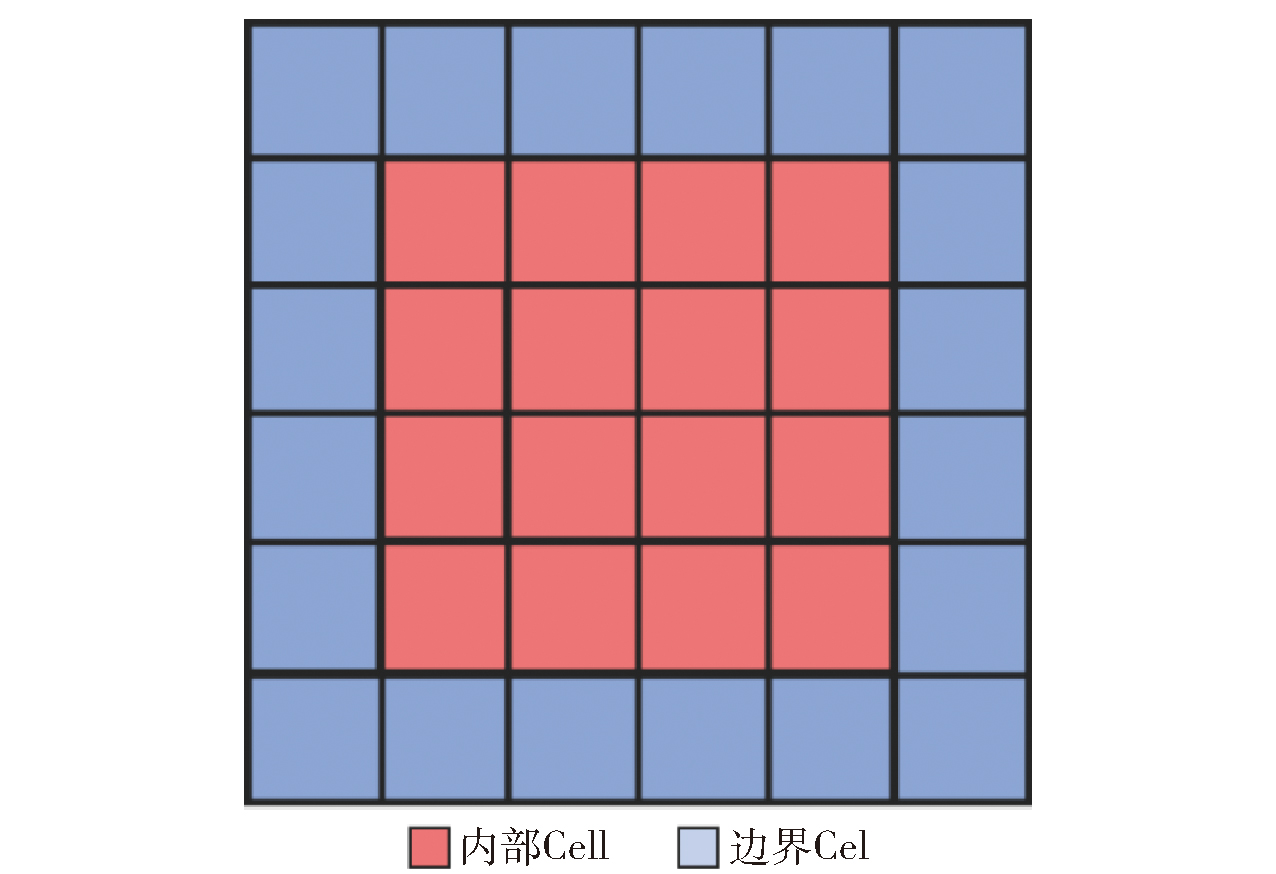
Fig.3 Types of Cell
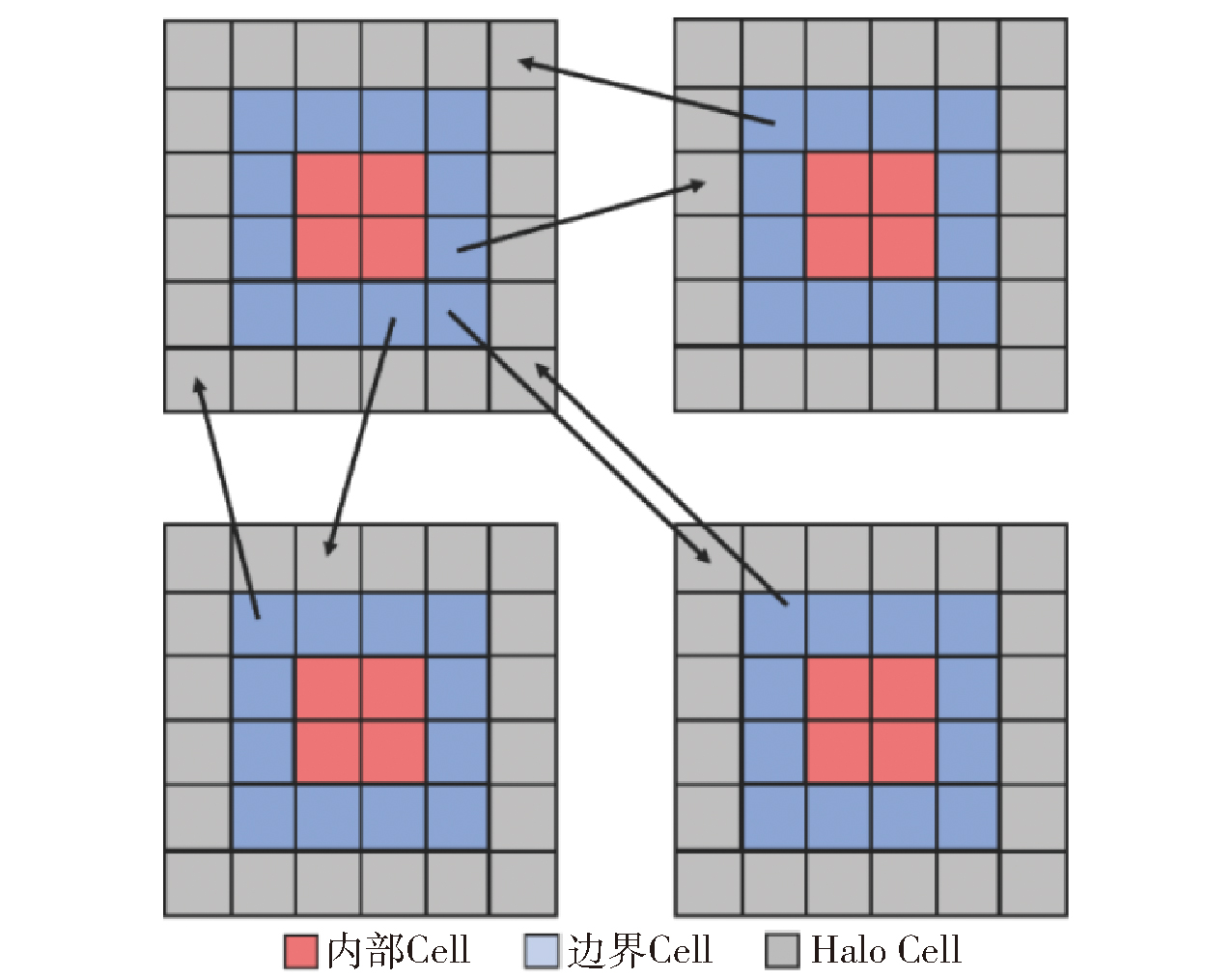
Fig.4 Exchange of particles’ data
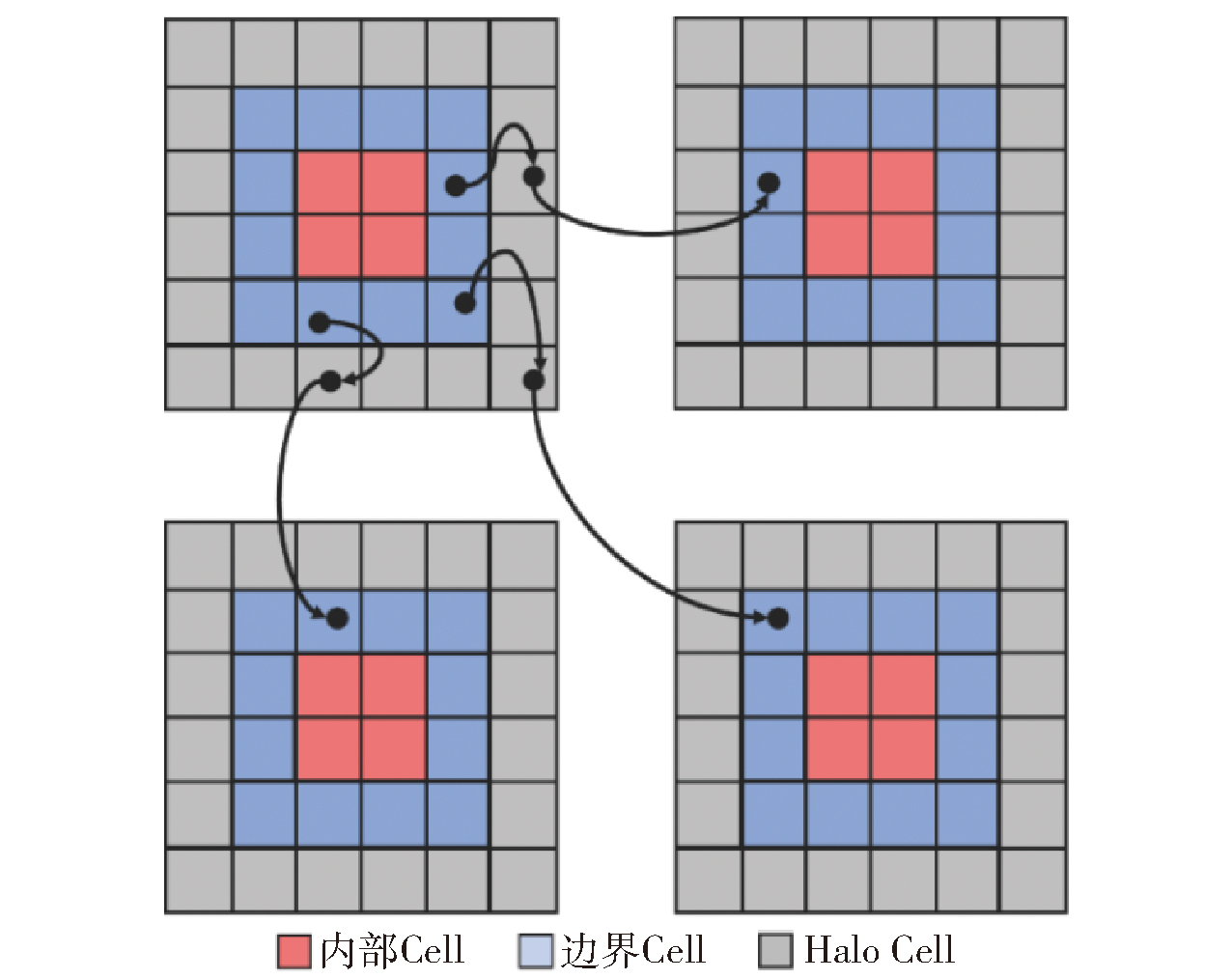
Fig.5 Migration of particles

Fig.6 Schematic diagram of the numerical model
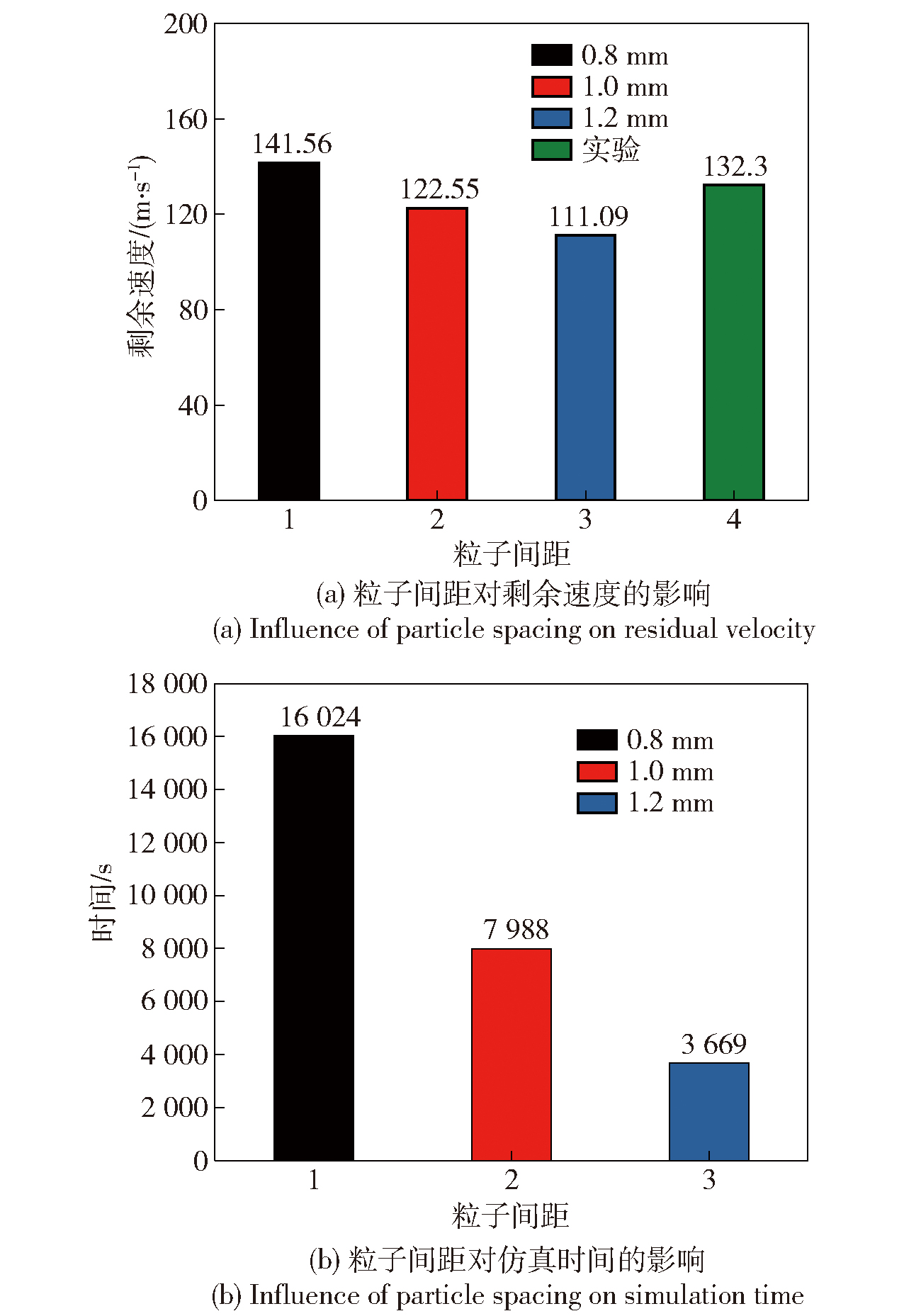
Fig.7 Sensitivity of Δh
| 算法1:动态负载平衡算法 | |
|---|---|
| 1. | if (负载不平衡度>阈值){ |
| 2. | ParMetis重新图划分,生成新Cube分配方案; |
| 3. | 计算需迁移的Cube列表; |
| 4. | for每个目标进程in迁移目标列表{ |
| 5. | 打包待发送Cube数据; |
| 6. | MPI_Isend(数据大小,目标进程, tag1, &requests); } |
| 7. | for每个源进程in迁移源列表{ |
| 8. | MPI_Irecv(接收数据大小,源进程, tag1, &requests); } |
| 9. | MPI_Waitall(requests); |
| 10. | for每个目标进程in迁移目标列表{ |
| 11. | MPI_Isend(实际数据,目标进程, tag2, &requests); } |
| 12. | for每个源进程in迁移源列表{ |
| 13. | 分配接收缓冲区(根据接收大小); |
| 14. | MPI_Irecv(实际数据,源进程, tag2, &requests); } |
| 15. | MPI_Waitall(requests); } |
Table 1 Dynamic load balancing algorithm
| 算法1:动态负载平衡算法 | |
|---|---|
| 1. | if (负载不平衡度>阈值){ |
| 2. | ParMetis重新图划分,生成新Cube分配方案; |
| 3. | 计算需迁移的Cube列表; |
| 4. | for每个目标进程in迁移目标列表{ |
| 5. | 打包待发送Cube数据; |
| 6. | MPI_Isend(数据大小,目标进程, tag1, &requests); } |
| 7. | for每个源进程in迁移源列表{ |
| 8. | MPI_Irecv(接收数据大小,源进程, tag1, &requests); } |
| 9. | MPI_Waitall(requests); |
| 10. | for每个目标进程in迁移目标列表{ |
| 11. | MPI_Isend(实际数据,目标进程, tag2, &requests); } |
| 12. | for每个源进程in迁移源列表{ |
| 13. | 分配接收缓冲区(根据接收大小); |
| 14. | MPI_Irecv(实际数据,源进程, tag2, &requests); } |
| 15. | MPI_Waitall(requests); } |
| 序号 | v0/(m·s-1) | t/mm | 序号 | v0/(m·s-1) | t/mm |
|---|---|---|---|---|---|
| 1 | 298.0 | 8 | 11 | 296.0 | 10 |
| 2 | 250.8 | 8 | 12 | 277.5 | 10 |
| 3 | 190.7 | 8 | 13 | 241.5 | 10 |
| 4 | 182.2 | 8 | 14 | 204.0 | 10 |
| 5 | 173.7 | 8 | 15 | 192.9 | 10 |
| 6 | 165.2 | 8 | 16 | 184.9 | 10 |
| 7 | 160.7 | 8 | 17 | 172.6 | 10 |
| 8 | 156.0 | 8 | 18 | 169.3 | 10 |
| 9 | 152.5 | 8 | 19 | 161.2 | 10 |
| 10 | 137.4 | 8 | 20 | 131.3 | 10 |
Table 2 Simulation conditions
| 序号 | v0/(m·s-1) | t/mm | 序号 | v0/(m·s-1) | t/mm |
|---|---|---|---|---|---|
| 1 | 298.0 | 8 | 11 | 296.0 | 10 |
| 2 | 250.8 | 8 | 12 | 277.5 | 10 |
| 3 | 190.7 | 8 | 13 | 241.5 | 10 |
| 4 | 182.2 | 8 | 14 | 204.0 | 10 |
| 5 | 173.7 | 8 | 15 | 192.9 | 10 |
| 6 | 165.2 | 8 | 16 | 184.9 | 10 |
| 7 | 160.7 | 8 | 17 | 172.6 | 10 |
| 8 | 156.0 | 8 | 18 | 169.3 | 10 |
| 9 | 152.5 | 8 | 19 | 161.2 | 10 |
| 10 | 137.4 | 8 | 20 | 131.3 | 10 |
| 参数 | 靶板 | 弹丸 |
|---|---|---|
| 密度ρ/(kg·m-3) | 7850 | 7850 |
| 弹性模量E/GPa | 200 | 205 |
| 泊松比ν | 0.33 | 0.33 |
| A/MPa | 490 | 1900 |
| B/MPa | 807 | 0 |
| n | 0.73 | 0 |
| C | 0.0114 | 0 |
| k | 0.94 | 0 |
Table 3 Parameters of Johnson-Cook constitutive model
| 参数 | 靶板 | 弹丸 |
|---|---|---|
| 密度ρ/(kg·m-3) | 7850 | 7850 |
| 弹性模量E/GPa | 200 | 205 |
| 泊松比ν | 0.33 | 0.33 |
| A/MPa | 490 | 1900 |
| B/MPa | 807 | 0 |
| n | 0.73 | 0 |
| C | 0.0114 | 0 |
| k | 0.94 | 0 |
| 参数 | 靶板 | 弹丸 |
|---|---|---|
| SS | 1.5 | 1.5 |
| CS/(m·s-1) | 5047 | 5110.25 |
| γ | 2 | 2 |
Table 4 Parameters of the Mie-Grüneisen equation of state
| 参数 | 靶板 | 弹丸 |
|---|---|---|
| SS | 1.5 | 1.5 |
| CS/(m·s-1) | 5047 | 5110.25 |
| γ | 2 | 2 |
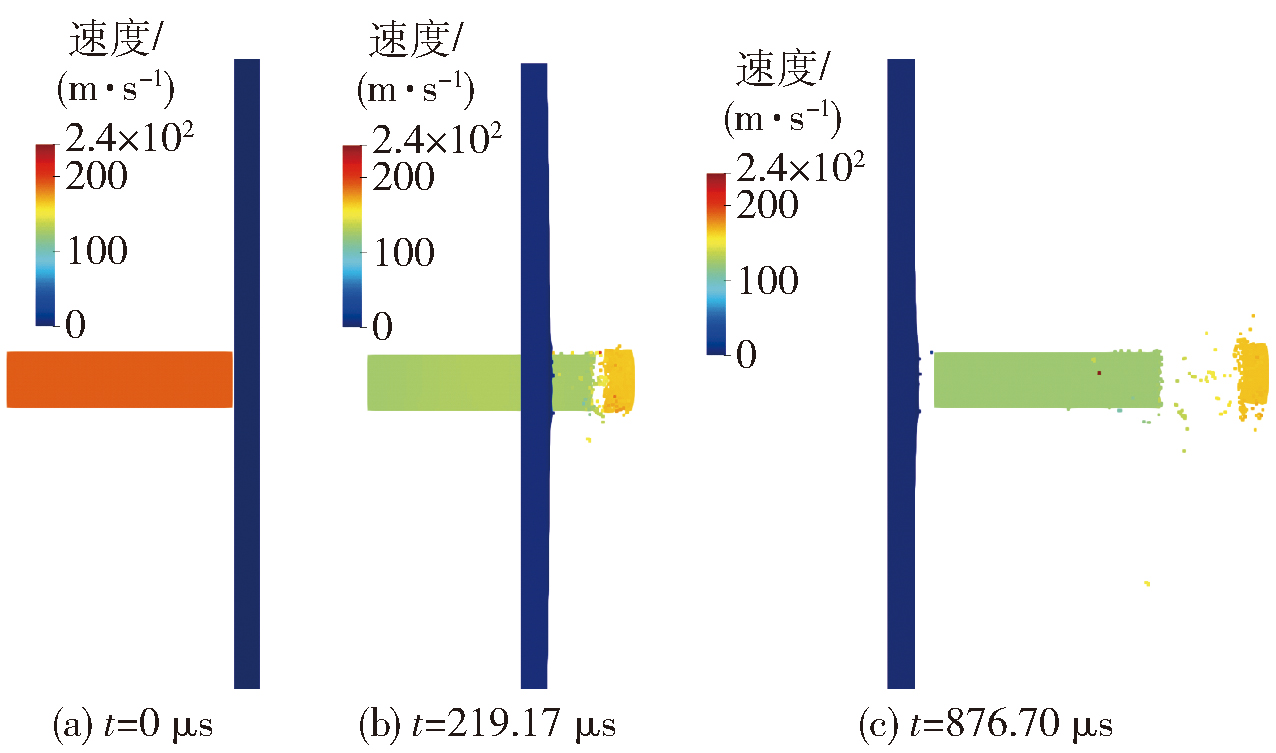
Fig.8 Penetration process of a cylindrical projectile into a target plate at an initial velocity of 190.7m/s(Perforation case)
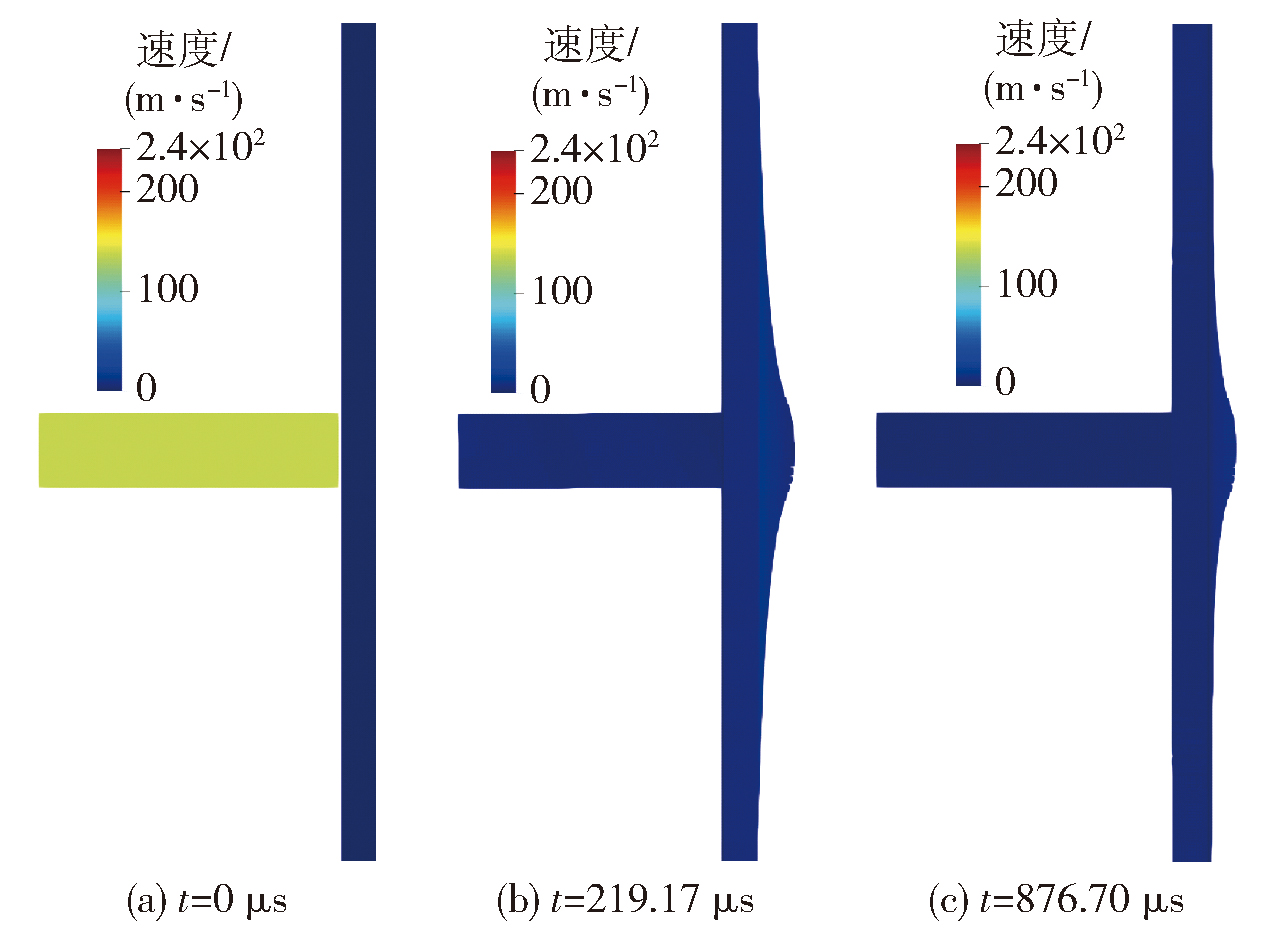
Fig.9 Penetration process of a cylindrical projectile into a target plate at an initial velocity of 137.4m/s(Non-perforation case)
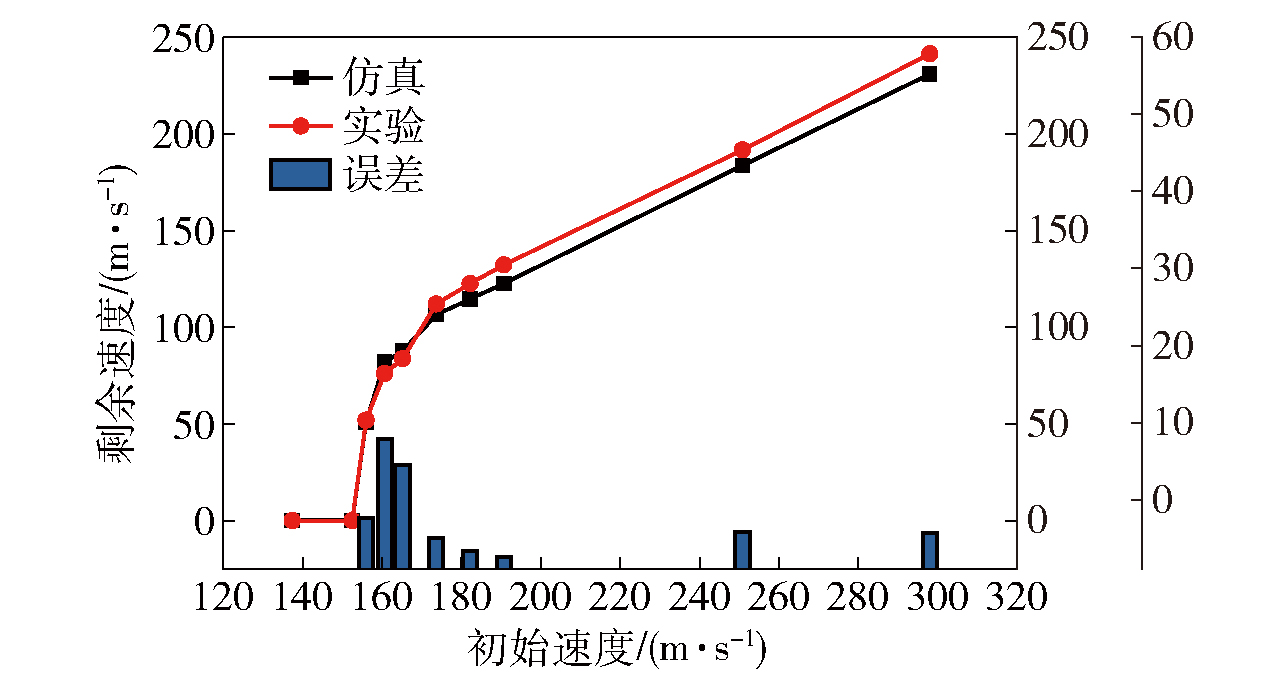
Fig.10 Residual velocity of the projectile after penetrating an 8mm thick target plate
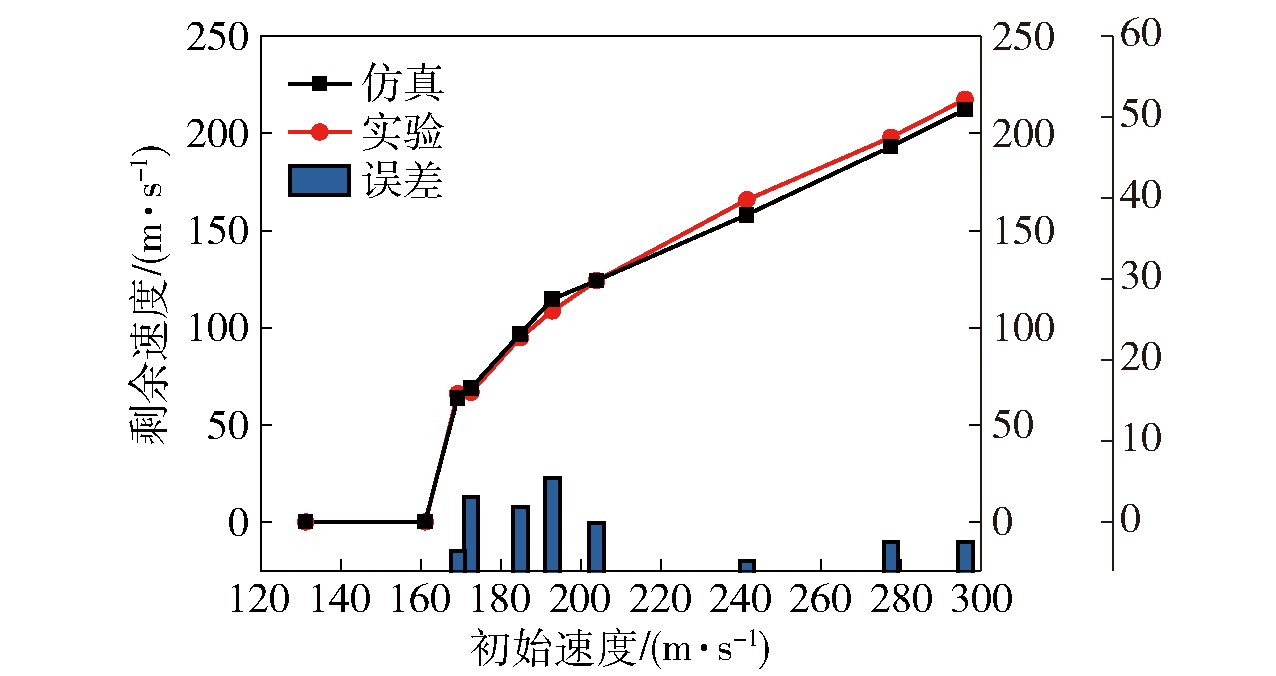
Fig.11 Residual velocity of the projectile after penetrating an 10mm thick target plate

Fig.12 Curves of parallel performance

Fig.13 Stress contour plot of the projectile’s penetration process into the target plate
| [1] |
doi: 10.1016/j.ijimpeng.2017.03.018 URL |
| [2] |
|
| [3] |
doi: 10.1016/S0734-743X(98)00031-1 URL |
| [4] |
doi: 10.1016/0734-743X(87)90057-1 URL |
| [5] |
李鹏飞, 夏洪利, 侯川玉, 等. 基于光滑粒子流体动力学数值仿真方法的武器系统冲击损伤虚拟试验[J]. 兵工学报, 2024, 45(S2): 208-214.
doi: 10.12382/bgxb.2024.0959 |
|
|
|
| [6] |
doi: 10.1016/j.ijimpeng.2018.09.016 URL |
| [7] |
doi: 10.1016/j.actaastro.2025.03.012 URL |
| [8] |
doi: 10.1016/j.ijimpeng.2024.105126 URL |
| [9] |
|
| [10] |
doi: 10.1016/j.cma.2019.112590 URL |
| [11] |
doi: 10.1016/j.compgeo.2020.103474 URL |
| [12] |
许晓阳, 王斯棋. 基于粒子分解的SPH并行算法研究与应用[J]. 计算机工程与科学, 2022, 44(6): 964.
|
|
|
|
| [13] |
doi: 10.1016/j.cpc.2022.108608 URL |
| [14] |
doi: 10.1016/j.cpc.2023.108970 URL |
| [15] |
doi: 10.1007/s11831-010-9040-7 URL |
| [16] |
|
| [17] |
doi: 10.1016/S0045-7825(96)01090-0 URL |
| [18] |
|
| [19] |
李晓杰, 闫鸿浩, 王小红, 等. Mie-Grüneisen状态方程的物理力学释义[J]. 高压物理学报, 2014, 28(2): 227-231.
|
|
|
|
| [20] |
doi: 10.1016/0013-7944(85)90052-9 URL |
| [21] |
|
| [22] |
doi: 10.1002/nag.v32:12 URL |
| [23] |
|
| [24] |
王迎瑞, 黎雷生, 王景焘, 等. 光滑粒子流体动力学方法的高效异构加速[J]. 计算机学报, 2017, 40(9):2040-2056.
|
|
|
|
| [25] |
doi: 10.1002/cpe.v14:3 URL |
| [26] |
doi: 10.1142/S0129626411000060 URL |
| [27] |
doi: 10.1016/S0734-743X(02)00072-6 URL |
| [1] | NI Yingfeng, CHEN Xiaowei. Characteristics of Fragment Cloud Produced by Hypervelocity Impact of Cylindrical Projectile on Stiffened Plate [J]. Acta Armamentarii, 2025, 46(6): 240812-. |
| [2] | ZHAO Jie, CAI Xiaowei, WU Xiangqing, JIAO Yanmei, ZHANG Jun, HUANG Da. Numerical Study on Ice-breaking Load Characteristics of Underwater Vehicles [J]. Acta Armamentarii, 2025, 46(5): 240358-. |
| [3] | LI Pengfei, XIA Hongli, HOU Chuanyu, ZHOU Yuqi, MIAO Haibin. The Virtual Test of Impact Damage on Weapon SystemBased on SPH Numerical Simulation Method [J]. Acta Armamentarii, 2024, 45(S2): 208-214. |
| [4] | TAO Zihao, LI Xianglong, HU Qiwen, WANG Jianguo. Study and Analysis on Numerical Simulation of Empty Hole Effect Induced by Cutting Blasting [J]. Acta Armamentarii, 2024, 45(12): 4246-4258. |
| [5] | WANG Jirui, WANG Chengxin, WANG Yini, TANG Kui, BO Qile. Equivalent Strength of Armour Steel against High-velocity Penetration of Long-rod Projectile [J]. Acta Armamentarii, 2023, 44(12): 3755-3770. |
| [6] | LIANG Zhi-qiang, TIAN Meng, WANG Qiu-yan, WANG Xi-bin,. Simulation Investigation on Crack Initiation and Propagation in Ultrasonic Assisted Grinding of Ceramics Material [J]. Acta Armamentarii, 2016, 37(5): 895-902. |
| [7] | SU Chong, DING Jiang-min1, XV Li1, LI Ming-gao2. Cutting Characteristics of Single CBN Abrasive Grain and Micromechanics Analysis of WorkpieceMaterial Deformation Behavior [J]. Acta Armamentarii, 2012, 33(4): 425-431. |
| Viewed | ||||||
|
Full text |
|
|||||
|
Abstract |
|
|||||
