


Responsible Institution: China Association for Science and Technology
Sponsor: China Ordnance Society
ISSN 1000-1093 CN 11-2176/TJ
Sponsor: China Ordnance Society
ISSN 1000-1093 CN 11-2176/TJ
Acta Armamentarii ›› 2025, Vol. 46 ›› Issue (10): 250336-.doi: 10.12382/bgxb.2025.0336
Previous Articles Next Articles
ZHANG Lei, XU Xiangzhao*( )
)
Received:2025-05-06
Online:2025-11-05
Contact:
XU Xiangzhao
ZHANG Lei, XU Xiangzhao. Virtual Scene Simulation of Blast-induced Impact Damage[J]. Acta Armamentarii, 2025, 46(10): 250336-.
Add to citation manager EndNote|Ris|BibTeX
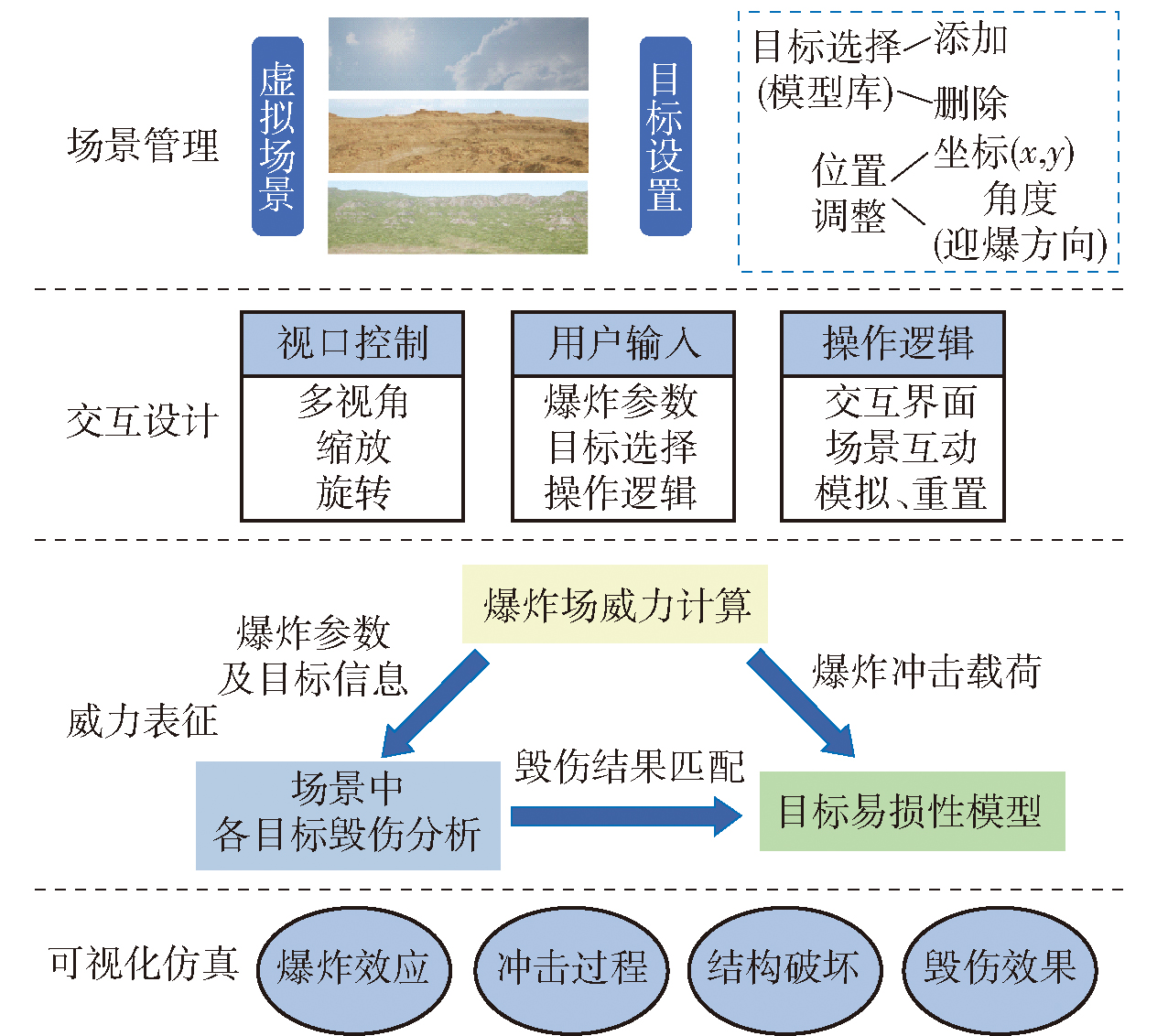
Fig.1 Overall architecture of the simulation system

Fig.2 Workflow of simulation system

Fig.3 Explosive shockwave propagation process

Fig.4 Characterization of the explosion process and explosion effects
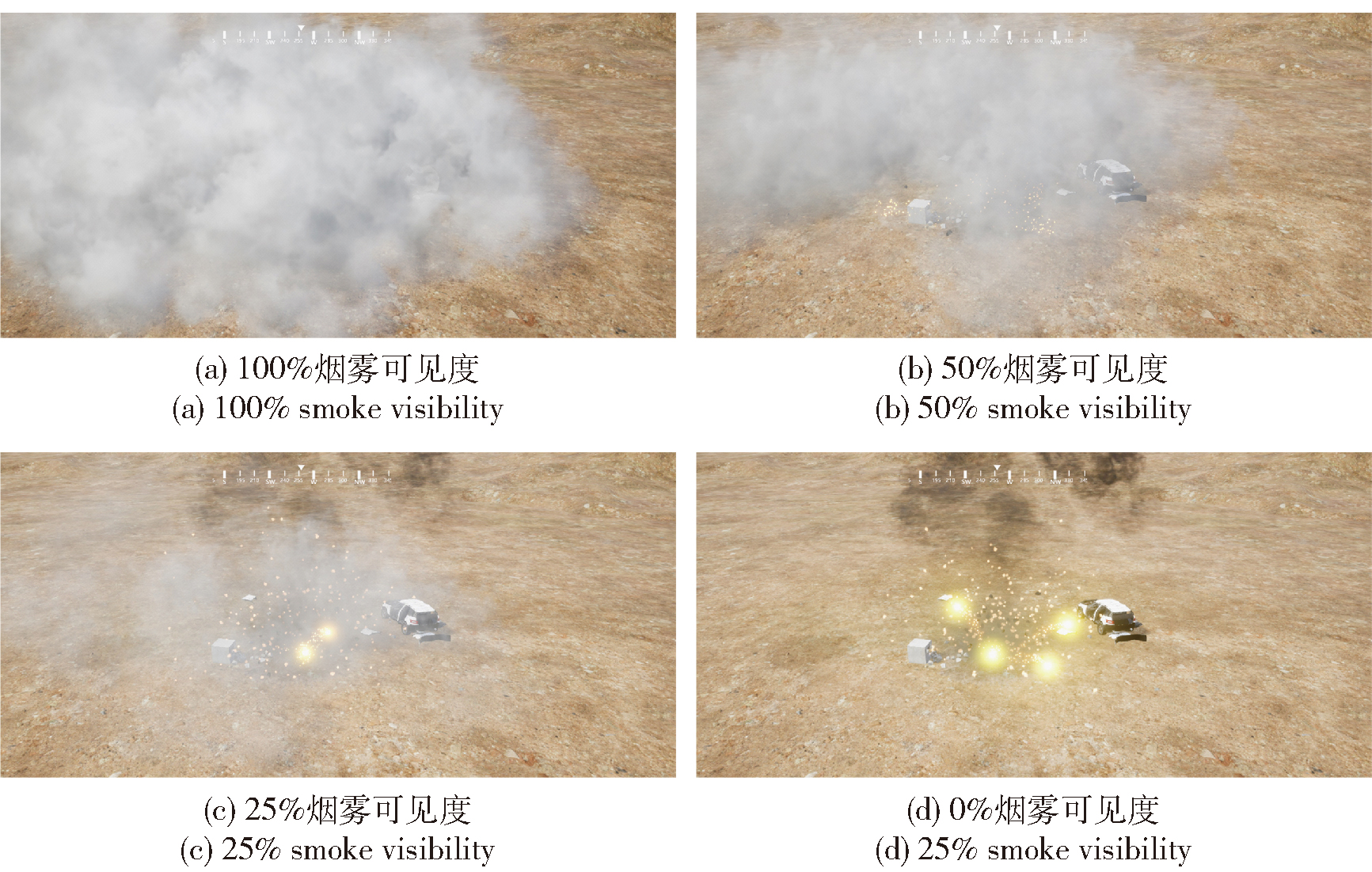
Fig.5 Effect of smoke concentration on explosionscene
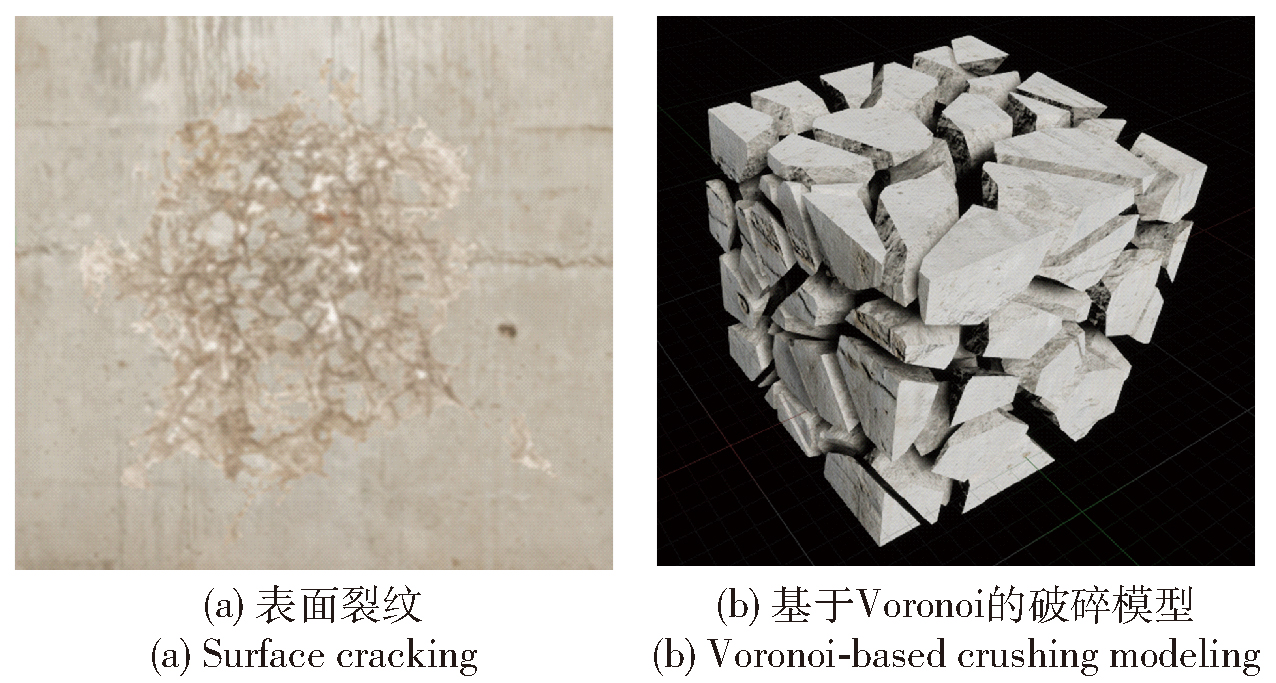
Fig.6 Characterization of cracking and crushing effects on concrete targets

Fig.7 3D model of a typical vehicle target

Fig.8 Effects of different impact intensities on vehicle target in different impact directions

Fig.9 Target position and angle setting
| 编号 | 场景坐标(x,y) | 旋转角度/(°) | 炸源距离/cm |
|---|---|---|---|
| 车辆1 | (240,500) | 90 | 554.6 |
| 车辆2 | (0,-700) | 30 | 700 |
| 混凝土1 | (360,-440) | 45 | 568.5 |
| 混凝土2 | (-240,0) | 0 | 240 |
| 混凝土3 | (800,-50) | 0 | 801.6 |
| 混凝土4 | (-800,800) | 30 | 1131.4 |
Table 2 Detailed information of targets in the virtual scene
| 编号 | 场景坐标(x,y) | 旋转角度/(°) | 炸源距离/cm |
|---|---|---|---|
| 车辆1 | (240,500) | 90 | 554.6 |
| 车辆2 | (0,-700) | 30 | 700 |
| 混凝土1 | (360,-440) | 45 | 568.5 |
| 混凝土2 | (-240,0) | 0 | 240 |
| 混凝土3 | (800,-50) | 0 | 801.6 |
| 混凝土4 | (-800,800) | 30 | 1131.4 |

Fig.10 Initialization of the virtual simulation scene
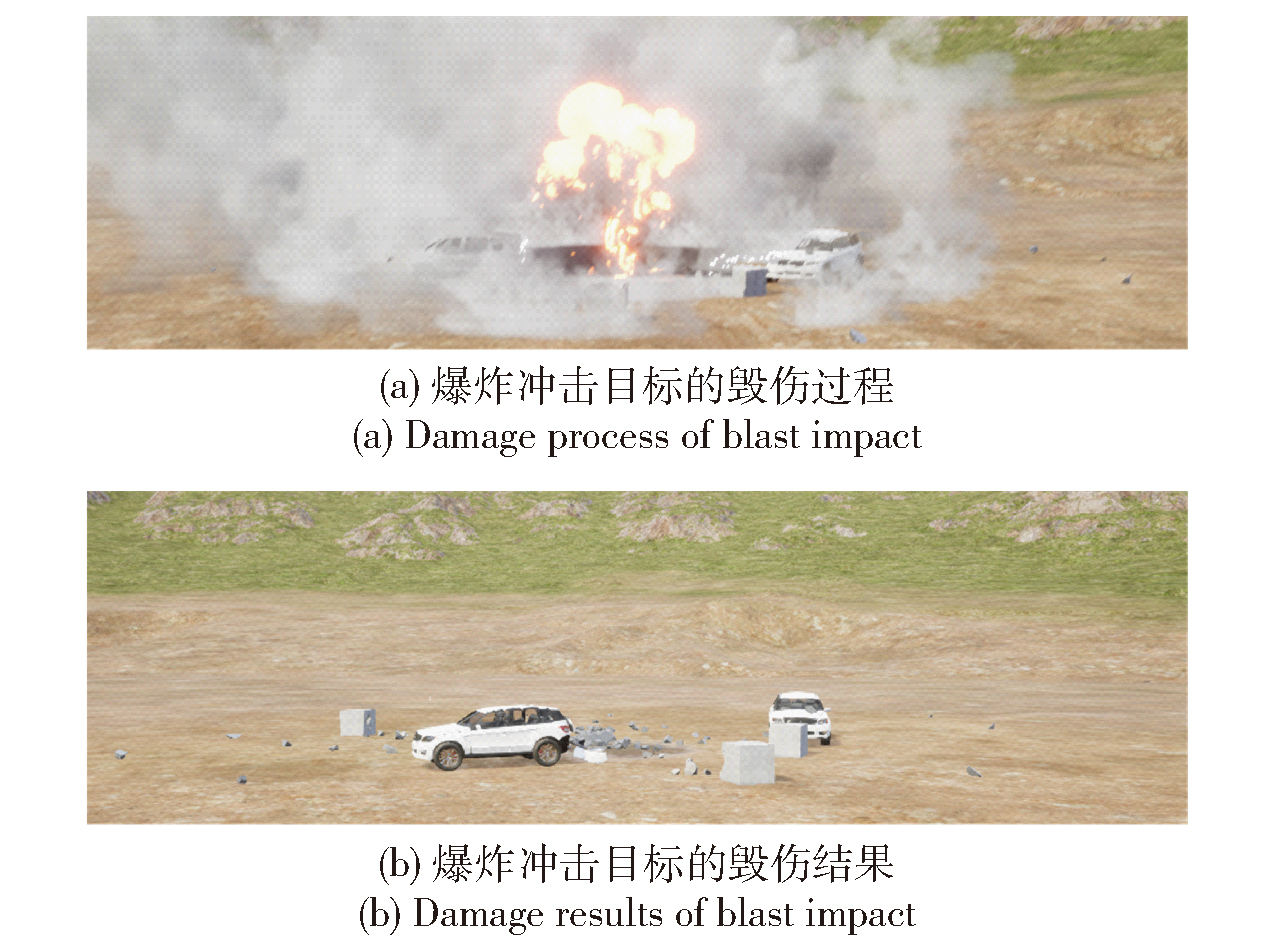
Fig.11 Damage process and results of blast impact on target
| 目标编号 | 距离炸源 位置/cm | 超压峰值/ MPa | 正冲量/ (kPa·ms) | 正压作用 时间/ms |
|---|---|---|---|---|
| 混凝土1 | 568.5 | 0.208 | 965.589 | 5.884 |
| 混凝土2 | 240 | 1.186 | 1607.835 | 3.823 |
| 混凝土3 | 801.6 | 0.104 | 664.497 | 6.987 |
| 混凝土4 | 1131.4 | 0.055 | 338.826 | 8.301 |
| 车辆1 | 554.6 | 0.218 | 984.599 | 5.812 |
| 车辆2 | 700 | 0.136 | 789.676 | 6.529 |
Table 3 Shockwaveparameters of each target in the virtual test scene
| 目标编号 | 距离炸源 位置/cm | 超压峰值/ MPa | 正冲量/ (kPa·ms) | 正压作用 时间/ms |
|---|---|---|---|---|
| 混凝土1 | 568.5 | 0.208 | 965.589 | 5.884 |
| 混凝土2 | 240 | 1.186 | 1607.835 | 3.823 |
| 混凝土3 | 801.6 | 0.104 | 664.497 | 6.987 |
| 混凝土4 | 1131.4 | 0.055 | 338.826 | 8.301 |
| 车辆1 | 554.6 | 0.218 | 984.599 | 5.812 |
| 车辆2 | 700 | 0.136 | 789.676 | 6.529 |
| [1] |
doi: 10.1016/j.oceaneng.2022.112955 URL |
| [2] |
刘琳, 龚晨, 李朦朦, 等. 基于虚拟现实技术的可靠性、测试性、维修性、安全性、保障性设计[J]. 兵工学报, 2022, 43(S1): 208-213.
doi: 10.12382/bgxb.2022.A017 |
|
doi: 10.12382/bgxb.2022.A017 |
|
| [3] |
doi: 10.1016/j.jlp.2023.105032 URL |
| [4] |
徐祎, 陈百权, 马兹浩, 等. 基于Unity3D的杀爆战斗部对相控阵雷达毁伤评估可视化设计与实现[J]. 兵器装备工程学报, 2024, 45(2): 9-15.
|
|
|
|
| [5] |
贾岛, 余曜, 蒋涛, 等. 基于Unity 3D的防空导弹引战配合可视化仿真研究[J]. 弹箭与制导学报, 2021, 41(6): 49-52.
doi: 10.15892/j.cnki.djzdxb.2021.06.010 |
|
|
|
| [6] |
doi: 10.1016/j.fusengdes.2019.01.020 |
| [7] |
|
| [8] |
doi: 10.1016/j.engstruct.2023.116129 URL |
| [9] |
何淼, 王浩, 任俊新, 等. 3D可视化破片战斗部威力实验仿真系统设计[J]. 电光与控制, 2020, 27(1): 102-106.
|
|
|
|
| [10] |
廖莎莎, 吴成. 基于OpenGL的破片战斗部威力场可视化仿真[J]. 北京理工大学学报, 2011, 31(8): 888-891.
|
|
|
|
| [11] |
doi: 10.1016/j.anucene.2022.109058 URL |
| [12] |
张秀华, 张春巍, 段忠东. 基于爆能等效原理大型模爆器燃气爆炸冲击加载的数值模拟[J]. 爆炸与冲击, 2014, 34(1): 80-86.
|
|
|
|
| [13] |
周沪, 孔祥韶, 罗峰, 等. 基于结构响应的舱室内爆TNT等效方法[J]. 中国舰船研究, 2024, 19(3): 86-95.
|
|
|
|
| [14] |
马瑞龙, 王昕捷, 孙志民, 等. 球形和柱形装药近场爆炸冲击波载荷特性[J]. 兵工学报, 2025, 46(1): 24-38.
|
|
|
|
| [15] |
张晓伟, 汪庆桃, 张庆明, 等. 爆炸冲击波作用下混凝土板的载荷等效方法[J]. 兵工学报, 2013, 34(3): 263-268.
doi: 10. 3969/ j. issn. 1000-1093. 2013. 03. 002 |
|
|
|
| [16] |
陈新祥, 刘彦. 爆炸冲击载荷作用下靶板动态响应研究[J]. 兵工学报, 2016, 37(S2): 149-153.
|
|
|
|
| [17] |
宁建国, 杨帅, 李玉辉, 等. 低温/常温养护下混凝土的本构模型和抗爆试验[J]. 兵工学报, 2023, 44(10): 2932-2943.
doi: 10.12382/bgxb.2022.1019 |
|
doi: 10.12382/bgxb.2022.1019 |
|
| [18] |
颜仲新, 高晓东, 肖明. 基于层次分析法的反舰导弹战斗部毁伤能力评估方法[J]. 兵工学报, 2015, 36(S2): 83-89.
|
|
|
|
| [19] |
doi: 10.1007/s12205-016-1386-4 URL |
| [20] |
doi: 10.1016/j.engfailanal.2024.108007 URL |
| [21] |
|
| [22] |
|
| [23] |
doi: 10.1016/j.engfailanal.2022.106370 URL |
| [24] |
doi: 10.1016/j.ijimpeng.2017.02.010 URL |
| [25] |
|
| [1] | WANG Zaicheng, PENG Yucheng, JIANG Chunlan, HU Rong. Study on the Damage Behavior of Reactive Composite Jet Based on Multi-layer Spaced Target Experiment [J]. Acta Armamentarii, 2025, 46(2): 240086-. |
| [2] | ZHANG Kefan, ZHANG Zixuan, LI Weina, DUAN Angxuan. Research on Damage Effectiveness of Fragmentation-Explosive Warheads Against Drone Swarms [J]. Acta Armamentarii, 2025, 46(10): 250583-. |
| [3] | ZHOU Fangyi, ZHAN Famin, HUANG Xuefeng, JU Xiangyu, JIANG Tao. Test Research on Damage Effect of Full-size Shaped Charge Warhead with Conical-spherical Combined Liner [J]. Acta Armamentarii, 2024, 45(S2): 251-258. |
| [4] | JIANG Haojie, PENG Yong, SUN Yuyan, WANG Ziguo, XU Jiapei. Explosive Damage Law and Rapid Calculation Model for RC Bridge Piers [J]. Acta Armamentarii, 2024, 45(S2): 305-316. |
| [5] | DONG Jun, JIANG Di, SUN Liang, SONG Mengyan, CHEN Fei, LIU Mengsha, REN Yike. Experimental Research on the Impact of Flying Object on Prestressed Reinforced Concrete Target Plates [J]. Acta Armamentarii, 2024, 45(S2): 176-185. |
| [6] | SU Chenghai, WANG Zhong, MA Hongbing, ZHENG Yuanfeng, WANG Haifu. Dynamic Damage Characteristics of Composite Concrete Structure Subjected to Reactive Jet [J]. Acta Armamentarii, 2024, 45(S1): 135-146. |
| [7] | ZHOU Fangyi, ZHAN Famin, HUANG Xuefeng, JU Xiangyu, JIANG Tao. Research on Penetration of Conical-spherical Combined Liner Warhead into Double-layers Target Plate with Water Interlayer [J]. Acta Armamentarii, 2024, 45(S1): 278-286. |
| [8] | XU Wenxu, LI Zhao, LU Fandong. Accurate Evaluation Method for Damage Effectiveness of Anti-tank Missile Based on State Space [J]. Acta Armamentarii, 2024, 45(3): 810-817. |
| [9] | LOU Wenzhong, HE Bo, FENG Hengzhen, LI Xinzhe, YANG Tingqi, SU Wenting, LÜ Sining, ZHANG Mingrong, YU Xuerui. Real-time Simulation of Terminal Air Defense Interception of Small Caliber Fixed Distance Air-burst Ammunition and Research on the Opening Distance [J]. Acta Armamentarii, 2024, 45(2): 584-593. |
| [10] | LI Haotian, CUI Xinyu, LIU Mengzhen, HUANG Guangyan, LÜ Zhongjie, ZHANG hong. Research on the Identification of Spherical Explosive Fragmentation Damage Effect Based on Siamese Networks and Regional Attention Mechanisms [J]. Acta Armamentarii, 2024, 45(12): 4259-4271. |
| [11] | KANG Gengxin, YAN Haichun, ZHANG Yadong, LIU Mingjun, HAO Likai. Experimental and Numerical Investigation on the Damage Effects of Concrete Pier under Contact Explosion [J]. Acta Armamentarii, 2024, 45(1): 144-155. |
| [12] | HU Rong, JIANG Chunlan, LU Guangzhao, WANG Zaicheng, MAO Liang. Damage Effects and Engineering Computational Model of Internal Explosion of Airfield Runway [J]. Acta Armamentarii, 2023, 44(4): 929-939. |
| [13] | WANG Zaicheng, XU Yi, JIANG Chunlan, HU Rong, HE Zheng. Damage Effect of W/Zr/Ti Reactive Fragments on Spaced Targets [J]. Acta Armamentarii, 2023, 44(12): 3862-3871. |
| [14] | JIN Xue-ke, YU Qing-bo, ZHENG Yuan-feng, WANG Hai-fu. Damage Effects of High Velocity Penetrator on Chemical Submunition Payloads [J]. Acta Armamentarii, 2015, 36(3): 437-442. |
| Viewed | ||||||
|
Full text |
|
|||||
|
Abstract |
|
|||||
