


Responsible Institution: China Association for Science and Technology
Sponsor: China Ordnance Society
ISSN 1000-1093 CN 11-2176/TJ
Sponsor: China Ordnance Society
ISSN 1000-1093 CN 11-2176/TJ
Acta Armamentarii ›› 2025, Vol. 46 ›› Issue (11): 250155-.doi: 10.12382/bgxb.2025.0155
Previous Articles Next Articles
FENG Jun1, SUN Weiwei2,*( ), HUANG Jingnan1, SUN Xichen1,3, LI Yifan3, DU Lufei2, FU Jiawei3
Received:2025-03-06
Online:2025-11-27
Contact:
SUN Weiwei
CLC Number:
FENG Jun, SUN Weiwei, HUANG Jingnan, SUN Xichen, LI Yifan, DU Lufei, FU Jiawei. Dynamic Mechanical Test and Microplane Model-based Simulation of MICP-treated Calcareous Sand[J]. Acta Armamentarii, 2025, 46(11): 250155-.
Add to citation manager EndNote|Ris|BibTeX

Fig.1 Hydraulic filled MICP cemented calcareous sand on a coral reef island

Fig.2 MICP cementation test device
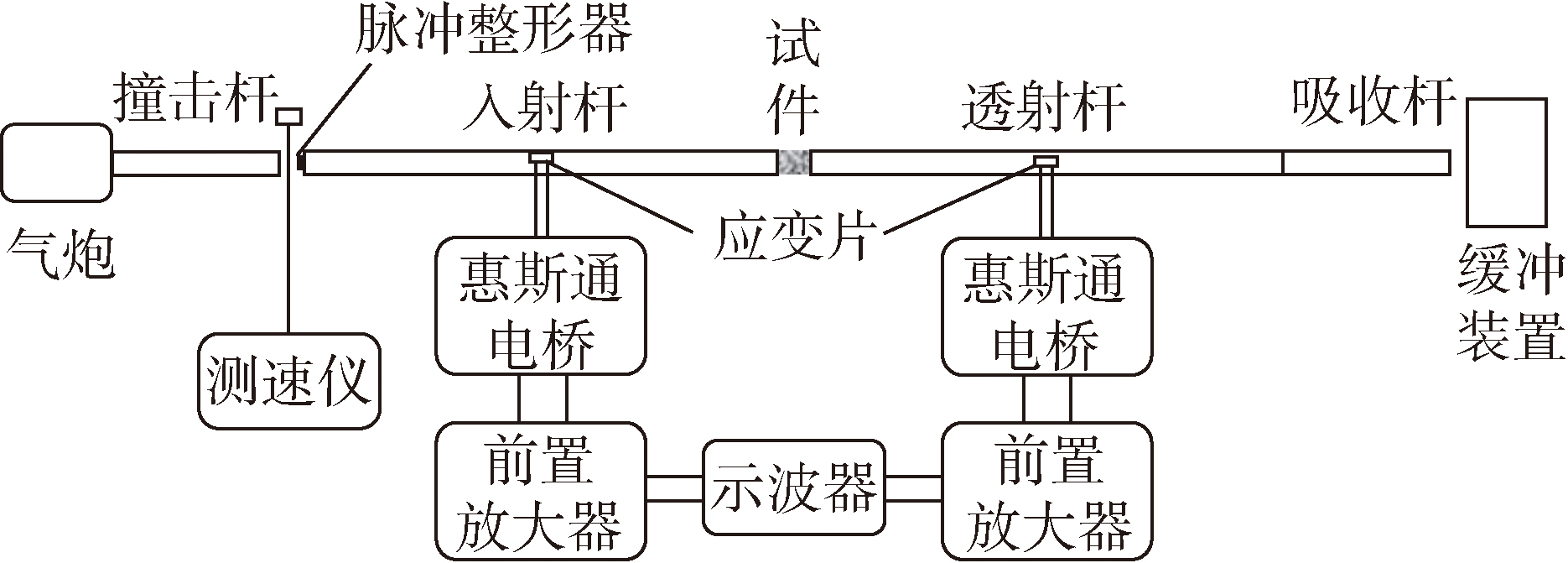
Fig.3 Schematic diagram of SHPB test device

Fig.4 The process of instantaneous change under theimpact of SHPB test

Fig.5 Damage effect of specimens at different impact velocities

Fig.6 Alignment of three waves and stress balance verification
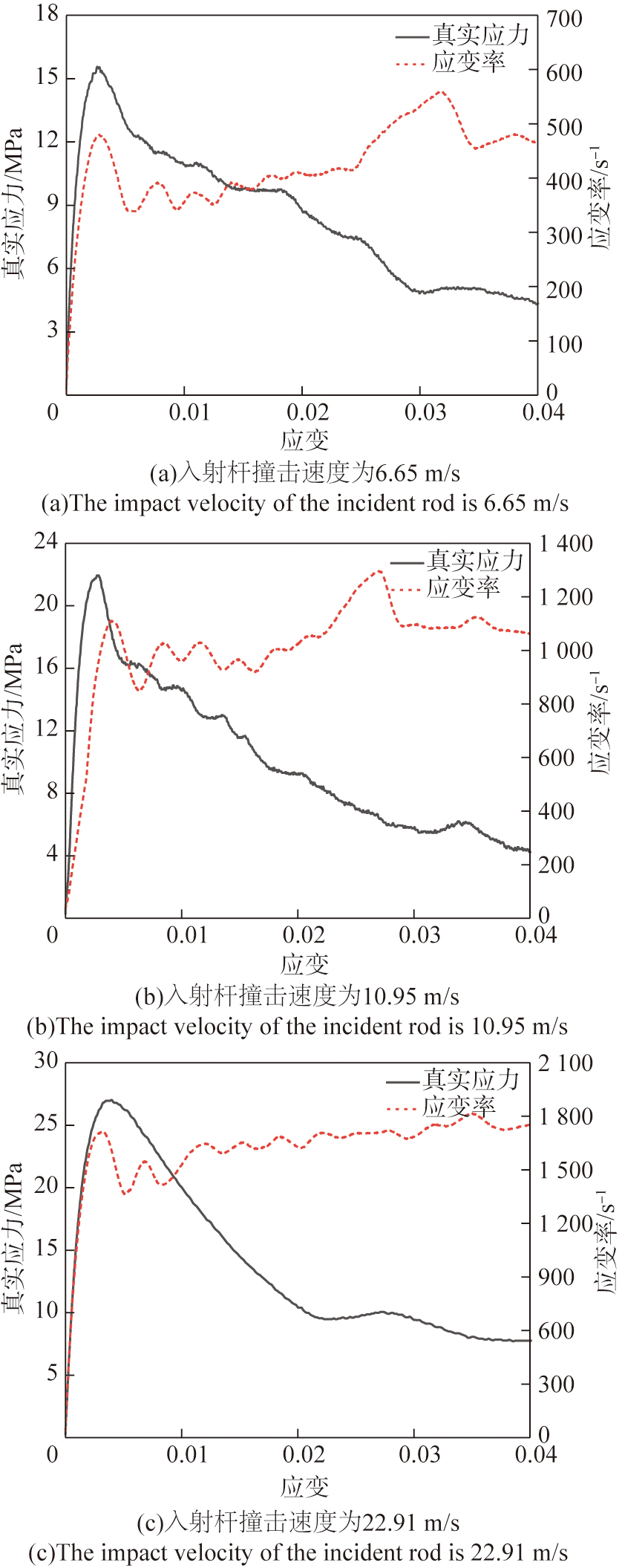
Fig.7 Stress-strain curves at different impact velocities
| 试件编号 | 撞击速度/(m·s-1) | 应变率/s-1 | 抗压强度/MPa |
|---|---|---|---|
| S-2 | 6.65 | 426 | 16.50 |
| S-3 | 10.95 | 1 150 | 21.94 |
| S-4 | 22.91 | 1 712 | 27.01 |
Table 1 The results of SHPB test
| 试件编号 | 撞击速度/(m·s-1) | 应变率/s-1 | 抗压强度/MPa |
|---|---|---|---|
| S-2 | 6.65 | 426 | 16.50 |
| S-3 | 10.95 | 1 150 | 21.94 |
| S-4 | 22.91 | 1 712 | 27.01 |
| 试件编号 | 应变率/s-1 | 抗压强度/MPa | DIF |
|---|---|---|---|
| S-0 | 1.7×10⁻³ | 12.31 | 1.000 |
| S-1 | 1.2×10⁻² | 12.54 | 1.019 |
| S-2 | 426 | 16.50 | 1.117 |
| S-3 | 1150 | 21.94 | 1.485 |
| S-4 | 1712 | 27.01 | 1.828 |
Table 2 Quasi-static and dynamic mechanical parameters for different strain rates
| 试件编号 | 应变率/s-1 | 抗压强度/MPa | DIF |
|---|---|---|---|
| S-0 | 1.7×10⁻³ | 12.31 | 1.000 |
| S-1 | 1.2×10⁻² | 12.54 | 1.019 |
| S-2 | 426 | 16.50 | 1.117 |
| S-3 | 1150 | 21.94 | 1.485 |
| S-4 | 1712 | 27.01 | 1.828 |
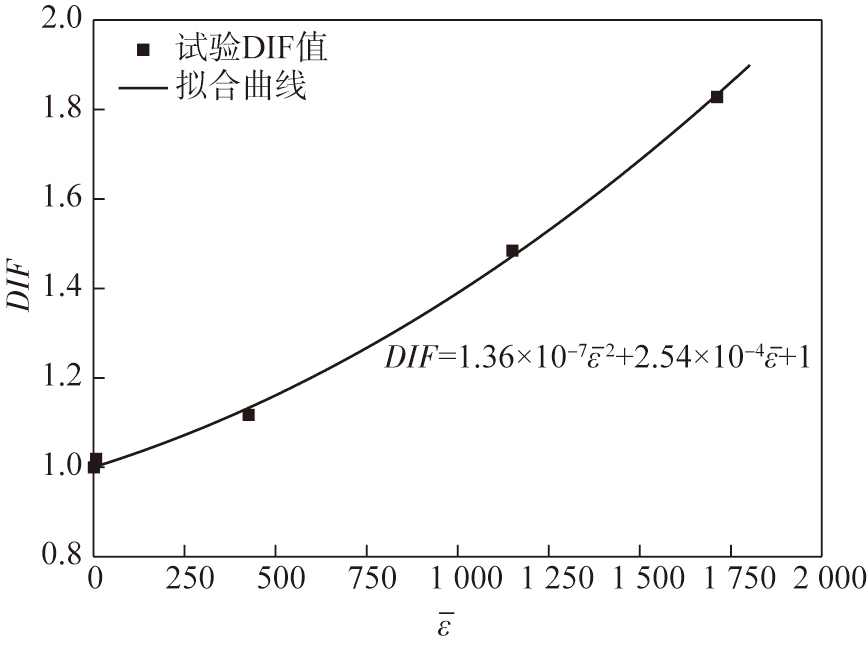

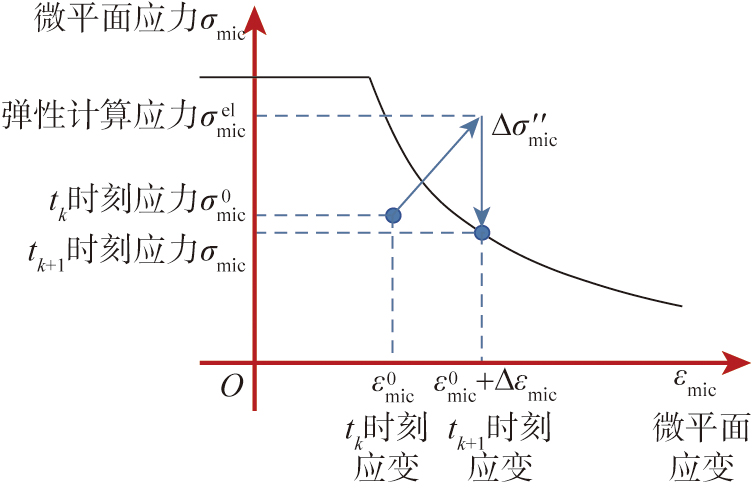
Fig.10 Stress-strain boundary principle of microplane model
| 参数 | 取值 | 含义 |
|---|---|---|
| E/GPa | 20 | 参考弹性模量 |
| c1 | 0.089 | 控制单轴拉伸强度 |
| c2 | 0.176 | 控制单轴拉伸曲线峰值点处曲线圆度 |
| c3 | 4 | 控制单轴拉伸曲线峰值后软化段的斜率 |
| c4 | 50 | 控制单轴压缩曲线峰值后软化末端斜率 |
| c5 | 3 500 | 控制压缩体积膨胀 |
| c6 | 20 | 控制压缩体积膨胀峰值点处曲线圆度 |
| c7 | 1 | 控制单轴压缩曲线初始后峰的斜率 |
| c8 | 8 | 控制后压缩曲线峰值强度 |
| c9 | 0.012 | 控制单轴压缩曲线峰值点处的曲线圆度 |
| c10 | 0.33 | 控制有效摩擦系数 |
| c11 | 0.5 | 摩擦响应中的初始黏聚力 |
| c12 | 2.36 | 控制黏聚力随拉伸体积应变发生改变 |
| c13 | 4500 | 控制拉伸时的卸载斜率 |
| c14 | 300 | 控制低静水压力下的卸载斜率 |
| c15 | 4000 | 控制卸载斜率在强约束与弱约束之间过度 |
| c16 | 60 | 控制高静水压力下的卸载斜率 |
| c17 | 1.4 | 控制拉伸强度 |
| c18/MPa | 62.5 | 控制压缩加载下的拉裂 |
| c19 | 1000 | 控制压缩引起的伸长软化率 |
| c20 | 1.8 | 控制高压下体积分量-偏分量耦合 |
| c21/MPa | 250 | 控制体积应力-应变边界上限值 |
Table 3 Values and meanings of fixed parameters of M7 model
| 参数 | 取值 | 含义 |
|---|---|---|
| E/GPa | 20 | 参考弹性模量 |
| c1 | 0.089 | 控制单轴拉伸强度 |
| c2 | 0.176 | 控制单轴拉伸曲线峰值点处曲线圆度 |
| c3 | 4 | 控制单轴拉伸曲线峰值后软化段的斜率 |
| c4 | 50 | 控制单轴压缩曲线峰值后软化末端斜率 |
| c5 | 3 500 | 控制压缩体积膨胀 |
| c6 | 20 | 控制压缩体积膨胀峰值点处曲线圆度 |
| c7 | 1 | 控制单轴压缩曲线初始后峰的斜率 |
| c8 | 8 | 控制后压缩曲线峰值强度 |
| c9 | 0.012 | 控制单轴压缩曲线峰值点处的曲线圆度 |
| c10 | 0.33 | 控制有效摩擦系数 |
| c11 | 0.5 | 摩擦响应中的初始黏聚力 |
| c12 | 2.36 | 控制黏聚力随拉伸体积应变发生改变 |
| c13 | 4500 | 控制拉伸时的卸载斜率 |
| c14 | 300 | 控制低静水压力下的卸载斜率 |
| c15 | 4000 | 控制卸载斜率在强约束与弱约束之间过度 |
| c16 | 60 | 控制高静水压力下的卸载斜率 |
| c17 | 1.4 | 控制拉伸强度 |
| c18/MPa | 62.5 | 控制压缩加载下的拉裂 |
| c19 | 1000 | 控制压缩引起的伸长软化率 |
| c20 | 1.8 | 控制高压下体积分量-偏分量耦合 |
| c21/MPa | 250 | 控制体积应力-应变边界上限值 |
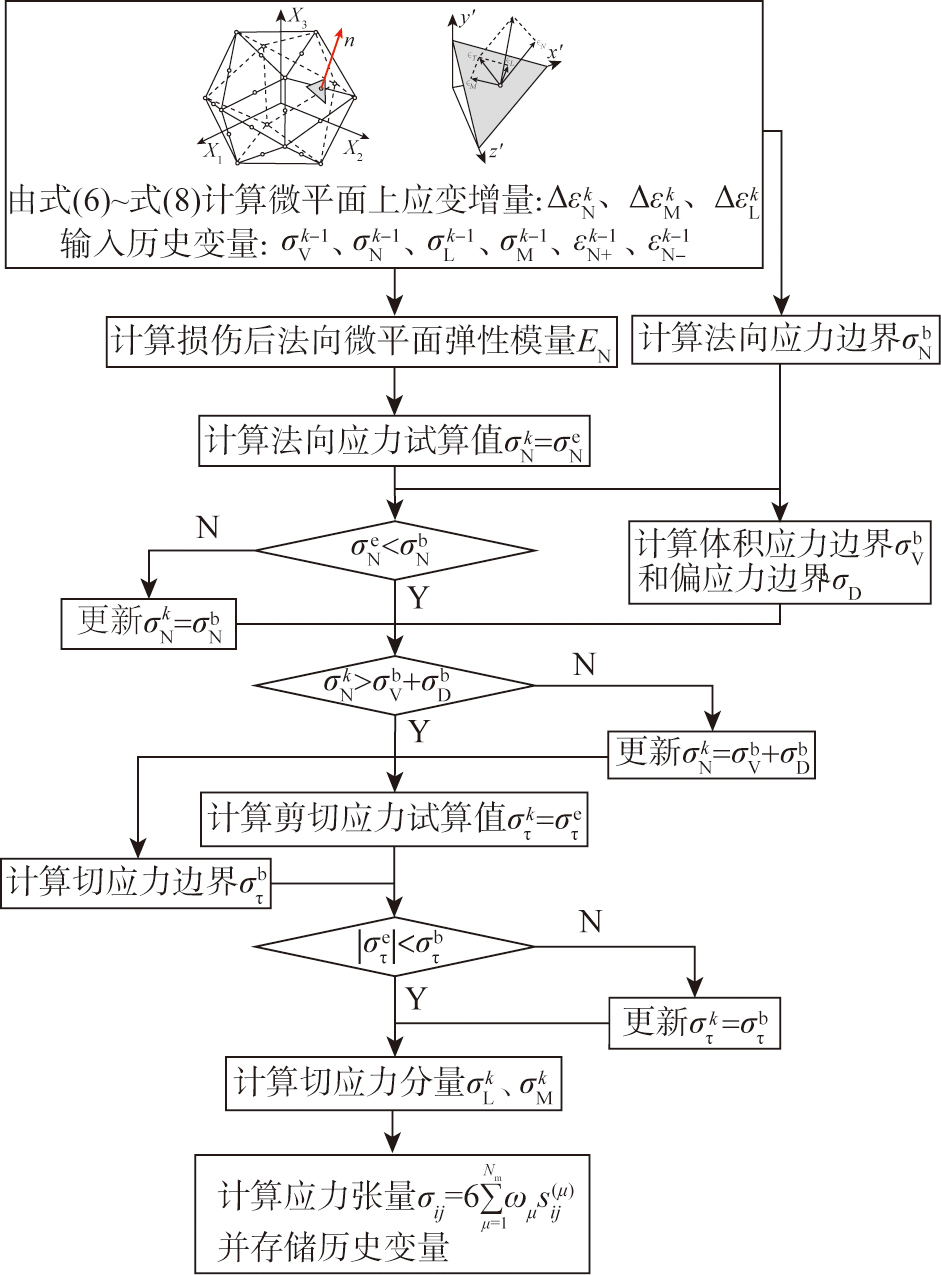
Fig.11 Calculation process of microplane model
| 参数 | 取值 | 含义 |
|---|---|---|
| k1 | 7.0×10⁻⁴ | 径向缩放参数 |
| k2 | 110 | 控制摩擦边界中的水平渐近线 |
| k3 | 25 | 控制体积边界的形状 |
| k4 | 40 | 控制体积边界的形状 |
| k5 | 0.5×10⁻⁴ | 控制低压下体积分量-偏分量耦合 |
Table 4 Parameters of MICP-treated calcareous sand
| 参数 | 取值 | 含义 |
|---|---|---|
| k1 | 7.0×10⁻⁴ | 径向缩放参数 |
| k2 | 110 | 控制摩擦边界中的水平渐近线 |
| k3 | 25 | 控制体积边界的形状 |
| k4 | 40 | 控制体积边界的形状 |
| k5 | 0.5×10⁻⁴ | 控制低压下体积分量-偏分量耦合 |
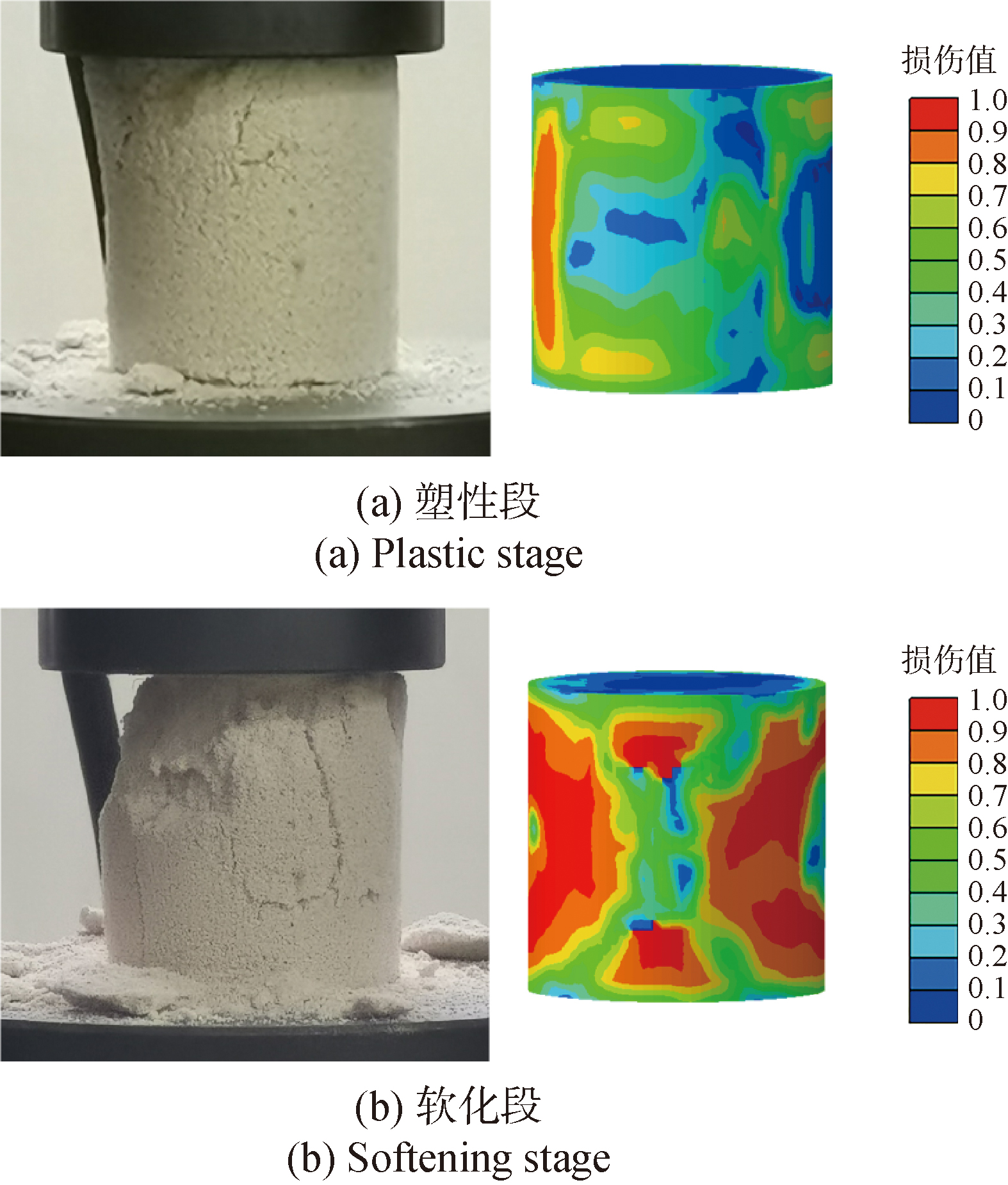
Fig.12 Comparison of uniaxial compression test results (left) and simulated results (right)

Fig.13 Simulation model for SHPB

Fig.14 Numerical simulated results of SHPB at different velocities

Fig.15 Simulation model for penetrating into MICP-treated calcareous sand 3.5 侵彻仿真结果分析

Fig.16 Evolution of von-Mises stress for projectile penetration process at different moments

Fig.17 Penetration-induced target damage contour
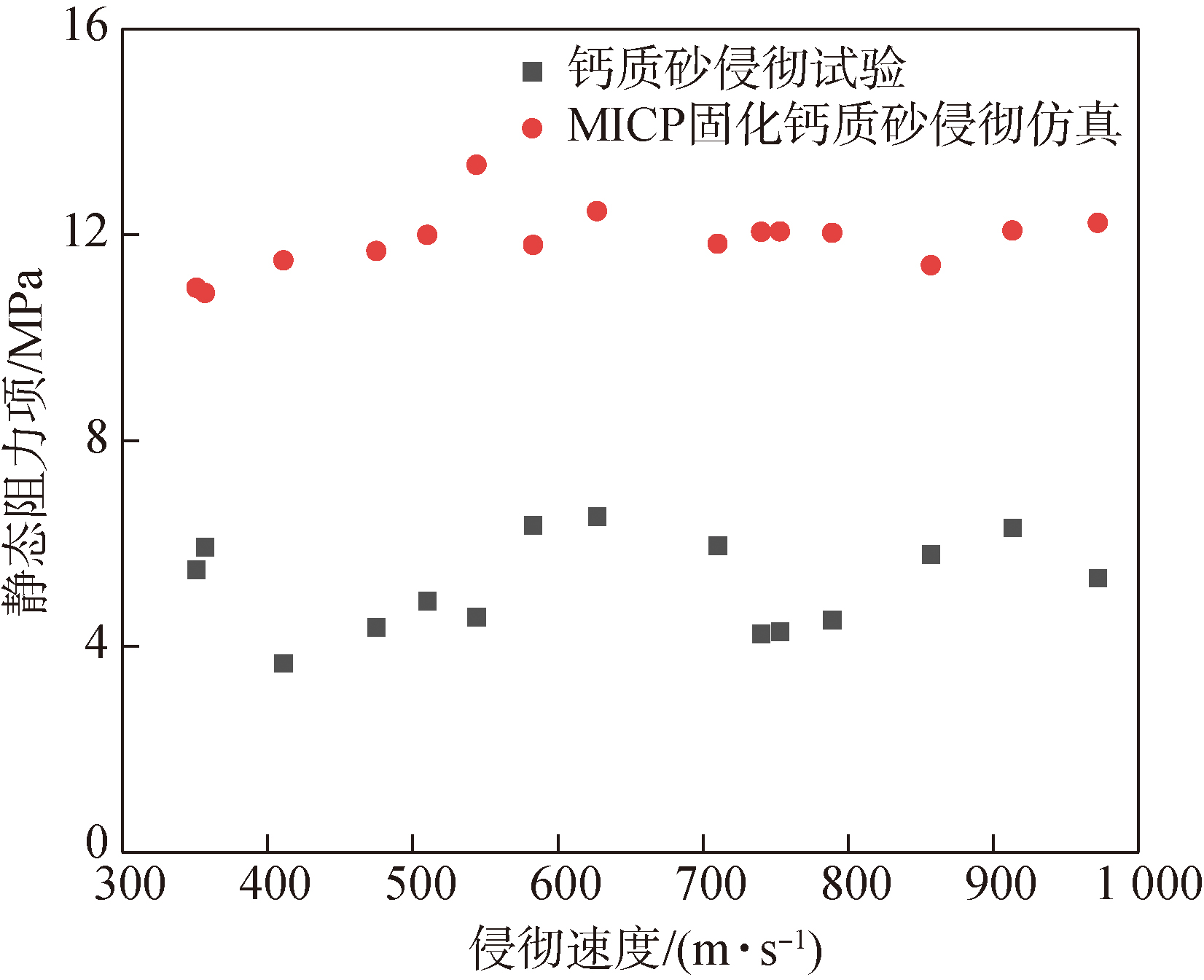
Fig.18 Comparison of penetration static resistances before and after MICP-treating for calcareous sand

Fig.19 Comparison of penetration simulation and theory results
| 炮次 | 弹体质量/g | 侵彻速度/ (m·s-1) | 侵彻深度/mm | 侵彻深度减 小比例β/% | 靶体静态阻力项/MPa | |||
|---|---|---|---|---|---|---|---|---|
| 钙质砂 | MICP固化钙质砂/应变率效应贡献 | 钙质砂 | MICP固化钙质砂 | |||||
| 1 | 79.95 | 351 | 860 | 522/7.3% | 39.30 | 5.49 | 10.96 | |
| 2 | 80.14 | 357 | 850 | 531/7.0% | 37.48 | 5.93 | 10.87 | |
| 3 | 80.03 | 411 | 1 060 | 571/5.1% | 46.12 | 3.67 | 11.50 | |
| 4 | 79.87 | 475 | 1090 | 620/4.6% | 43.12 | 4.37 | 11.69 | |
| 5 | 79.94 | 510 | 1100 | 642/4.5% | 41.62 | 4.88 | 11.99 | |
| 6 | 79.95 | 544 | 1155 | 646/4.5% | 44.03 | 4.57 | 13.36 | |
| 7 | 79.85 | 583 | 1100 | 694/4.3% | 36.91 | 6.35 | 11.80 | |
| 8 | 79.95 | 627 | 1135 | 712/4.1% | 37.27 | 6.52 | 12.46 | |
| 9 | 79.90 | 710 | 1230 | 768/3.5% | 37.56 | 5.96 | 11.83 | |
| 10 | 79.90 | 740 | 1350 | 780/3.4% | 42.21 | 4.24 | 12.05 | |
| 11 | 80.06 | 753 | 1360 | 788/3.3% | 42.04 | 4.28 | 12.06 | |
| 12 | 79.95 | 789 | 1370 | 805/3.2% | 41.27 | 4.51 | 12.04 | |
| 13 | 80.19 | 857 | 1350 | 849/2.9% | 37.12 | 5.79 | 11.41 | |
| 14 | 80.08 | 913 | 1360 | 861/2.8% | 36.69 | 6.30 | 12.08 | |
| 15 | 79.86 | 972 | 1440 | 880/2.7% | 38.92 | 5.33 | 12.23 | |
Table 5 Comparison of the penetration test results of calcareous sand and the simulated results of MICP-treated calcareous sand
| 炮次 | 弹体质量/g | 侵彻速度/ (m·s-1) | 侵彻深度/mm | 侵彻深度减 小比例β/% | 靶体静态阻力项/MPa | |||
|---|---|---|---|---|---|---|---|---|
| 钙质砂 | MICP固化钙质砂/应变率效应贡献 | 钙质砂 | MICP固化钙质砂 | |||||
| 1 | 79.95 | 351 | 860 | 522/7.3% | 39.30 | 5.49 | 10.96 | |
| 2 | 80.14 | 357 | 850 | 531/7.0% | 37.48 | 5.93 | 10.87 | |
| 3 | 80.03 | 411 | 1 060 | 571/5.1% | 46.12 | 3.67 | 11.50 | |
| 4 | 79.87 | 475 | 1090 | 620/4.6% | 43.12 | 4.37 | 11.69 | |
| 5 | 79.94 | 510 | 1100 | 642/4.5% | 41.62 | 4.88 | 11.99 | |
| 6 | 79.95 | 544 | 1155 | 646/4.5% | 44.03 | 4.57 | 13.36 | |
| 7 | 79.85 | 583 | 1100 | 694/4.3% | 36.91 | 6.35 | 11.80 | |
| 8 | 79.95 | 627 | 1135 | 712/4.1% | 37.27 | 6.52 | 12.46 | |
| 9 | 79.90 | 710 | 1230 | 768/3.5% | 37.56 | 5.96 | 11.83 | |
| 10 | 79.90 | 740 | 1350 | 780/3.4% | 42.21 | 4.24 | 12.05 | |
| 11 | 80.06 | 753 | 1360 | 788/3.3% | 42.04 | 4.28 | 12.06 | |
| 12 | 79.95 | 789 | 1370 | 805/3.2% | 41.27 | 4.51 | 12.04 | |
| 13 | 80.19 | 857 | 1350 | 849/2.9% | 37.12 | 5.79 | 11.41 | |
| 14 | 80.08 | 913 | 1360 | 861/2.8% | 36.69 | 6.30 | 12.08 | |
| 15 | 79.86 | 972 | 1440 | 880/2.7% | 38.92 | 5.33 | 12.23 | |
| [1] |
张旭浩, 李科斌, 孙渊博, 等. 基于压导式连续电阻探针的珊瑚砂冲击Hugoniot曲线测试方法研究[J]. 兵工学报, 2025, 46(7):240584.
doi: 10.12382/bgxb.2024.0584 |
|
doi: 10.12382/bgxb.2024.0584 |
|
| [2] |
刘汉龙, 马国梁, 肖杨, 等. 微生物加固岛礁地基现场试验研究[J]. 地基处理, 2019, 1(1):26-31.
|
|
|
|
| [3] |
doi: 10.1016/j.bgtech.2024.100087 URL |
| [4] |
doi: 10.1016/j.conbuildmat.2024.137489 URL |
| [5] |
刘汉龙. 生物建造体系与展望[J]. 土木与环境工程学报(中英文), 2024, 46(4):1-22.
|
|
|
|
| [6] |
doi: 10.3390/ma17235696 URL |
| [7] |
刘汉龙, 肖鹏, 肖杨, 等. MICP胶结钙质砂动力特性试验研究[J]. 岩土工程学报, 2018, 40(1):38-45.
|
|
|
|
| [8] |
张磊, 杨俊杰, 王子玉. MICP胶结钙质砂长期变形特性试验研究[J]. 海洋湖沼通报, 2023, 45(6):19-26.
doi: 10.13984/j.cnki.cn37-1141.2023.06.003 |
|
doi: 10.13984/j.cnki.cn37-1141.2023.06.003 |
|
| [9] |
肖鹏, 刘汉龙, 史金权, 等. 微生物加固钙质砂地基动力响应特性研究[J]. 岩土工程学报, 2023, 45(6):1303-1313.
|
|
|
|
| [10] |
张鑫磊, 陈育民, 张喆, 等. 微生物灌浆加固可液化钙质砂地基的振动台试验研究[J]. 岩土工程学报, 2020, 42(6):1023-1031.
|
|
|
|
| [11] |
|
| [12] |
doi: 10.3390/jmse11040819 URL |
| [13] |
doi: 10.1061/(ASCE)EM.1943-7889.0000570 URL |
| [14] |
doi: 10.1007/s10704-019-00354-0 |
| [15] |
段安, 张大伟, ALNAGGAR M. 微平面模型模拟ASR作用下混凝土力学行为[J]. 浙江大学学报(工学版), 2015, 49(10):1939-1945.
|
|
|
|
| [16] |
doi: 10.2320/matertrans.M-M2015820 URL |
| [17] |
doi: 10.1016/j.ijimpeng.2021.103893 URL |
| [18] |
高光发. 混凝土材料动态压缩强度的应变率强化规律[J]. 高压物理学报, 2017, 31(3):261-270.
|
|
|
|
| [19] |
高光发. 动态压缩下混凝土应变率效应压力与横向效应的影响与校正[J]. 北京理工大学学报, 2020, 40(2):135-142,149.
|
|
|
|
| [20] |
黎晓冬, 王亚松, 邱艳宇, 等. 爆炸荷载作用下三相饱和钙质砂的液化特性[J]. 兵工学报, 2023, 44(增刊1):170-179.
|
|
doi: 10.12382/bgxb.2023.0739 |
|
| [21] |
doi: 10.1061/(ASCE)EM.1943-7889.0000571 URL |
| [22] |
苗伟伟, 邱艳宇, 程怡豪, 等. 钙质砂侵彻试验与理论研究[J]. 振动与冲击, 2019, 38(17):232-237.
|
|
|
|
| [23] |
doi: 10.1007/s10035-024-01440-4 |
| [24] |
doi: 10.1016/j.ijimpeng.2015.04.007 URL |
| [25] |
刘志林, 孙巍巍, 王晓鸣, 等. 基于盖帽模型的混凝土动态球型空腔膨胀模型和侵彻阻力分析[J]. 兵工学报, 2015, 36(12):2209-2216.
doi: 10.3969/j.issn.1000-1093.2015.12.001 |
|
|
|
| [26] |
doi: 10.1016/j.ijimpeng.2018.09.005 URL |
| [1] | ZHANG Zhonghao, WANG Wei, ZHANG Guokai, WANG Zhen, WU Gu. Study on Deterioration and Damage Performance of Concrete at Different High Temperatures [J]. Acta Armamentarii, 2023, 44(S1): 152-159. |
| Viewed | ||||||
|
Full text |
|
|||||
|
Abstract |
|
|||||
