


Responsible Institution: China Association for Science and Technology
Sponsor: China Ordnance Society
ISSN 1000-1093 CN 11-2176/TJ
Sponsor: China Ordnance Society
ISSN 1000-1093 CN 11-2176/TJ
Acta Armamentarii ›› 2025, Vol. 46 ›› Issue (10): 250442-.doi: 10.12382/bgxb.2025.0442
Previous Articles Next Articles
WU Hao1, XU Peng1, CHEN De2,*( )
)
Received:2025-06-03
Online:2025-11-05
Contact:
CHEN De
WU Hao, XU Peng, CHEN De. Design of Compressed Air-drivenVariable-sectional Shock Tube for Simulating Air Explosion Shock Wave[J]. Acta Armamentarii, 2025, 46(10): 250442-.
Add to citation manager EndNote|Ris|BibTeX

Fig.1 Variable-sectional shock tubes at different universities

Fig.2 1D Sod shock tube

Fig.3 Comparisons of simulation results with analytical solutions
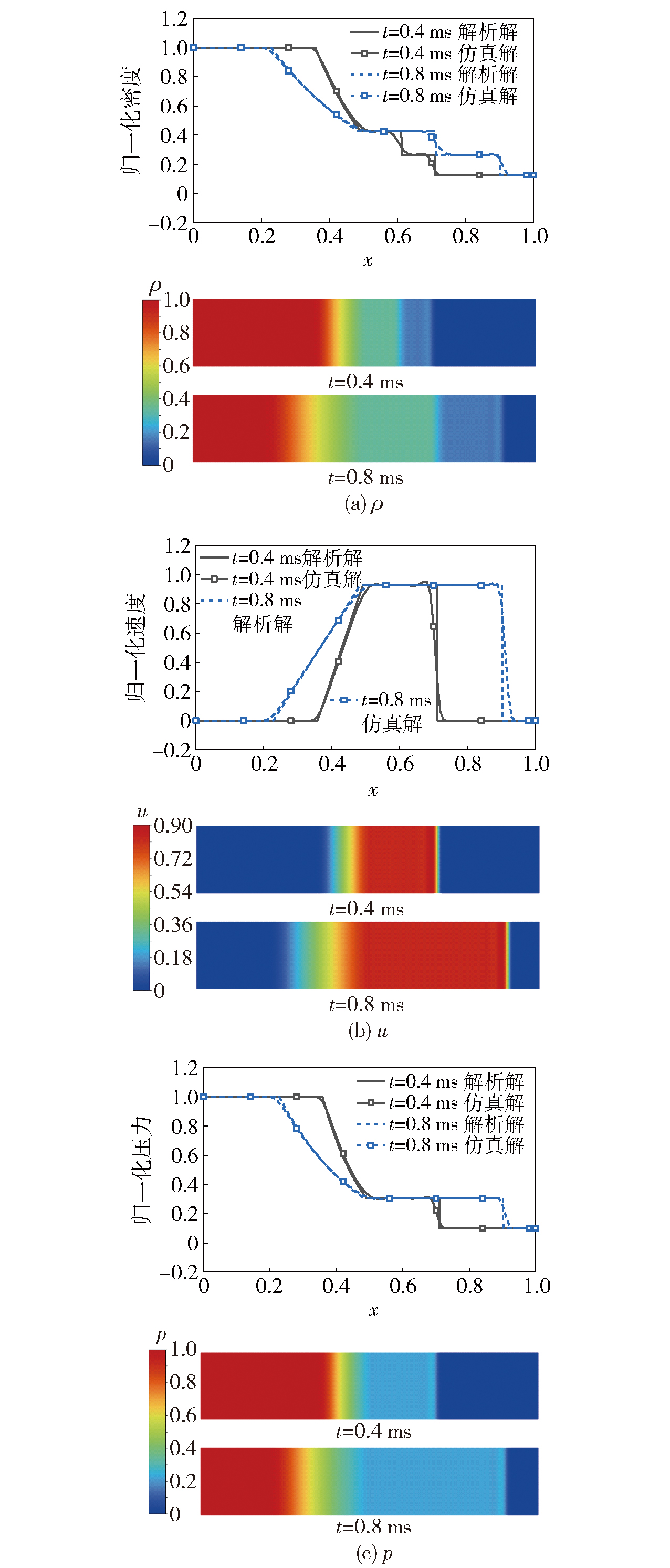
Fig.4 Comparisons of simulation results with analytical solutions

Fig.5 Equi-diametric shock tube

Fig.6 Comparisons of numerical simulation results and test data
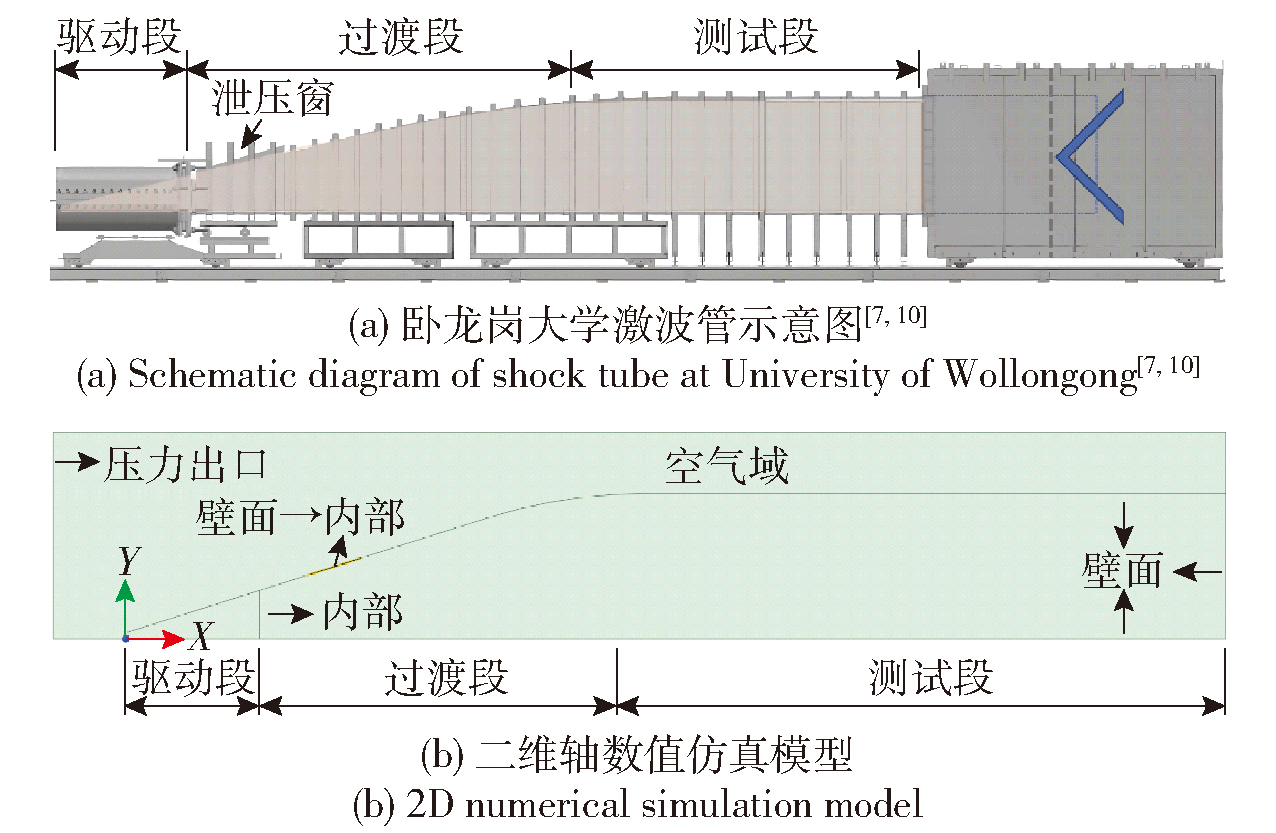
Fig.7 Variable-sectional shock tube
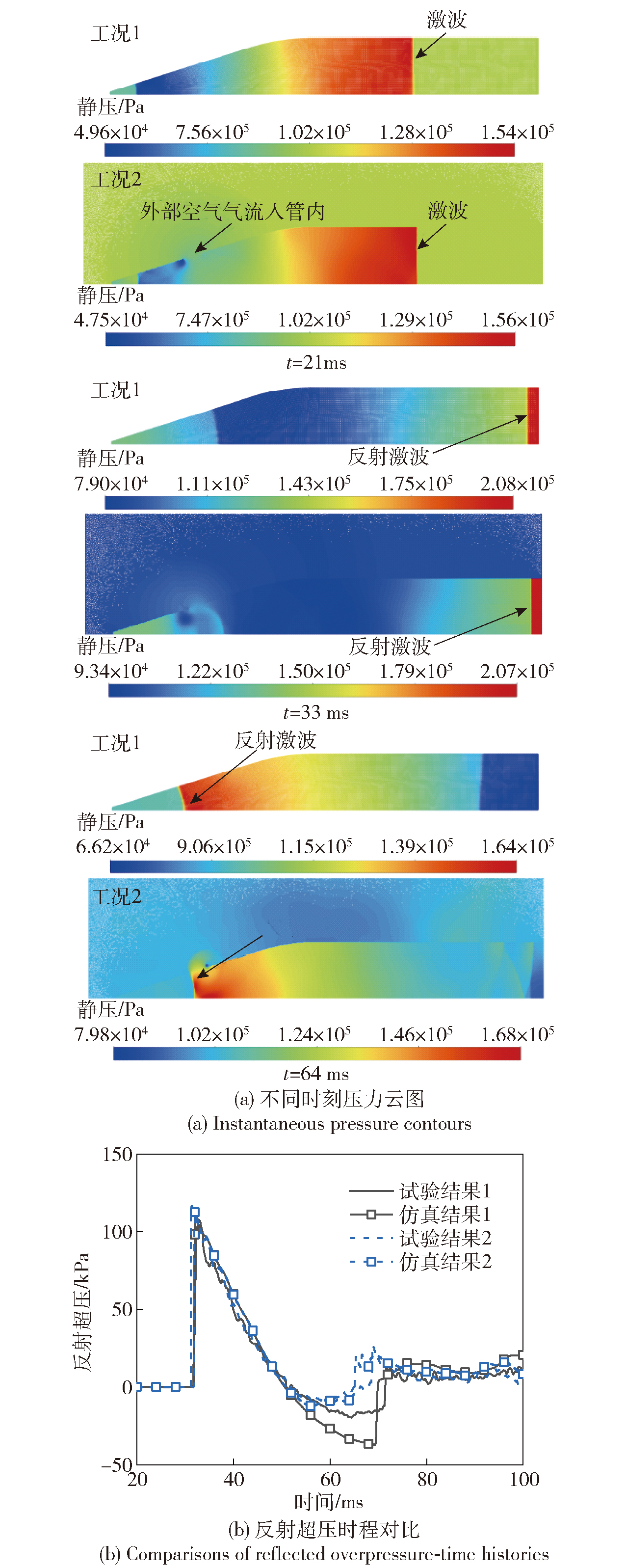
Fig.8 Comparisons of numerical simulation results and test data

Fig.9 Variable-sectional shock tube and numerical simulation model
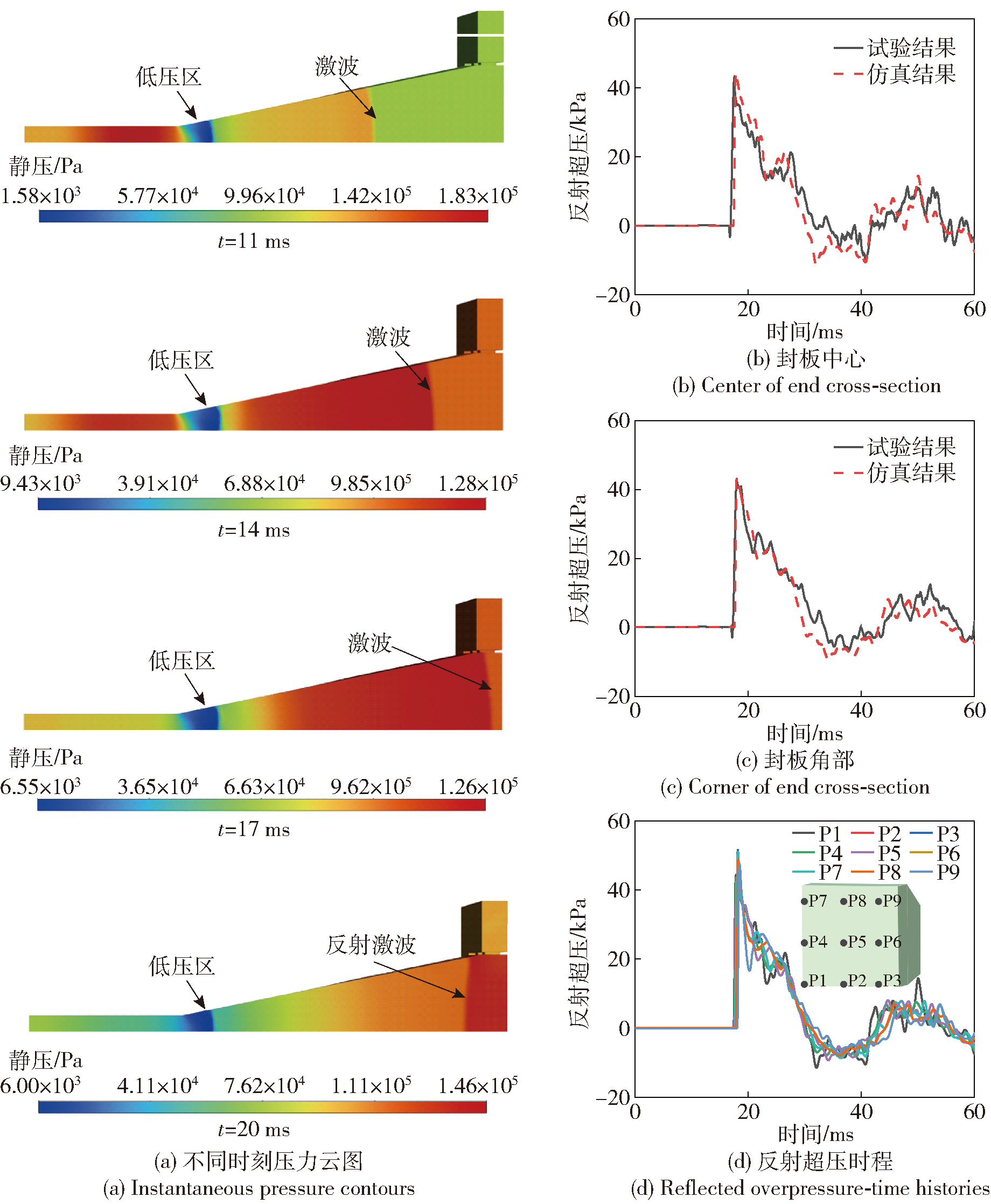
Fig.10 Comparisons of numerical simulation results and test data
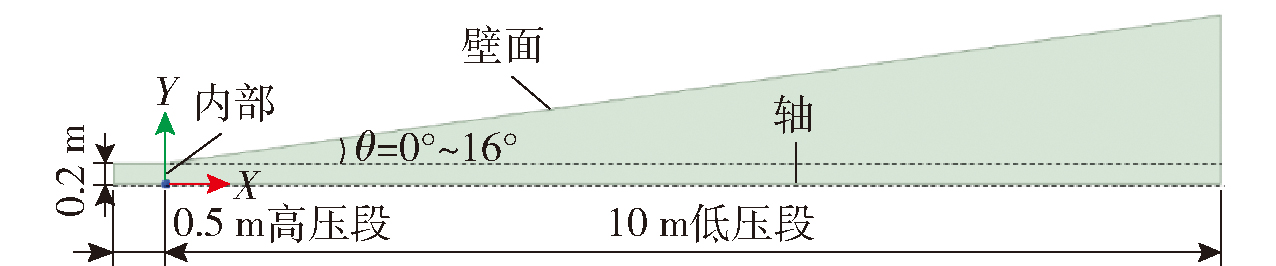
Fig.11 Axisymmetric numerical simulation model of variable-sectional shock tube
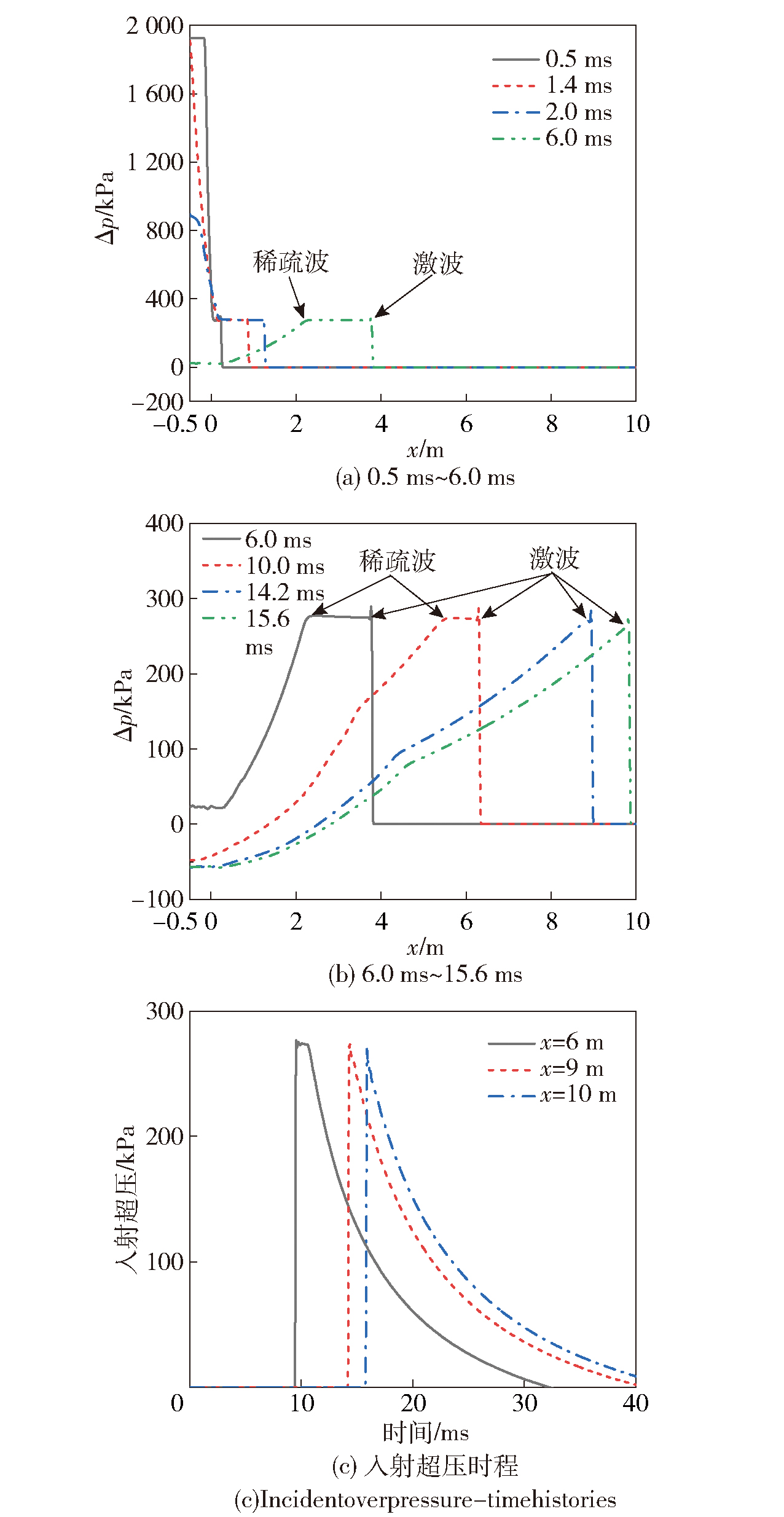
Fig.12 Instantaneous pressure distribution inside the equi-diametric shock tube and corresponding incident overpressure-time histories
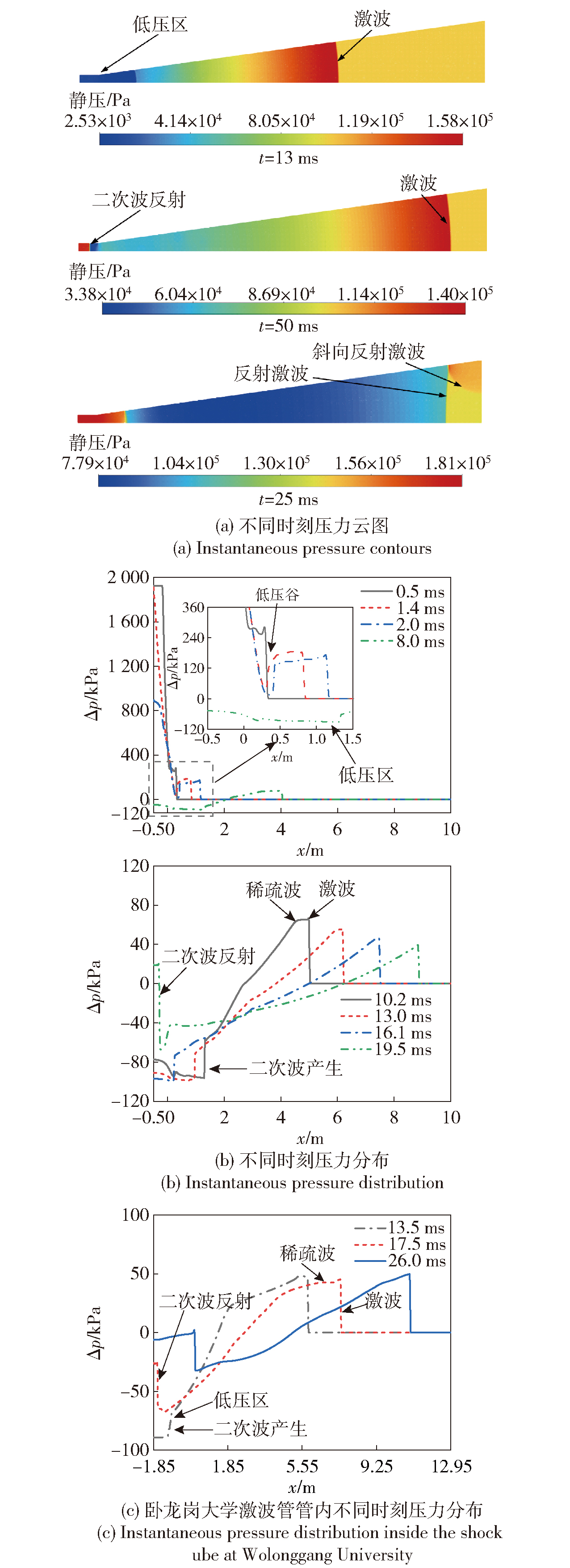
Fig.13 Pressure propagation and distribution inside the variable-sectional shock tube
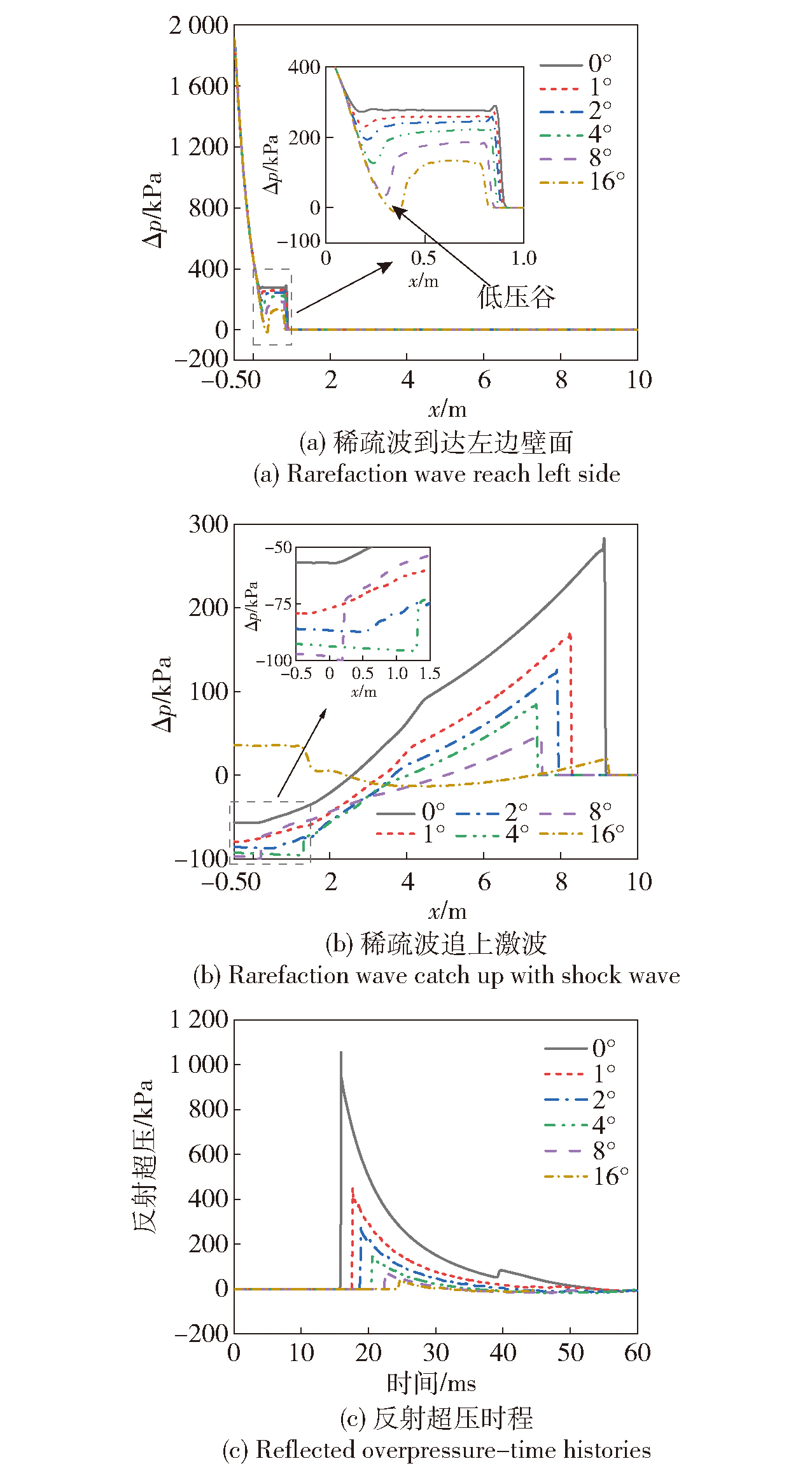
Fig.14 Instantaneous pressure distribution inside the variable-sectional shock tube with different expanded angle and corresponding reflected overpressure-time histories

Fig.15 Pressure and vorticity contours of the variable-sectional shock tube
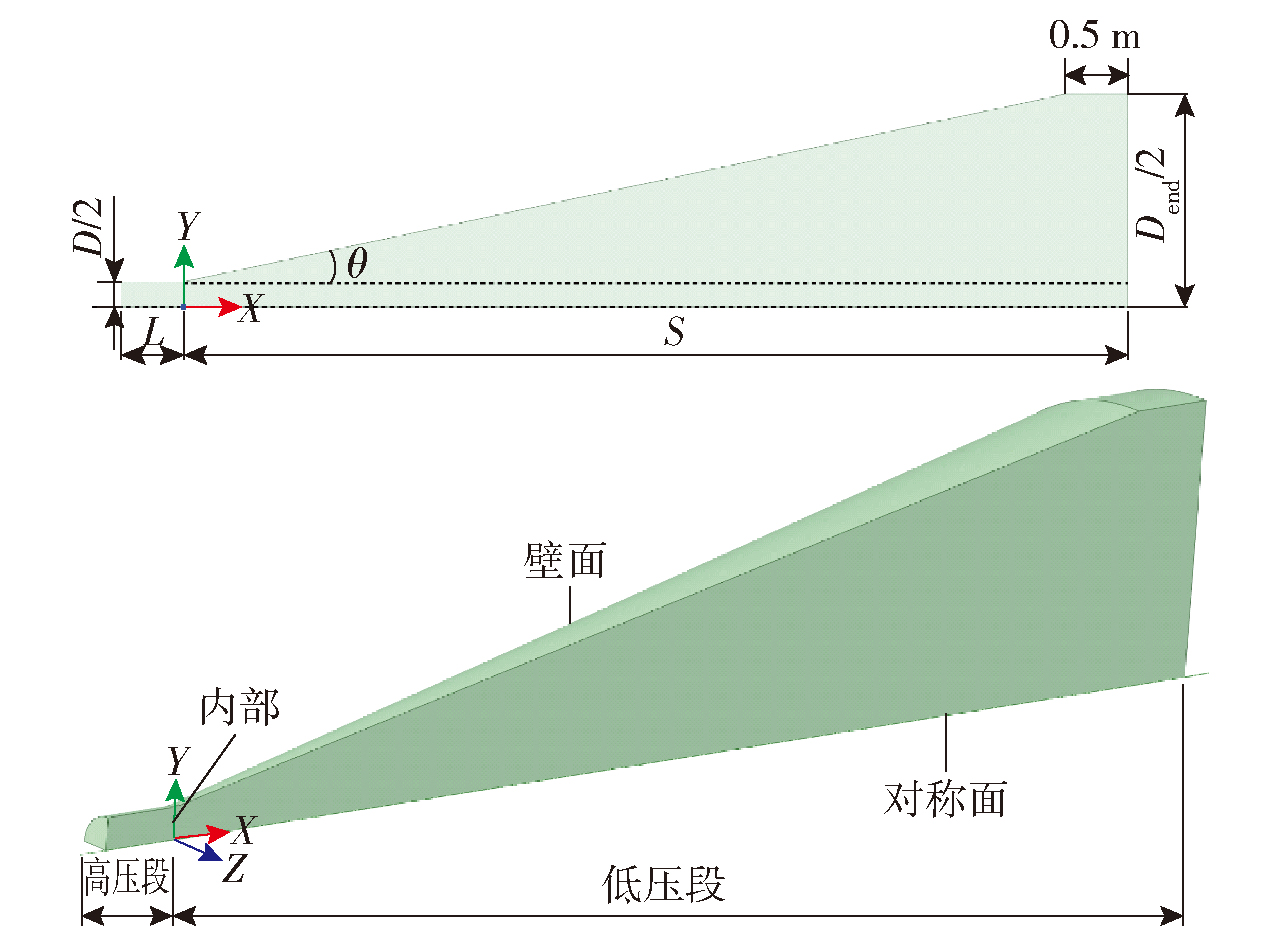
Fig.16 Numerical simulation model of variable-sectional shock tube

Fig.17 Reflected overpressure-time histories at the formation location of air explosion shock wave

Fig.18 Air explosion shock wave formation locations and corresponding peak reflected overpressures
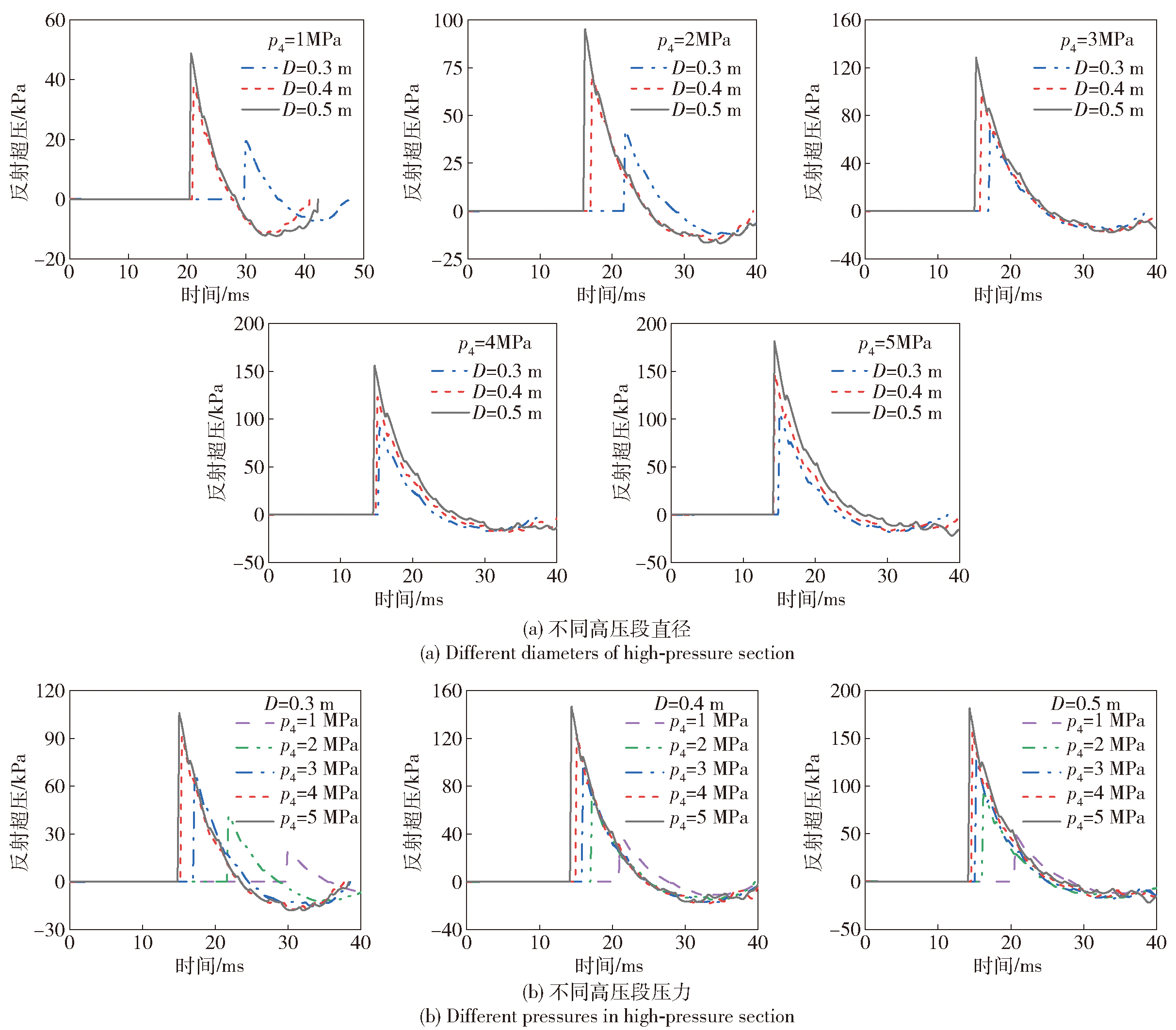
Fig.19 Reflected overpressure-time histories at the formation location of air explosion shock wave

Fig.20 Air explosion shock wave formation locations and corresponding peak reflected overpressures
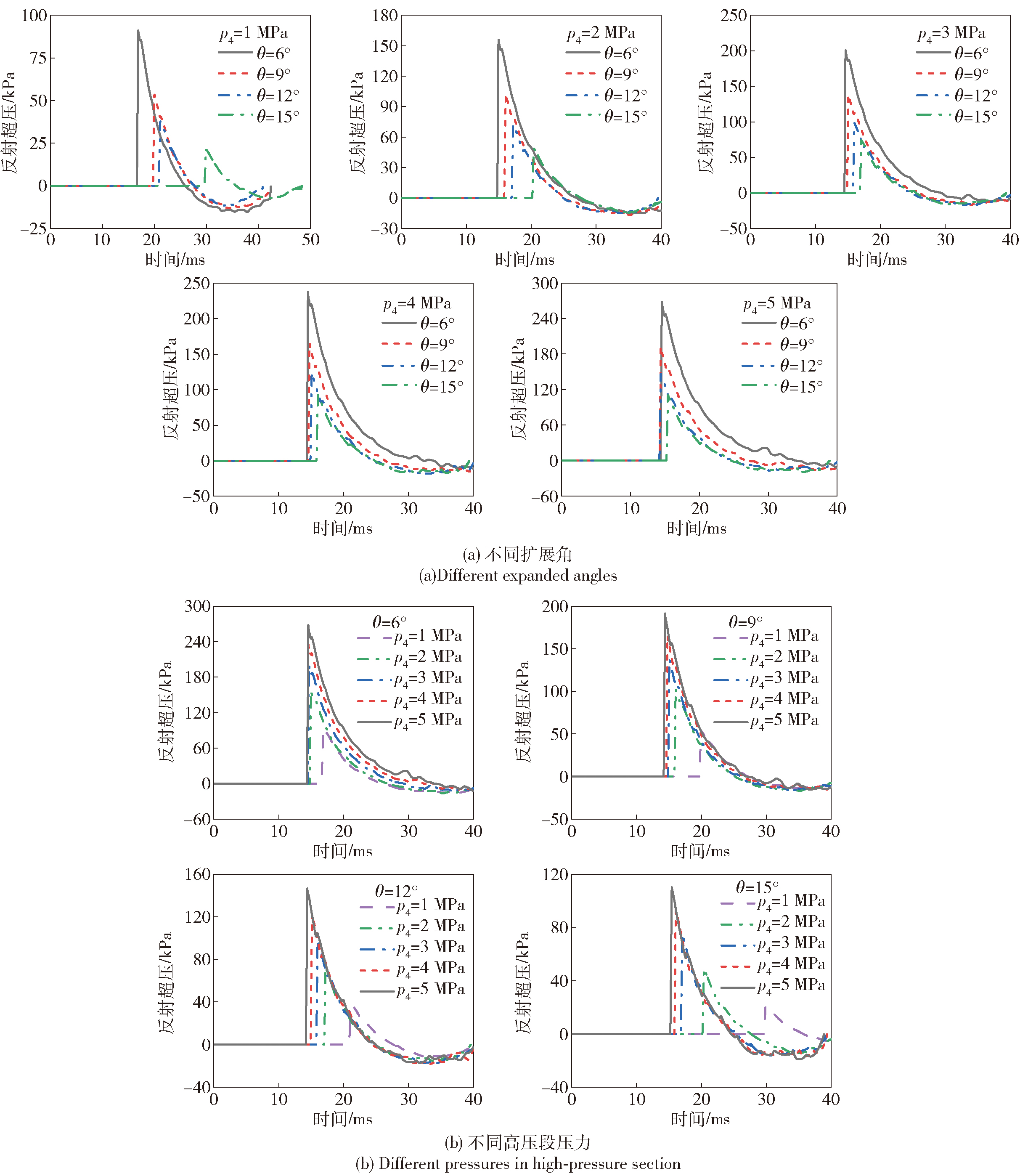
Fig.21 Reflected overpressure-time histories at the formation location of air explosion shock wave
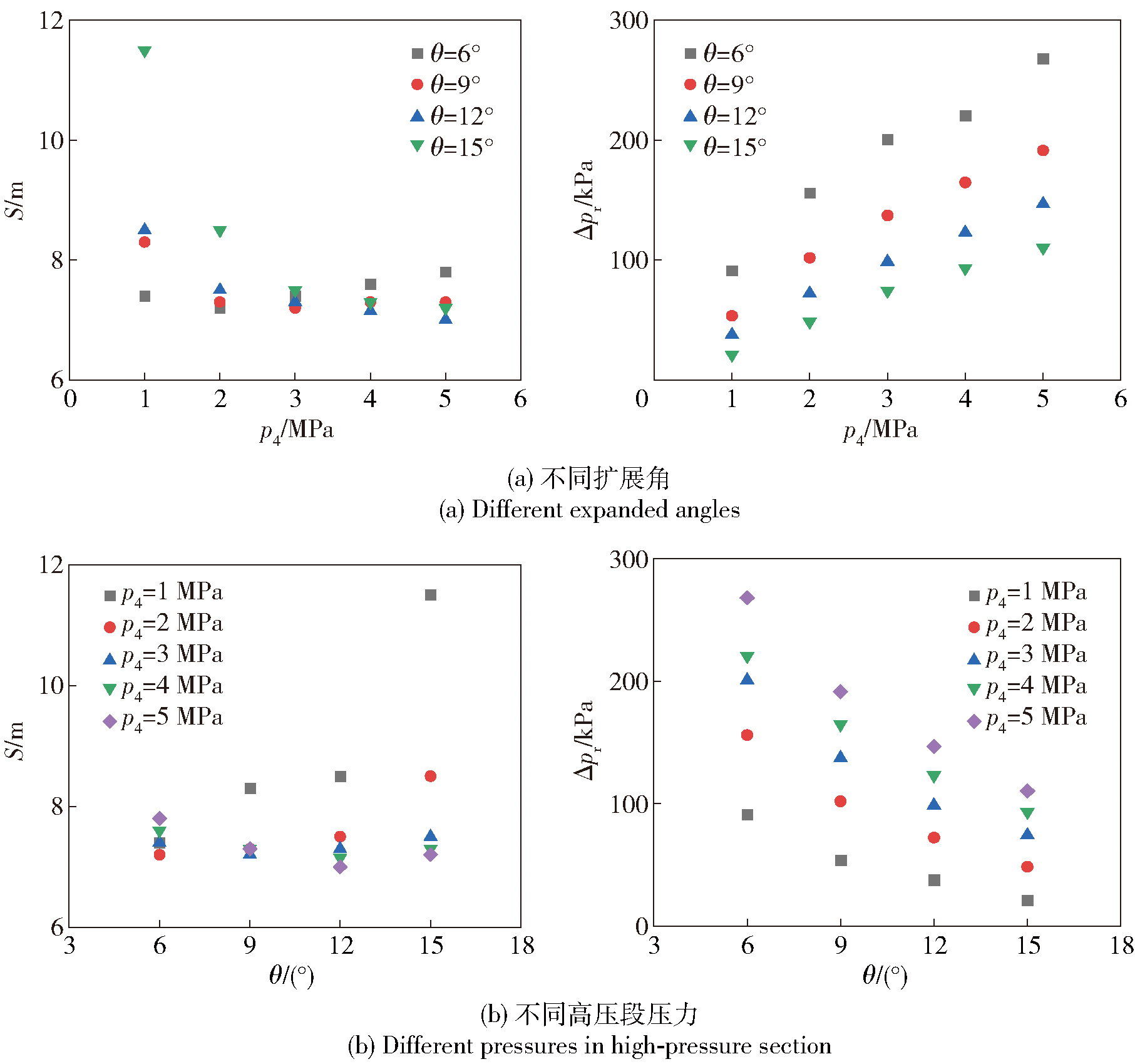
Fig.22 Air explosion shock wave formation locations and corresponding peak reflected overpressures
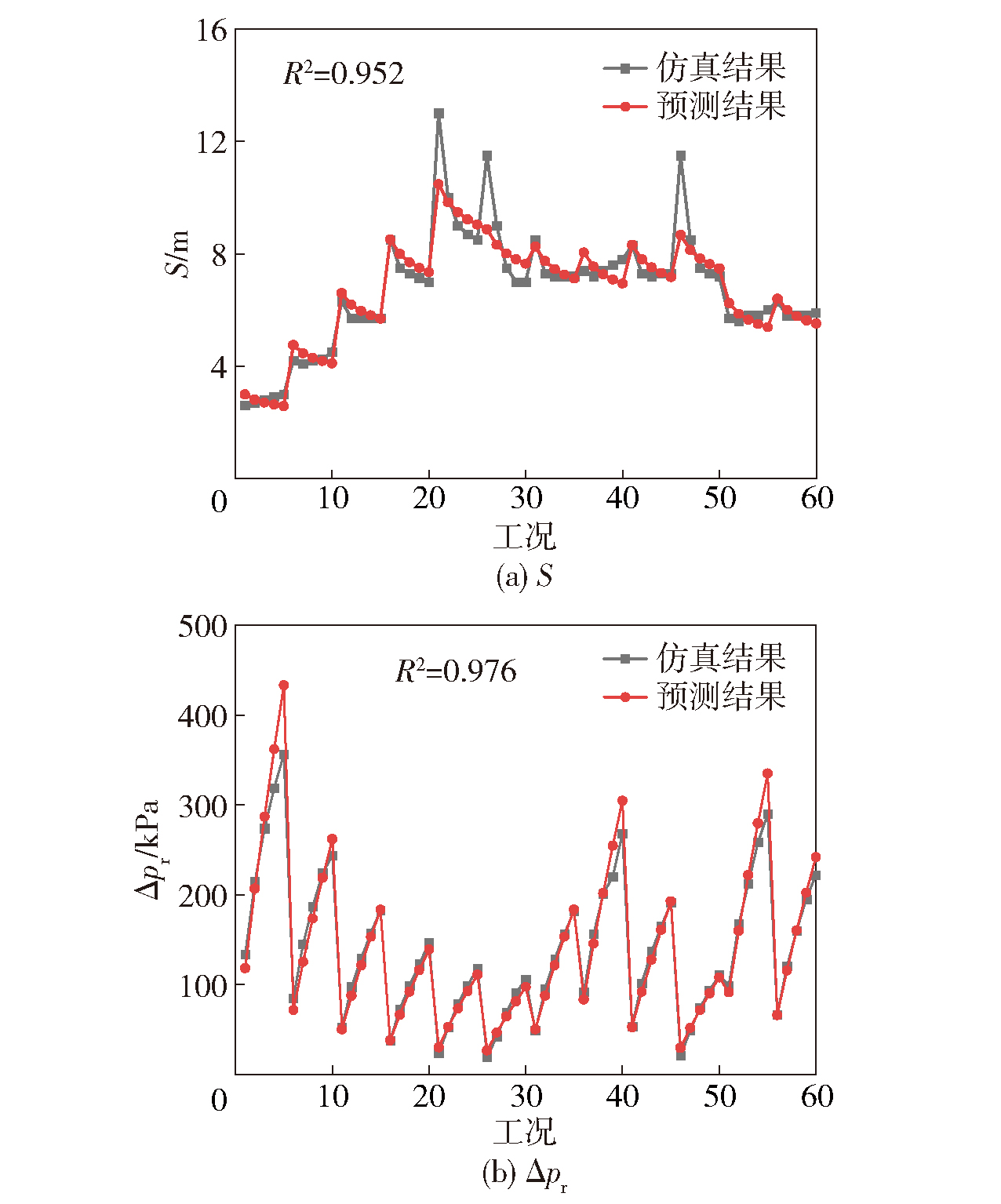
Fig.23 Comparisons of empirical formula predictions with simulation results
| 激波管 | D/m | θ/(°) | S/m | L/m | Dend/m | p4/MPa |
|---|---|---|---|---|---|---|
| A | 0.5 | 9 | 8.5 | 0.55 | 3 | 2 |
| B | 0.5 | 11 | 7 | 0.5 | 3 | 5 |
| C | 0.5 | 7 | 7 | 0.51 | 2 | 5 |
Table 1 Variable-sectional shock tube design parameters
| 激波管 | D/m | θ/(°) | S/m | L/m | Dend/m | p4/MPa |
|---|---|---|---|---|---|---|
| A | 0.5 | 9 | 8.5 | 0.55 | 3 | 2 |
| B | 0.5 | 11 | 7 | 0.5 | 3 | 5 |
| C | 0.5 | 7 | 7 | 0.51 | 2 | 5 |
| 激波管 | 式(10)预测Δpr/kPa | 数值仿真Δpr/kPa | 相对误差/% |
|---|---|---|---|
| A | 107.8 | 103.4 | 4.2 |
| B | 202.5 | 200.8 | 0.84 |
| C | 329.6 | 312.2 | 5.6 |
Table 2 Comparison of numerical simulation analysis results and Eq. (10) predictions
| 激波管 | 式(10)预测Δpr/kPa | 数值仿真Δpr/kPa | 相对误差/% |
|---|---|---|---|
| A | 107.8 | 103.4 | 4.2 |
| B | 202.5 | 200.8 | 0.84 |
| C | 329.6 | 312.2 | 5.6 |
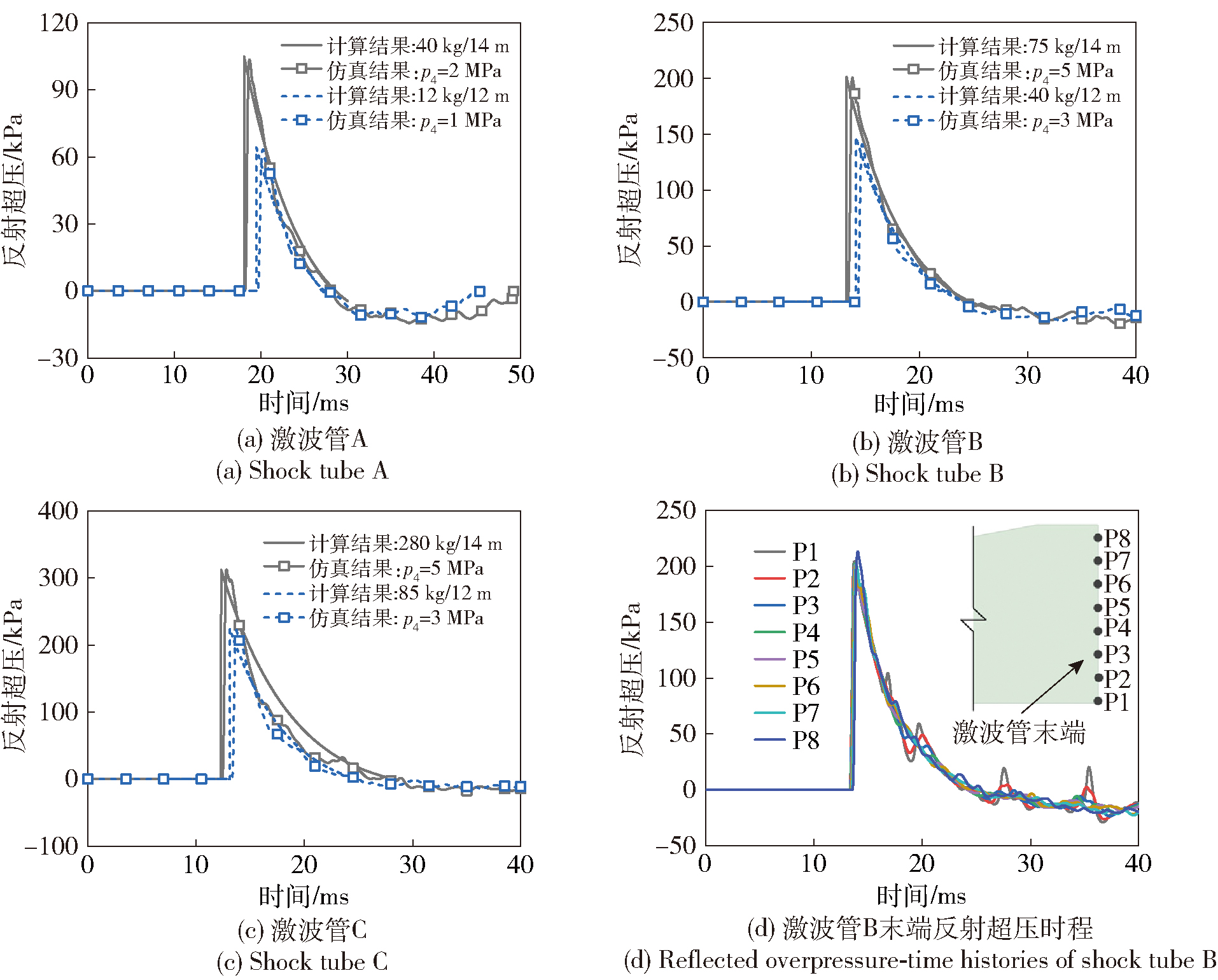
Fig.24 Comparisons of reflected overpressure-time histories of shock tubes and air explosion
| 激波管 类型 | 激波管冲击波 | 空爆冲击波 | |||||||
|---|---|---|---|---|---|---|---|---|---|
| p4/MPa | Δpr/kPa | Δt+/ms | b | 爆炸当量/kg | 爆炸距离/m | Δp'r[ | T+[ | b'[ | |
| 0.5 | 36.4 | 6.2 | 0.55 | 4 | 12 | 34.8 | 6.1 | 0.47 | |
| A | 1 | 63.2 | 7.6 | 0.93 | 12 | 12 | 64.1 | 7.8 | 0.73 |
| 1.5 | 84.5 | 9.6 | 1.47 | 30 | 14 | 85.9 | 10.0 | 0.87 | |
| 2 | 103.4 | 10.1 | 1.43 | 40 | 14 | 104.8 | 10.6 | 0.98 | |
| 1 | 63.9 | 6.8 | 0.92 | 9 | 11 | 63.1 | 7.1 | 0.72 | |
| 2 | 105.9 | 9.0 | 1.52 | 25 | 12 | 104.2 | 9.0 | 0.97 | |
| B | 3 | 141.0 | 9.9 | 1.58 | 40 | 12 | 147.7 | 9.9 | 1.17 |
| 4 | 172.3 | 10.4 | 1.55 | 50 | 12 | 176.1 | 10.3 | 1.28 | |
| 5 | 200.8 | 11.0 | 1.6 | 75 | 13 | 201.5 | 11.5 | 1.37 | |
| 1 | 100.3 | 7.7 | 1.59 | 14 | 10 | 101.8 | 7.5 | 0.96 | |
| 2 | 167.3 | 9.6 | 1.87 | 35 | 11 | 163.2 | 9.3 | 1.23 | |
| C | 3 | 222.4 | 11.9 | 2.36 | 85 | 13 | 223.6 | 11.8 | 1.44 |
| 4 | 270.3 | 14.9 | 3.02 | 200 | 16 | 272.7 | 14.9 | 1.58 | |
| 5 | 312.2 | 16.8 | 2.57 | 280 | 17 | 312.2 | 16.0 | 1.68 | |
Table 3 Mapping relationship of reflected overpressure parameters of shock tubes and air explosion shock waves
| 激波管 类型 | 激波管冲击波 | 空爆冲击波 | |||||||
|---|---|---|---|---|---|---|---|---|---|
| p4/MPa | Δpr/kPa | Δt+/ms | b | 爆炸当量/kg | 爆炸距离/m | Δp'r[ | T+[ | b'[ | |
| 0.5 | 36.4 | 6.2 | 0.55 | 4 | 12 | 34.8 | 6.1 | 0.47 | |
| A | 1 | 63.2 | 7.6 | 0.93 | 12 | 12 | 64.1 | 7.8 | 0.73 |
| 1.5 | 84.5 | 9.6 | 1.47 | 30 | 14 | 85.9 | 10.0 | 0.87 | |
| 2 | 103.4 | 10.1 | 1.43 | 40 | 14 | 104.8 | 10.6 | 0.98 | |
| 1 | 63.9 | 6.8 | 0.92 | 9 | 11 | 63.1 | 7.1 | 0.72 | |
| 2 | 105.9 | 9.0 | 1.52 | 25 | 12 | 104.2 | 9.0 | 0.97 | |
| B | 3 | 141.0 | 9.9 | 1.58 | 40 | 12 | 147.7 | 9.9 | 1.17 |
| 4 | 172.3 | 10.4 | 1.55 | 50 | 12 | 176.1 | 10.3 | 1.28 | |
| 5 | 200.8 | 11.0 | 1.6 | 75 | 13 | 201.5 | 11.5 | 1.37 | |
| 1 | 100.3 | 7.7 | 1.59 | 14 | 10 | 101.8 | 7.5 | 0.96 | |
| 2 | 167.3 | 9.6 | 1.87 | 35 | 11 | 163.2 | 9.3 | 1.23 | |
| C | 3 | 222.4 | 11.9 | 2.36 | 85 | 13 | 223.6 | 11.8 | 1.44 |
| 4 | 270.3 | 14.9 | 3.02 | 200 | 16 | 272.7 | 14.9 | 1.58 | |
| 5 | 312.2 | 16.8 | 2.57 | 280 | 17 | 312.2 | 16.0 | 1.68 | |
| [3] |
doi: 10.12382/bgxb.2023.0260 |
| [4] |
|
| [5] |
|
| [6] |
doi: 10.1177/2041419619858098 URL |
| [7] |
doi: 10.1016/j.ijimpeng.2021.104004 URL |
| [8] |
陈德, 吴昊, 徐世林, 等. 单向砌体填充墙激波管试验和动力行为分析[J]. 爆炸与冲击, 2023, 43(8): 136-154.
|
|
|
|
| [9] |
杨军, 薛斌. 激波管管长对阶跃压力波形的影响分析[J]. 振动与冲击, 2019, 38(3): 252-257.
|
|
|
|
| [10] |
doi: 10.1016/j.dt.2023.11.026 URL |
| [1] |
doi: 10.1016/j.istruc.2021.02.029 URL |
| [2] |
doi: 10.1016/j.ijimpeng.2024.104894 URL |
| [3] |
刘钰, 鲁殊凡, 索涛, 等. 充液管结构人员抗爆炸冲击防护试验研究[J]. 兵工学报, 2024, 45(7): 2374-2382.
doi: 10.12382/bgxb.2023.0260 |
| [11] |
周岳兰, 裴鲁, 龙仁荣, 等. 激波管内压力脉冲演化特性及模拟空爆冲击波的方法研究[J]. 兵工学报, 2023, 44(12): 3815-3825.
doi: 10.12382/bgxb.2023.0284 |
|
|
|
| [12] |
张仕忠, 李进平, 康越, 等. 激波管模拟产生近场爆炸冲击波[J]. 爆炸与冲击, 2024, 44(12): 137-148.
|
|
|
|
| [13] |
|
| [14] |
何起光. 激波管冲击载荷作用下预制孔铝板的响应特性研究[D]. 黑龙江: 哈尔滨工业大学, 2018.
|
|
|
|
| [15] |
doi: 10.1016/0045-7825(74)90029-2 URL |
| [16] |
ANSYS. Ansys fluent theory guide[M]. Europe: Ansys Europe ltd, 2023.
|
| [17] |
戴嘉宁, 辜峙钘, 张玲, 等. 基于EOS压力迭代的压力波传播CFD模型研究[J]. 核科学与工程, 2023, 43(2): 278-285.
|
|
|
|
| [18] |
潘沙, 丁国昊, 王文龙, 等. 一维激波管问题差分格式计算对比分析[C]// 中国力学学会激波与激波管专业委员会. 第十三届全国激波与激波管学术会议论文集. 长沙: 国防科技大学航天与材料工程学院, 2008: 162-171.
|
|
|
|
| [19] |
|
| [20] |
UNODA. International ammunition technical guideline(IATG 01.80)[R]. New York: United Nations Office for Disarmament Affairs, 2015.
|
| [21] |
|
| [22] |
|
| [1] | AN Chengyuan, LIU Haipeng, LIU Yan, REN Wei. Shock Wave Power Characteristics of Cylindrical Explosives with Elliptical Cross-section [J]. Acta Armamentarii, 2025, 46(8): 240969-. |
| [2] | LIU Gangwei, ZHANG Jingyuan, SHI Zhangsong, TAN Bo, SONG Pu, HU Hongwei, LU Yongjin. Effect of Shock Wave Load in Underwater Explosion of Cased Charge near Seabed [J]. Acta Armamentarii, 2025, 46(8): 240643-. |
| [3] | WANG Ran, ZHANG Yiming, GUO Songlin, WANG Haosen, WANG Ningfei, WU Yi. Dynamic Response and Damage Evolution of Cracked Composite Solid Propellants under Shock Wave Loading [J]. Acta Armamentarii, 2025, 46(7): 240778-. |
| [4] | MA Dong, WANG Cheng, SHAO Nan, WEI Jianshu. Strengthening Effect of Polyurea on Multi-layer Blast-resistant Structure Subjected to Combined Action of Shock Wave and Fragments [J]. Acta Armamentarii, 2025, 46(7): 240798-. |
| [5] | ZHA Jipeng, ZHANG Xiangjin, HUA Tuan, SHENG Na, KANG Yang. Analysis of the Influence of Shock Waves on the Detection Performance of Laser Fuze under High-speed Flight Conditions [J]. Acta Armamentarii, 2025, 46(6): 241131-. |
| [6] | LIU Zheng, NIE Jianxin, KAN Runzhe, YANG Jinxiang, TAN Yanwei, GUO Xueyong, YAN Shi. Effect of Aluminum Powder Combustion on the Underwater Explosion Load Characteristics of CL-20-based Mixed Explosives [J]. Acta Armamentarii, 2025, 46(3): 240128-. |
| [7] | XIAO Zeqi, GAO Xin, ZHANG Xueying, LIU Kaiyuan, YUE Lidan, QIN Zhiqi, CHEN Pengwan. Explosive Shock Synthesis of Cesium Lead Chloride Perovskite Powder [J]. Acta Armamentarii, 2025, 46(3): 240339-. |
| [8] | ZHANG Fenglin, DONG Yihao, XIN Jianshe, GUO Liping, GU Xuechen, QU Jiaqi. Parameter Selection and Optimization Algorithm for Low-overload Compressed Air Launch of Small Unmanned Aerial Vehicles Based on Particle Swarm Optimization [J]. Acta Armamentarii, 2025, 46(2): 240014-. |
| [9] | LI Gang, HU Zhongling, HU Bin, LI Zhiyu, CAI Meng, HUANG Tushun. Dynamic Response Characteristics of Human Ear Subjected to High-intensity Sound Shock Wave [J]. Acta Armamentarii, 2025, 46(1): 231119-. |
| [10] | JIA Shiyu, WANG Cheng, XU Wenlong, MA Dong, QI Fangfang. Protective Performance of Helmet with Annular Composite Liner [J]. Acta Armamentarii, 2025, 46(1): 231220-. |
| [11] | WANG Tao, LIU Liangtao, WANG Jinxiang, ZHANG Yifan. The Damage Characteristics of Underwater Explosion of Explosives with Different Energy Structures on the Side Multi-cabin Structure [J]. Acta Armamentarii, 2025, 46(1): 231201-. |
| [12] | LI Yin, DENG Guoqiang. Study on the Assessment of Damage level of Explosion Damage Elements against Personnel [J]. Acta Armamentarii, 2024, 45(S2): 186-192. |
| [13] | YU Jiaxin, LI Weibing, LI Junbao, BI Weixin, LUO Yusong. The Influence of Multi-layer Explosion-proof Structure on the Energy Output of Power Controllable Warhead [J]. Acta Armamentarii, 2024, 45(S1): 33-42. |
| [14] | JIANG Xinli, ZHANG Guokai, HE Yong, YAO Jian, WANG Zhen, WU Yuxin, LIU Ju, WANG Mingyang. Afterburning Effect of Thermobaric Explosives in Confined Space [J]. Acta Armamentarii, 2024, 45(8): 2520-2530. |
| [15] | LIU Yu, LU Shufan, SUO Tao, HOU Bing, FAN Zhiqiang, LI Yuan. Experimental Study on the Effect of Liquid-filled Tube Structure on Shock Wave Attenuation [J]. Acta Armamentarii, 2024, 45(7): 2374-2382. |
| Viewed | ||||||
|
Full text |
|
|||||
|
Abstract |
|
|||||
