


Responsible Institution: China Association for Science and Technology
Sponsor: China Ordnance Society
ISSN 1000-1093 CN 11-2176/TJ
Sponsor: China Ordnance Society
ISSN 1000-1093 CN 11-2176/TJ
Acta Armamentarii ›› 2025, Vol. 46 ›› Issue (10): 250200-.doi: 10.12382/bgxb.2025.0200
Previous Articles Next Articles
WANG Yunlong, ZHAO Zhengyuan, WU Zhilin*( ), LI Zhongxin**()
Received:2025-03-21
Online:2025-11-05
Contact:
WU Zhilin, LI Zhongxin
WANG Yunlong, ZHAO Zhengyuan, WU Zhilin, LI Zhongxin. Mechanical Characteristics and Firing Disturbance of a Lightweight Remote-Controlled Weapon Station Under Multi-Condition Operations[J]. Acta Armamentarii, 2025, 46(10): 250200-.
Add to citation manager EndNote|Ris|BibTeX
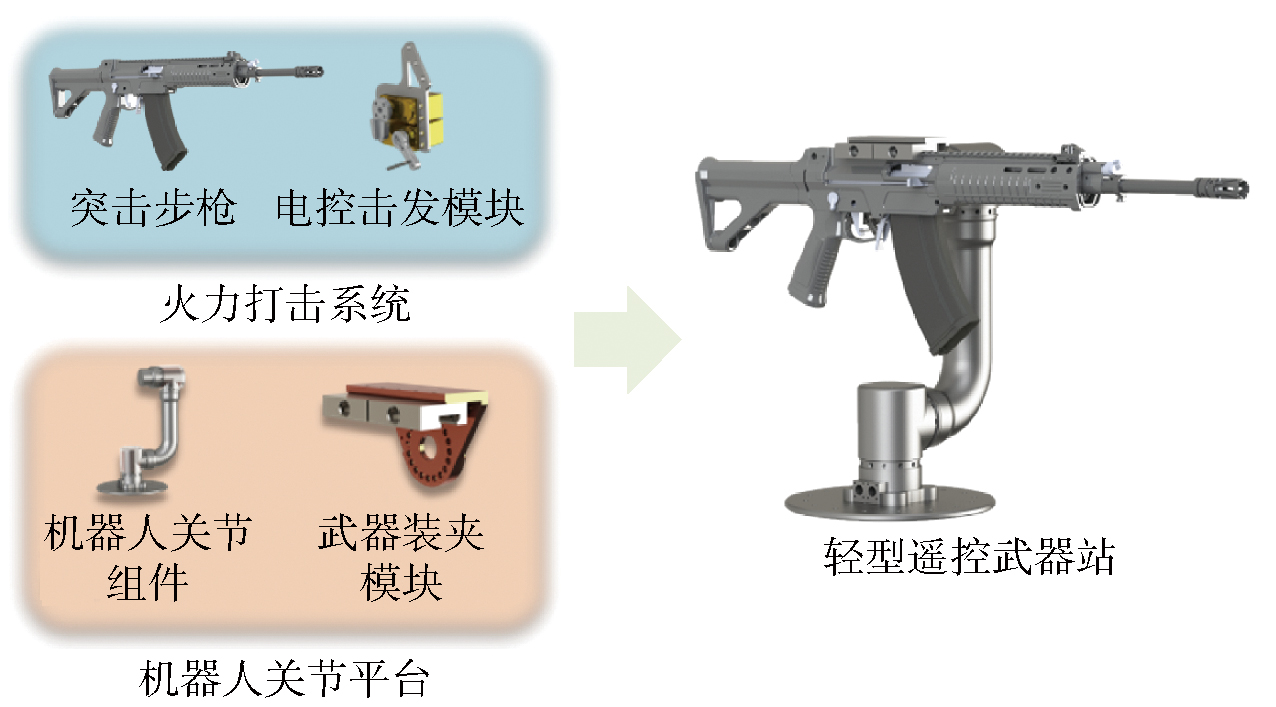
Fig.1 Structure composition of the light remote-controlled weapon station
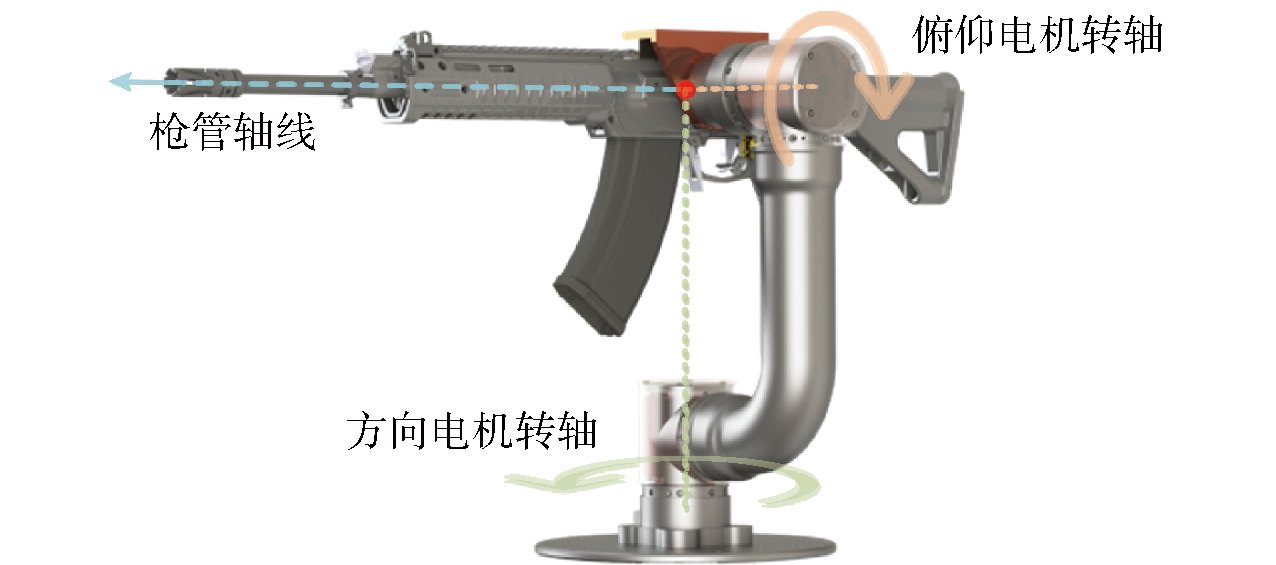
Fig.2 Schematic diagram of assembly location for light remote-controlled weapon station

Fig.3 Schematic diagram of rigid flexible coupling dynamic modeling and solution steps for light remote-controlled weapon station

Fig.4 Schematic diagram of finite element mesh and rigid flexible coupling model
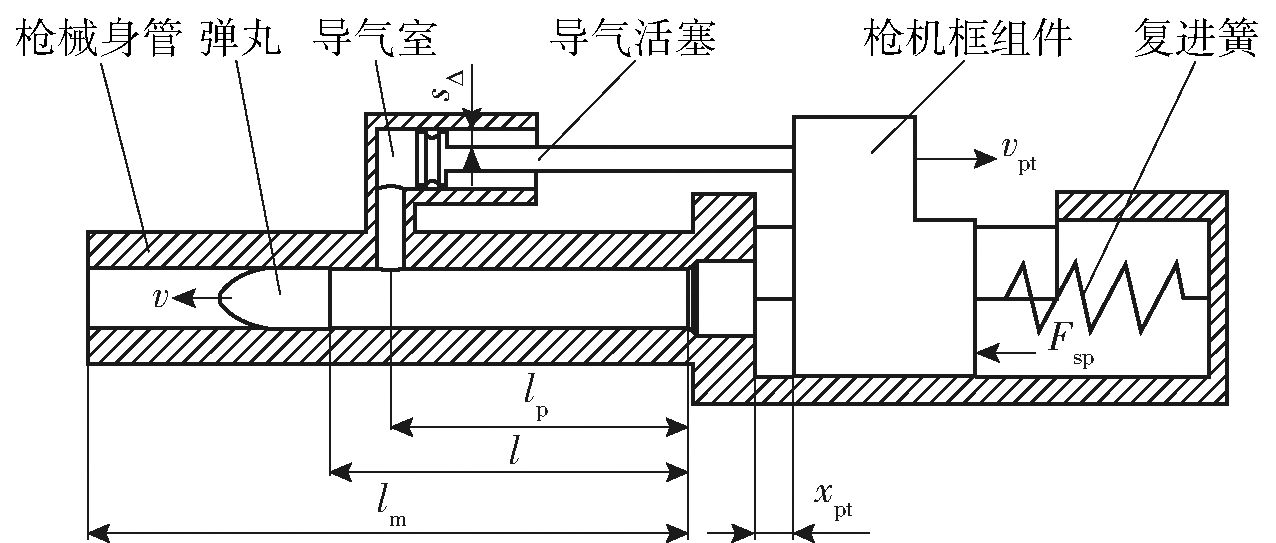
Fig.5 Physical model of gas conducting firearm
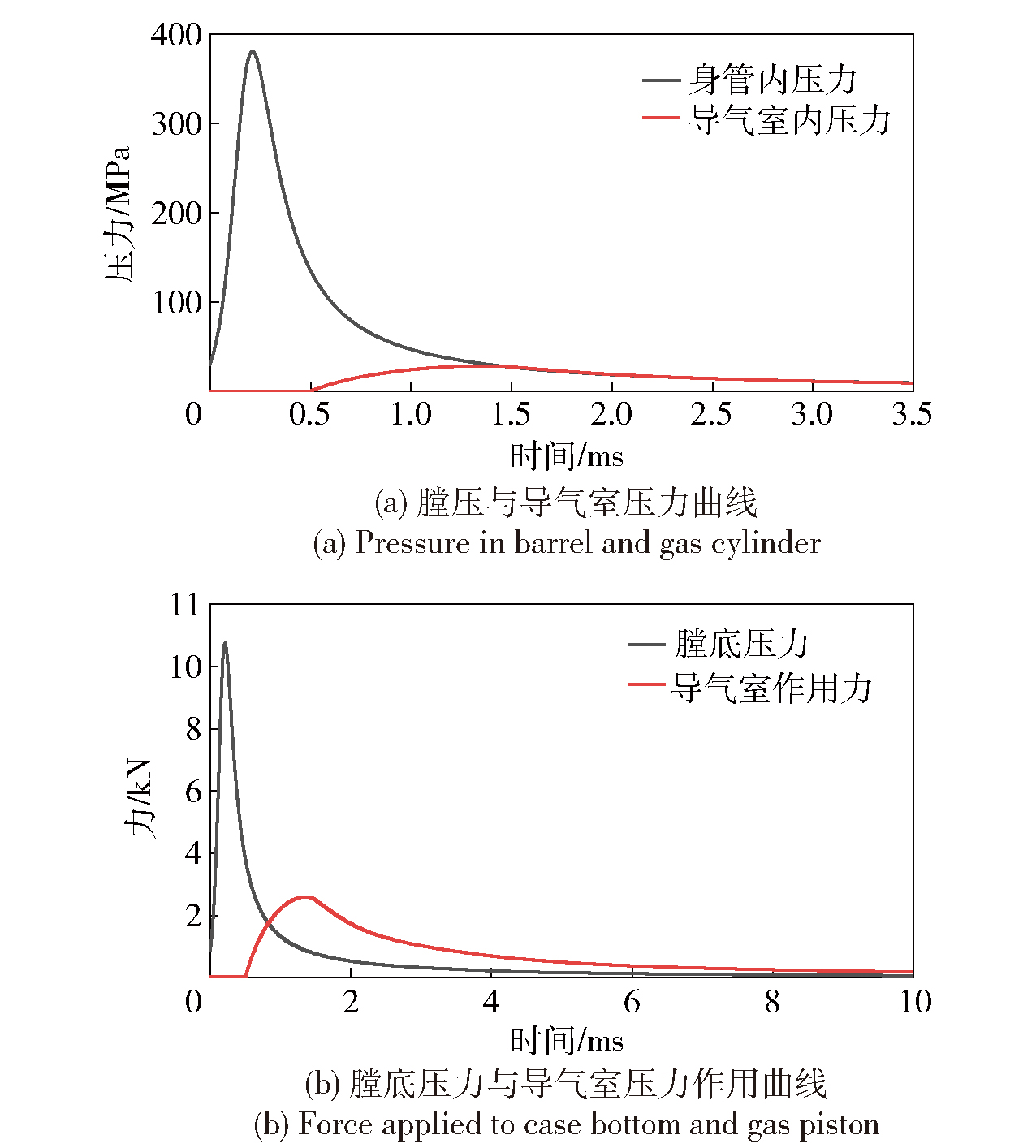
Fig.6 Load effect curves
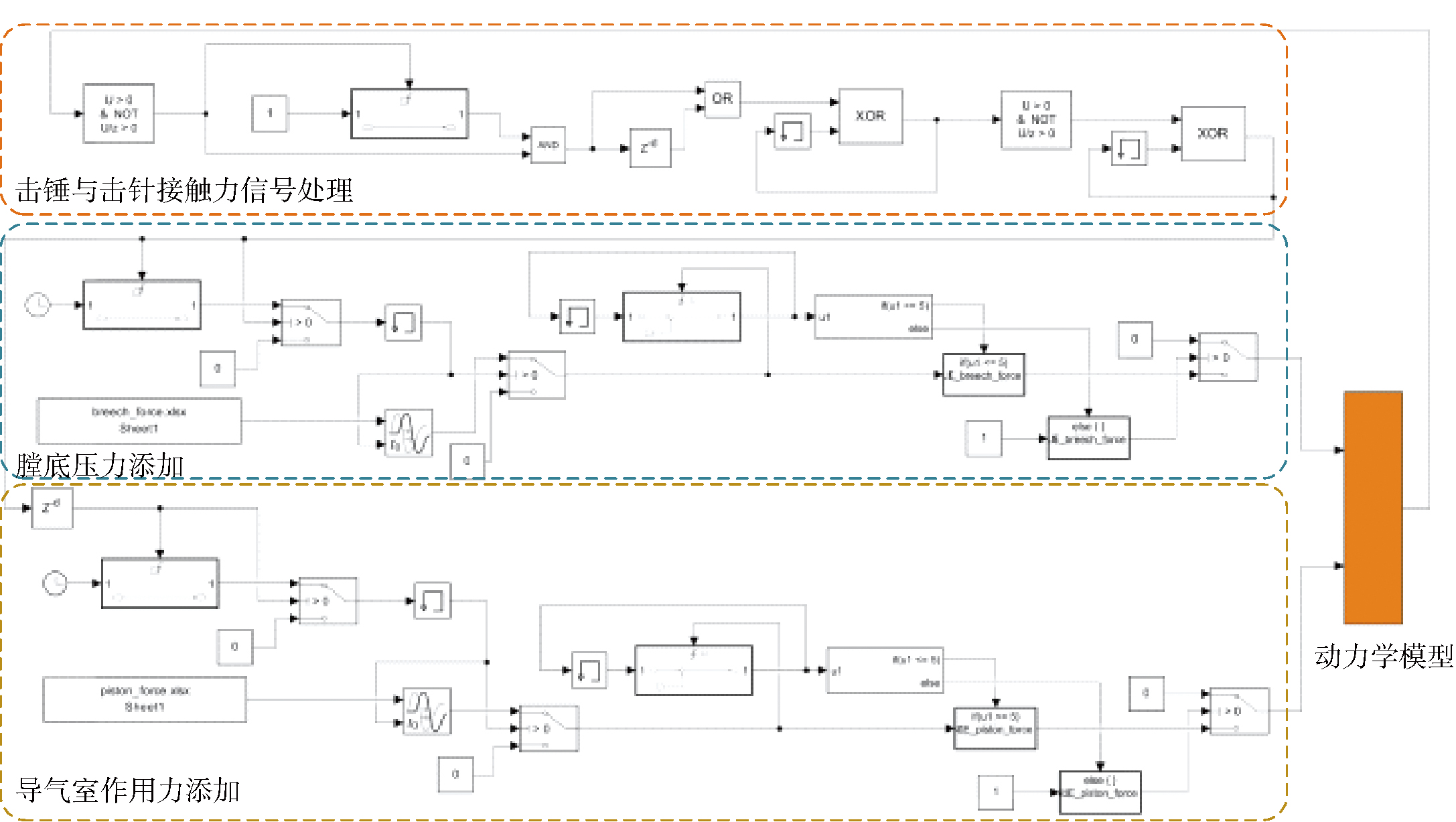
Fig.7 ADAMS Simulink joint simulation process
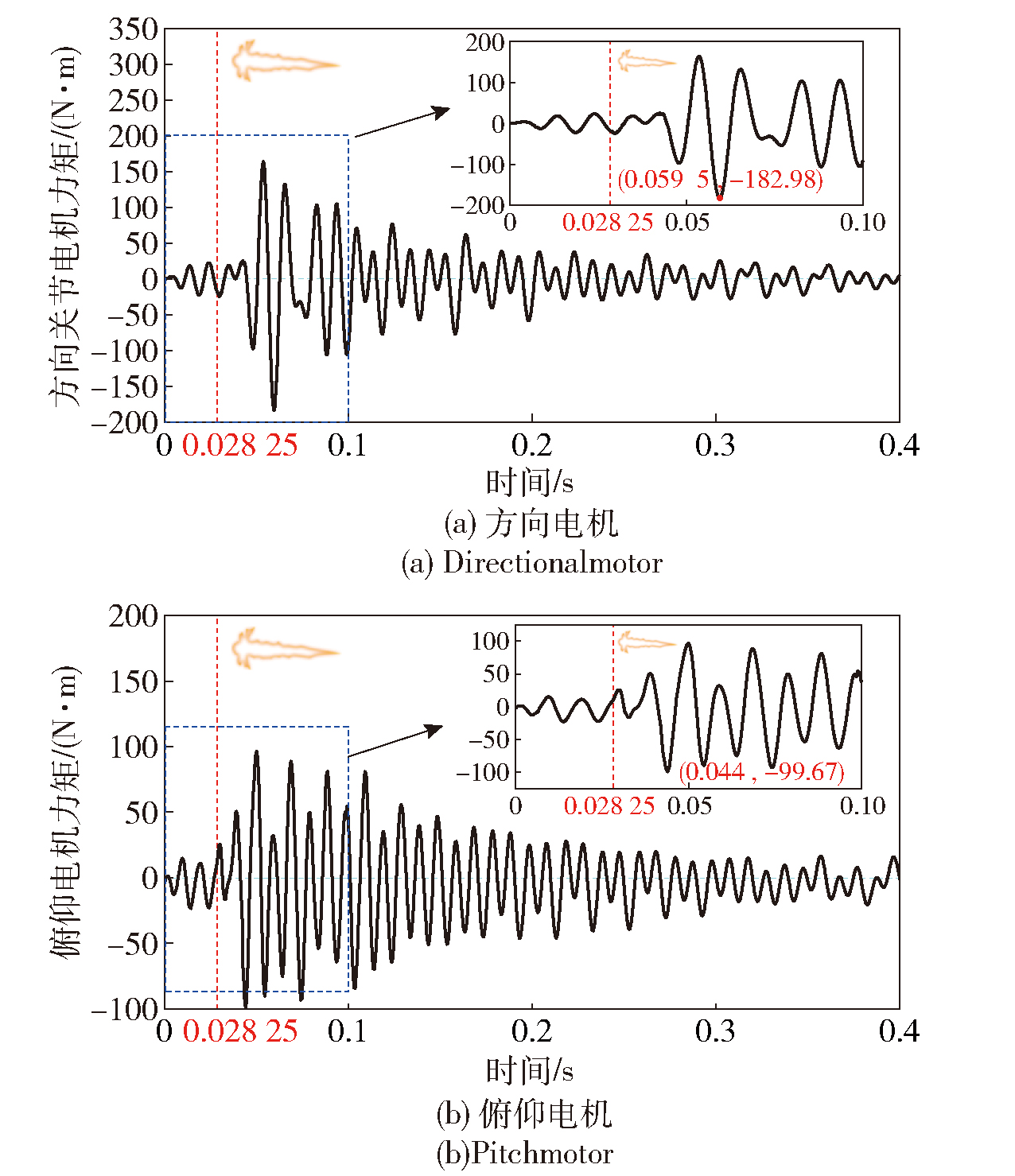
Fig.8 The variation of motor torque under single shot shooting conditions
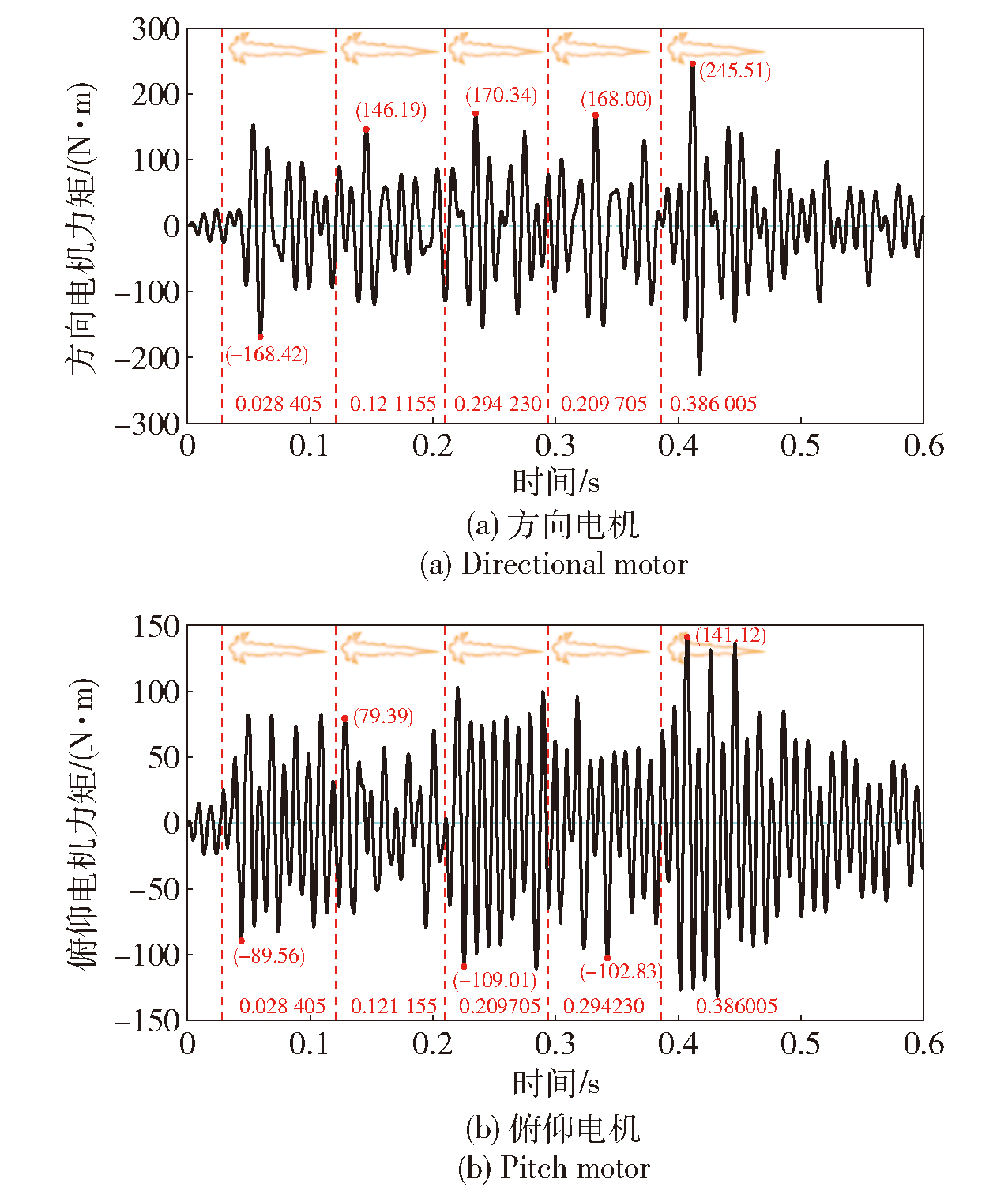
Fig.9 The variation of motor torque under five consecutive shooting conditions
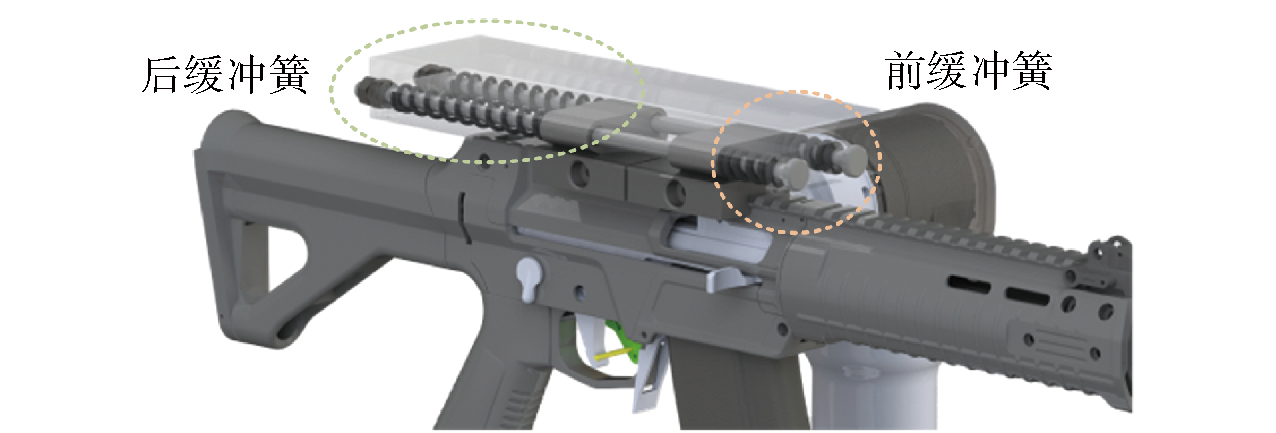
Fig.10 Schematic diagram of clamping module for adding buffer
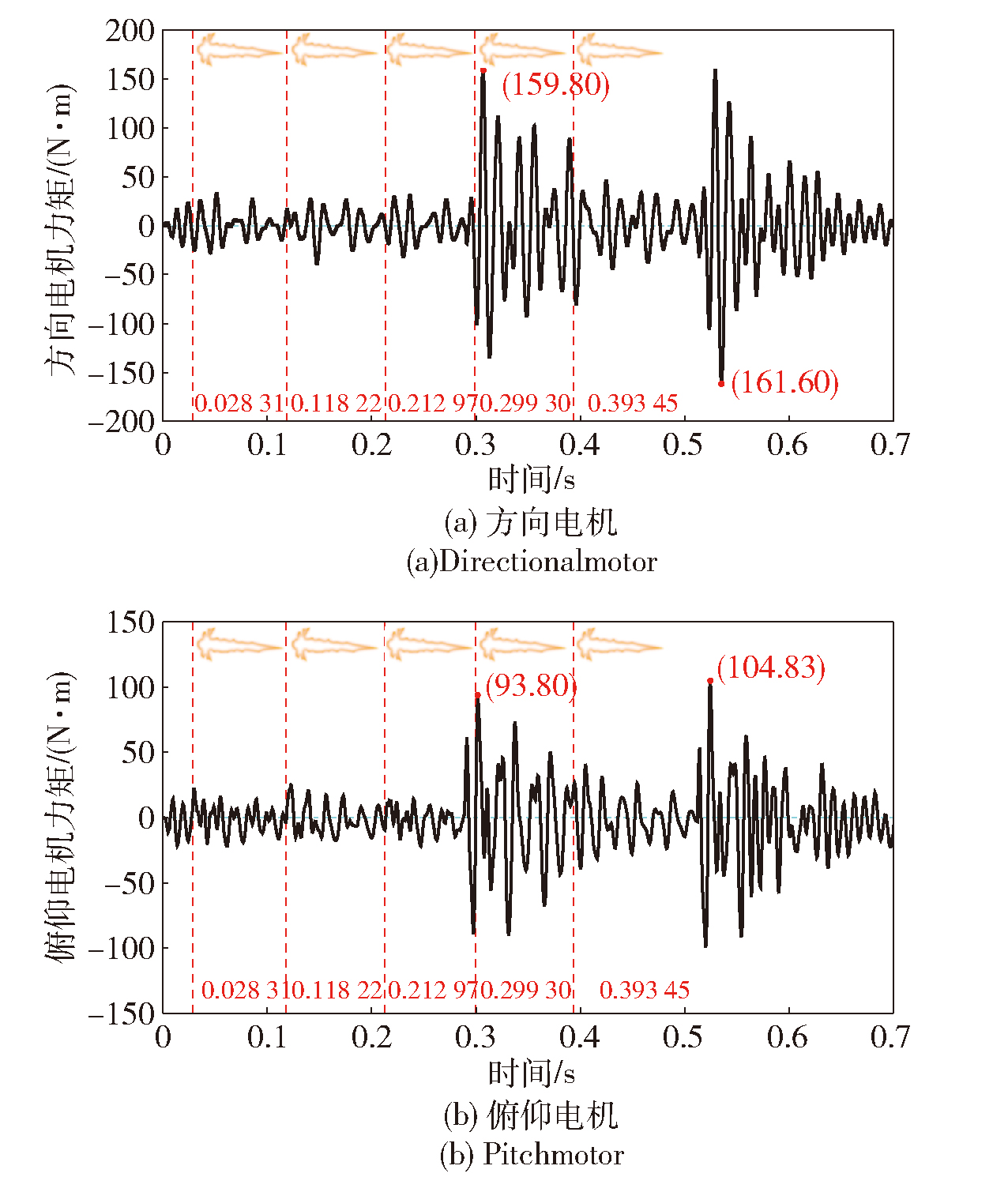
Fig.11 The variation of motor torque under five consecutive shooting conditions after adding a buffer
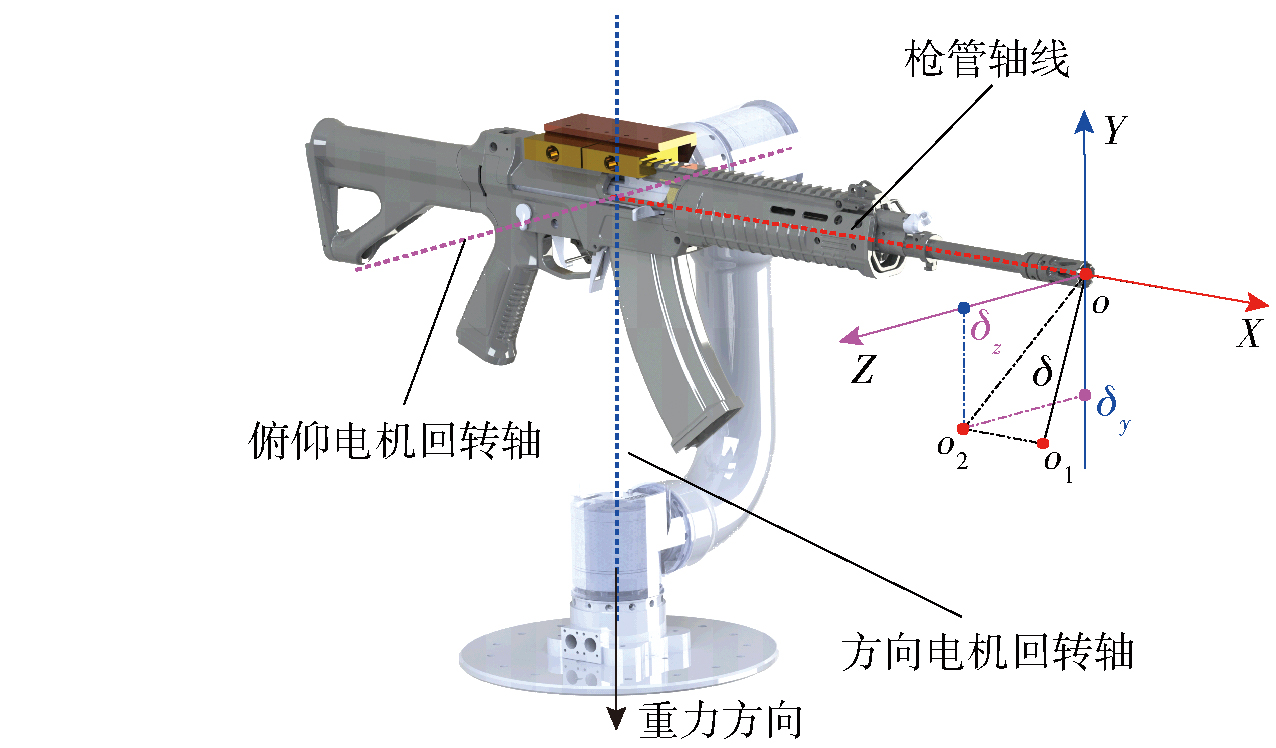
Fig.12 Diagram of reference coordinate system and shooting disturbance caused by muzzle position disturbance
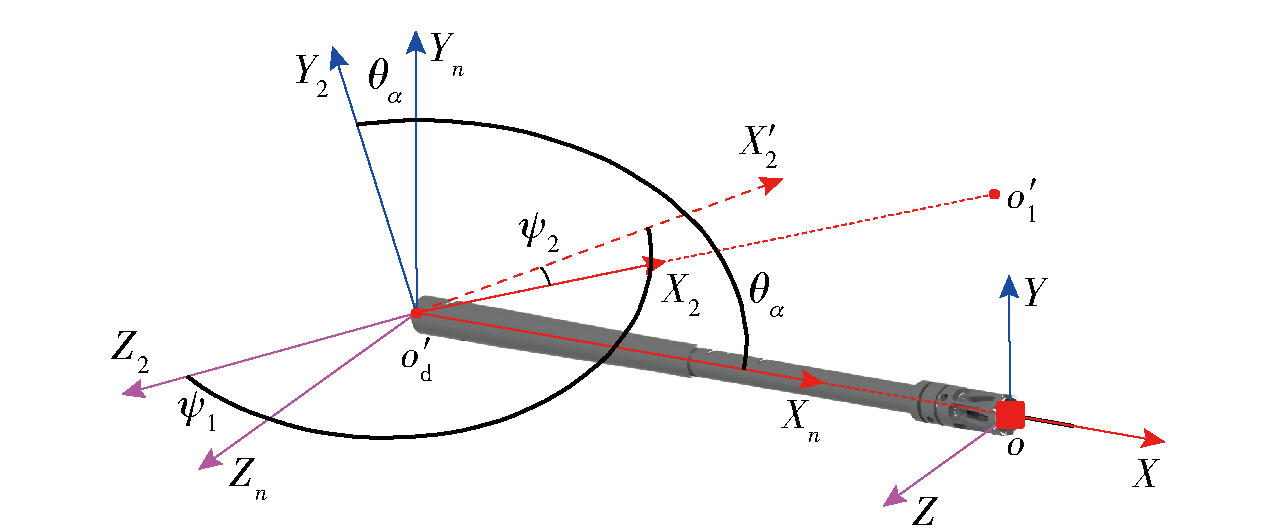
Fig.13 Schematic diagram of coordinate system and deviation angle for analysis of firearm firing angle disturbance
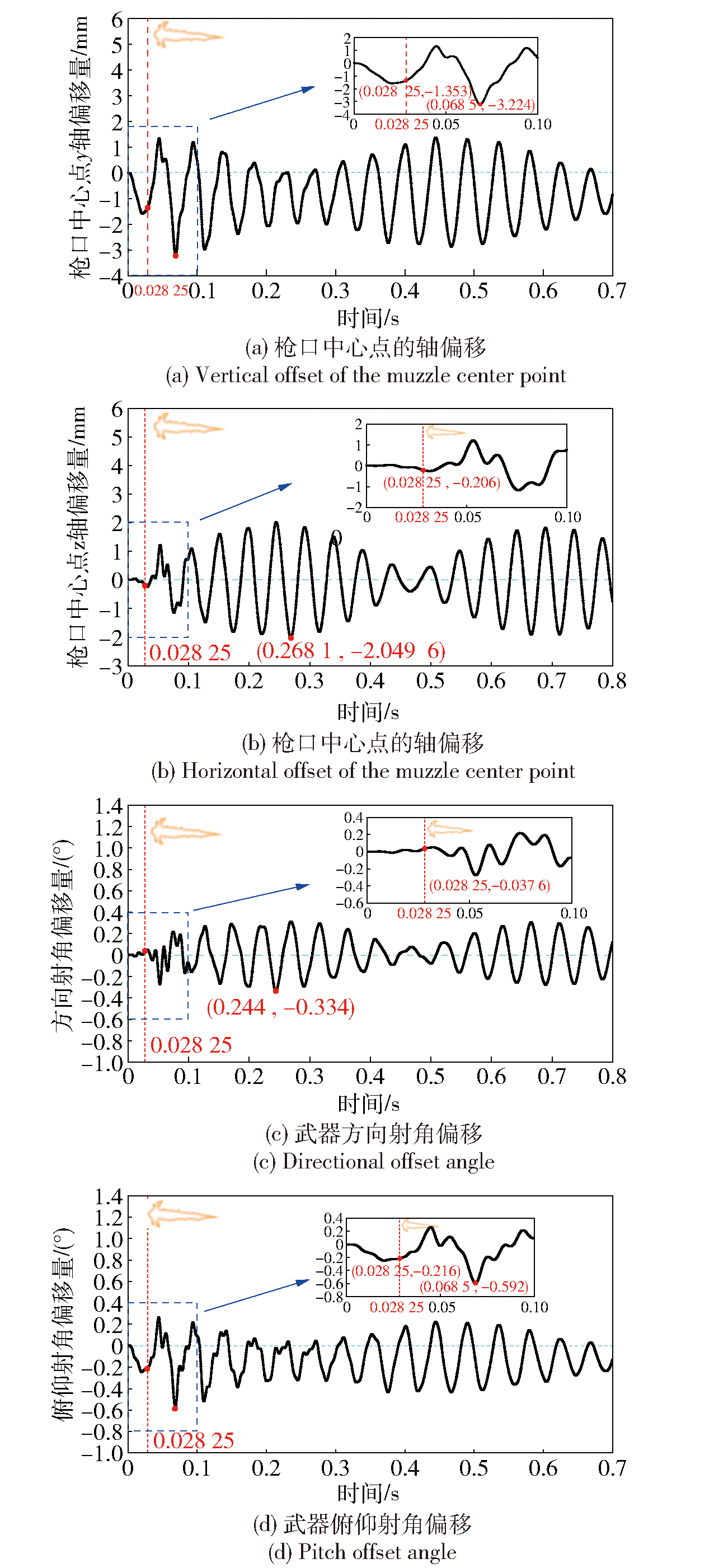
Fig.14 Disturbance situation under single shot shooting conditions

Fig.15 Disturbance situation under five consecutive shooting conditions

Fig.16 Schematic diagram of the impact effect of a remote-controlled weapon station on a target at 100m under continuous shooting conditions
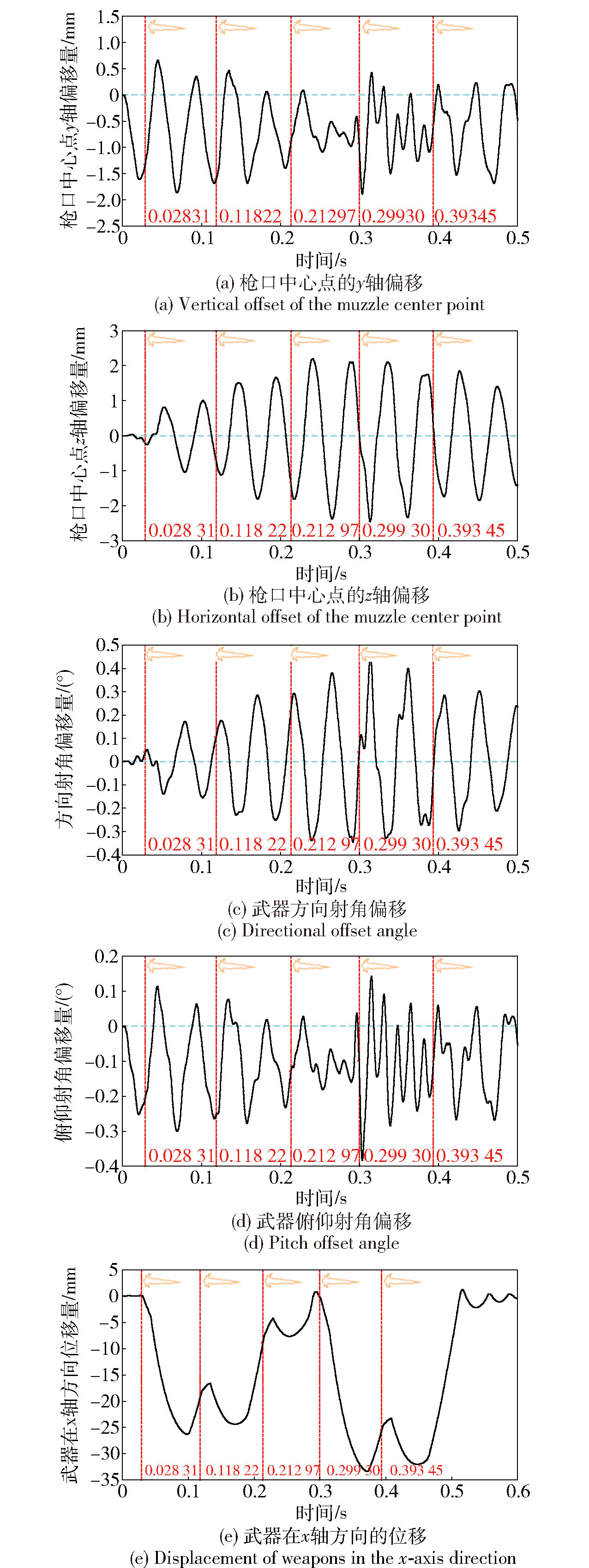
Fig.17 Disturbance situation under five consecutive shooting conditions after adding a buffer
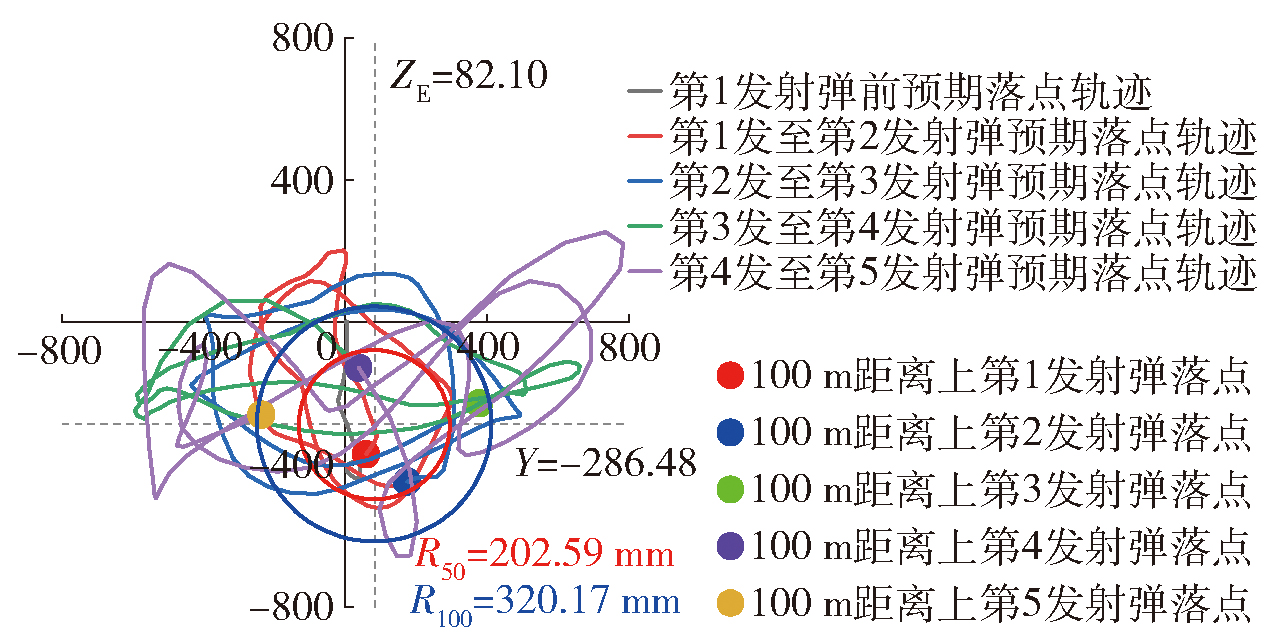
Fig.18 Schematic diagram of the impact effect of a remote-controlled weapon station on a target at 100m under continuous shooting conditions after adding a buffer
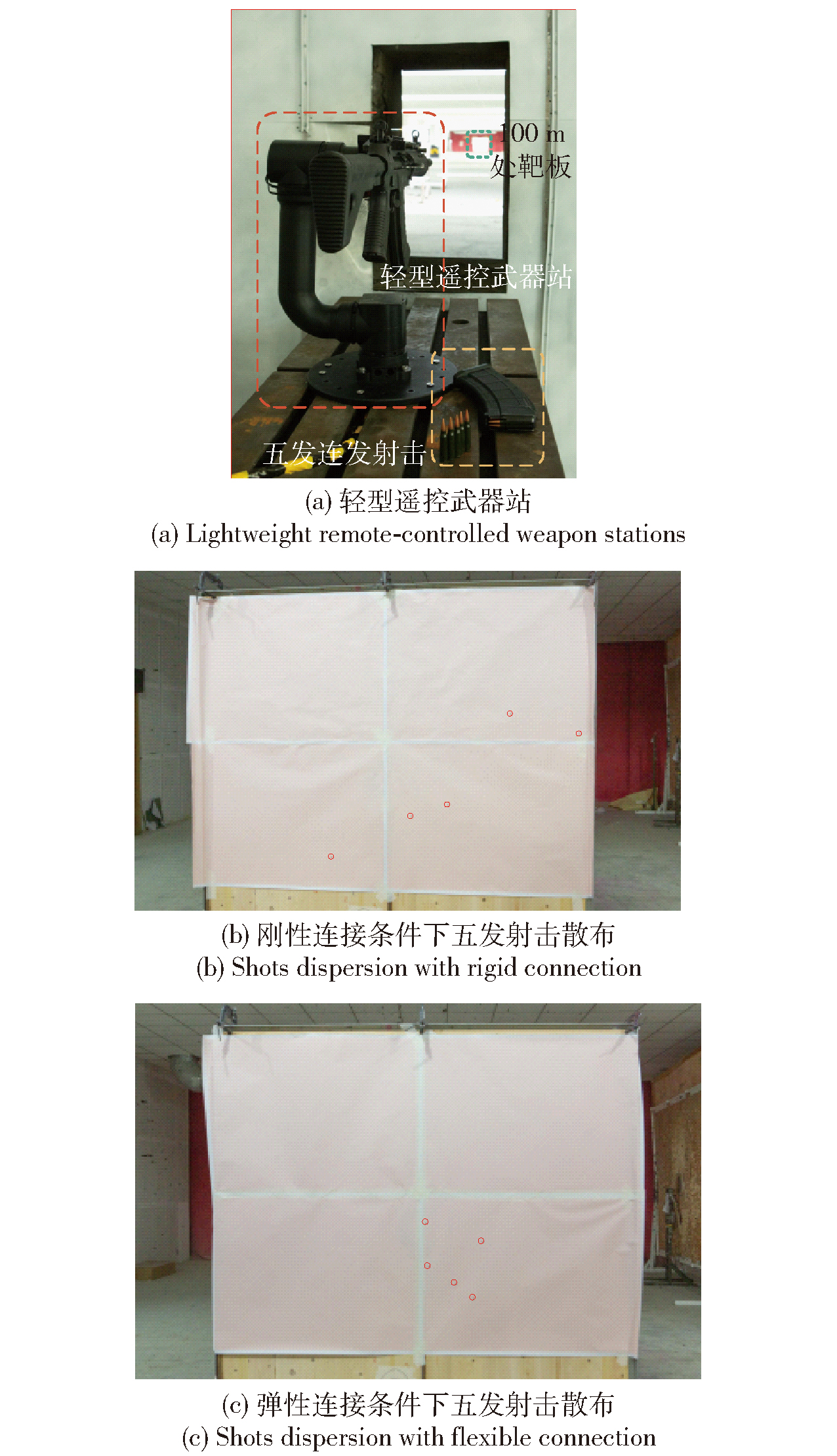
Fig.19 Live firing experiment
| 组数 | 刚性连接 | 柔性连接 | 组数 | 刚性连接 | 柔性连接 |
|---|---|---|---|---|---|
| 1 | 476.67 | 216.47 | 7 | 645.24 | 320.10 |
| 2 | 441.41 | 170.07 | 8 | 471.07 | 338.00 |
| 3 | 301.98 | 256.86 | 9 | 381.78 | 163.37 |
| 4 | 465.65 | 228.91 | 10 | 448.87 | 301.99 |
| 5 | 659.59 | 265.24 | 均值 | 458.14 | 248.12 |
| 6 | 289.13 | 220.21 |
Table 1 Statistical results of shooting test mm
| 组数 | 刚性连接 | 柔性连接 | 组数 | 刚性连接 | 柔性连接 |
|---|---|---|---|---|---|
| 1 | 476.67 | 216.47 | 7 | 645.24 | 320.10 |
| 2 | 441.41 | 170.07 | 8 | 471.07 | 338.00 |
| 3 | 301.98 | 256.86 | 9 | 381.78 | 163.37 |
| 4 | 465.65 | 228.91 | 10 | 448.87 | 301.99 |
| 5 | 659.59 | 265.24 | 均值 | 458.14 | 248.12 |
| 6 | 289.13 | 220.21 |
| [1] |
|
| [2] |
郑博文, 毛保全, 钟孟春, 等. 智能武器站发展现状与关键技术分析[J]. 火力与指挥控制, 2020, 45(5): 1-7.
|
|
|
|
| [3] |
史婷娜, 谭本慷, 徐奕扬, 等. 机器人关节伺服系统力矩控制技术综述[J/OL]. 中国电机工程学报, 2025: 1-18. [2025-03-08]. https://doi.org/10.13334/j.0258-8013.pcsee.241599.
|
|
|
|
| [4] |
吴永亮, 毛保全, 高玉水, 等. 遥控武器站研究现状与发展[J]. 高技术通讯, 2014, 24(2): 193-200.
|
|
|
|
| [5] |
|
| [6] |
doi: 10.1177/09544070241232730 URL |
| [7] |
doi: 10.1016/j.dt.2023.12.012 URL |
| [8] |
doi: 10.1007/s12206-023-1133-y |
| [9] |
刘强, 周克栋, 宋伟, 等. 某埋头弹机枪退壳系统设计与动力学分析[J]. 北京理工大学学报, 2023, 43(12): 1265-1273.
|
|
|
|
| [10] |
何龙, 姜荃, 李鹏杰, 等. 穿戴武器臂的人枪耦合系统发射响应研究[J]. 北京理工大学学报, 2024, 44(4): 386-394.
|
|
|
|
| [11] |
谢馨, 张连超, 郑杰基, 等. 路面不平度对遥控武器站伺服性能的影响分析[J]. 中国科学:技术科学, 2024, 54(6): 1137-1148.
|
|
|
|
| [12] |
doi: 10.1177/09544062221115106 URL |
| [13] |
doi: 10.1016/j.dt.2024.04.011 URL |
| [14] |
doi: 10.14429/dsj.72.17040 URL |
| [15] |
朱锐, 毛保全, 赵俊严, 等. 机枪遥控武器站锰铜基阻尼合金缓冲器非线性有限元分析及试验[J]. 北京理工大学学报, 2022, 42(9): 935-946.
|
|
|
|
| [16] |
陆星宇, 曹岩枫, 庄圆, 等. 四足打击平台多工况力学特性及射击扰动[J]. 工程科学学报, 2024, 46(8): 1434-1445.
|
|
|
|
| [17] |
杨沫, 赫雷, 周克栋, 等. 某专用枪械后坐缓冲装置设计与分析[J]. 哈尔滨工程大学学报, 2025(6): 1-8.
|
|
|
|
| [18] |
冯帅, 毛保全, 王之千, 等. 基于自适应混合近似模型的顶置武器站多柔体系统动力学优化研究[J]. 振动与冲击, 2020, 39(12): 206-212.
|
|
|
|
| [19] |
孙章毅, 蔡灿伟. 动载荷作用下迫击炮与土壤刚柔耦合响应分析[J]. 指挥控制与仿真, 2023, 45(1): 102-107.
doi: 10.3969/j.issn.1673-3819.2023.01.017 |
|
|
|
| [20] |
张雅斌, 刘宁, 黄建文, 等. 迫击炮协调臂前装填系统动力学仿真[J]. 火炮发射与控制学报, 2025, 46(2):83-88,96.
|
|
|
|
| [21] |
华洪良, 廖振强, 郭魂, 等. 机枪系统支撑发射动力学特性及散布精度研究[J]. 兵器装备工程学报, 2022, 43(1): 42-47.
|
|
|
|
| [22] |
曾鑫, 先苏杰, 许德鹏, 等. 某埋头弹机枪自动机结构设计与动力学分析[J]. 兵工自动化, 2021, 40(3): 26-28, 39.
|
|
|
|
| [23] |
张小石, 王宪升, 喻翔, 等. 某自动步枪机构动力学仿真分析[J]. 机械工程与自动化, 2021(4): 64-66,69.
|
|
|
|
| [24] |
欧天界, 贾陆阳, 李东昊, 等. 某导气式自动武器动力学仿真及试验[J]. 兵工自动化, 2024, 43(11): 57-60, 86.
|
|
|
|
| [25] |
吴迪, 顾祖成, 王永娟, 等. 某小型无人化作战平台机电联合仿真[J]. 兵器装备工程学报, 2020, 41(5): 86-90.
|
|
|
|
| [26] |
司鹏, 王云龙, 宋杰, 等. 中口径枪弹全弹道建模及弹道特征量分析[J]. 兵器装备工程学报, 2025, 46(7): 37-43.
|
|
|
| [1] | LIU Kun, FENG Ying, KANG Bao, WU Zhilin, SONG Jie, ZHU Tao. Study on the Shooting Vibration Characteristics of a Quadruped Unmanned Combat Platform under Impact Loads [J]. Acta Armamentarii, 2025, 46(10): 250282-. |
| [2] | LIU Taisu, YIN Qiang, LI Yong, ZHANG Yuntian. Rigid-flexible Coupling Dynamic Modeling and Characteristics Analysis of a Rotational Chain Magazine [J]. Acta Armamentarii, 2024, 45(11): 4133-4144. |
| [3] | CAI Yunlong, YANG Lina, QUAN Liang, YANG Baosheng, REN Ruoyu. Design and Optimization of Locust-hindfoot-inspired Embedded Missile Ejection Device [J]. Acta Armamentarii, 2024, 45(11): 3983-3997. |
| [4] | MU Lindong, ZHAO Xinlei, XU Peng, QIU Tianqi, JIANG Lei. Two-wheeled Power-assist Trailer Payload Based on Force Control [J]. Acta Armamentarii, 2023, 44(S2): 61-70. |
| [5] | GAO Pu, LI Hongcai, LIU Hui, MENG Jieke. Analysis on Dynamic Characteristics of External Oil Pipe System of Integrated Transmission Device in Armoured Vehicle [J]. Acta Armamentarii, 2023, 44(11): 3447-3454. |
| [6] | RONG Ji-li, XIN Peng-fei, ZHUGE Xun, YANG Yong-tai, XIANG Da-lin. Capturing Dynamics of Flexible Ropes for Space Large-scale End Effector [J]. Acta Armamentarii, 2016, 37(9): 1730-1737. |
| [7] | ZHEN Wen-qiang, JI Yong-qiang, SHI Yun-guo. Dynamic Simulation and Experimental Study of Deployment Process of Missile Folding-wing [J]. Acta Armamentarii, 2016, 37(8): 1409-1414. |
| [8] | LYU Xiao-chen, LI Guo-xiu, SUN Zuo-yu, GAO Qing-xiu , WANG Jie, HE Shuang-yi, CUI Sui-xian. Effect of High Pressure Fuel Pipe Structure on Performance of Electronic Unit Pump Fuel System [J]. Acta Armamentarii, 2016, 37(10): 1778-1787. |
| [9] | HU Sheng-hai, GUO Chun-yang, YU Wei, QI Song, SUN Jun-chao. Rigid-flexible Coupling Dynamic Modeling and Error Analysis of Loading Mechanism of Naval Gun Based on MetamorphicPrinciple [J]. Acta Armamentarii, 2015, 36(8): 1398-1404. |
| [10] | HUA Hong-liang, LIAO Zhen-qiang, SONG Jie, QIU Ming, XIAO Jun-bo. The Application of Reverse Jet Gas Technology in Improving Firing Accuracy of a Machine Gun System [J]. Acta Armamentarii, 2015, 36(12): 2241-2246. |
| [11] | LI Jia-sheng, QIU Ming, LIAO Zhen-qiang, XIAN Dong-peng, SONG Jie. Dynamic Modeling and Simulation of Gatling Gun with Muzzle Assistant-Rotating and Recoil Absorber [J]. Acta Armamentarii, 2014, 35(9): 1344-1349. |
| [12] | HU Kai-ming, WEN Li-hua, YAN Zhao-qi. Static and Dynamic Simulation and Analysis on PBP Actuator with a Connecting rod Mechanism to MagnifyOutput Angular Displacement [J]. Acta Armamentarii, 2014, 35(8): 1258-1266. |
| [13] | HUANG Xue-tao, GU Liang, LYU Wei-wei, YANG Cong-bin, GAO Xiao-dong, ZHU Xing-gao. Track Tension and Its Influencing Factors [J]. Acta Armamentarii, 2014, 35(7): 1110-1118. |
| [14] | FAN Bao-wei, PAN Jian-feng , CHEN Rui, LIU Yang-xian, TANG Ai-kun, WANG Qian. Effect of Ignition Advance Angles on Combustion Process in Natural Gas-fueled Rotary Engine [J]. Acta Armamentarii, 2014, 35(1): 1-8. |
| [15] | REN Kai, YANG Li, PU Jin-yun, SU Xue-rong. An Interactive Virtual Compartment Fire Extinguishing Model Based on System Dynamic Characteristic [J]. Acta Armamentarii, 2013, 34(9): 1137-1143. |
| Viewed | ||||||
|
Full text |
|
|||||
|
Abstract |
|
|||||
