


Responsible Institution: China Association for Science and Technology
Sponsor: China Ordnance Society
ISSN 1000-1093 CN 11-2176/TJ
Sponsor: China Ordnance Society
ISSN 1000-1093 CN 11-2176/TJ
Acta Armamentarii ›› 2025, Vol. 46 ›› Issue (10): 250583-.doi: 10.12382/bgxb.2025.0583
ZHANG Kefan*( ), ZHANG Zixuan, LI Weina, DUAN Angxuan
Received:2025-07-01
Online:2025-11-05
Contact:
ZHANG Kefan
ZHANG Kefan, ZHANG Zixuan, LI Weina, DUAN Angxuan. Research on Damage Effectiveness of Fragmentation-Explosive Warheads Against Drone Swarms[J]. Acta Armamentarii, 2025, 46(10): 250583-.
Add to citation manager EndNote|Ris|BibTeX
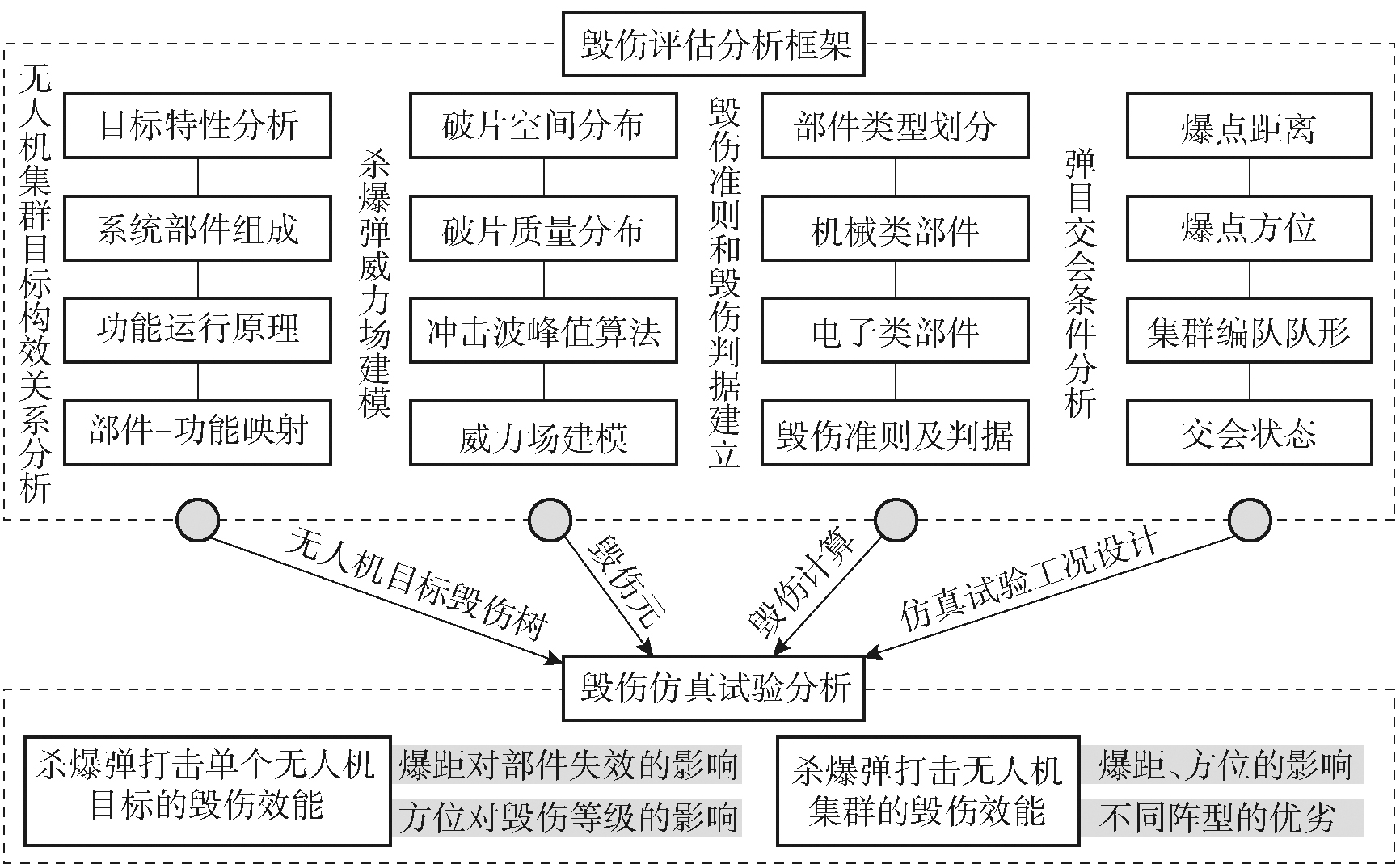
Fig.1 Research ideas of UAV cluster damage assessment method
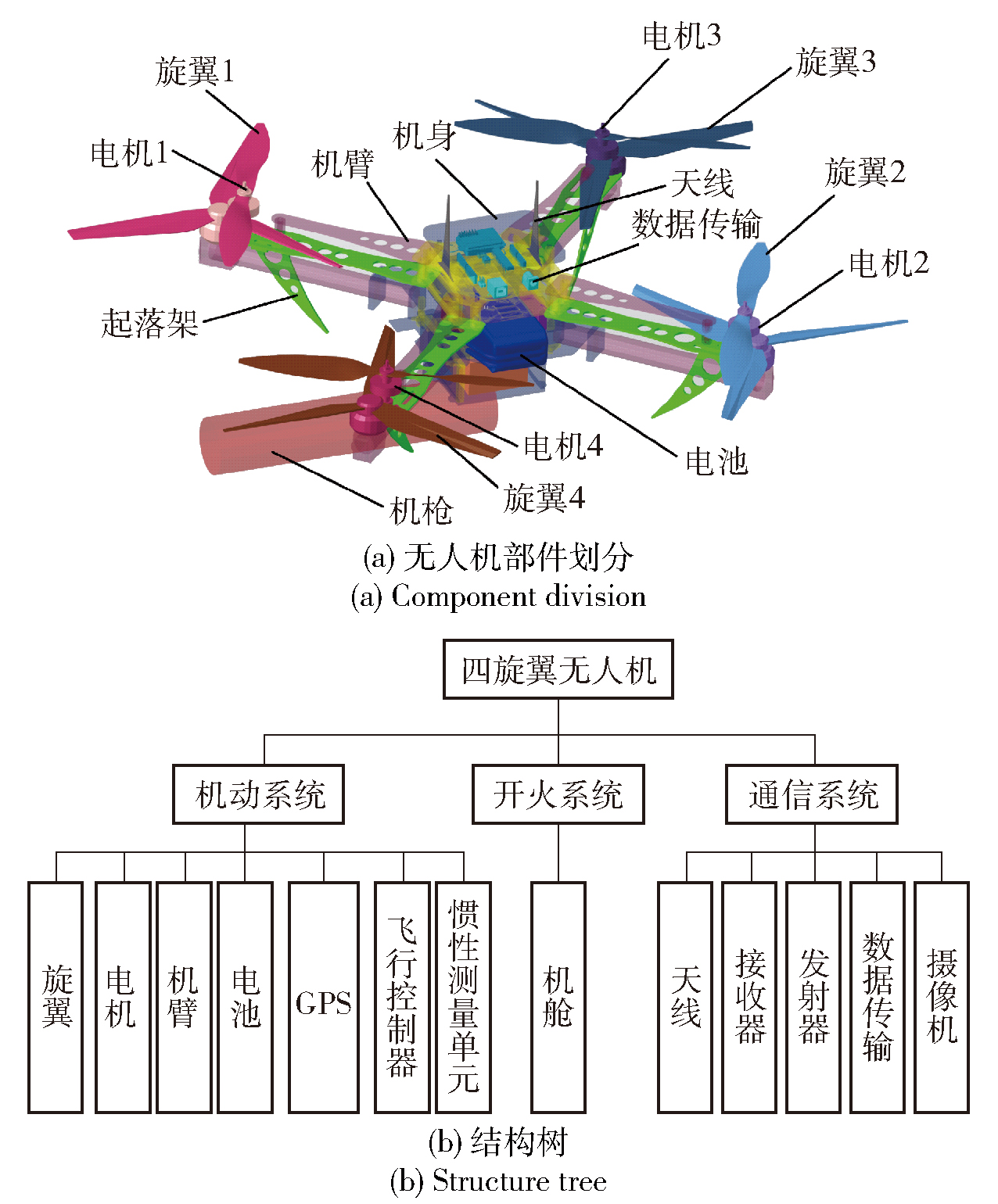
Fig.2 Target characteristics of four-rotor UAV
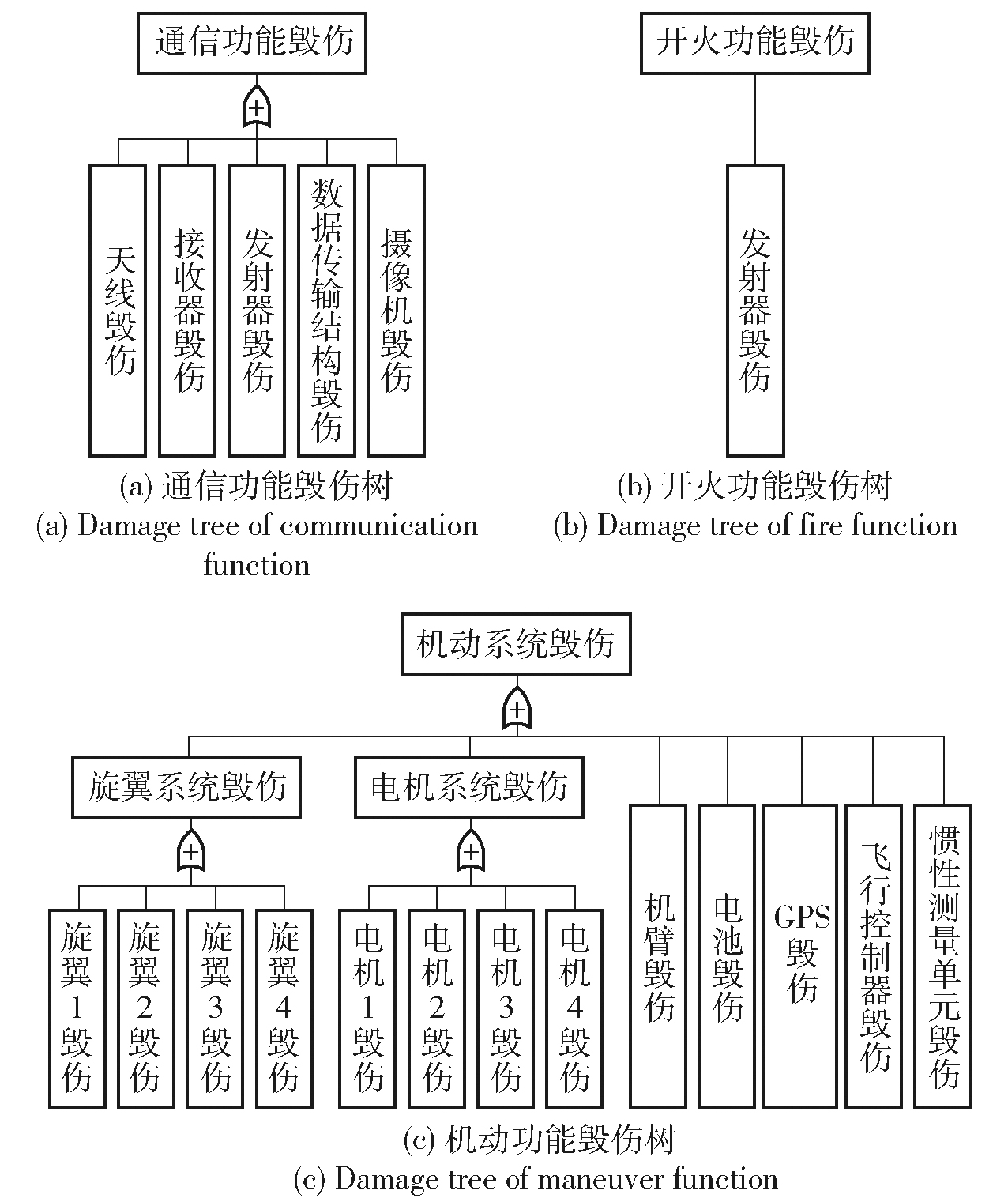
Fig.3 Structure-effect relationship of target vulnerability of four-rotor UAV
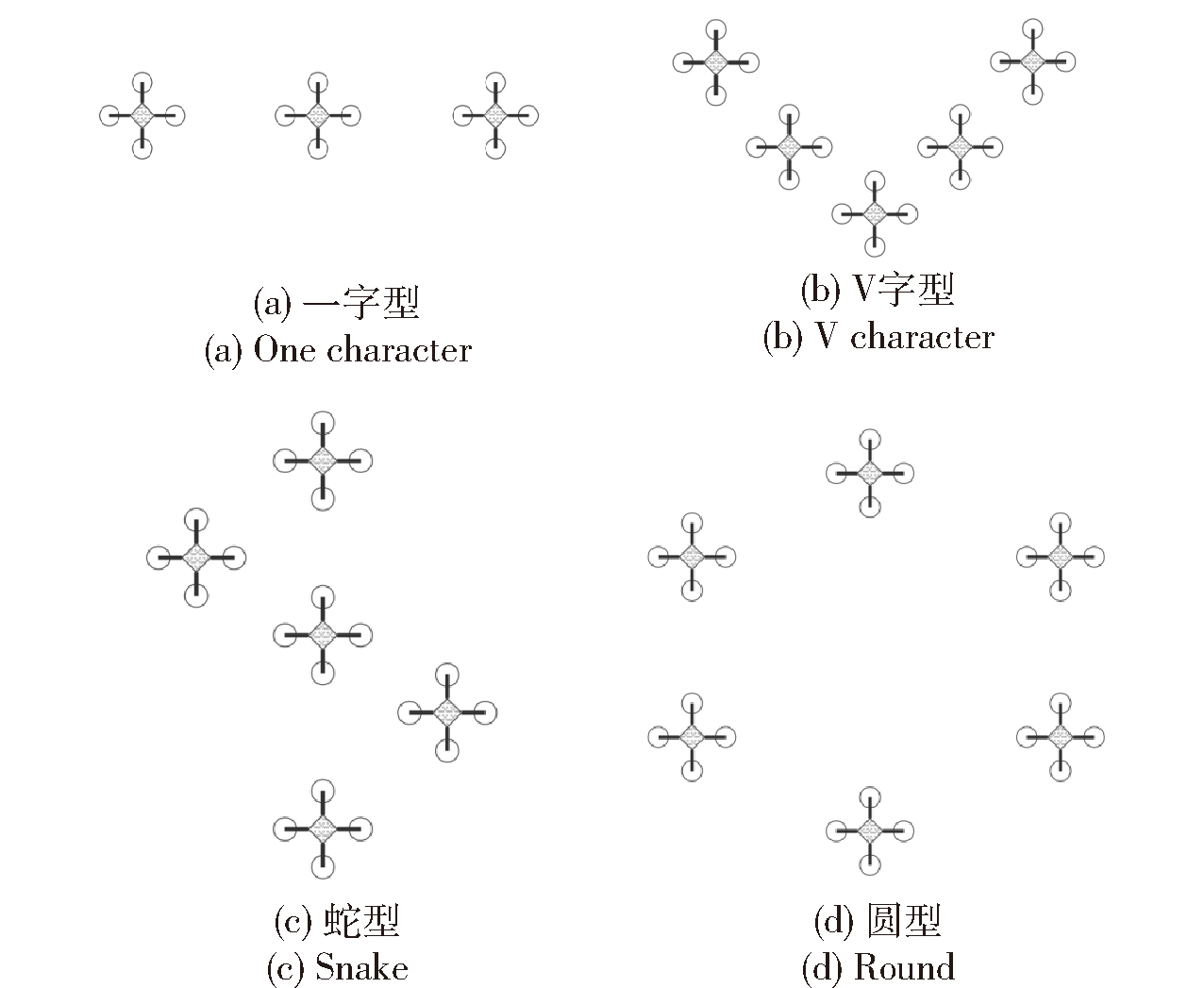
Fig.4 S Four-rotor UAV cluster formation type
| 序号 | 目标位置 | 爆距/m | 爆点位置 |
|---|---|---|---|
| 1 | [0,0,0] | 1.5 | [0,1.5,0],[0,-1.5,0],[1.5,0,0],[-1.5,0,0],[0,0,-1.5],[0,0,1.5] |
| 2 | [0,0,0] | 5 | [0,5,0],[0,-5,0],[5,0,0],[-5,0,0],[0,0,-5],[0,0,5] |
| 3 | [0,0,0] | 10 | [0,10,0],[0,-10,0],[10,0,0],[-10,0,0],[0,0,-10],[0,0,10] |
| 4 | [0,0,0] | 15 | [0,15,0],[0,-15,0],[15,0,0],[-15,0,0],[0,0,-15],[0,0,15] |
| 5 | [0,0,0] | 20 | [0,20,0],[0,-20,0],[20,0,0],[-20,0,0],[0,0,-20],[0,0,20] |
Table 1 Simulation test condition design of single UAV
| 序号 | 目标位置 | 爆距/m | 爆点位置 |
|---|---|---|---|
| 1 | [0,0,0] | 1.5 | [0,1.5,0],[0,-1.5,0],[1.5,0,0],[-1.5,0,0],[0,0,-1.5],[0,0,1.5] |
| 2 | [0,0,0] | 5 | [0,5,0],[0,-5,0],[5,0,0],[-5,0,0],[0,0,-5],[0,0,5] |
| 3 | [0,0,0] | 10 | [0,10,0],[0,-10,0],[10,0,0],[-10,0,0],[0,0,-10],[0,0,10] |
| 4 | [0,0,0] | 15 | [0,15,0],[0,-15,0],[15,0,0],[-15,0,0],[0,0,-15],[0,0,15] |
| 5 | [0,0,0] | 20 | [0,20,0],[0,-20,0],[20,0,0],[-20,0,0],[0,0,-20],[0,0,20] |
| 装药密度/ (g·cm-3) | 炸药爆速/ (m·s-1) | 壳体 质量/kg | 壳体 厚度/mm | 壳体 内径/mm |
|---|---|---|---|---|
| 1.722 | 6700 | 13.75 | 12 | 81 |
Table 2 Structural parameters of fragment warhead
| 装药密度/ (g·cm-3) | 炸药爆速/ (m·s-1) | 壳体 质量/kg | 壳体 厚度/mm | 壳体 内径/mm |
|---|---|---|---|---|
| 1.722 | 6700 | 13.75 | 12 | 81 |

Fig.5 Results of FEM
| 爆距/m | FEM结果/个 | 工程算法结果/个 | 差值 |
|---|---|---|---|
| 1.5 | 18 | 16 | 2 |
| 5 | 13 | 12 | 1 |
| 10 | 2 | 2 | 0 |
| 15 | 1 | 1 | 0 |
| 20 | 1 | 1 | 0 |
Table 3 Comparison of finite element calculation and engineering algorithm results
| 爆距/m | FEM结果/个 | 工程算法结果/个 | 差值 |
|---|---|---|---|
| 1.5 | 18 | 16 | 2 |
| 5 | 13 | 12 | 1 |
| 10 | 2 | 2 | 0 |
| 15 | 1 | 1 | 0 |
| 20 | 1 | 1 | 0 |
| 爆距/m | 有限元计算时长/s | 工程算法计算时长/s |
|---|---|---|
| 1.5 | 600 | 0.2 |
| 5 | 1140 | 0.2 |
| 10 | 1920 | 0.3 |
| 15 | 2580 | 0.3 |
| 20 | 3060 | 0.3 |
Table 4 Comparison of efficiency between finite element calculation and engineering algorithm
| 爆距/m | 有限元计算时长/s | 工程算法计算时长/s |
|---|---|---|
| 1.5 | 600 | 0.2 |
| 5 | 1140 | 0.2 |
| 10 | 1920 | 0.3 |
| 15 | 2580 | 0.3 |
| 20 | 3060 | 0.3 |

Fig.6 Encounter state of drone swarm simulation test
| 编队队形 | 爆点方位 | 爆距/m | 爆点坐标 |
|---|---|---|---|
| 质心 | 0 | [0,0,0] | |
| 质心右侧 | 1.5 | [0,1.5,0] | |
| 质心上方 | 1.5 | [0,0,1.5] | |
| 一字型,Ⅴ字型,蛇型,圆型 | 质心前方 | 1.5 | [1.5,0,0] |
| 质心右侧 | 5 | [0,5,0] | |
| 质心上方 | 5 | [0,0,5] | |
| 质心前方 | 5 | [5,0,0] |
Table 5 Simulation test condition design of UAV swarm
| 编队队形 | 爆点方位 | 爆距/m | 爆点坐标 |
|---|---|---|---|
| 质心 | 0 | [0,0,0] | |
| 质心右侧 | 1.5 | [0,1.5,0] | |
| 质心上方 | 1.5 | [0,0,1.5] | |
| 一字型,Ⅴ字型,蛇型,圆型 | 质心前方 | 1.5 | [1.5,0,0] |
| 质心右侧 | 5 | [0,5,0] | |
| 质心上方 | 5 | [0,0,5] | |
| 质心前方 | 5 | [5,0,0] |
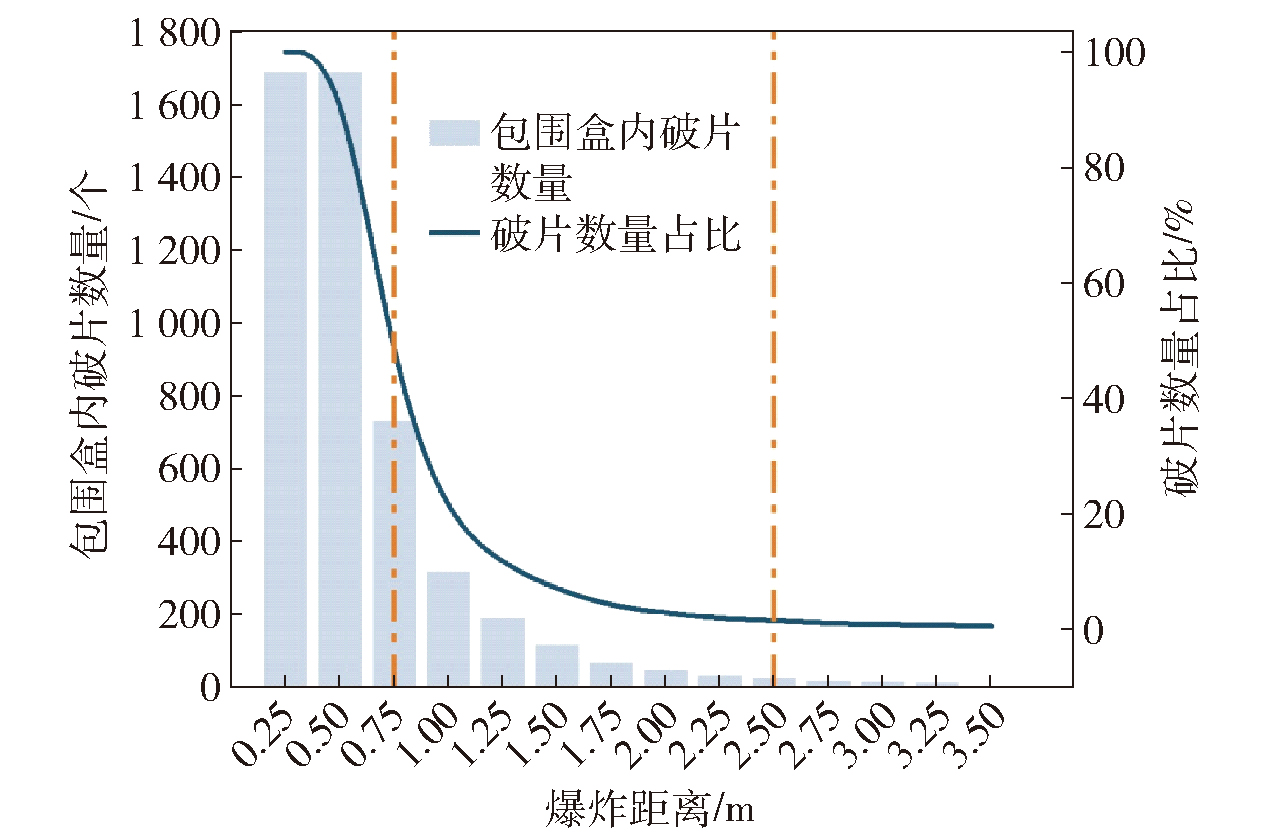
Fig.7 The proportion of fragments with various blasting distances
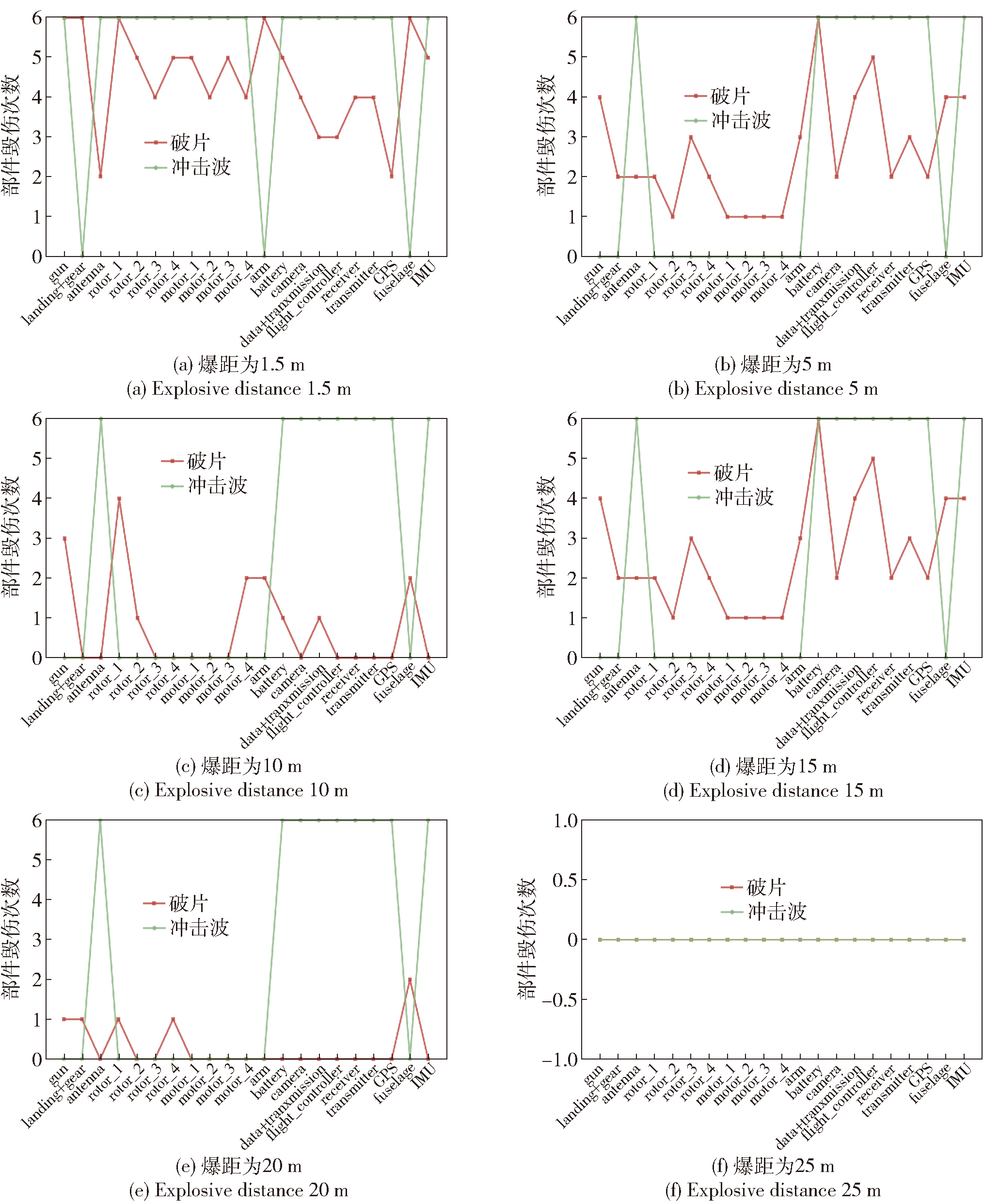
Fig.8 Damage results of fragments and shock waves on various components under different detonation distances
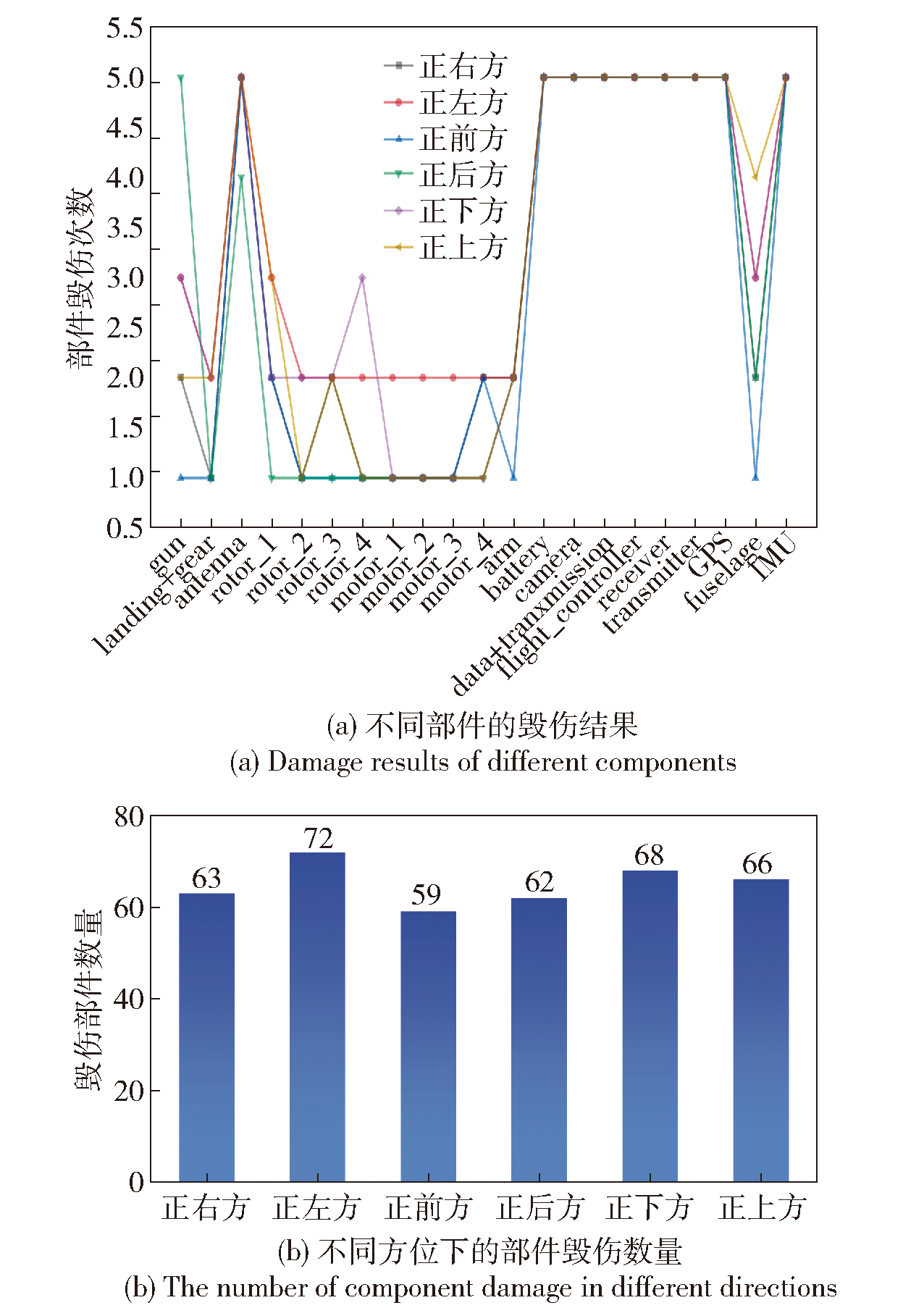
Fig.9 The influence of explosion point orientation on the damage result of UAV
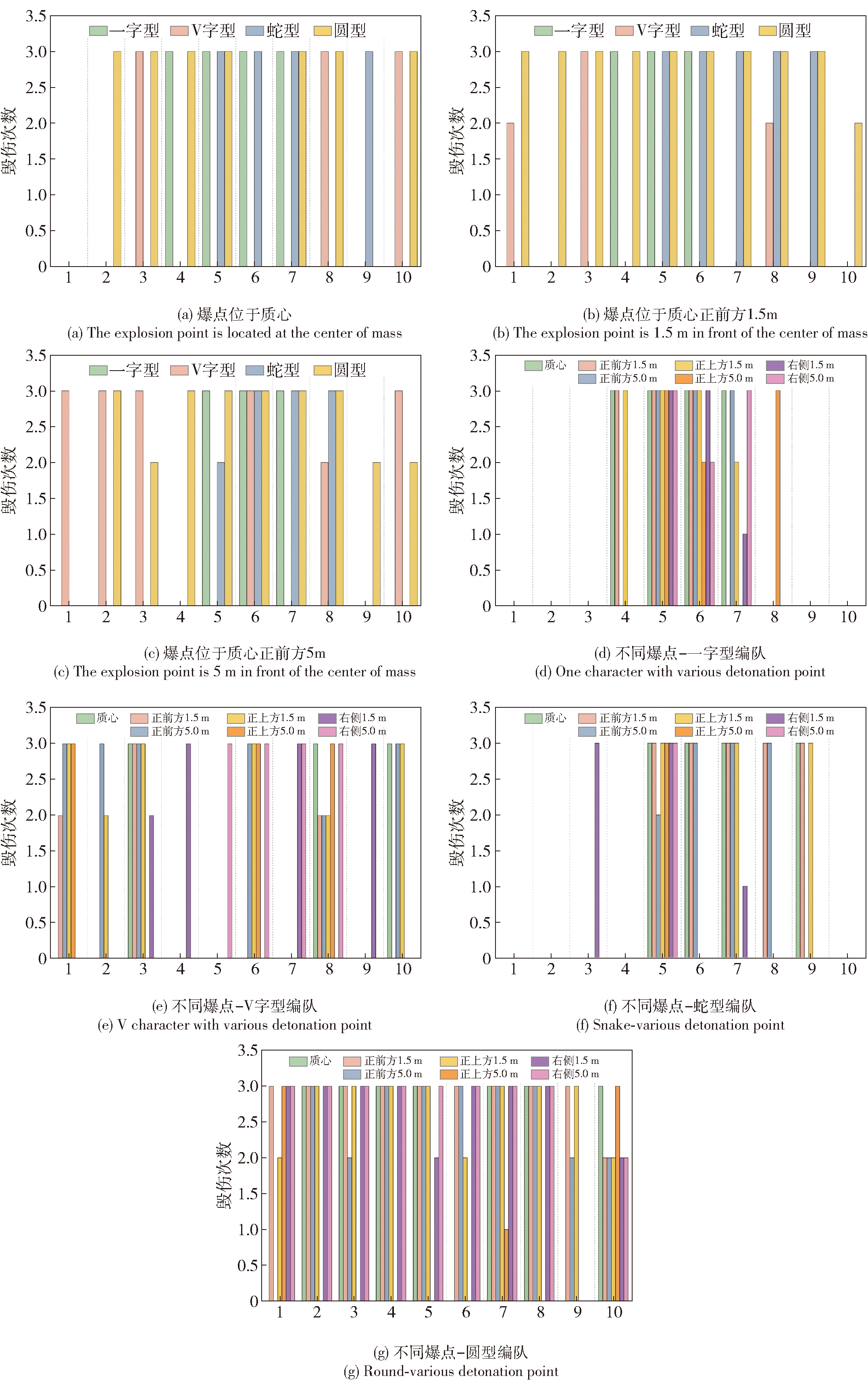
Fig.10 The damage results of drone swarm under different conditions
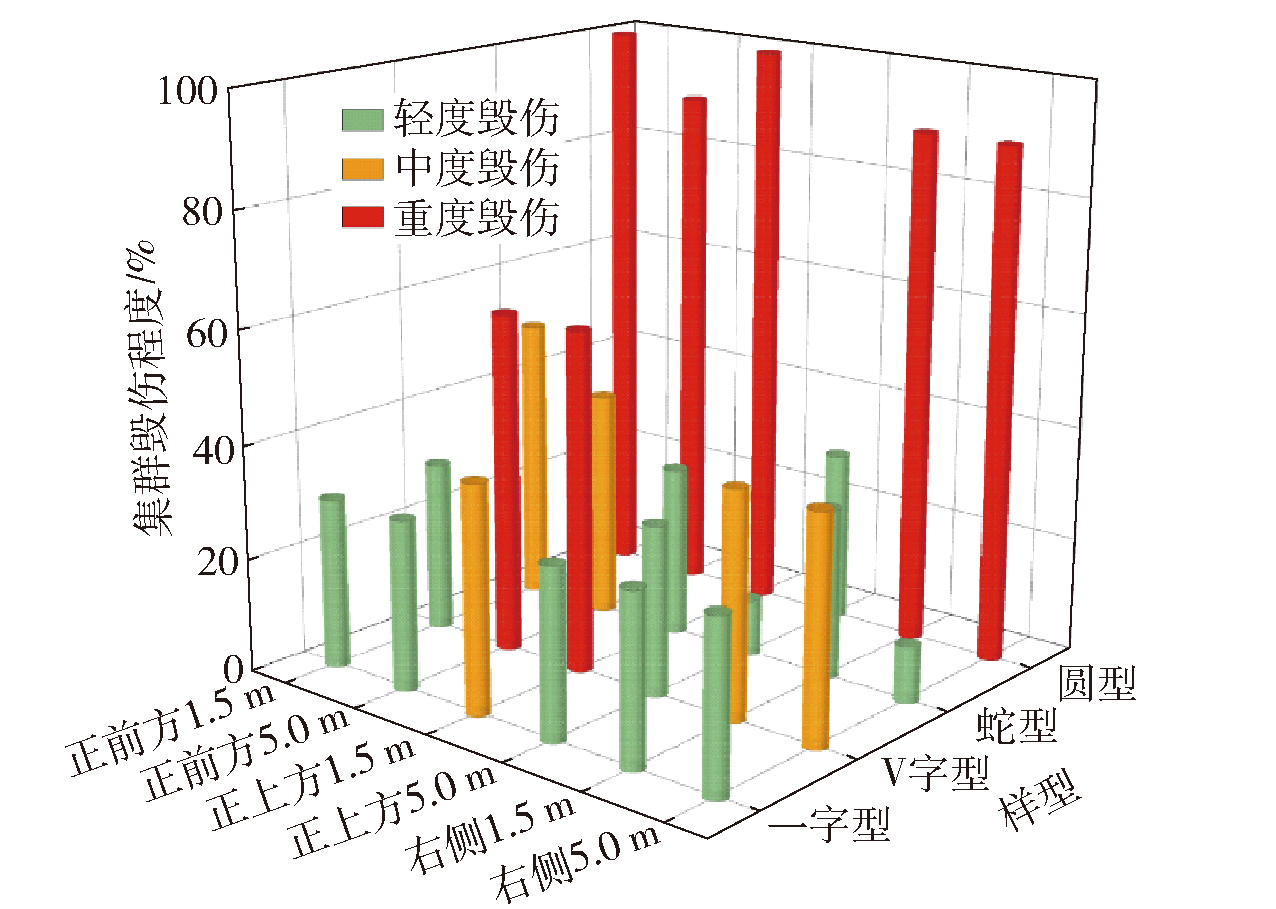
Fig.11 Damage results of UAV swarm under different test conditions
| [1] |
刘伟, 张琳, 王代强, 等. 激光武器反无人机集群作战运用及关键技术[J]. 航空学报, 2024, 45(12):329457.
|
|
|
|
| [2] |
王靖宇, 蒋平, 谢丁星, 等. 基于任务可靠性的无人集群作战试验方案设计[J]. 西北工业大学学报, 2025, 43(2):368-380.
|
|
doi: 10.1051/jnwpu/20254320368 URL |
|
| [3] |
潘子双, 苏析超, 韩维, 等. 基于动态一致性联盟算法的异构无人机集群协同作战联盟组建[J]. 兵工学报, 2024, 45(9):3177-3190.
doi: 10.12382/bgxb.2023.0914 |
|
doi: 10.12382/bgxb.2023.0914 |
|
| [4] |
doi: 10.1016/j.cma.2025.117999 URL |
| [5] |
陈俊, 张志安, 胡建巧. 小口径高炮防空反导射击拦截模型及其仿真分析[J]. 火力与指挥控制, 2013, 38(5):14-17.
|
|
|
|
| [6] |
卢芳云, 李翔宇, 林玉亮. 战斗部结构与原理[M]. 北京: 科学出版社, 2009.
|
|
|
|
| [7] |
doi: 10.1016/j.jmrt.2024.05.240 URL |
| [8] |
doi: 10.1016/j.ajem.2024.08.001 URL |
| [9] |
侯鹏, 葛玉雪, 裴扬, 等. 基于毁伤评估结果的无人机对地攻击任务分配方法[J]. 兵工学报, 2025, 46(2):19-31.
|
|
|
|
| [10] |
|
| [11] |
薛少辉, 范继, 唐旭, 等. 基于椎体空间的无人机毁伤元密度分析[J]. 兵工学报, 2022, 43(S1):133-139.
doi: 10.12382/bgxb.2022.A019 |
|
doi: 10.12382/bgxb.2022.A019 |
|
| [12] |
尚昆. 反无人机蜂群的密集毁伤元战斗部设计与威力仿真研究[D]. 山西: 中北大学, 2024.
|
|
|
|
| [13] |
doi: 10.1016/j.dt.2022.05.010 URL |
| [14] |
杨亮亮, 王永河, 狄长春, 等. 反无人机装备在中大口径火炮应用浅析[J]. 火炮发射与控制学报, 2025, 46(4):22-27.
|
|
|
|
| [15] |
杨勇, 王烨. 基于高斯改进模型的防空火箭弹对无人机毁伤概率评估研究[J]. 自动化技术与应用, 2017, 36(1):15-18, 53.
|
|
|
|
| [16] |
杨永亮, 丁天宝, 赵军朝, 等. 弹炮结合防空武器反无人机集群作战能力研究[J]. 火炮发射与控制学报, 2019, 40(4):47-50.
|
|
|
|
| [17] |
李彤. 定向破片战斗部对无人机群毁伤效能评估[D]. 沈阳: 沈阳理工大学, 2023.
|
|
|
|
| [18] |
卢芳云, 彭永, 张克钒, 等. 目标易损性分析——共性方法[M]. 湖南: 国防科技大学出版社, 2024.
|
|
|
|
| [19] |
|
| [20] |
T/AOPA 0056.1—2024 无人机编队飞行要求第1部分:总则[S]. 北京: 中国航空器拥有者及驾驶员协会, 2024.
|
|
T/AOPA 0056.1—2024. Requirements for UAV Formation Flight-Part 1: General Rules[S]. Beijing: Aircraft Owners and Pilots Association of China, 2024. (in Chinese)
|
|
| [21] |
卢芳云, 李翔宇, 田占东, 等. 武器毁伤与评估[M]. 北京: 科学出版社, 2021.
|
|
|
|
| [22] |
李向东. 目标毁伤理论及工程计算[M]. 北京: 北京理工大学出版社, 1997.
|
|
|
|
| [23] |
崔国龙, 姚文进, 郑宇. 爆炸冲击波对模拟电台靶标毁伤效应分析[J]. 兵器装备工程学报, 2022, 43(12):259-264.
|
|
|
|
| [24] |
曹烨. 目标易损性分析中的失效树与毁伤仿真结合研究[D]. 湖南: 国防科学技术大学, 2016.
|
|
|
| [1] | XU Wenxu, LI Zhao, LU Fandong. Accurate Evaluation Method for Damage Effectiveness of Anti-tank Missile Based on State Space [J]. Acta Armamentarii, 2024, 45(3): 810-817. |
| [2] | LOU Wenzhong, HE Bo, FENG Hengzhen, LI Xinzhe, YANG Tingqi, SU Wenting, LÜ Sining, ZHANG Mingrong, YU Xuerui. Real-time Simulation of Terminal Air Defense Interception of Small Caliber Fixed Distance Air-burst Ammunition and Research on the Opening Distance [J]. Acta Armamentarii, 2024, 45(2): 584-593. |
| [3] | XIAO Lei, HAN Xue-feng, CHEN Rui, XING Jie, HUANG Guan-fu. Study of Control Strategy for Power Train Based on ISG Hybrid System [J]. Acta Armamentarii, 2015, 36(9): 1799-1804. |
| [4] | LI Chao-wang, GAO Min, SONG Wei-dong. Real-time Impact Point Prediction of Rocket Projectile Based on Perturbation Theory [J]. Acta Armamentarii, 2014, 35(8): 1164-1171. |
| [5] | MAN Xiao-fei, ZHANG He, MA Shao-jie, WANG Xiao-feng. Study of Physical Simulation Experiment of Penetration Fuze Layer-count Burst Point Control [J]. Acta Armamentarii, 2014, 35(10): 1556-1561. |
| Viewed | ||||||
|
Full text |
|
|||||
|
Abstract |
|
|||||
