


Responsible Institution: China Association for Science and Technology
Sponsor: China Ordnance Society
ISSN 1000-1093 CN 11-2176/TJ
Sponsor: China Ordnance Society
ISSN 1000-1093 CN 11-2176/TJ
Acta Armamentarii ›› 2025, Vol. 46 ›› Issue (10): 250507-.doi: 10.12382/bgxb.2025.0507
Previous Articles Next Articles
YANG Chenchen1, LIU Jun2, HAN Fanghao3, MEI Yue2,4,*( )
)
Received:2025-06-16
Online:2025-11-06
Contact:
MEI Yue
YANG Chenchen, LIU Jun, HAN Fanghao, MEI Yue. Research on Dynamic Impact Response and Energy Dissipation Mechanisms of Auxetic Metamaterial Sandwich Structures with Negative Poisson’s Ratio Based on Material Point Method[J]. Acta Armamentarii, 2025, 46(10): 250507-.
Add to citation manager EndNote|Ris|BibTeX
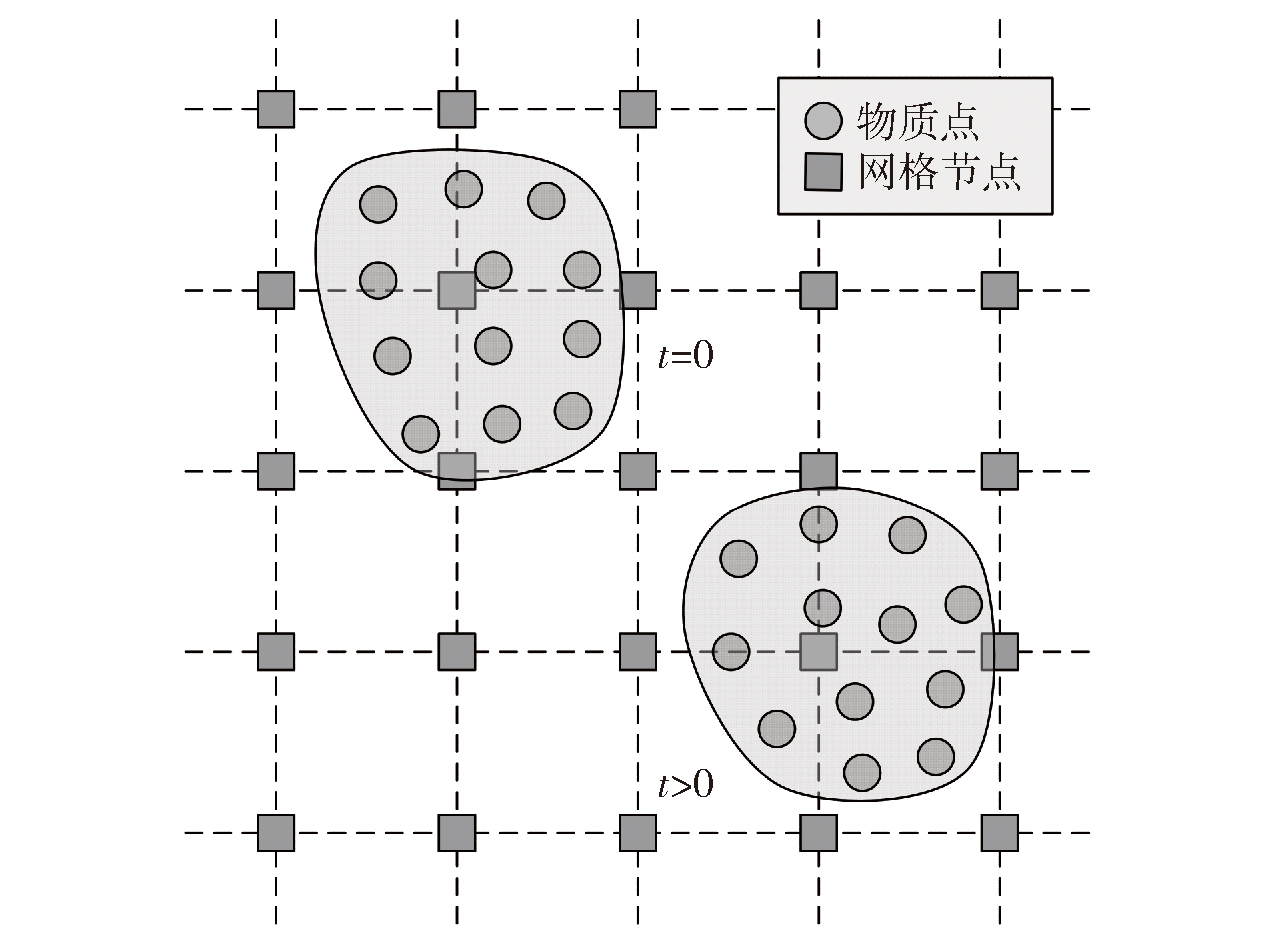
Fig.1 Dual discretization framework of material point method
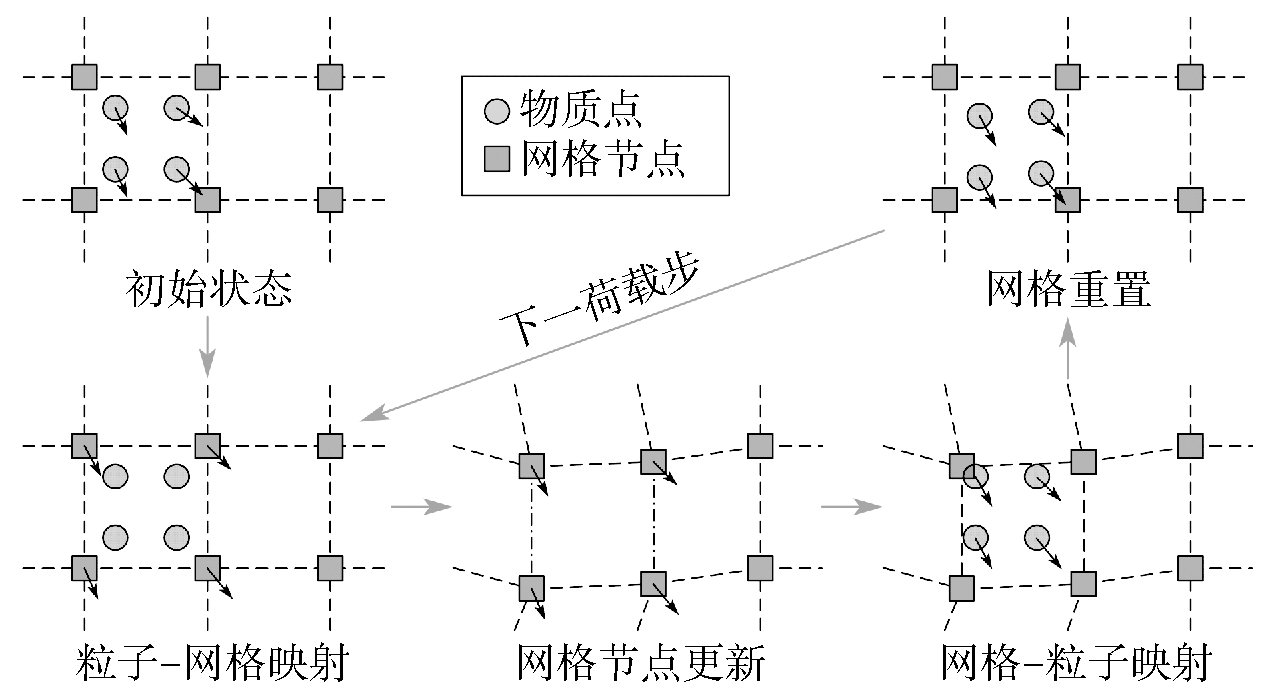
Fig.2 Computational procedure of Updated Lagrangian Material Point Method (ULMPM)
| 参数 | 数值 | 参数 | 数值 |
|---|---|---|---|
| E/GPa | 210 | D1 | 0.50 |
| ν | 0.3 | D2 | 3.44 |
| ρ/(kg·m-3) | 7850 | D3 | -2.12 |
| cp/(J·kg-1·K-1) | 450 | D4 | 0.002 |
| A/MPa | 265 | D5 | 1.09 |
| B/MPa | 300 | c/(m·s-1) | 5172 |
| n | 0.31 | S1 | 1.49 |
| ${\stackrel{·}{\epsilon }}_{0}$/s-1 | 0.00001 | S2 | 0 |
| C | 0.014 | S3 | 0 |
| Tr/K | 293 | γ0 | 1.8 |
| Tm/K | 1795 | E0/(J·m-3) | 0 |
| m | 1.03 |
Table 1 Material model parameters of Q235 steel
| 参数 | 数值 | 参数 | 数值 |
|---|---|---|---|
| E/GPa | 210 | D1 | 0.50 |
| ν | 0.3 | D2 | 3.44 |
| ρ/(kg·m-3) | 7850 | D3 | -2.12 |
| cp/(J·kg-1·K-1) | 450 | D4 | 0.002 |
| A/MPa | 265 | D5 | 1.09 |
| B/MPa | 300 | c/(m·s-1) | 5172 |
| n | 0.31 | S1 | 1.49 |
| ${\stackrel{·}{\epsilon }}_{0}$/s-1 | 0.00001 | S2 | 0 |
| C | 0.014 | S3 | 0 |
| Tr/K | 293 | γ0 | 1.8 |
| Tm/K | 1795 | E0/(J·m-3) | 0 |
| m | 1.03 |
| 参数 | 数值 | 参数 | 数值 |
|---|---|---|---|
| E/GPa | 70 | D1 | 0.01241 |
| ν | 0.3 | D2 | 1.607 |
| ρ/(kg·m-3) | 7850 | D3 | 4.133 |
| cp/(J·kg-1·K-1) | 450 | D4 | -0.01377 |
| A/MPa | 205 | D5 | 1.302 |
| B/MPa | 1064 | c/(m·s-1) | 2986 |
| n | 0.5085 | S1 | 1.49 |
| ${\stackrel{·}{\epsilon }}_{0}$/s-1 | 0.00001 | S2 | 0 |
| C | 0.02846 | S3 | 0 |
| Tr/K | 293 | γ0 | 1.8 |
| Tm/K | 1623 | E0/(J·m-3) | 0 |
| m | 0.662 |
Table 2 Material parameters of 316L stainless steel used for 3D printing
| 参数 | 数值 | 参数 | 数值 |
|---|---|---|---|
| E/GPa | 70 | D1 | 0.01241 |
| ν | 0.3 | D2 | 1.607 |
| ρ/(kg·m-3) | 7850 | D3 | 4.133 |
| cp/(J·kg-1·K-1) | 450 | D4 | -0.01377 |
| A/MPa | 205 | D5 | 1.302 |
| B/MPa | 1064 | c/(m·s-1) | 2986 |
| n | 0.5085 | S1 | 1.49 |
| ${\stackrel{·}{\epsilon }}_{0}$/s-1 | 0.00001 | S2 | 0 |
| C | 0.02846 | S3 | 0 |
| Tr/K | 293 | γ0 | 1.8 |
| Tm/K | 1623 | E0/(J·m-3) | 0 |
| m | 0.662 |
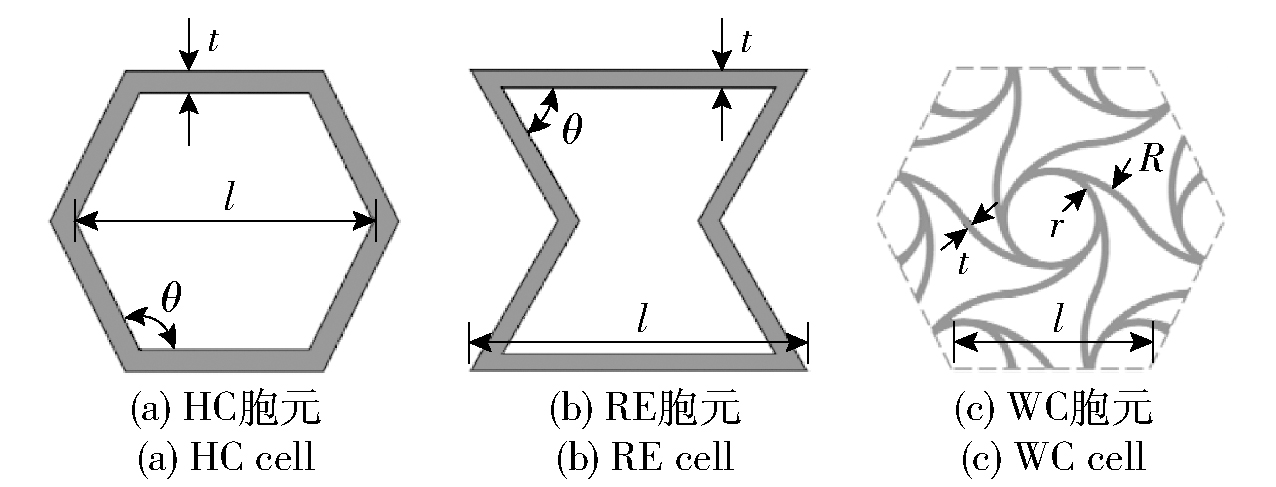
Fig.3 Schematics of three cell configurations
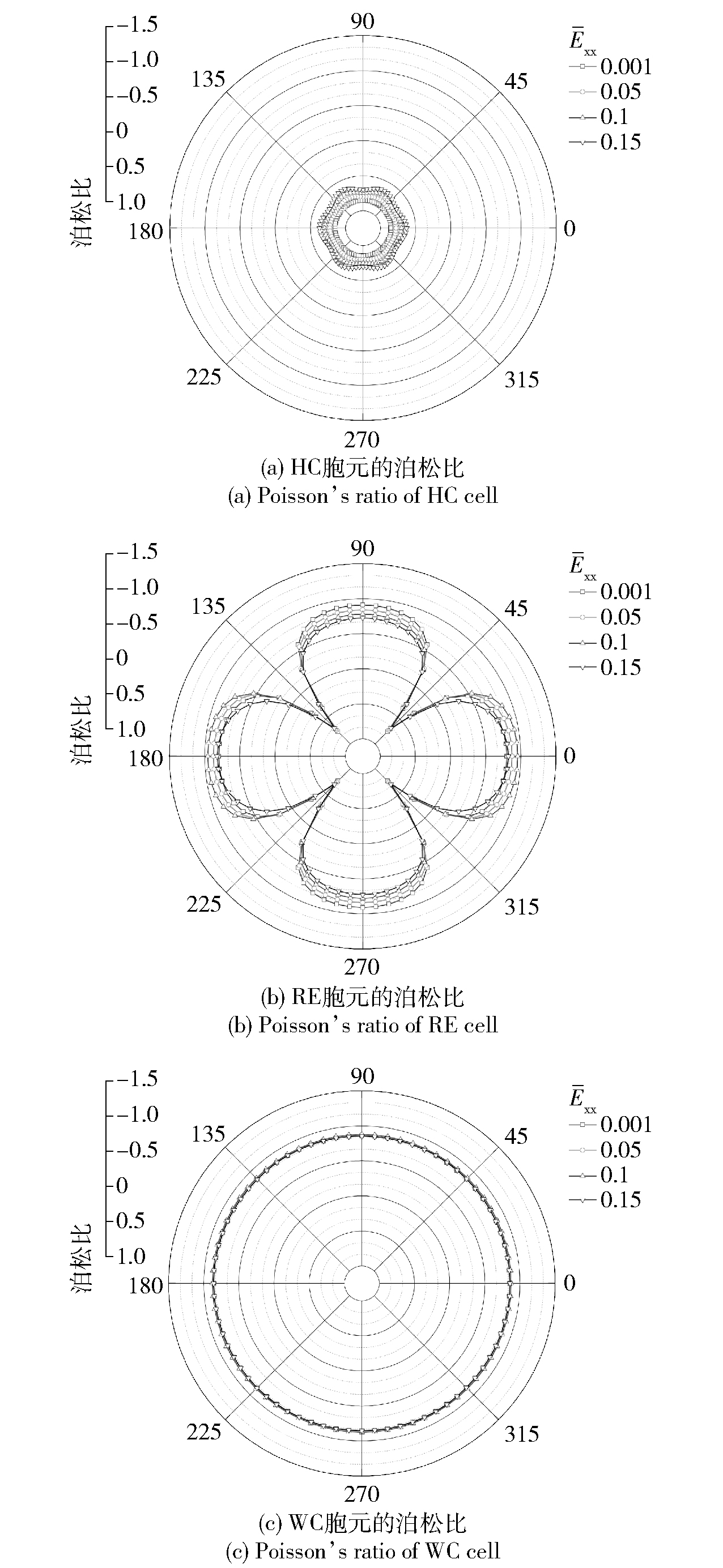
Fig.4 Polar plots of the compressive Poisson’s ratio for three cell configurations (Left axis represents the effective Poisson’s ratio; Exx denotes the average Biot strain)
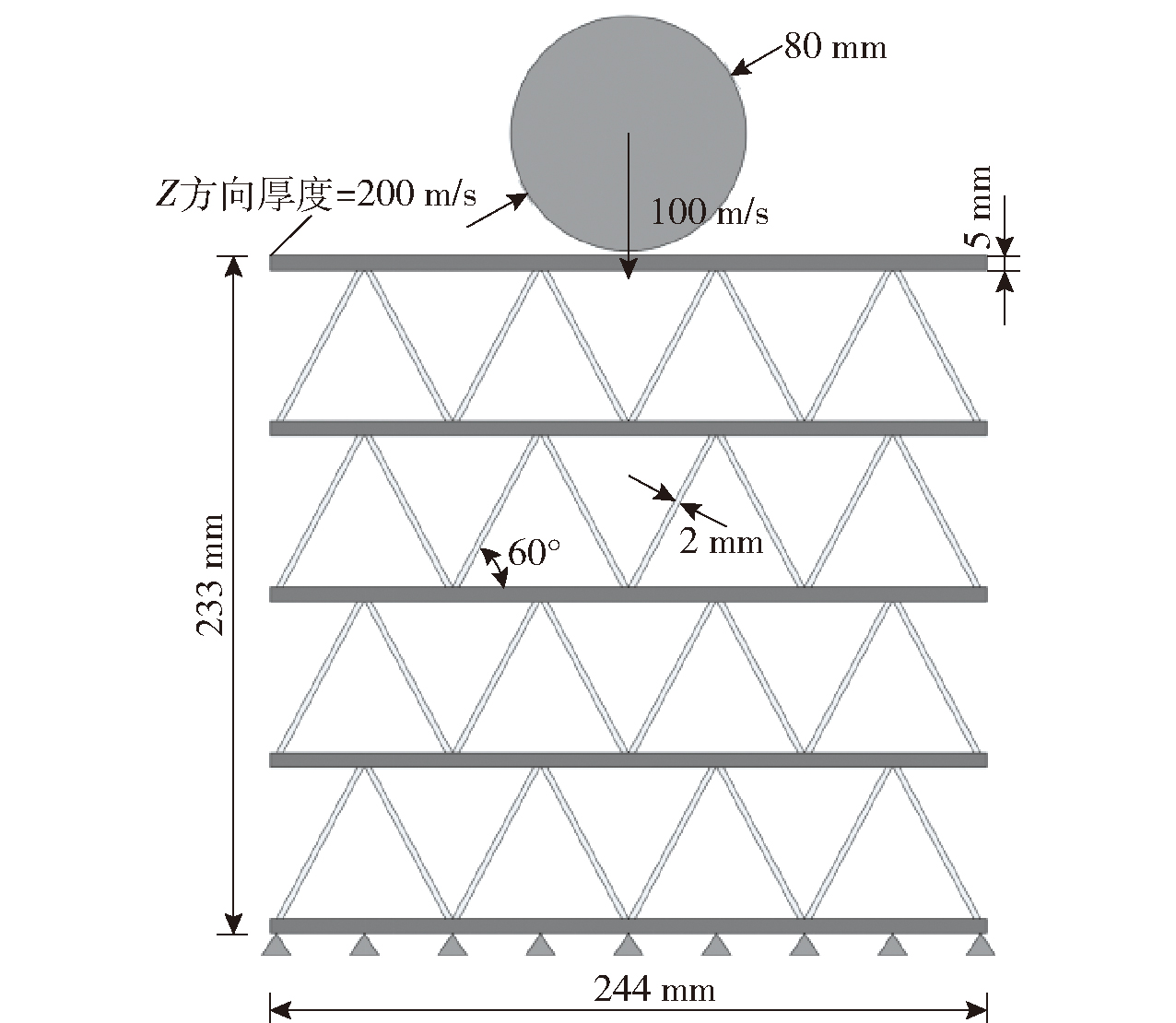
Fig.5 Triangular cell sandwich structure model
| 算例 | 背景网格尺寸 | 单个网格粒子数 | 粒子总数 |
|---|---|---|---|
| 网格1 | 1.25×1.25mm2 | 2×2 | ~3.83×10³ |
| 网格2 | 1.00×1.00mm2 | 2×2 | ~5.98×10³ |
| 网格3 | 0.50×0.50mm2 | 2×2 | ~23.94×10³ |
Table 3 Three cases with different background mesh sizes
| 算例 | 背景网格尺寸 | 单个网格粒子数 | 粒子总数 |
|---|---|---|---|
| 网格1 | 1.25×1.25mm2 | 2×2 | ~3.83×10³ |
| 网格2 | 1.00×1.00mm2 | 2×2 | ~5.98×10³ |
| 网格3 | 0.50×0.50mm2 | 2×2 | ~23.94×10³ |

Fig.6 Impact deformation of triangular cell sandwich structure (t=1ms)
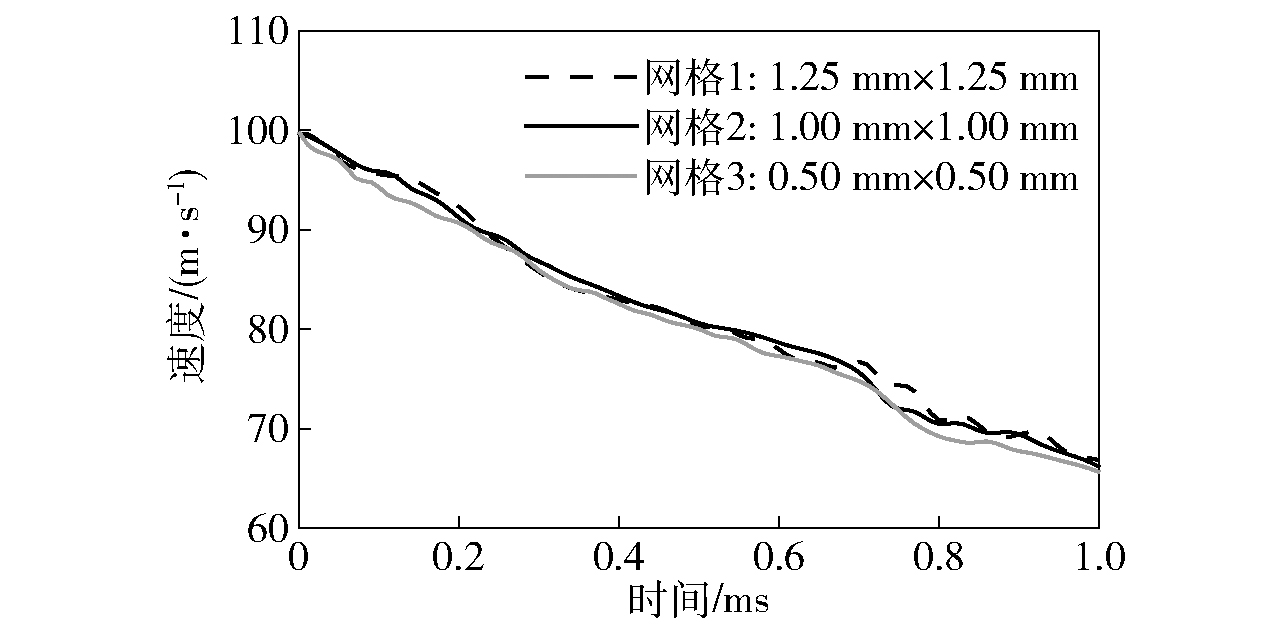
Fig.7 Velocity deceleration curve of the incident cylinder
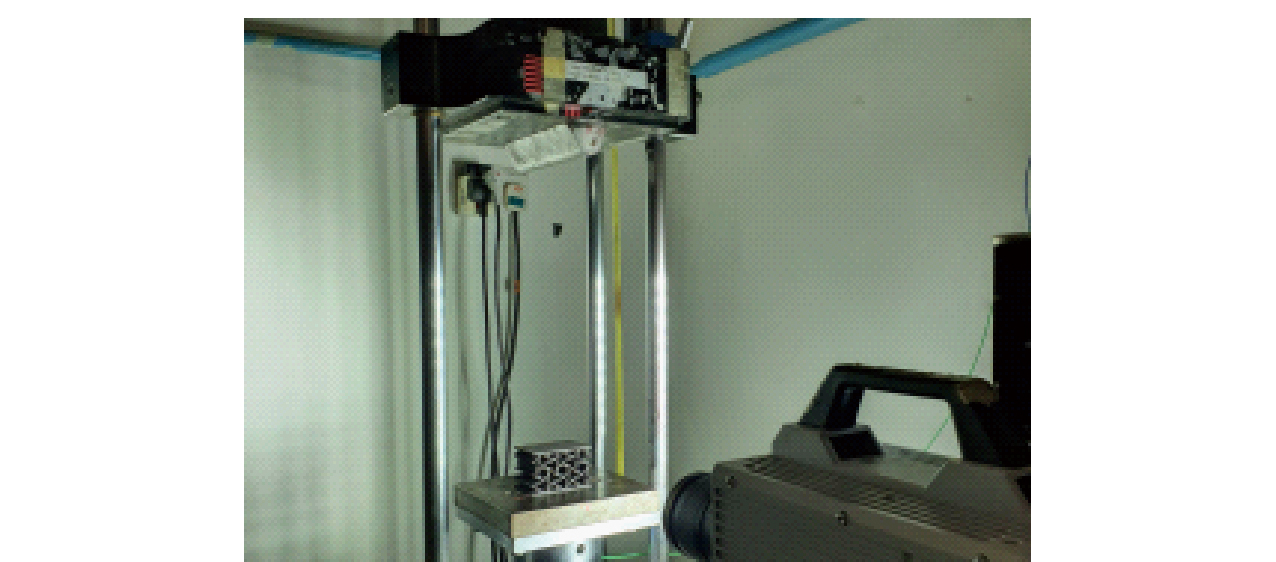
Fig.8 Drop-weight impact testing machine
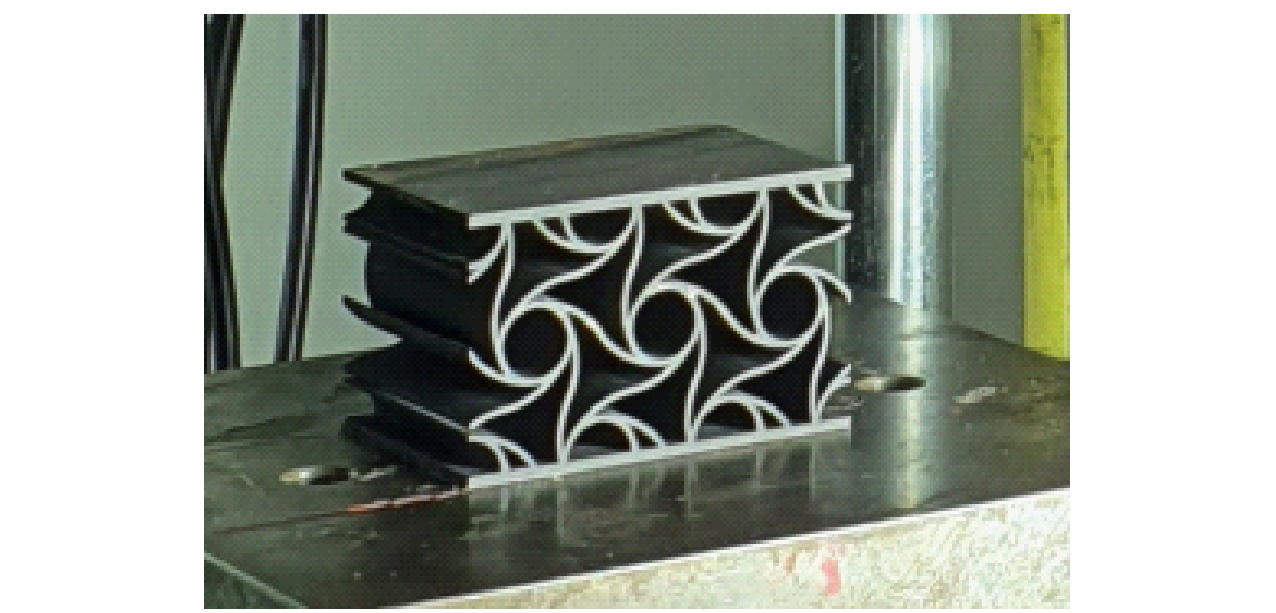
Fig.9 3D printed sandwich specimen
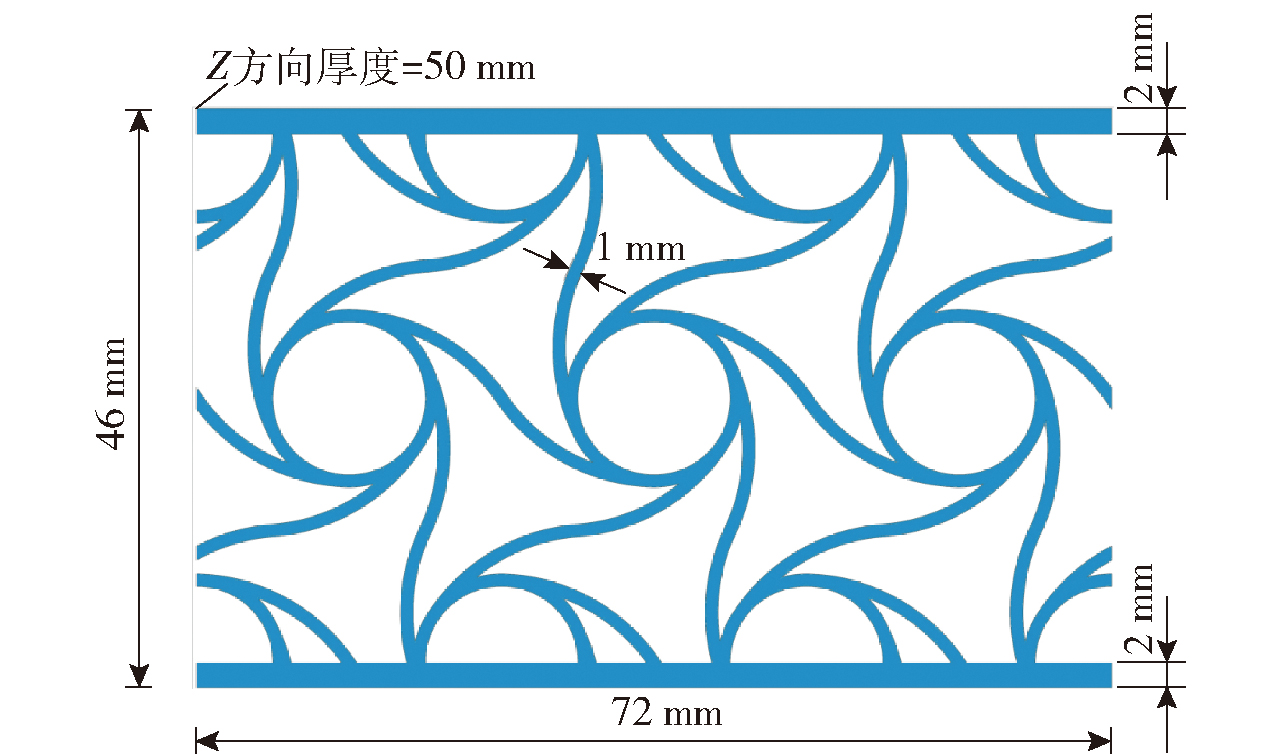
Fig.10 Geometry of 3D printed sandwich specimen
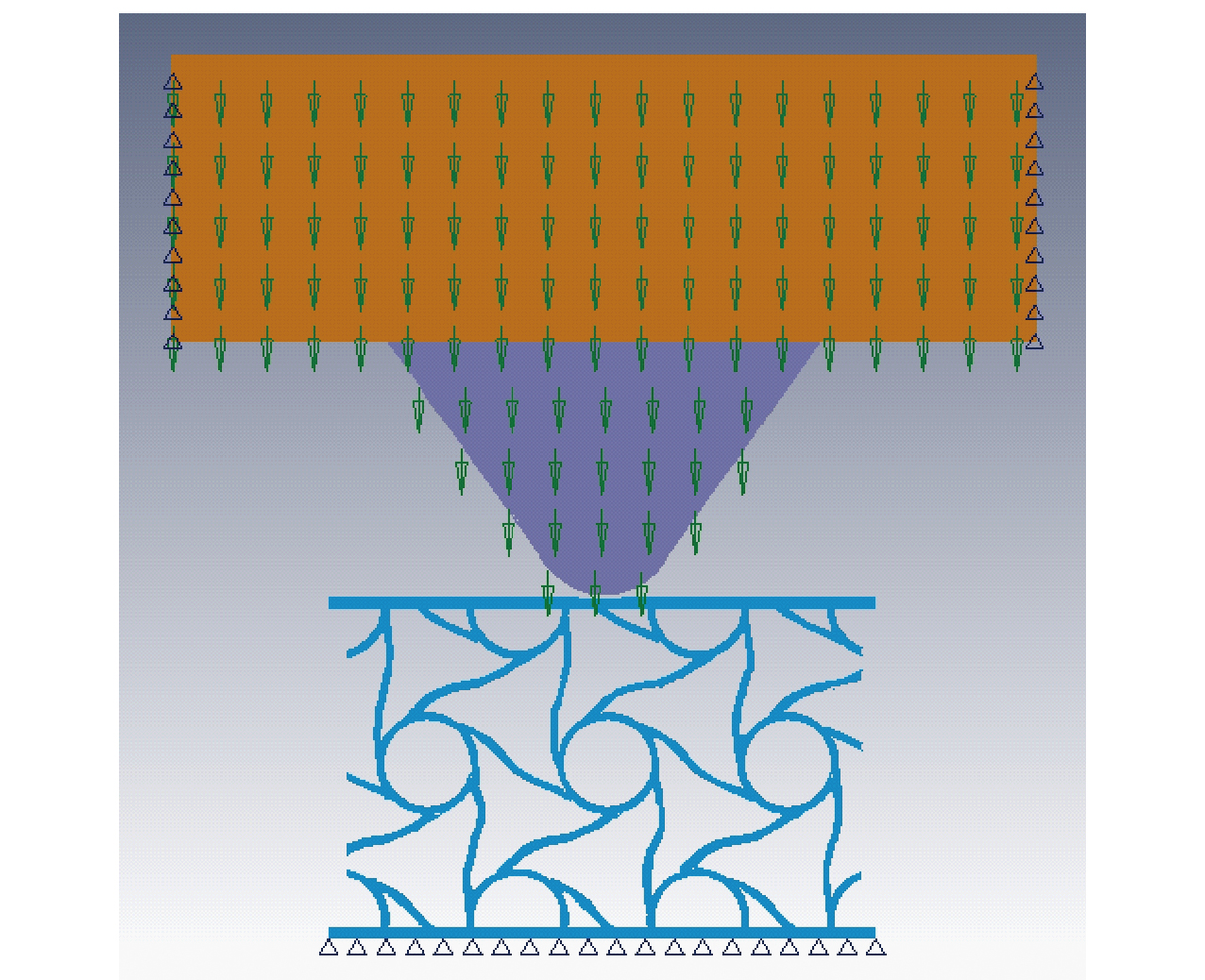
Fig.11 Two-dimensional material point discrete model for the drop-weight test

Fig.12 Simulated and experimental deformation patterns of sandwich structure

Fig.13 Vertical displacement-time curve at the impact location
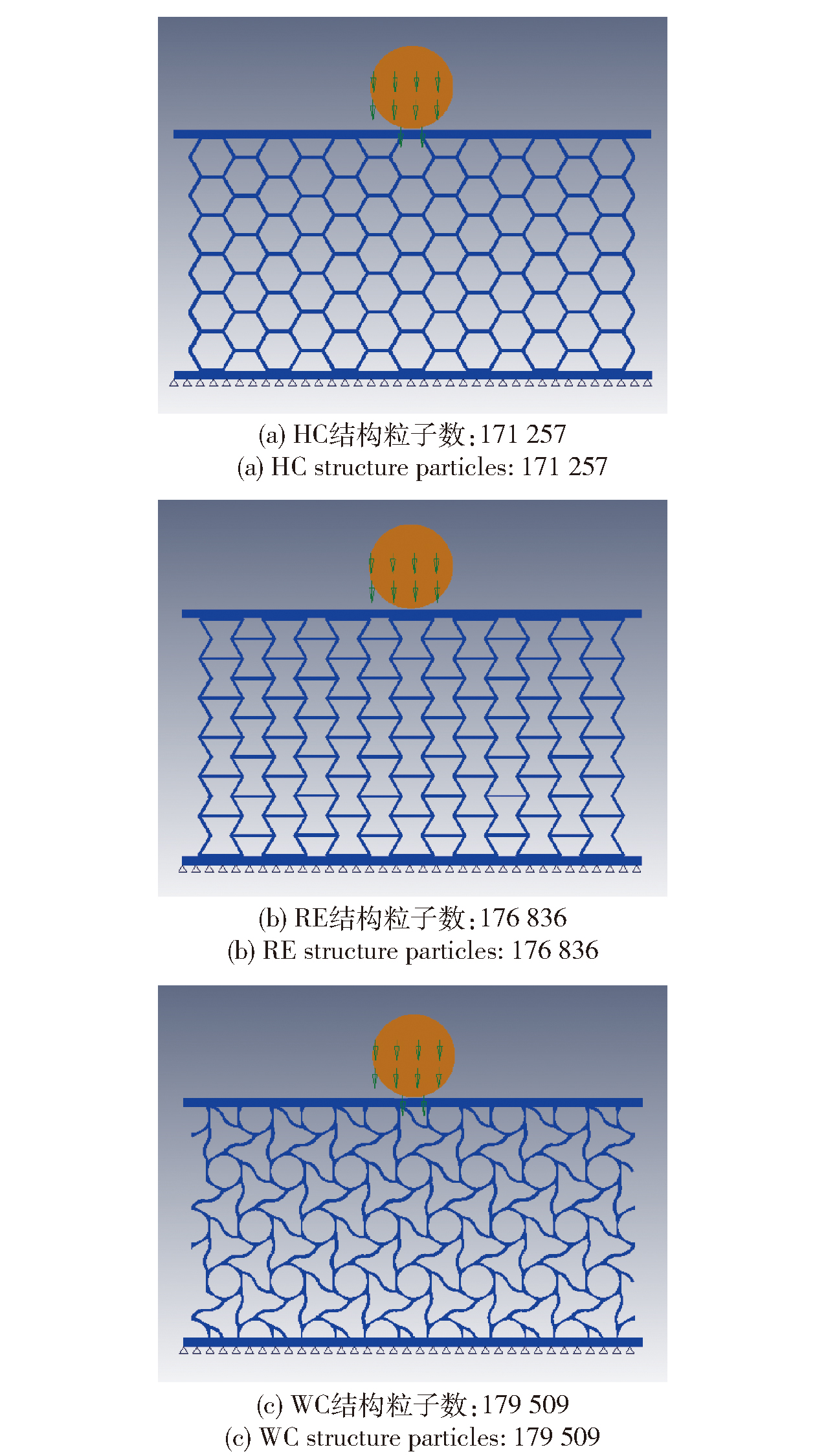
Fig.14 Material point models of three cellular sandwich structures
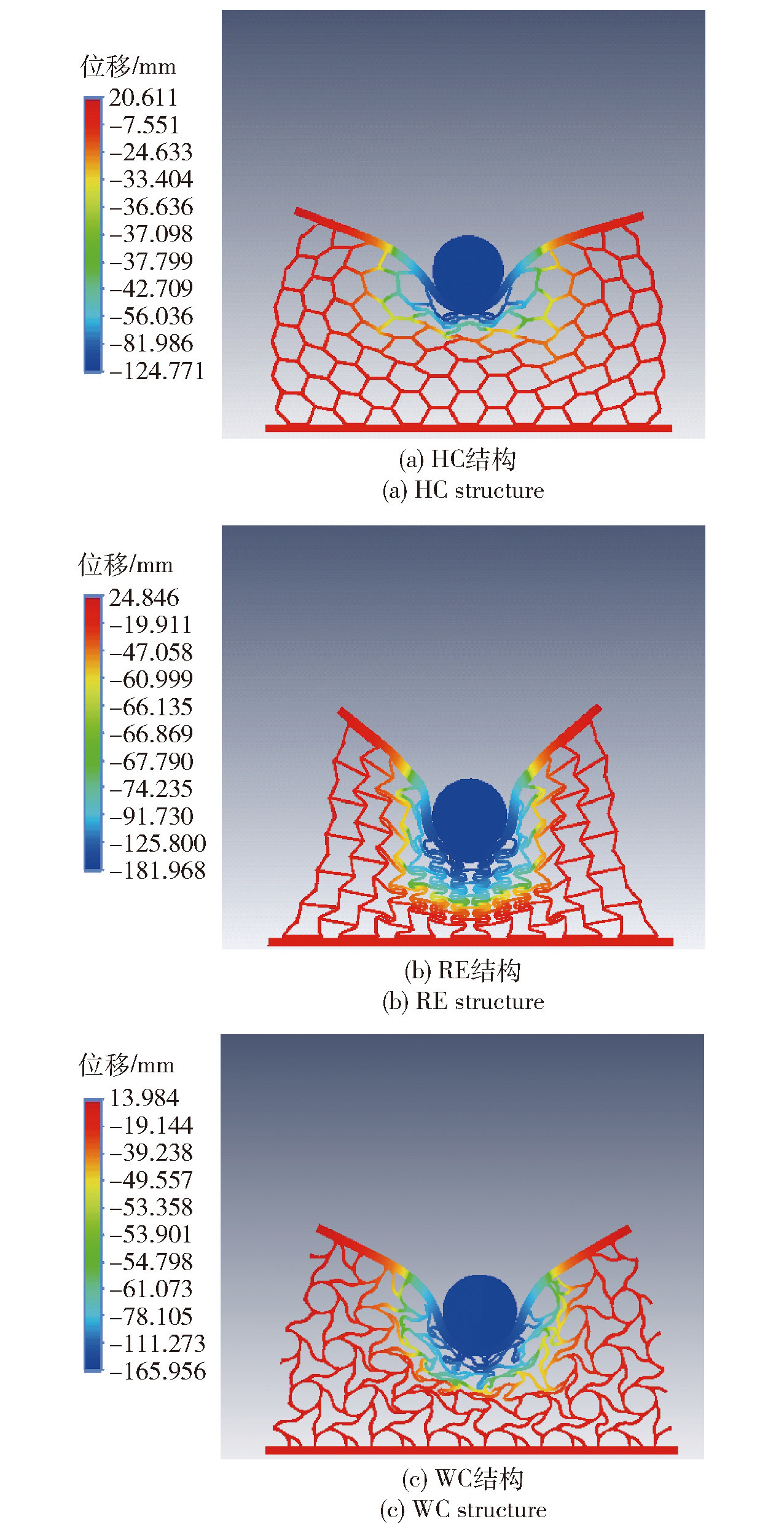
Fig.15 Vertical displacement contours of three cellular sandwich structures
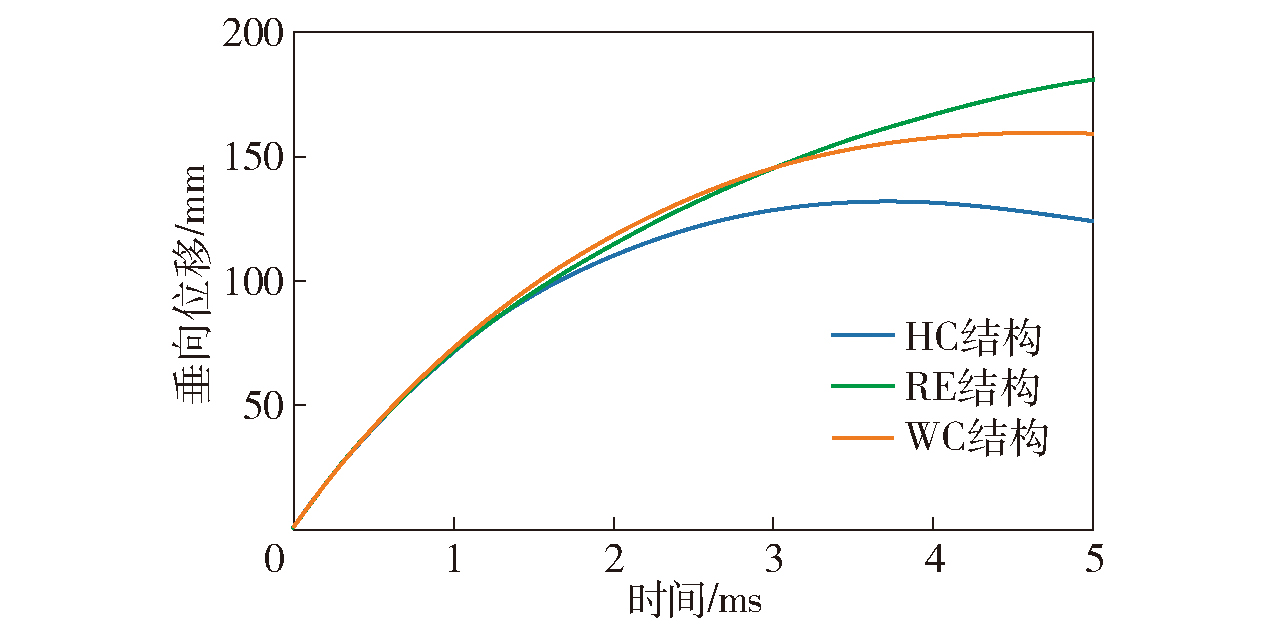
Fig.16 Vertical displacement history curves of the impact loaction
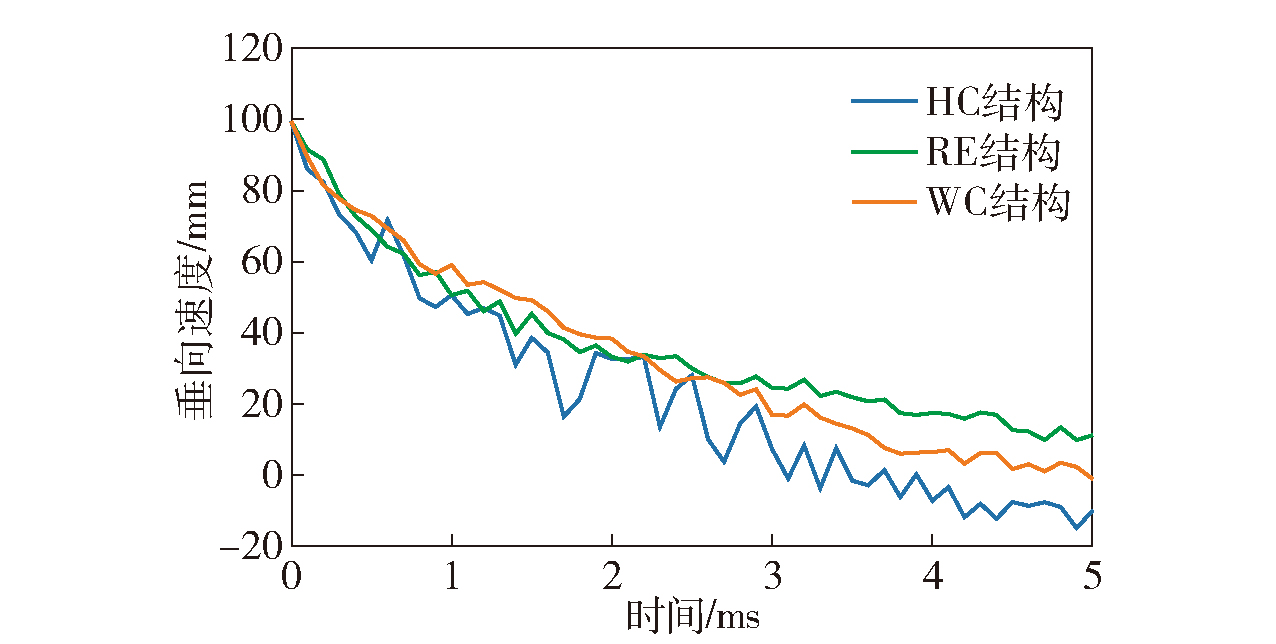
Fig.17 Vertical deceleration history of the incident cylinder
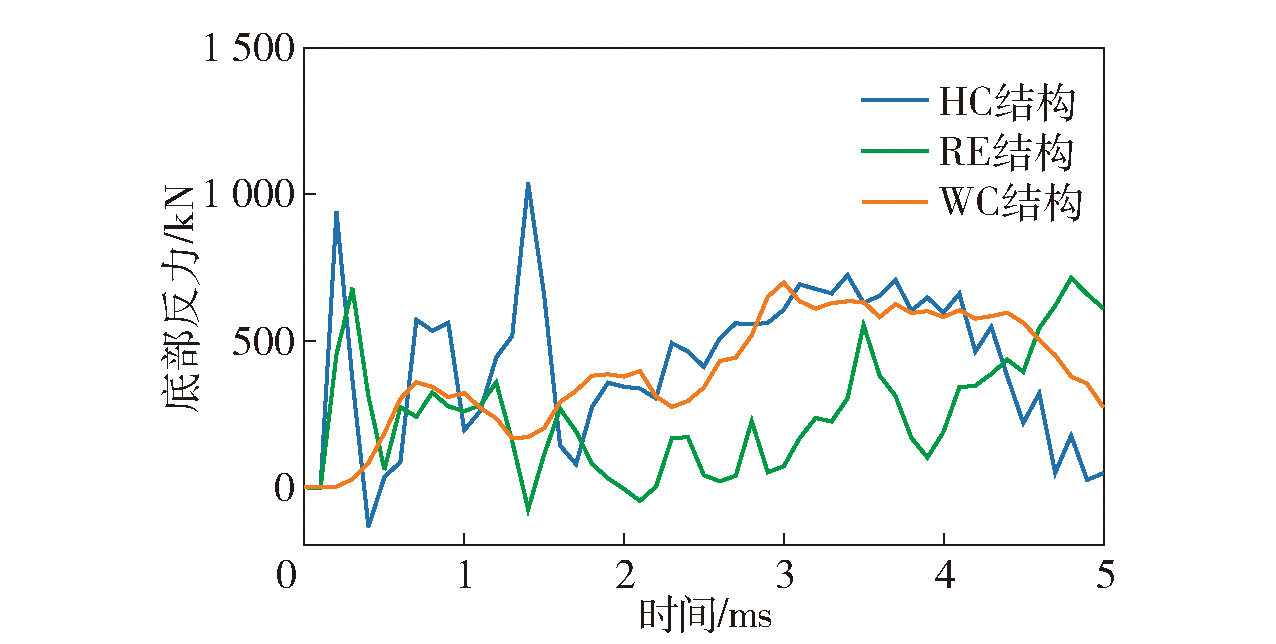
Fig.18 Reaction force history curves of the structure bottom

Fig.19 Energy dissipation-time curves for three cellular sandwich structures

Fig.20 Contour plots of equivalent plastic strains for three cellular sandwich structures at various time instances
| [12] |
doi: 10.1016/j.ijimpeng.2015.10.017 URL |
| [13] |
doi: 10.1016/j.jcp.2012.10.031 URL |
| [14] |
doi: 10.1016/j.tws.2021.107738 URL |
| [15] |
doi: 10.1016/0045-7825(94)90112-0 URL |
| [16] |
doi: 10.1002/nme.v66:4 URL |
| [17] |
doi: 10.1016/j.ijimpeng.2010.08.003 URL |
| [18] |
|
| [19] |
doi: 10.1016/j.cma.2021.114388 URL |
| [20] |
doi: 10.1016/0013-7944(85)90052-9 URL |
| [1] |
蒋伟忠, 张毅, 朱一林, 等. 功能性负泊松比超材料研究进展与展望[J]. 应用力学学报, 2025, 43(3): 494-510.
|
|
|
|
| [2] |
doi: 10.1016/j.ijimpeng.2025.105285 URL |
| [3] |
doi: 10.1016/j.ijimpeng.2024.105128 URL |
| [4] |
杨德庆, 马涛, 张梗林. 舰艇新型宏观负泊松比效应蜂窝舷侧防护结构[J]. 爆炸与冲击, 2015, 35(2): 243-248.
|
|
|
|
| [5] |
吴文旺, 肖登宝, 孟嘉旭, 等. 负泊松比结构力学设计、抗冲击性能及在车辆工程应用与展望[J]. 力学学报, 2021, 53(3): 611-638.
doi: 10.6052/0459-1879-20-333 |
|
|
|
| [6] |
贺锋, 梁一鸣, 李季, 等. 异型陶瓷负泊松比复合结构的防弹防爆性能数值模拟研究[J]. 安全与环境学报, 2024, 24(8): 2919-2928.
|
| [21] |
doi: 10.1016/j.crme.2012.10.044 URL |
| [22] |
辛春亮, 薛再清, 涂建, 等. 有限元分析常用材料参数手册[M]. 北京: 机械工业出版社, 2020.
|
|
|
|
| [23] |
王宇新. 爆炸冲击动力学数值分析物质点法[M]. 北京: 中国建筑工业出版社, 2014.
|
|
|
|
| [24] |
doi: 10.1088/1361-665X/aab33d URL |
| [25] |
doi: 10.1016/j.compstruct.2018.04.002 URL |
| [26] |
doi: 10.1007/s10443-023-10133-9 |
| [27] |
doi: 10.1007/s00158-017-1869-z URL |
| [28] |
doi: 10.1016/j.compscitech.2009.10.022 URL |
| [6] |
|
| [7] |
廖瑜, 蒋新生, 田镇华, 等. 泡沫铝弹冲击下柱面负泊松比蜂窝夹芯结构防护钢板动态响应特性[J/OL]. 兵工学报, 2025: 1-14. DOI: 10.12382/bgxb.2025.0025.
|
|
|
|
| [8] |
庄晟逸, 李成伟, 向文超, 等. 负泊松比结构的改进设计及其在航空航天中的应用[J]. 化工学报, 2024, 75(11): 3951-3972.
doi: 10.11949/0438-1157.20240878 |
|
|
|
| [9] |
doi: 10.1016/j.ijimpeng.2024.105000 URL |
| [10] |
doi: 10.1016/j.ijimpeng.2024.104890 URL |
| [11] |
金泽华, 刘清洋, 马文朝, 等. 新型星形负泊松比抗冲击结构设计与入水冲击[J]. 兵工学报, 2024, 45(5): 1497-1513.
doi: 10.12382/bgxb.2022.1212 |
|
doi: 10.12382/bgxb.2022.1212 |
| [1] | HUO Ziyi, HE Chenglong, JIA Song, YANG Kexu, MAO Xiang, HUANG Zhixin, PU Yanrong. Energy Dissipation and Damage Assessment of Ceramic/fiber Ballistic Plate under Multi-impacts [J]. Acta Armamentarii, 2025, 46(9): 240807-. |
| [2] | ZHEN Hong, XIAO Lijun, DU Chengxin, SONG Weidong. Damage Modes of Ultra-High Molecular Weight Polyethylene Fiber Composite Plates under Ballistic Impact Conditions [J]. Acta Armamentarii, 2025, 46(7): 240725-. |
| [3] | WEI Zhenqian, RONG Jili, WEI Huiyang, LI Furong, CHEN Zichao. Dynamic Response and Energy Dissipation of Foam Aluminum Sandwich Panel Subjected to Underwater Impulsive Loading [J]. Acta Armamentarii, 2025, 46(6): 240539-. |
| [4] | JU Jinlong, YANG Nana, YU Lei, ZHANG Zhe, WU Wenhua. Simulation of Water-entry Impact Characteristics of Auxetic Structure Buffer Device [J]. Acta Armamentarii, 2025, 46(5): 240640-. |
| [5] | GUO Dongyang, ZHAO Dongzhi, LIU De, ZHANG Shutong, GAO Muzhu, ZHAO Shuang. Energy Dissipation Mechanism of Fragments Subjected to the Strength-toughness Synergy of Shell Materials [J]. Acta Armamentarii, 2025, 46(11): 250093-. |
| [6] | JIA Di, CHEN Chuanqing, LI Xin. Numerical Simulation Study on the Blast Resistance of Foam Matrix Negative Effective Mass Metamaterials [J]. Acta Armamentarii, 2025, 46(10): 250505-. |
| [7] | MAO Ming, ZHANG Ya-feng, DU Fu, CHEN Yi-jie. Five Scientific and Technological Problems on Running System of High Mobility Tracked Vehicle [J]. Acta Armamentarii, 2015, 36(8): 1546-1555. |
| [8] | SHI Jin-song, XU Jin-yu, REN Wei-bo, SU Hao-yang. Research on Energy Dissipation and Fractal Characteristics of Concrete after Exposure to Elevated Temperatures underImpact Loading [J]. Acta Armamentarii, 2014, 35(5): 703-710. |
| Viewed | ||||||
|
Full text |
|
|||||
|
Abstract |
|
|||||
