


Responsible Institution: China Association for Science and Technology
Sponsor: China Ordnance Society
ISSN 1000-1093 CN 11-2176/TJ
Sponsor: China Ordnance Society
ISSN 1000-1093 CN 11-2176/TJ
Acta Armamentarii ›› 2025, Vol. 46 ›› Issue (10): 250482-.doi: 10.12382/bgxb.2025.0482
Previous Articles Next Articles
WANG Shengfang1,2, CHANG Hui1,2,*( ), JIAO Zhiming1,2, YIN Yunfei1,2, ZHANG Tuanwei1,2, LI Zhiqiang1,2, WANG Zhihua1,2,**()
Received:2025-06-10
Online:2025-11-05
Contact:
CHANG Hui, WANG Zhihua
WANG Shengfang, CHANG Hui, JIAO Zhiming, YIN Yunfei, ZHANG Tuanwei, LI Zhiqiang, WANG Zhihua. Study on the Damage Effect and Debris Cloud Characteristics of Reactive Fragments of High-entropy Alloys[J]. Acta Armamentarii, 2025, 46(10): 250482-.
Add to citation manager EndNote|Ris|BibTeX
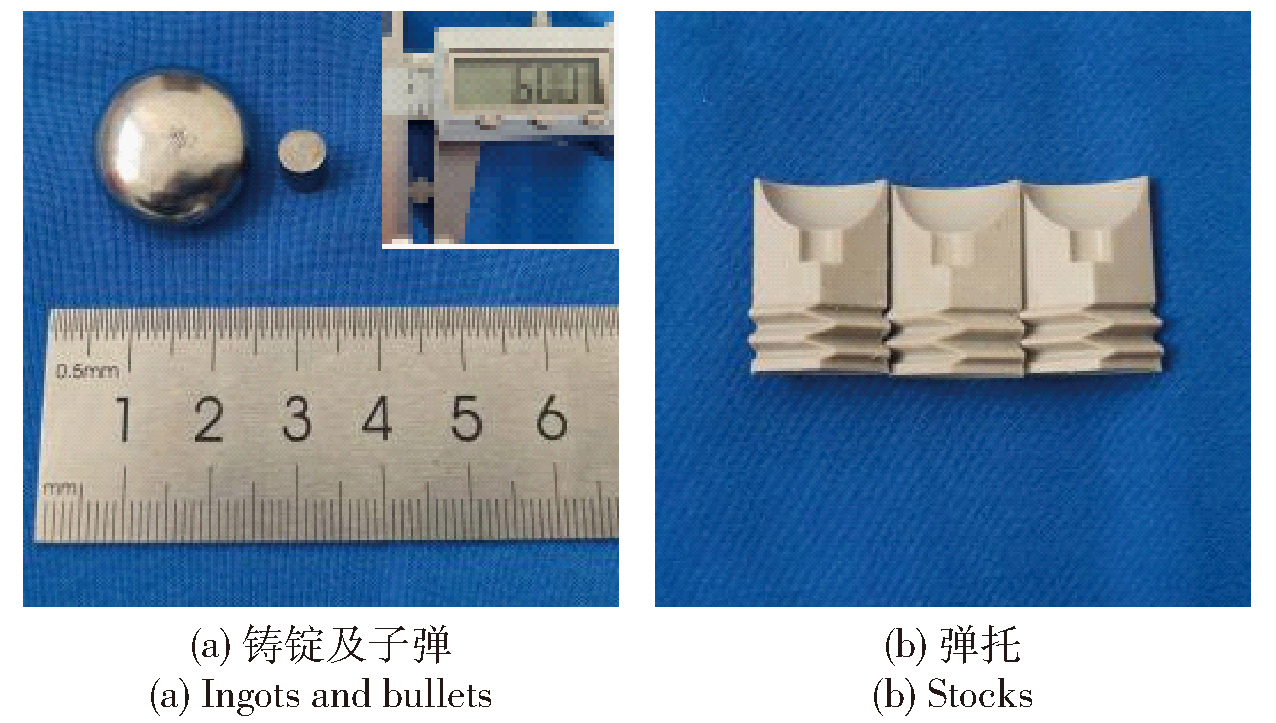
Fig.1 Exterior view of ingots, bullets and stocks
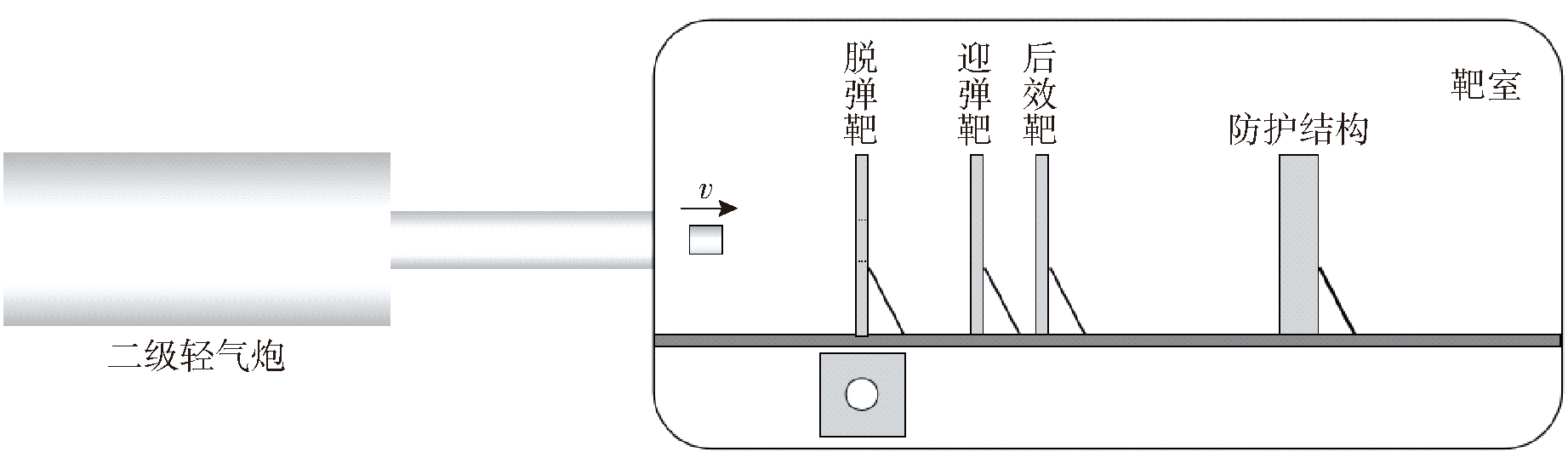
Fig.2 Schematic diagram of the two-stage light gas gun experiment
| 弹丸 质量/g | 气室 气体 | 气室 气压/ MPa | 泵管 气体 | 泵管 气压/ MPa | 活塞 材质 | 速度/ (m·s-1) |
|---|---|---|---|---|---|---|
| 1.57 | N2 | 2.02 | N2 | 0.87 | 铝合金+PC | 584 |
| 1.53 | N2 | 10.93 | N2 | 0.17 | PC | 1470 |
| 1.47 | N2 | 17.03 | N2 | 0.15 | PC | 2500 |
Table 1 Experimental parameters of Two-stage Light Gas Gun
| 弹丸 质量/g | 气室 气体 | 气室 气压/ MPa | 泵管 气体 | 泵管 气压/ MPa | 活塞 材质 | 速度/ (m·s-1) |
|---|---|---|---|---|---|---|
| 1.57 | N2 | 2.02 | N2 | 0.87 | 铝合金+PC | 584 |
| 1.53 | N2 | 10.93 | N2 | 0.17 | PC | 1470 |
| 1.47 | N2 | 17.03 | N2 | 0.15 | PC | 2500 |
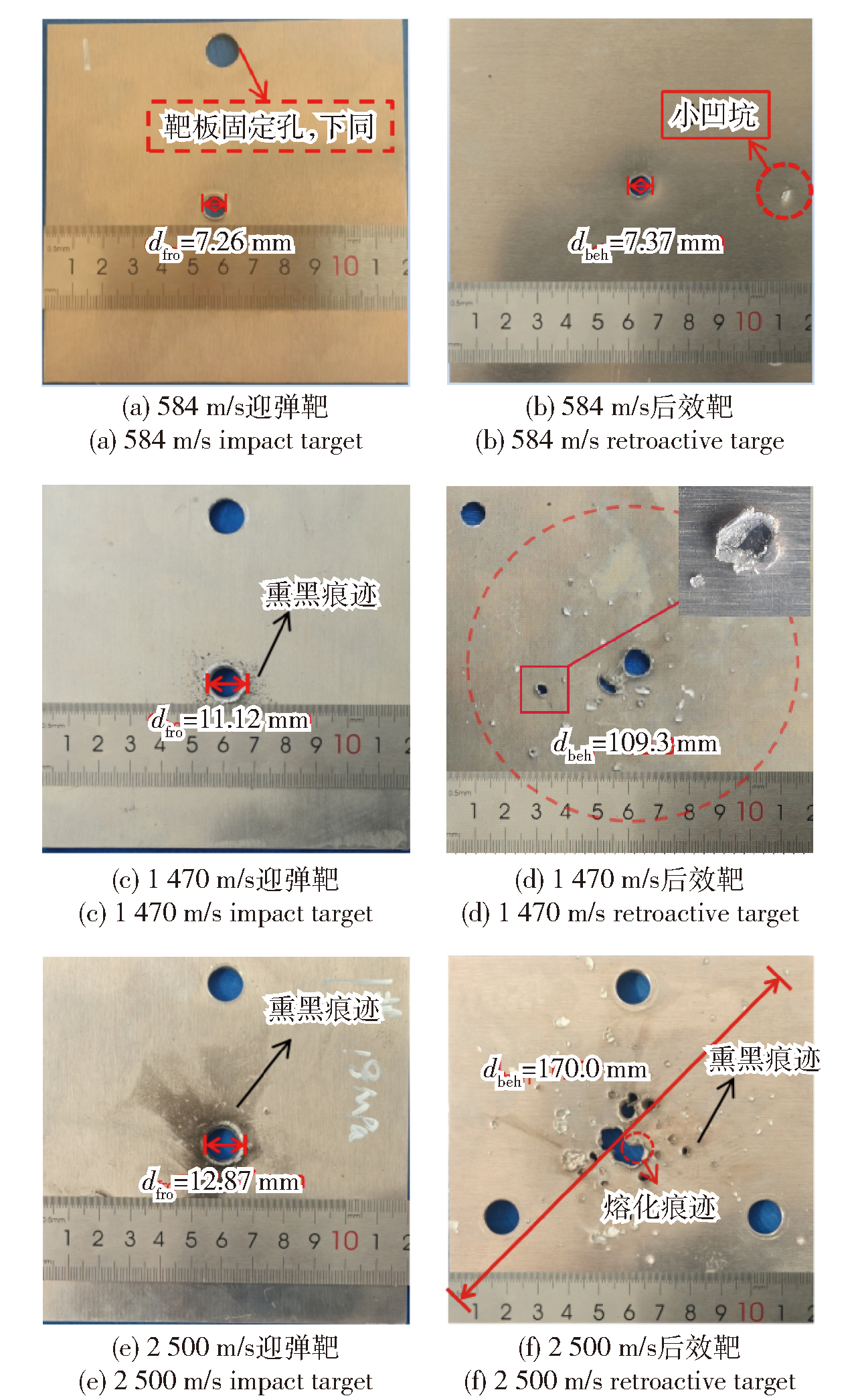
Fig.3 Schematic diagram of damage to the target plate at different speeds
| 速度/(m·s-1) | 584 | 1470 | 2500 |
|---|---|---|---|
| 面积/mm2 | 170 | 308 | 986 |
Table 2 Post-effect target perforation area
| 速度/(m·s-1) | 584 | 1470 | 2500 |
|---|---|---|---|
| 面积/mm2 | 170 | 308 | 986 |
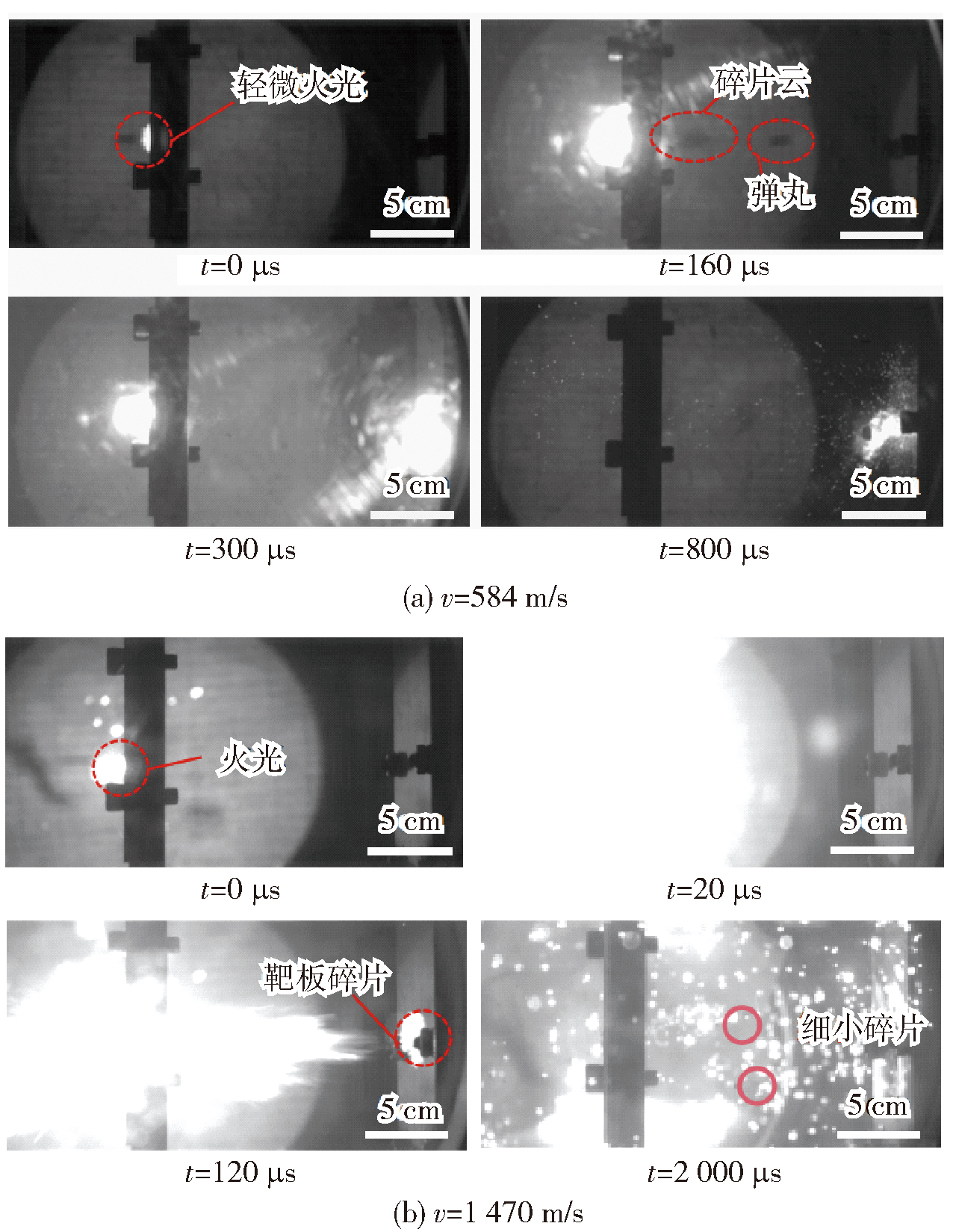
Fig.4 Typical high-speed photographic images of the cloud of debris after impact at different speeds
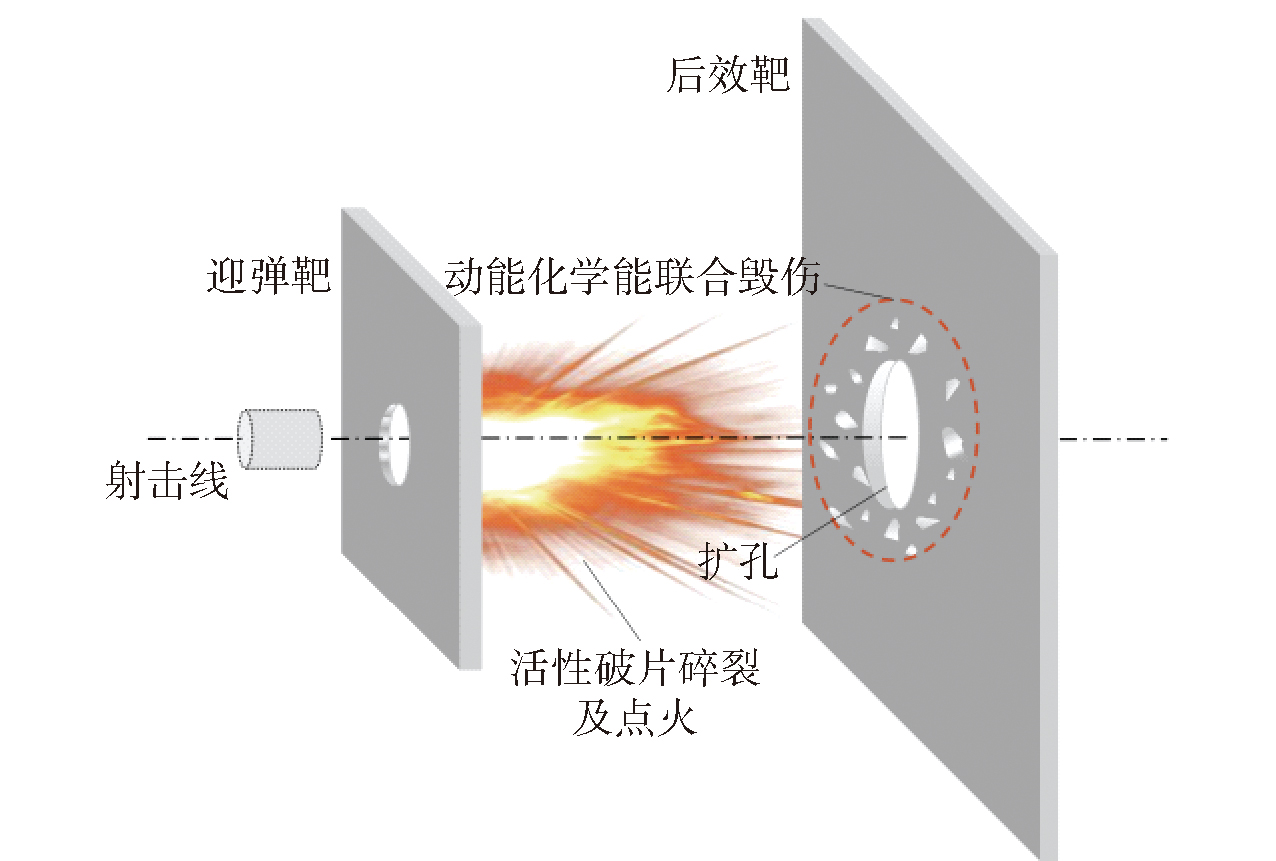
Fig.5 Schematic diagram of the damage of the energetic fragment spaced target
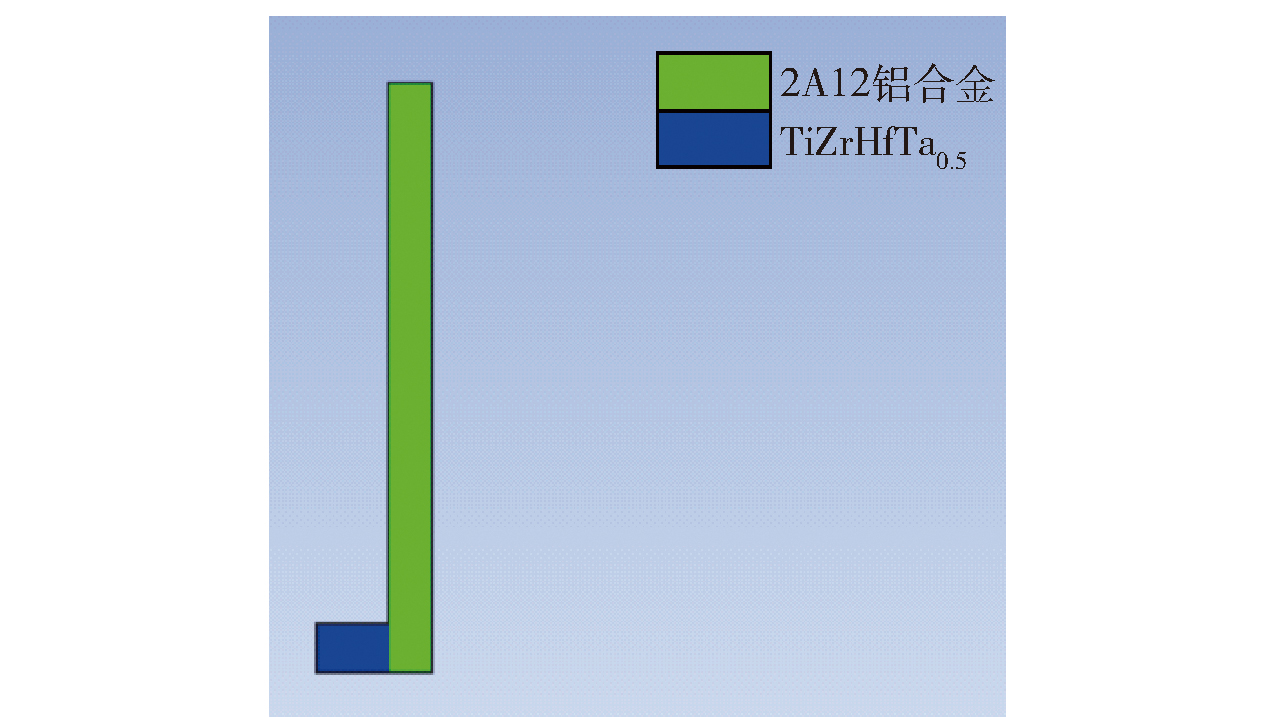
Fig.6 Modeling of 2A12 aluminum alloy target plate and TiZrHfTa0.5 high entropy alloy projectile
| 金属种类 | C0/ (km·s-1) | ρ/ (kg·m-3) | S | γ0 |
|---|---|---|---|---|
| Ti | 4.5 | 4.506 | 1.5 | 1.2 |
| Zr | 3.9 | 6.511 | 1.6 | 1.5 |
| Hf | 3.5 | 13.31 | 1.8 | 1.3 |
| Ta | 3.3 | 16.65 | 2.0 | 1.6 |
| TiZrHfTa0.5 | 4.413 | 9.339 | 1.189 | 1.137 |
Table 3 Physical parameters of high entropy alloy elements
| 金属种类 | C0/ (km·s-1) | ρ/ (kg·m-3) | S | γ0 |
|---|---|---|---|---|
| Ti | 4.5 | 4.506 | 1.5 | 1.2 |
| Zr | 3.9 | 6.511 | 1.6 | 1.5 |
| Hf | 3.5 | 13.31 | 1.8 | 1.3 |
| Ta | 3.3 | 16.65 | 2.0 | 1.6 |
| TiZrHfTa0.5 | 4.413 | 9.339 | 1.189 | 1.137 |
| 参数 | 数值 | 参数 | 数值 |
|---|---|---|---|
| E/GPa | 63.5 | n | 1.18 |
| G/GPa | 23.87 | m | 0.55 |
| ρ/(kg·m-3) | 9.339 | ${\stackrel{·}{\epsilon }}_{0}$ | 10-3 |
| A/MPa | 775 | Tm/K | 1893 |
| B/MPa | 1124 | εc | 0.26 |
| C | 0.68 |
Table 4 Constitutive parameters of TiZrHfTa0.5 refractory high entropy alloy
| 参数 | 数值 | 参数 | 数值 |
|---|---|---|---|
| E/GPa | 63.5 | n | 1.18 |
| G/GPa | 23.87 | m | 0.55 |
| ρ/(kg·m-3) | 9.339 | ${\stackrel{·}{\epsilon }}_{0}$ | 10-3 |
| A/MPa | 775 | Tm/K | 1893 |
| B/MPa | 1124 | εc | 0.26 |
| C | 0.68 |
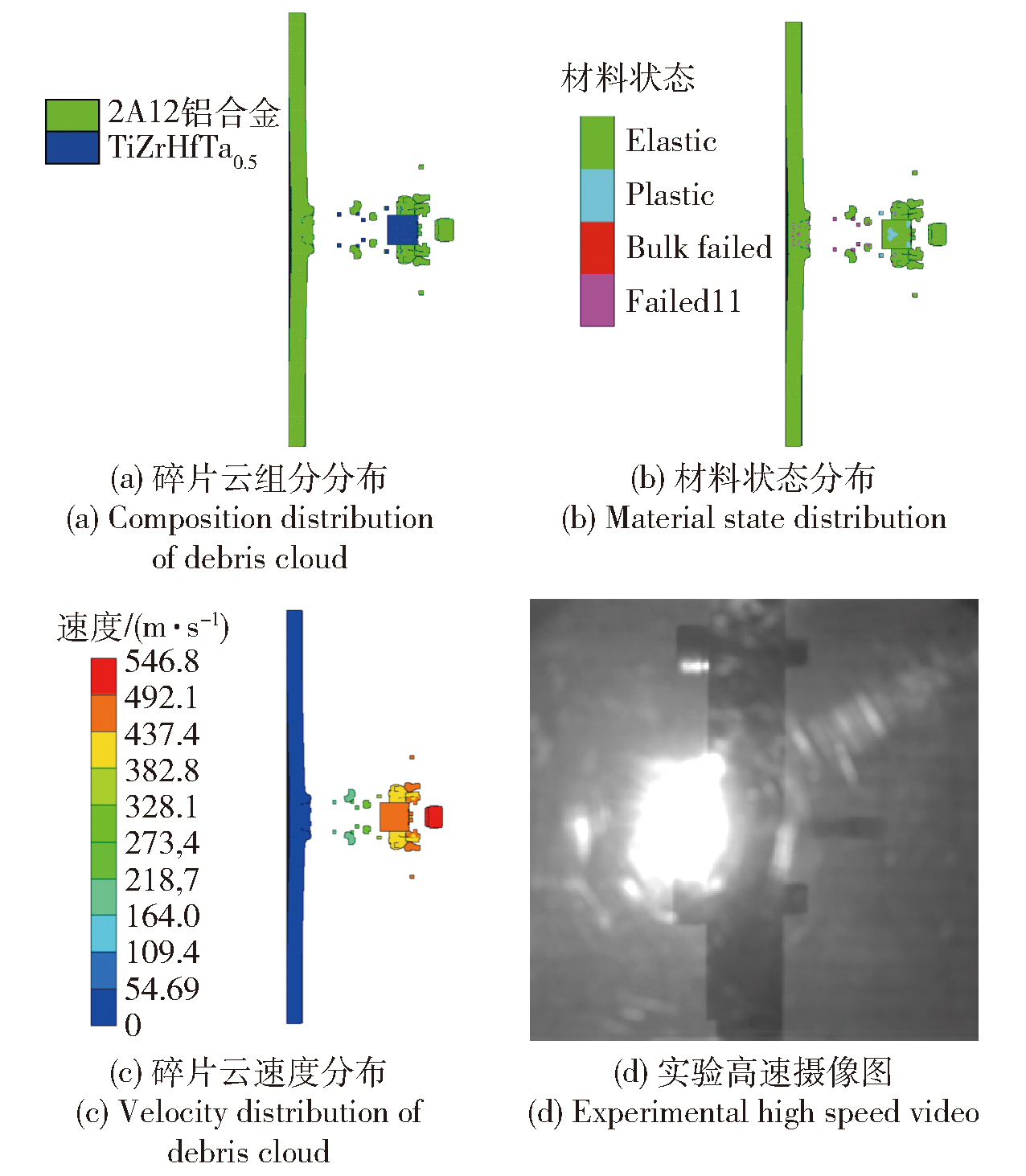
Fig.7 Schematic diagram and experimental photos of debris cloud simulation at 584m/s
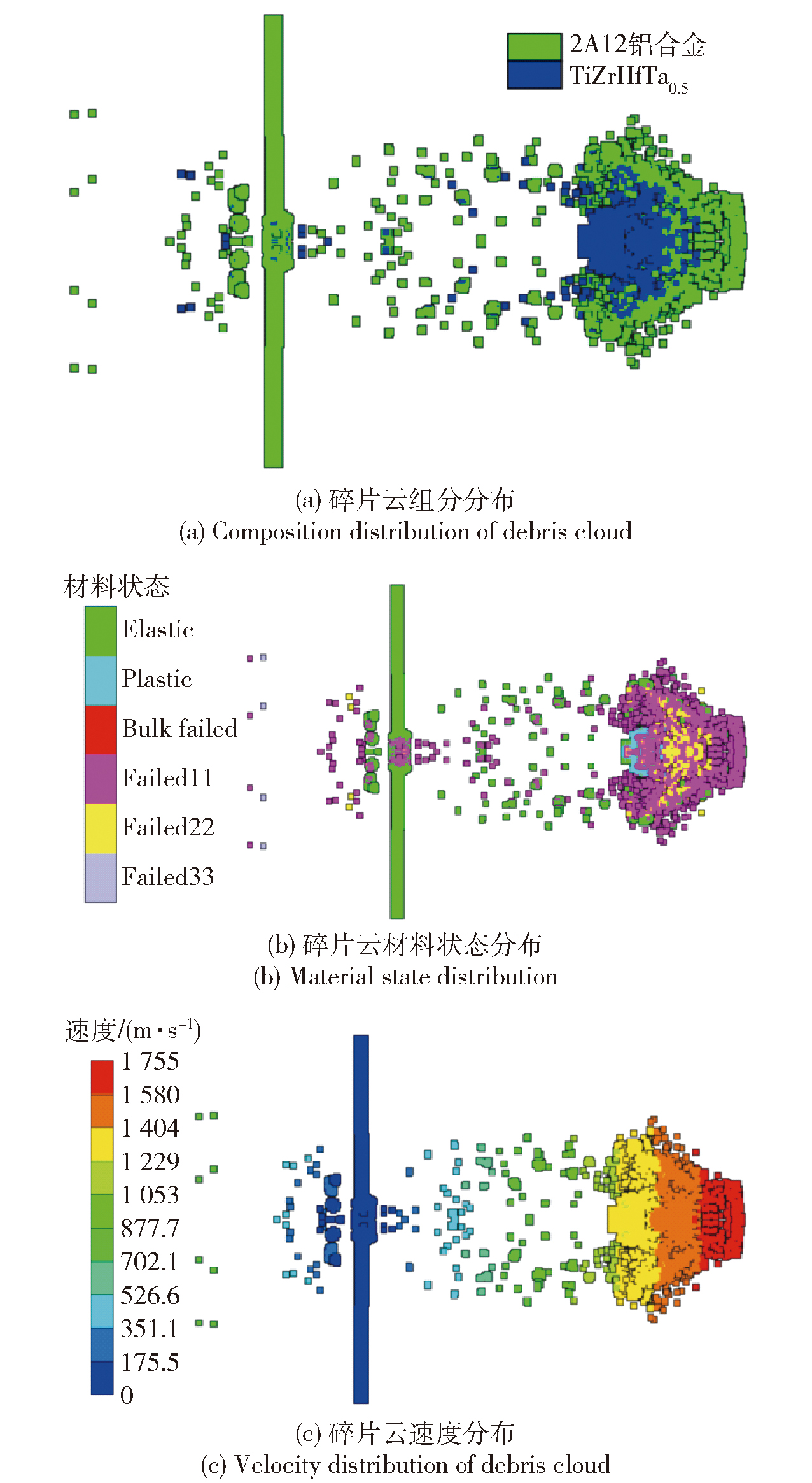
Fig.8 Debris cloud morphology under 1470m/s impact
| 碎片体积/ mm3 | 速度/(m·s-1) | ||
|---|---|---|---|
| 584 | 1470 | 2500 | |
| >1 | 7 | 210 | 822 |
| 0.1~1 | 22 | 231 | 416 |
| 0.01~0.1 | 14 | 68 | 176 |
| <0.01 | 6 | 34 | 62 |
| 总计 | 49 | 543 | 1476 |
Table 4 Number of fragments in the debris cloud at various penetration velocities
| 碎片体积/ mm3 | 速度/(m·s-1) | ||
|---|---|---|---|
| 584 | 1470 | 2500 | |
| >1 | 7 | 210 | 822 |
| 0.1~1 | 22 | 231 | 416 |
| 0.01~0.1 | 14 | 68 | 176 |
| <0.01 | 6 | 34 | 62 |
| 总计 | 49 | 543 | 1476 |
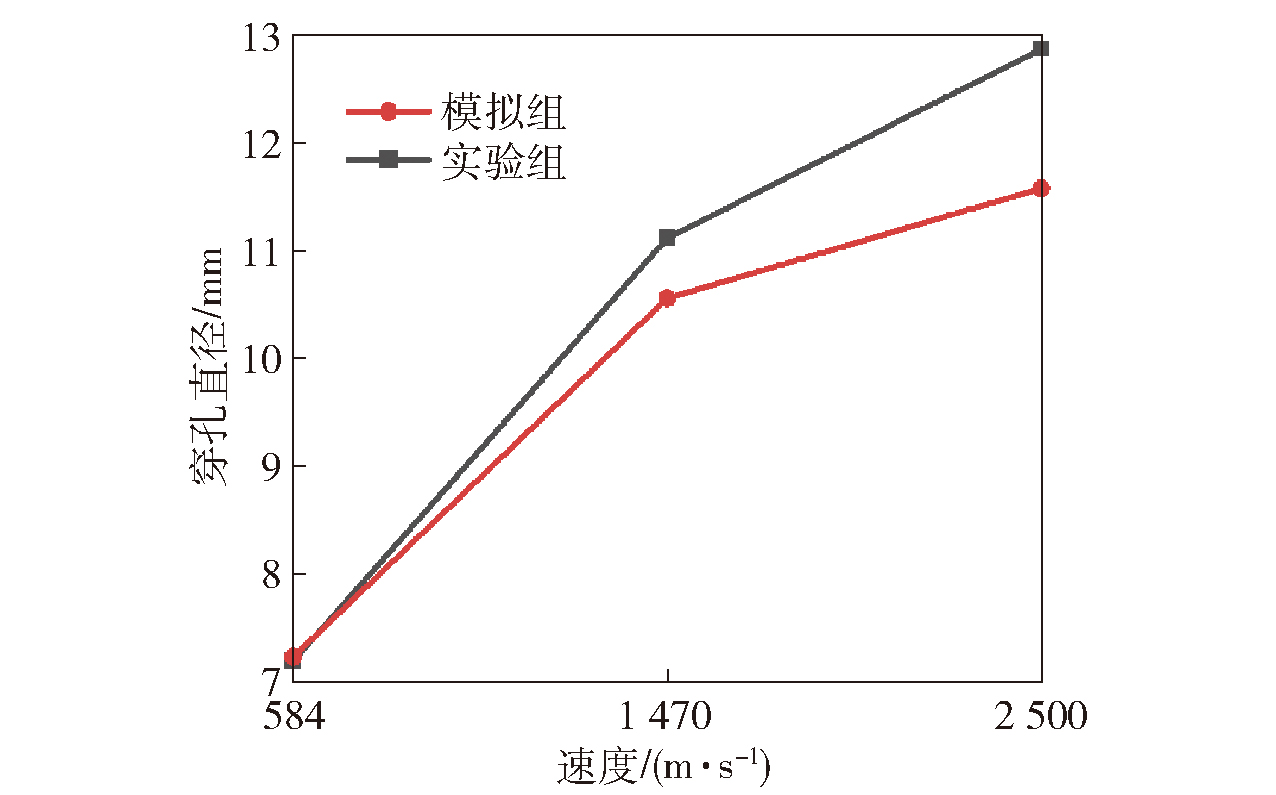
Fig.9 Piercing diameter of the target at different speeds
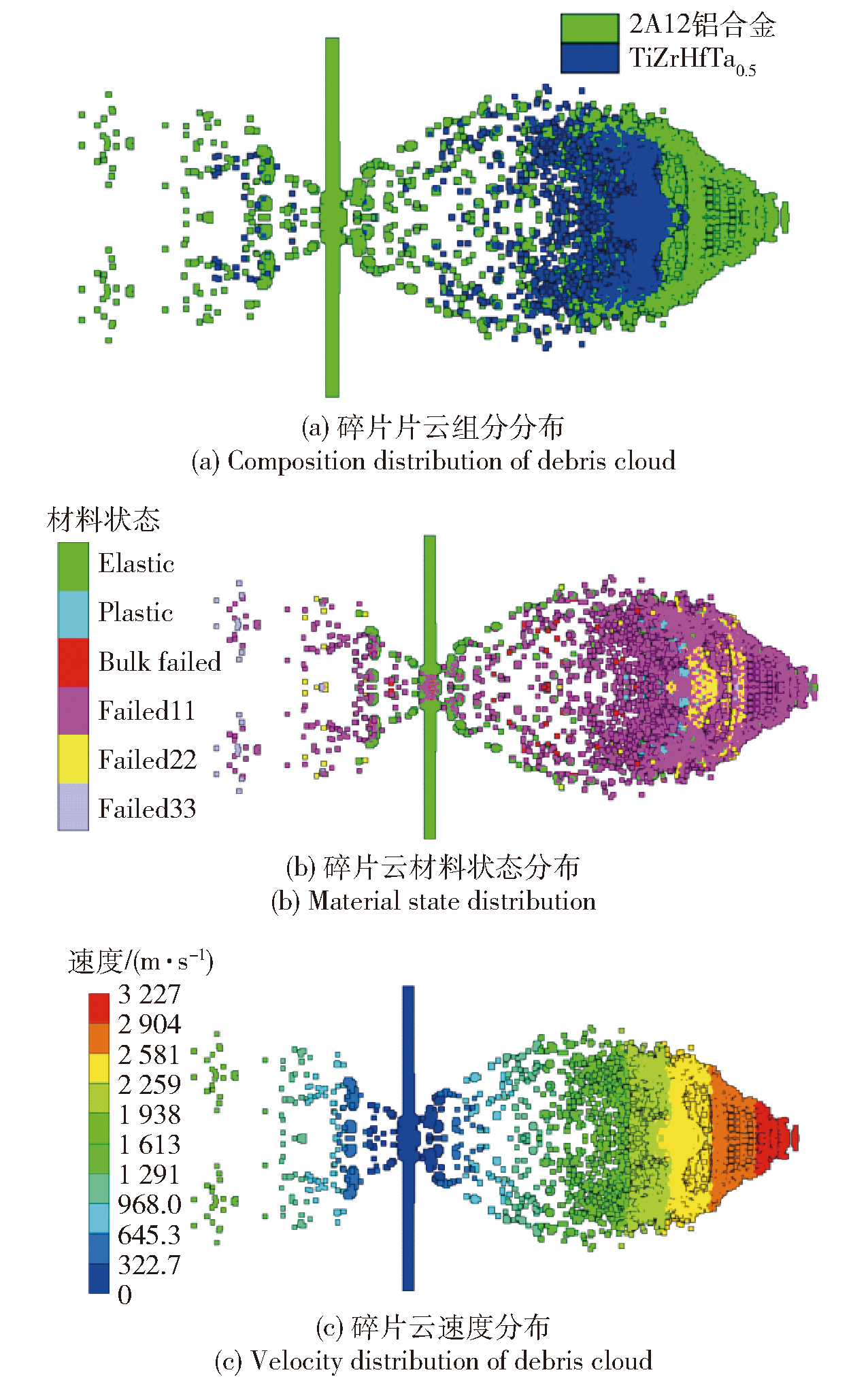
Fig.10 Debris cloud morphology under 2500m/s impact
| 速度/ (m·s-1) | 靶板碎片/ (°) | 弹丸碎片/ (°) | db,c/ mm | db/ mm |
|---|---|---|---|---|
| 584 | 24.79 | 15.35 | - | - |
| 1470 | 41.23 | 17.39 | 93.38 | 109.3 |
| 2500 | 50.02 | 31.03 | 180.43 | >170 |
Table 5 Statistics of maximum scattering Angle of fragments
| 速度/ (m·s-1) | 靶板碎片/ (°) | 弹丸碎片/ (°) | db,c/ mm | db/ mm |
|---|---|---|---|---|
| 584 | 24.79 | 15.35 | - | - |
| 1470 | 41.23 | 17.39 | 93.38 | 109.3 |
| 2500 | 50.02 | 31.03 | 180.43 | >170 |
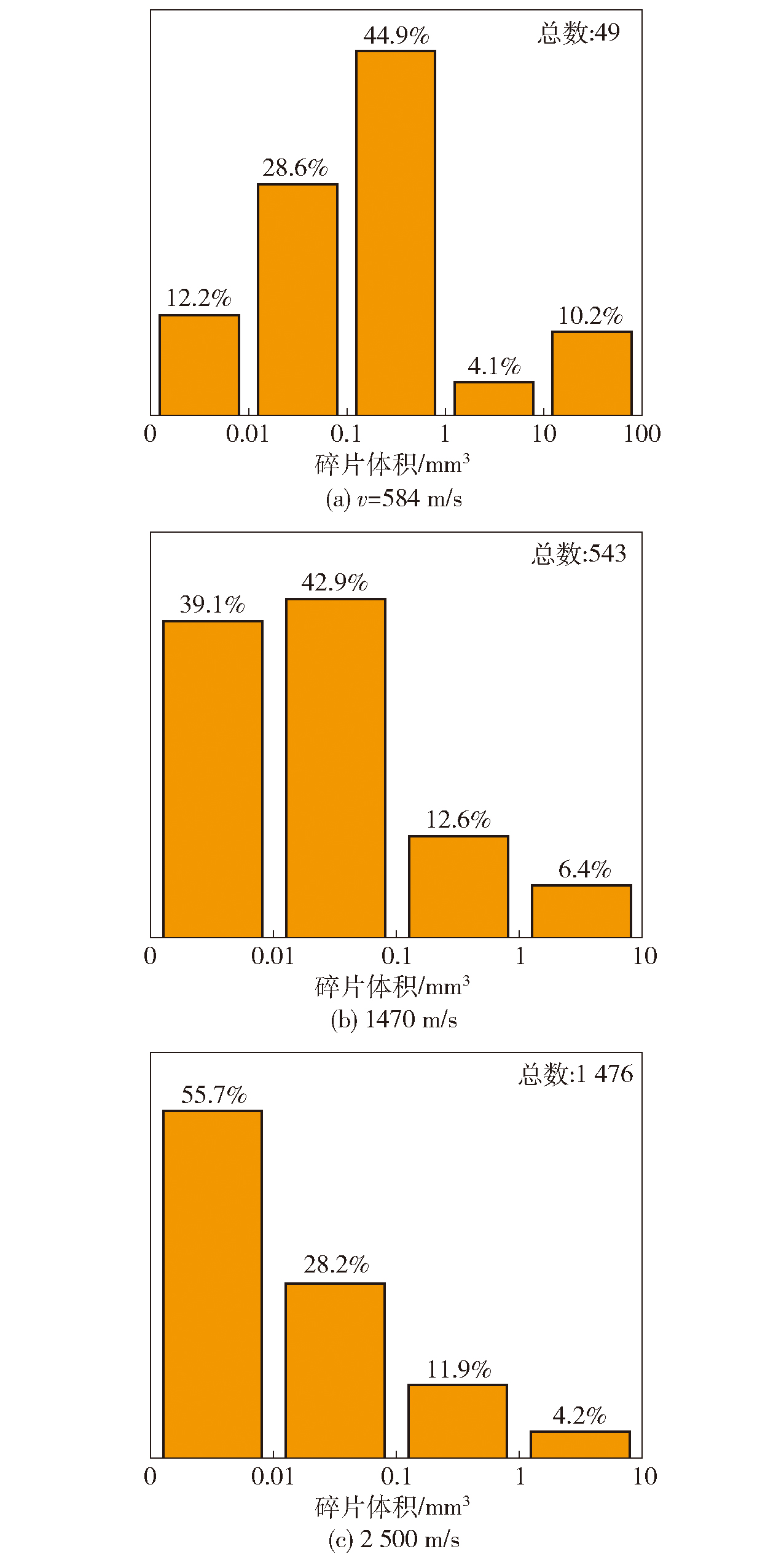
Fig.11 Proportion of fragments of different sizes
| [1] |
|
| [2] |
谢剑文, 李沛豫, 王海福, 等. 活性破片撞击油箱毁伤行为与机理[J]. 兵工学报, 2022, 43(7):1565-1577.
doi: 10.12382/bgxb.2021.0384 |
|
doi: 10.12382/bgxb.2021.0384 |
|
| [3] |
周晟, 郭萌萌, 张甲浩, 等. 活性破片作用后效靶板耦合能量分布特征[J]. 兵工学报, 2024, 45(S1):81-88.
doi: 10.12382/bgxb.2024.0526 |
|
doi: 10.12382/bgxb.2024.0526 |
|
| [4] |
doi: 10.1016/j.matchemphys.2025.131209 URL |
| [5] |
doi: 10.1007/s40843-022-2278-5 |
| [6] |
|
| [7] |
刘晓俊, 任会兰, 宁建国. Zr-W多功能含能结构材料的制备及动态压缩特性[J]. 复合材料学报, 2016, 33(10):2297-2303.
|
|
|
|
| [8] |
|
| [9] |
doi: 10.3390/inorganics12090232 URL |
| [10] |
doi: 10.1002/adem.v6:5 URL |
| [11] |
doi: 10.1016/j.jallcom.2020.154099 URL |
| [12] |
|
| [13] |
doi: 10.3390/met13122013 URL |
| [14] |
doi: 10.3390/ma15207332 URL |
| [15] |
陈海华, 张先锋, 熊玮, 等. WFeNiMo高熵合金动态力学行为及侵彻性能研究[J]. 力学学报, 2020, 52(5):1443-1453.
doi: 10.6052/0459-1879-20-166 |
|
|
|
| [16] |
doi: 10.1016/j.jmrt.2023.12.198 URL |
| [17] |
doi: 10.1016/j.intermet.2023.108036 URL |
| [18] |
|
| [19] |
苏发章, 冀功祥, 景彤, 等. EFP模拟弹靶后碎片云特性数值模拟研究[J]. 弹箭与制导学报, 2024, 44(4):33-45, 71.
doi: 10.15892/j.cnki.djzdxb.2024.04.005 |
|
|
|
| [20] |
doi: 10.1016/j.ijimpeng.2025.105326 URL |
| [21] |
张周然. HfZrTiTax高熵合金含能结构材料的组织结构与力学性能研究[D]. 长沙: 国防科技大学, 2017.
|
|
|
|
| [22] |
|
| [23] |
|
| [24] |
周晟, 张甲浩, 余庆波. 金属基活性破片侵彻间隔铝靶作用行为[J]. 兵工学报, 2023, 44(8):2263-2272.
doi: 10.12382/bgxb.2022.0232 |
|
doi: 10.12382/bgxb.2022.0232 |
|
| [25] |
doi: 10.1179/030716982803285945 URL |
| [26] |
|
| [27] |
刘沫言. 带壳装药的破片撞击和冲击波感度研究[D]. 沈阳: 沈阳理工大学, 2020.
|
|
|
|
| [28] |
|
| [29] |
邸德宁, 陈小伟. 碎片云SPH方法数值模拟中的材料失效模型[J]. 爆炸与冲击, 2018, 38(5): 948-956.
|
|
|
|
| [30] |
doi: 10.1016/j.jallcom.2022.163796 URL |
| [31] |
doi: 10.1016/j.ijmecsci.2025.110164 URL |
| [1] | ZHAO Linmiao, LI Jianqiao, ZHANG Lizhong, ZHAO Shiheng. Numerical Simulation of the Behind-Target Overpressure Effect from Reactive Fragments Penetrating Thin Plates [J]. Acta Armamentarii, 2025, 46(10): 250429-. |
| [2] | LING Jing, LIANG Yanxiang, JING Lin. Dynamic Impact Mechanics Response and Deformation Mechanisms of Al15(CoCrFeNi)85 High-entropy Alloy [J]. Acta Armamentarii, 2025, 46(10): 250499-. |
| [3] | ZHANG Wenwen, ZHAO Dan, ZHAO Weitao, WANG Qiang, WANG Jianjun, MA Shengguo, ZHANG Tuanwei, WANG Zhihua. Crystal Plasticity Model of Precipitation Strengthening of CoCrNi-based High-entropy Alloys: Mechanical Properties and Texture Evolution [J]. Acta Armamentarii, 2025, 46(10): 250110-. |
| [4] | ZHOU Sheng, ZHANG Jiahao, YU Qingbo. Behaviors of Metal-based Reactive Fragments Penetrating Spaced Aluminum Targets [J]. Acta Armamentarii, 2023, 44(8): 2263-2272. |
| Viewed | ||||||
|
Full text |
|
|||||
|
Abstract |
|
|||||
