


Responsible Institution: China Association for Science and Technology
Sponsor: China Ordnance Society
ISSN 1000-1093 CN 11-2176/TJ
Sponsor: China Ordnance Society
ISSN 1000-1093 CN 11-2176/TJ
Acta Armamentarii ›› 2025, Vol. 46 ›› Issue (10): 250429-.doi: 10.12382/bgxb.2025.0429
Previous Articles Next Articles
ZHAO Linmiao, LI Jianqiao*( ), ZHANG Lizhong, ZHAO Shiheng
Received:2025-05-31
Online:2025-11-05
Contact:
LI Jianqiao
ZHAO Linmiao, LI Jianqiao, ZHANG Lizhong, ZHAO Shiheng. Numerical Simulation of the Behind-Target Overpressure Effect from Reactive Fragments Penetrating Thin Plates[J]. Acta Armamentarii, 2025, 46(10): 250429-.
Add to citation manager EndNote|Ris|BibTeX
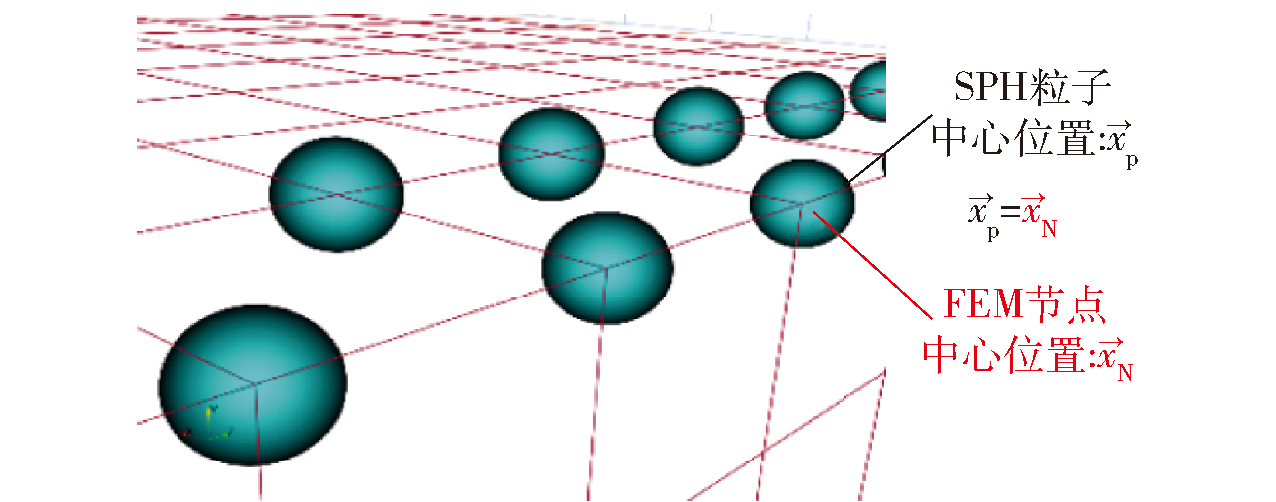
Fig.1 Schematic diagram of SPH-FEM co-node binding
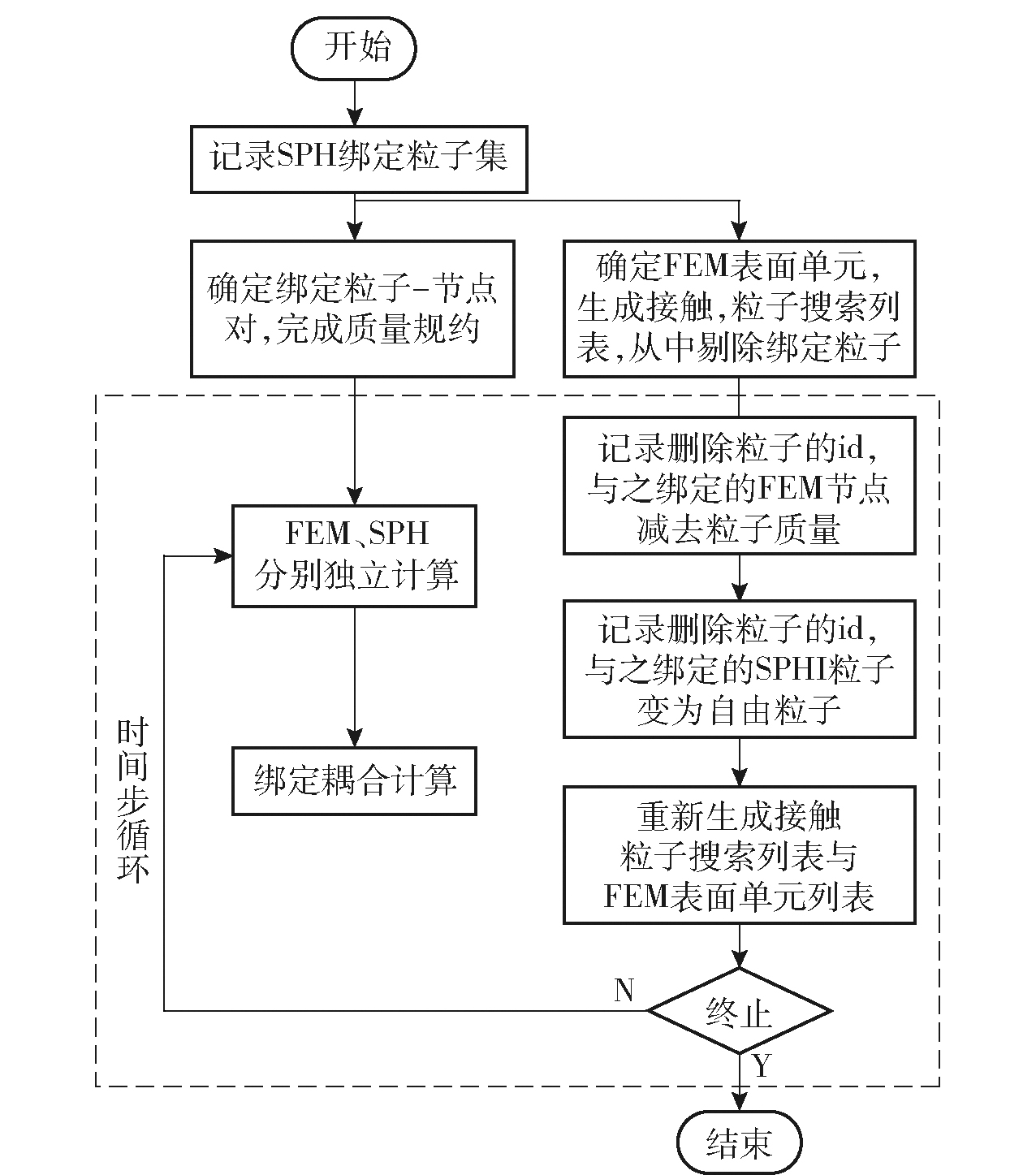
Fig.2 SPH-FEM coupling calculation flowchart
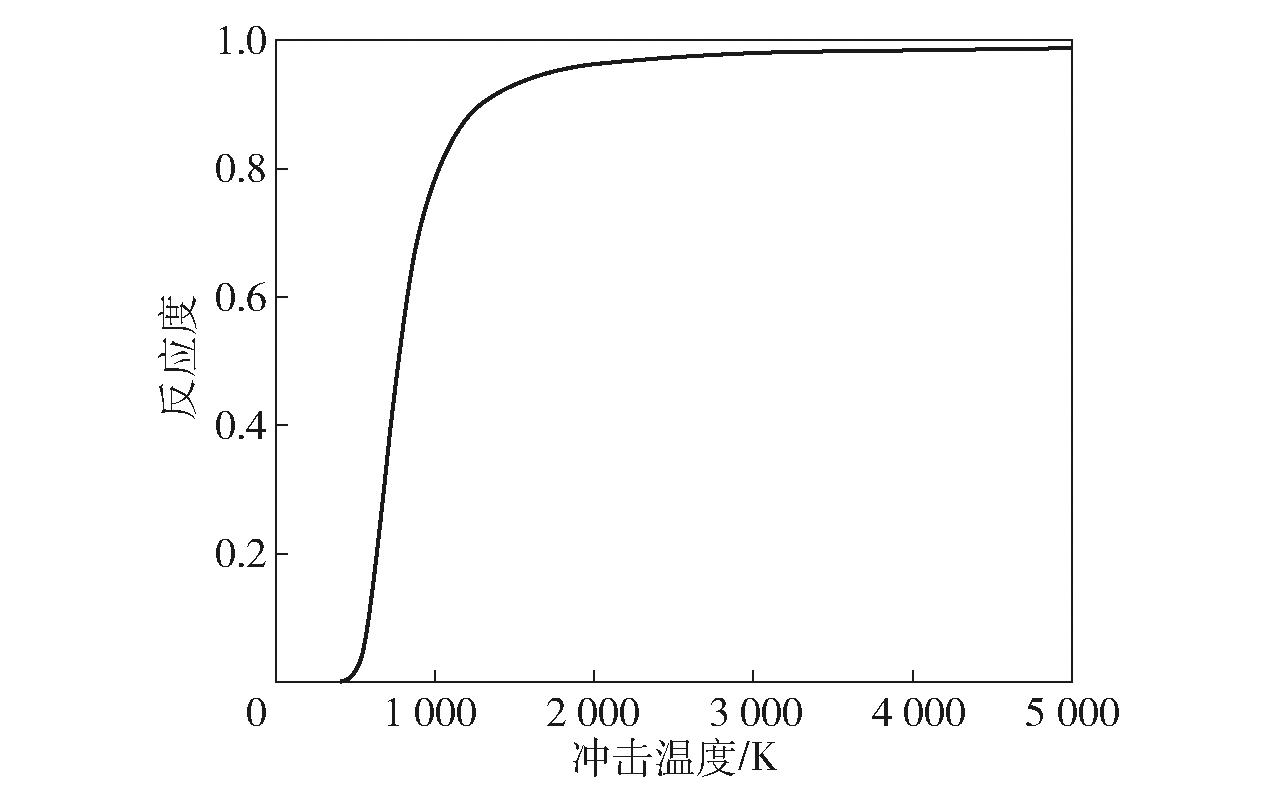
Fig.3 Curve of reactivity vs. impact temperature
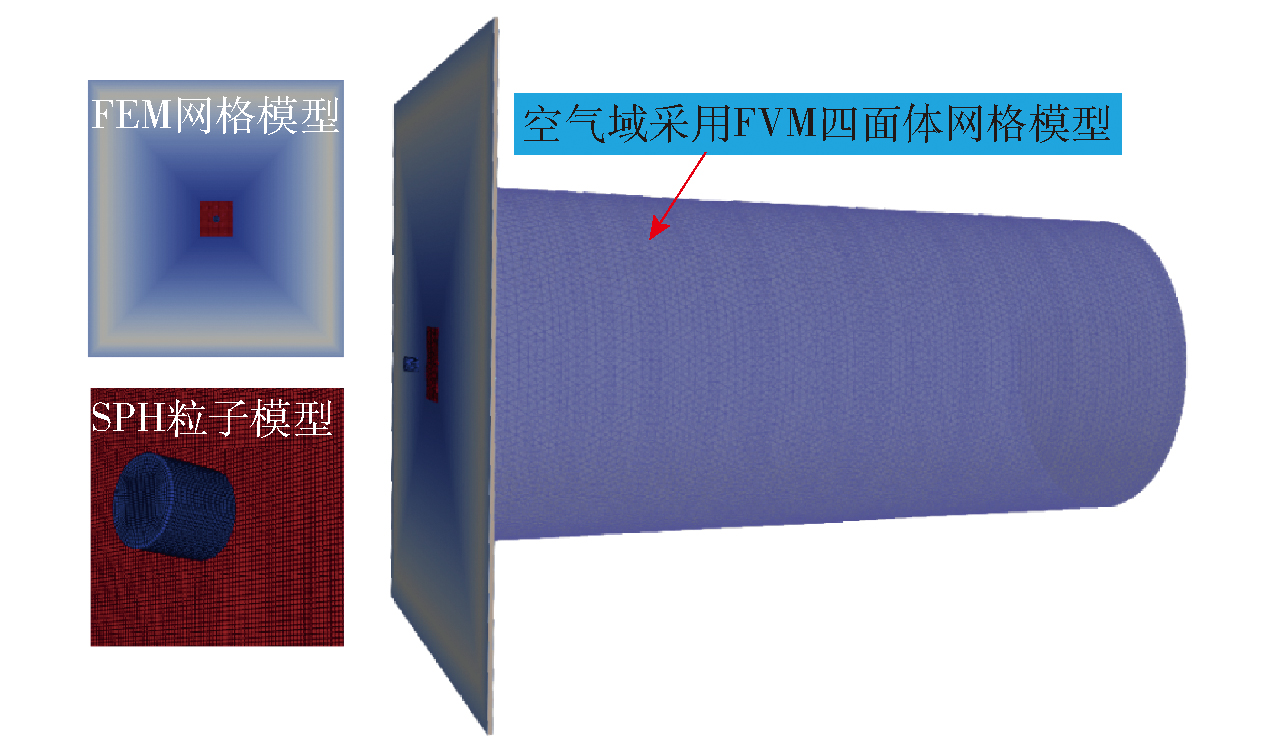
Fig.4 Schematic diagram of the simulation model
| ρ0/(kg·m-3) | c/(m·s-1) | γ | α | S1 | S2 | S3 |
|---|---|---|---|---|---|---|
| 4790.0 | 3580.0 | 1.49 | 0 | 1.41 | 0 | 0 |
Table 1 Parameters of the Gruneisen equation of state forreactive fragments
| ρ0/(kg·m-3) | c/(m·s-1) | γ | α | S1 | S2 | S3 |
|---|---|---|---|---|---|---|
| 4790.0 | 3580.0 | 1.49 | 0 | 1.41 | 0 | 0 |
| A/MPa | B/MPa | c | Tm/K | m | n |
|---|---|---|---|---|---|
| 27.13 | 224.51 | 0.032 | 2462 | 0.468 | 1.25 |
Table 2 Constitutive parameters ofreactive fragments Johnson-Cook
| A/MPa | B/MPa | c | Tm/K | m | n |
|---|---|---|---|---|---|
| 27.13 | 224.51 | 0.032 | 2462 | 0.468 | 1.25 |
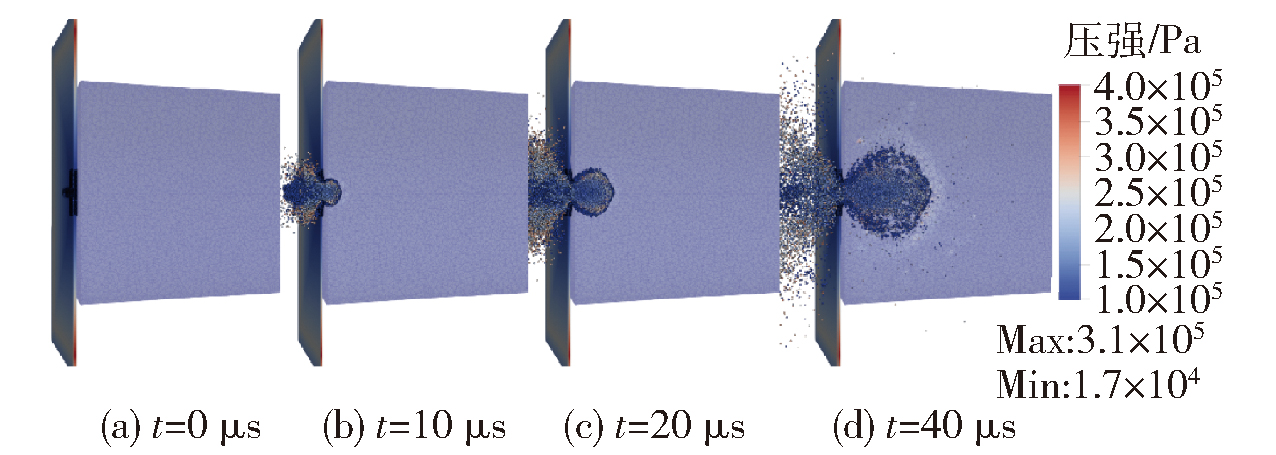
Fig.5 The fragments penetrate the energy release overpressure process
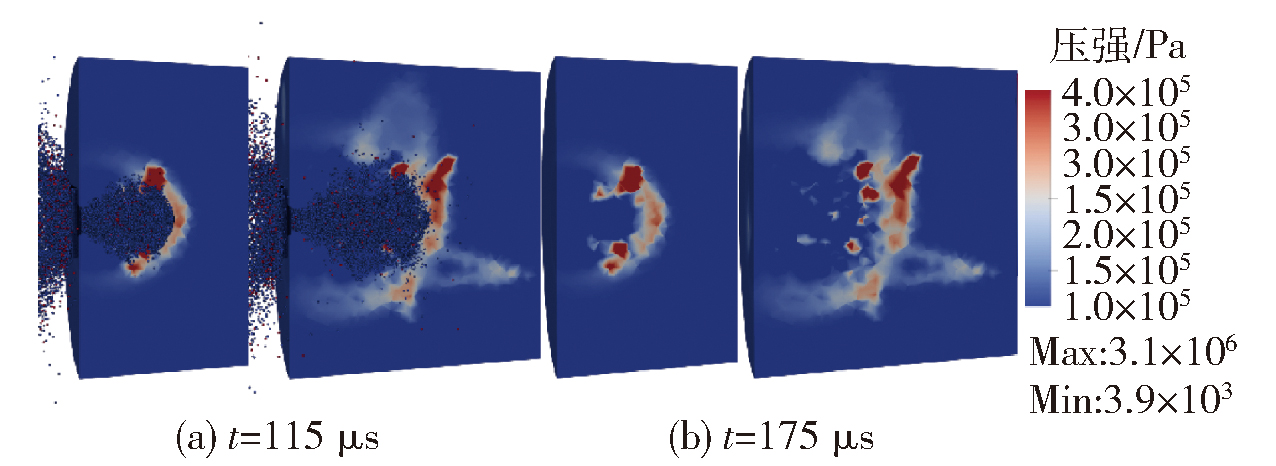
Fig.6 Overpressure distribution diagram at a penetration velocity of 800m/s
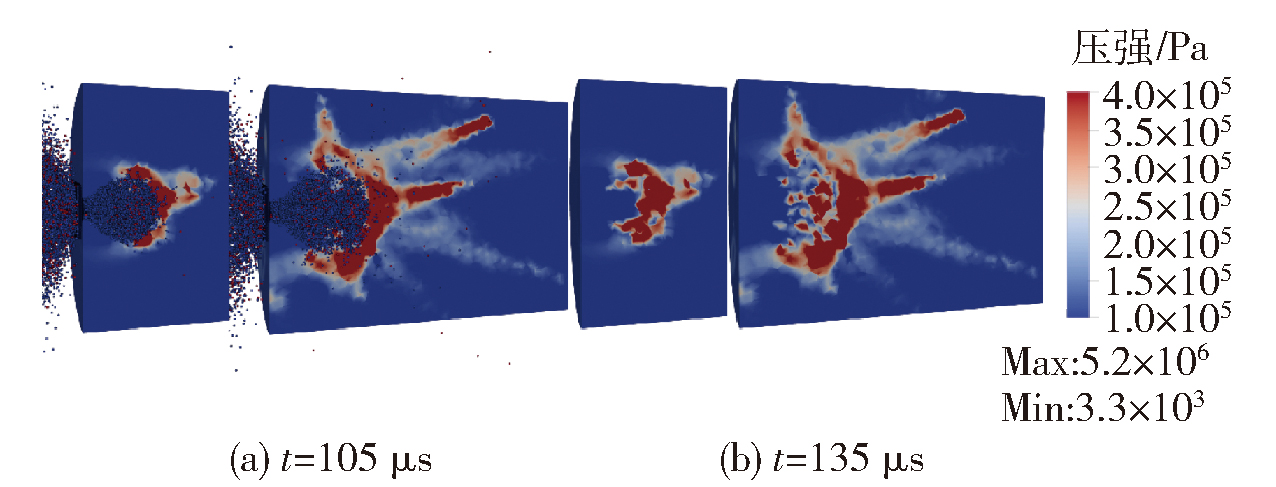
Fig.7 Overpressure distribution diagram at a penetration velocity of 900m/s
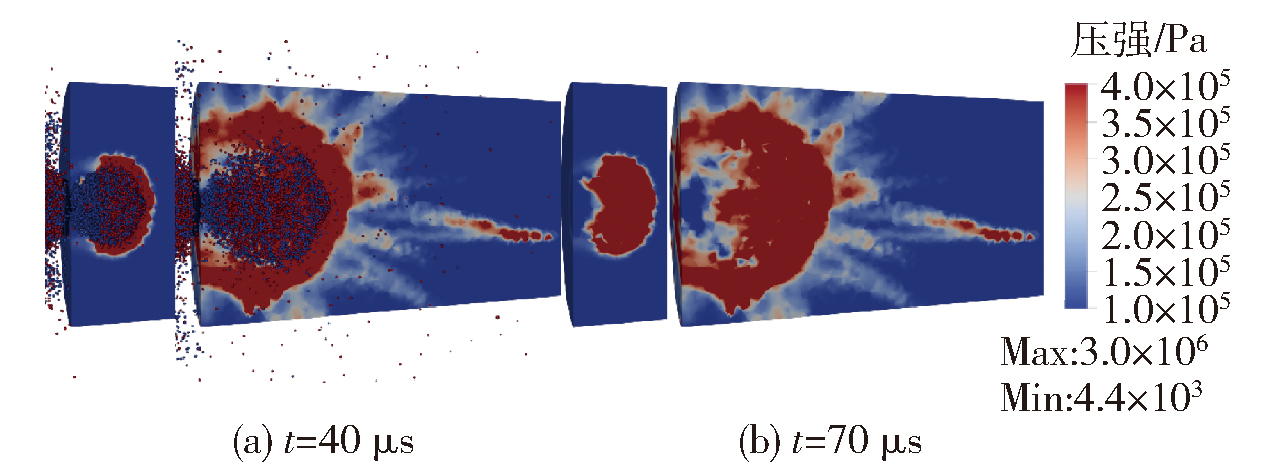
Fig.8 Overpressure distribution diagram at a penetration velocity of 1000m/s
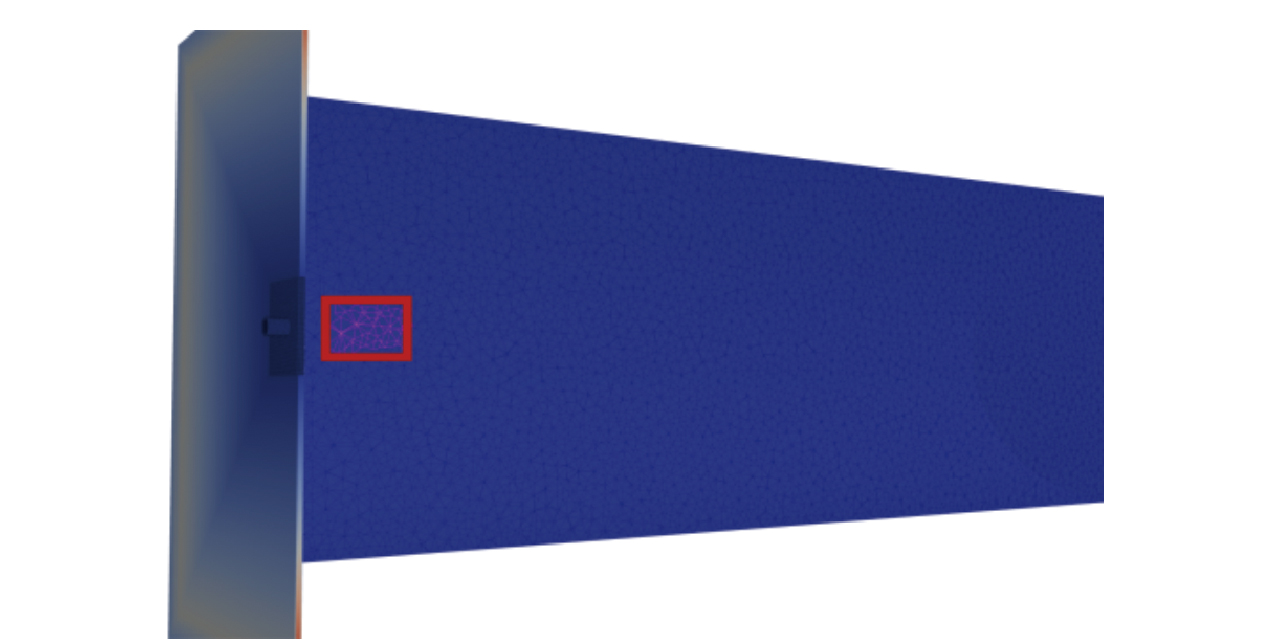
Fig.9 Diagram of pressure extraction location for a sealed air tank
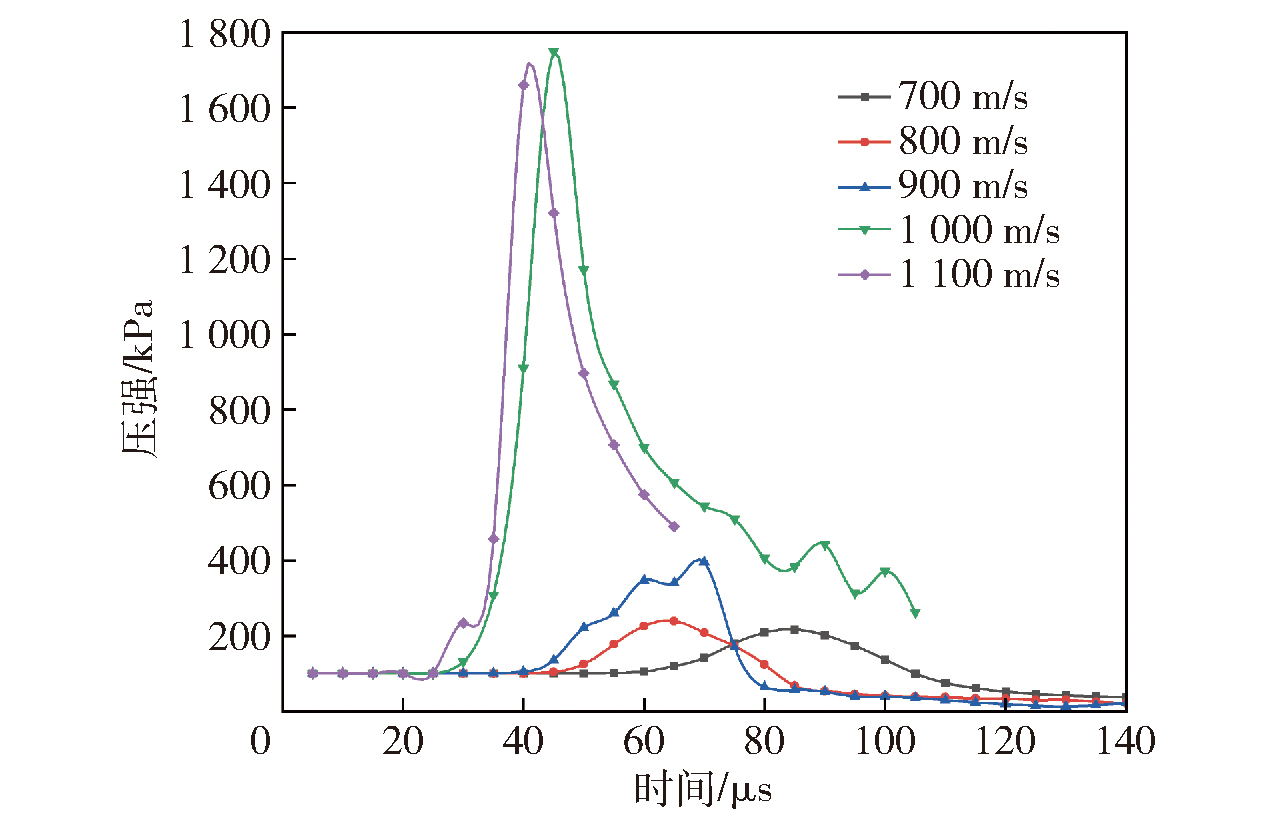
Fig.10 Pressure-Time curve of reactive fragment penetration at velocities in the 700~1100m/s range 00m/s
| 侵彻速度/(m·s-1) | 峰值压力/kPa | 峰值超压/kPa |
|---|---|---|
| 700 | 217.9 | 116.6 |
| 800 | 241.3 | 140.0 |
| 900 | 402.7 | 301.4 |
| 1000 | 1753.9 | 1652.6 |
| 1100 | 1662.9 | 1561.6 |
Table 3 Peak overpressure behind the target plate for reactive fragment penetration at different velocities
| 侵彻速度/(m·s-1) | 峰值压力/kPa | 峰值超压/kPa |
|---|---|---|
| 700 | 217.9 | 116.6 |
| 800 | 241.3 | 140.0 |
| 900 | 402.7 | 301.4 |
| 1000 | 1753.9 | 1652.6 |
| 1100 | 1662.9 | 1561.6 |
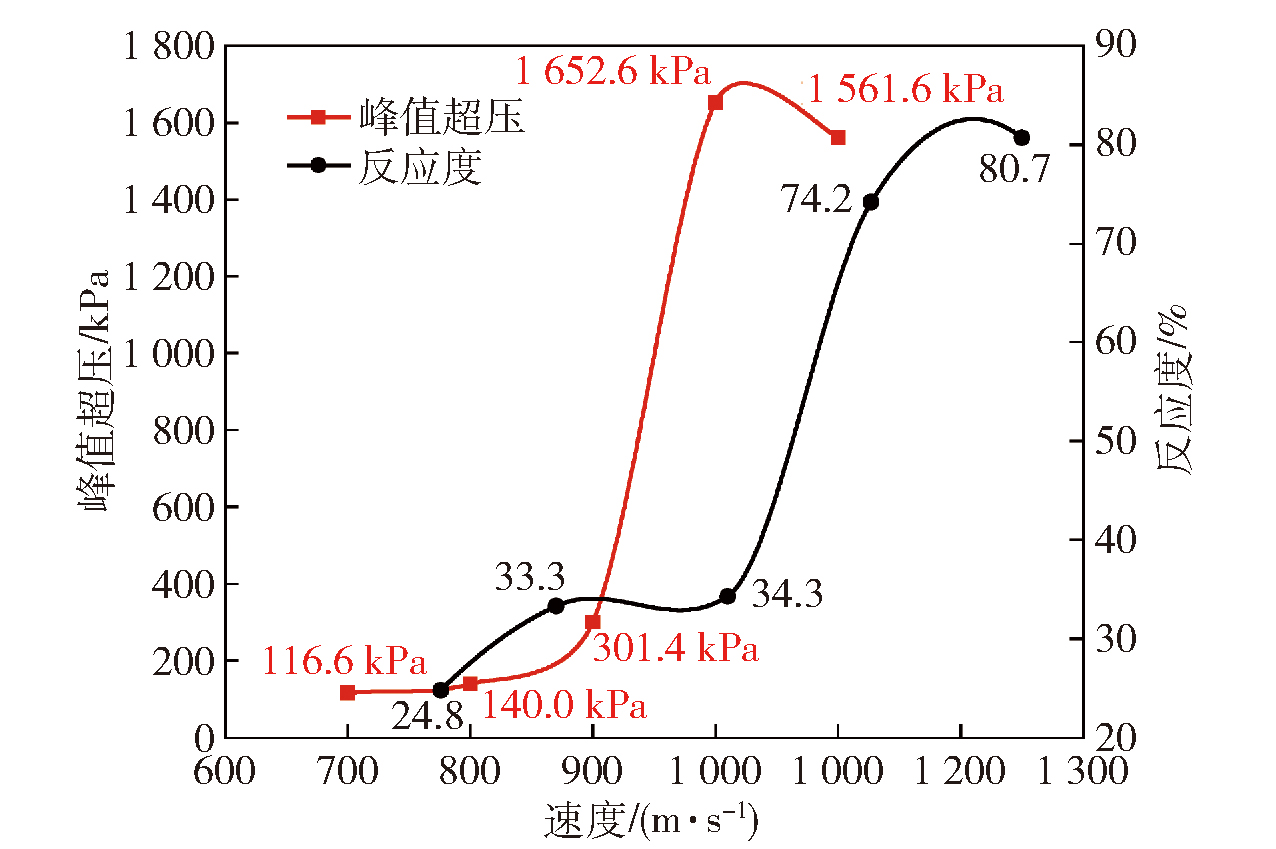
Fig.11 Variation of peak overpressure with different penetration velocities
| [1] |
王在成, 徐祎, 姜春兰, 等. 钨锆钛活性破片对间隔靶的毁伤效应[J]. 兵工学报, 2023, 44(12): 3862-3871.
doi: 10.12382/bgxb.2023.0289 |
|
doi: 10.12382/bgxb.2023.0289 |
|
| [2] |
胡敖博, 赵超越, 陈进, 等. Zr基BMG-W含能破片的力学性能与毁伤性能[J]. 兵工学报, 2024, 45(12): 4407-4422.
doi: 10.12382/bgxb.2023.0989 |
|
doi: 10.12382/bgxb.2023.0989 |
|
| [3] |
doi: 10.1016/S0734-743X(97)87502-1 URL |
| [4] |
doi: 10.1016/j.dt.2020.11.008 |
| [5] |
熊玮, 张先锋, 李逸, 等. 活性材料冲击压缩及反应行为模拟方法研究进展[J]. 北京理工大学学报, 2023, 43(10): 995-1015.
|
|
|
|
| [6] |
doi: 10.1016/j.ijimpeng.2024.104900 URL |
| [7] |
刘露, 唐恩凌, 陈闯. 活性破片侵彻不同厚度铝靶的数值模拟[J]. 装备制造技术, 2020(10): 115-116, 127.
|
|
|
|
| [8] |
doi: 10.1016/j.ijimpeng.2006.09.075 URL |
| [9] |
doi: 10.1006/jcph.1995.1010 URL |
| [10] |
doi: 10.1016/S0045-7825(96)01089-4 URL |
| [11] |
|
| [12] |
doi: 10.1063/1.3455850 URL |
| [13] |
doi: 10.1016/0079-6425(93)90002-3 URL |
| [14] |
doi: 10.1021/acs.jpcc.6b06530 URL |
| [15] |
|
| [16] |
doi: 10.1016/j.dt.2023.11.002 URL |
| [17] |
doi: 10.1016/j.heliyon.2025.e42513 URL |
| [18] |
doi: 10.3390/polym16081054 URL |
| [19] |
doi: 10.3390/met9050499 URL |
| [20] |
doi: 10.1016/0029-5493(94)90143-0 URL |
| [21] |
doi: 10.1016/j.compstruc.2004.10.019 URL |
| [22] |
张志春, 强洪夫, 高巍然. 一种新型SPH-FEM耦合算法及其在冲击动力学问题中的应用[J]. 爆炸与冲击, 2011, 31(3): 243-249.
|
|
|
|
| [23] |
doi: 10.1063/5.0196157 URL |
| [24] |
doi: 10.1002/prep.v45.12 URL |
| [25] |
doi: 10.1016/j.jmrt.2021.04.081 URL |
| [1] | ZHOU Sheng, ZHANG Jiahao, YU Qingbo. Behaviors of Metal-based Reactive Fragments Penetrating Spaced Aluminum Targets [J]. Acta Armamentarii, 2023, 44(8): 2263-2272. |
| Viewed | ||||||
|
Full text |
|
|||||
|
Abstract |
|
|||||
