


Responsible Institution: China Association for Science and Technology
Sponsor: China Ordnance Society
ISSN 1000-1093 CN 11-2176/TJ
Sponsor: China Ordnance Society
ISSN 1000-1093 CN 11-2176/TJ
Acta Armamentarii ›› 2025, Vol. 46 ›› Issue (10): 250424-.doi: 10.12382/bgxb.2025.0424
Previous Articles Next Articles
GE Puxin1, SONG Zihao1, LI Zhiyang1, WANG Hairen2, LEI Jianyin1,3,*( ), LIU Zhifang1
Received:2025-05-29
Online:2025-11-05
Contact:
LEI Jianyin
GE Puxin, SONG Zihao, LI Zhiyang, WANG Hairen, LEI Jianyin, LIU Zhifang. Data-Driven Dimensional Analysis of the Dynamic Response of Low-Carbon Steel Circular Plates under Uniform Impulsive Loading[J]. Acta Armamentarii, 2025, 46(10): 250424-.
Add to citation manager EndNote|Ris|BibTeX
| ρ/(g·mm-3) | E/MPa | ν | σo/MPa |
|---|---|---|---|
| 0.007861 | 207×103 | 0.3 | 233 |
Table 1 Low-carbon steel parameters
| ρ/(g·mm-3) | E/MPa | ν | σo/MPa |
|---|---|---|---|
| 0.007861 | 207×103 | 0.3 | 233 |
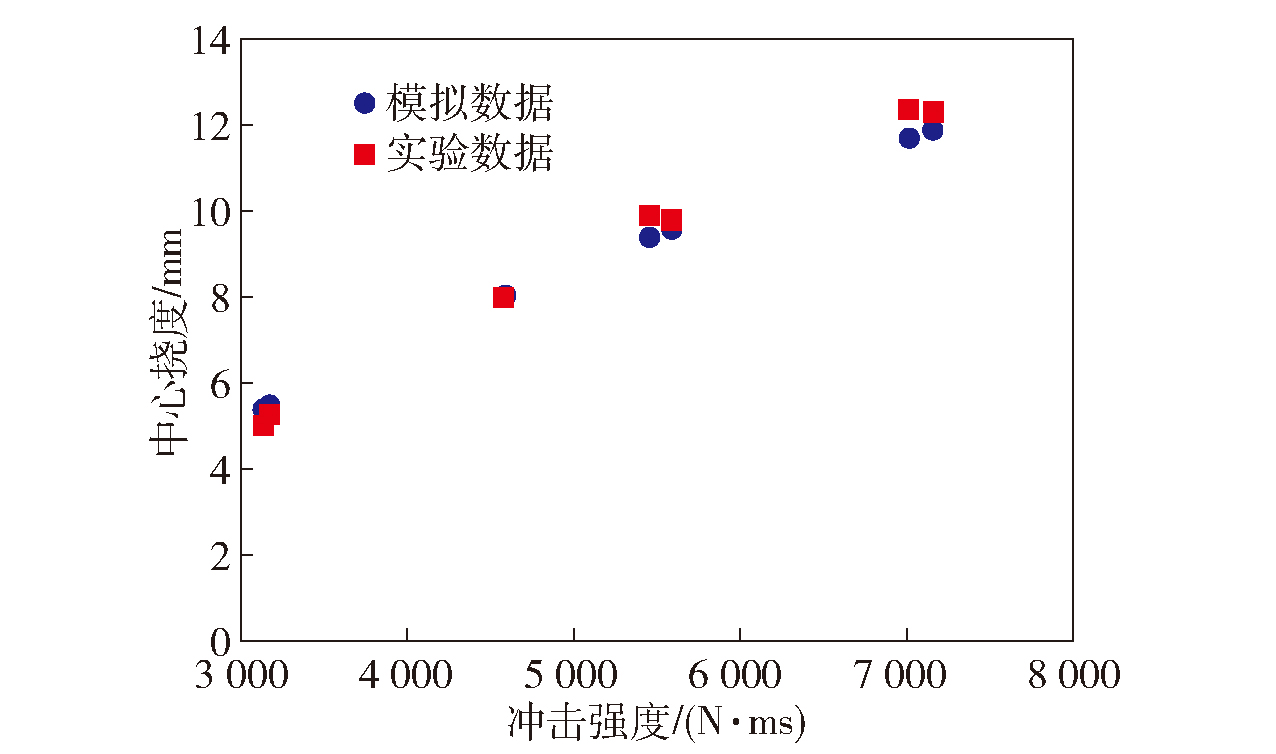
Fig.1 Comparison of center deflection between experimental and simulated plates
| 参数 | 符号 | 下限 | 上限 |
|---|---|---|---|
| 半径 | L/mm | 27.03 | 36.57 |
| 厚度 | H/mm | 1.64 | 2.22 |
| 密度 | ρ/(g·mm-3) | 0.00663 | 0.00897 |
| 脉冲载荷 | I/(N·ms) | 3150 | 7150 |
| 屈服强度 | σ0/MPa | 189.55 | 256.45 |
Table 2 Parameter variation range for the dataset
| 参数 | 符号 | 下限 | 上限 |
|---|---|---|---|
| 半径 | L/mm | 27.03 | 36.57 |
| 厚度 | H/mm | 1.64 | 2.22 |
| 密度 | ρ/(g·mm-3) | 0.00663 | 0.00897 |
| 脉冲载荷 | I/(N·ms) | 3150 | 7150 |
| 屈服强度 | σ0/MPa | 189.55 | 256.45 |
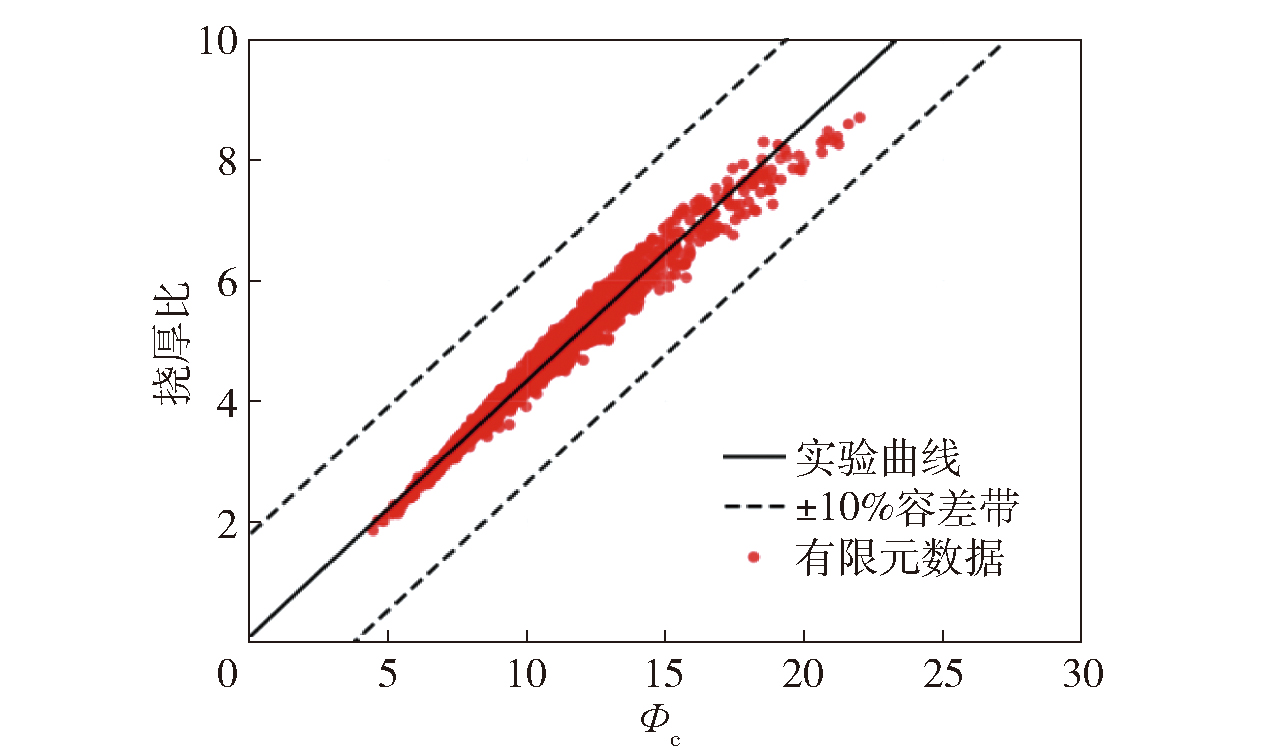
Fig.2 Comparison of experimental and simulated data
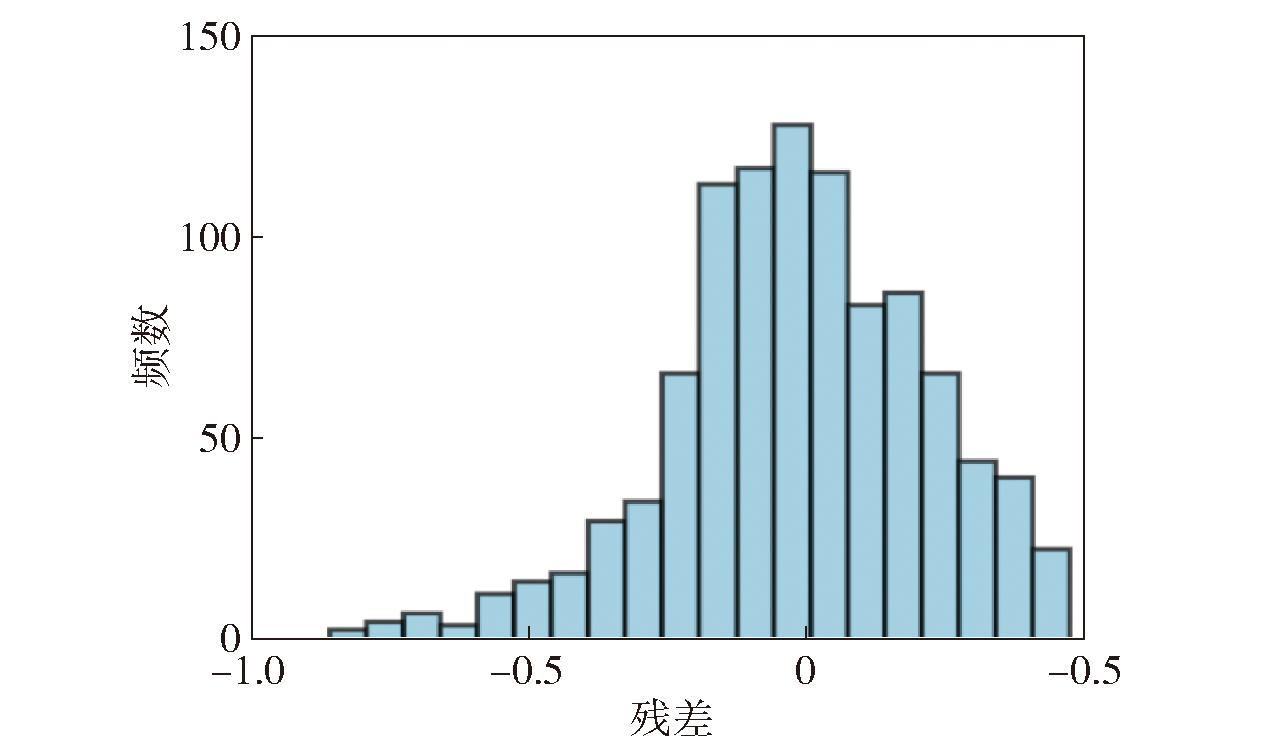
Fig.3 Histogram of residuals

Fig.4 Schematic diagram of the data-driven dimensional analysis of the dynamic response of a low-carbon steel circular plate under uniform pulse load
| 物理量 | 符号 | 量纲向量[M,L,T] |
|---|---|---|
| 密度/(g·mm-3) | ρ | [1,-3,0] |
| 初始屈服强度/(N·mm-2) | σ0 | [1,-1,-2] |
| 半径/mm | L | [0,1,0] |
| 厚度/mm | H | [0,1,0] |
| 单位面积所受脉冲/(N·ms·mm-2) | I | [1,-1,-1] |
Table 3 Dimensional vector in a circular plate under pulse loading
| 物理量 | 符号 | 量纲向量[M,L,T] |
|---|---|---|
| 密度/(g·mm-3) | ρ | [1,-3,0] |
| 初始屈服强度/(N·mm-2) | σ0 | [1,-1,-2] |
| 半径/mm | L | [0,1,0] |
| 厚度/mm | H | [0,1,0] |
| 单位面积所受脉冲/(N·ms·mm-2) | I | [1,-1,-1] |
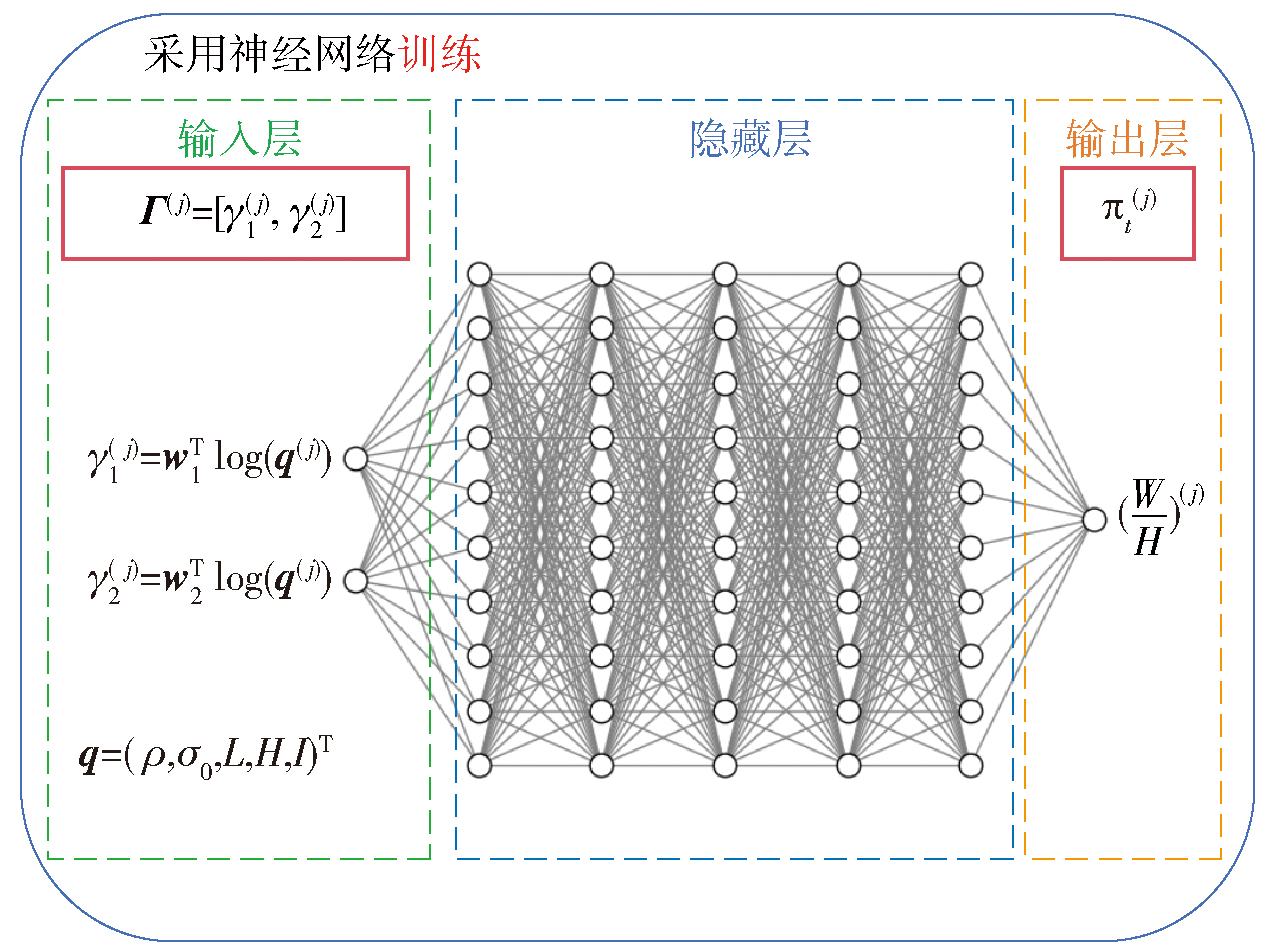
Fig.5 Schematic diagram of a neural network
| 隐藏层 | 神经元数 | 激活函数 | 损失函数 | 优化器 | 批量大小 |
|---|---|---|---|---|---|
| 5 | 10 | ReLU/Tanh | MAE | Adam | 32 |
Table 4 Neural network parameter
| 隐藏层 | 神经元数 | 激活函数 | 损失函数 | 优化器 | 批量大小 |
|---|---|---|---|---|---|
| 5 | 10 | ReLU/Tanh | MAE | Adam | 32 |

Fig.6 Training and validation loss versus iterations
| 数据集 | 样本数 | MSE | R2 | MAE |
|---|---|---|---|---|
| 训练集 | 700 | 0.021382 | 0.9981 | 0.073878 |
| 验证集 | 150 | 0.056340 | 0.9952 | 0.092583 |
| 测试集 | 150 | 0.037933 | 0.9974 | 0.089986 |
Table 5 Comparison of training, validation, and test set performance
| 数据集 | 样本数 | MSE | R2 | MAE |
|---|---|---|---|---|
| 训练集 | 700 | 0.021382 | 0.9981 | 0.073878 |
| 验证集 | 150 | 0.056340 | 0.9952 | 0.092583 |
| 测试集 | 150 | 0.037933 | 0.9974 | 0.089986 |
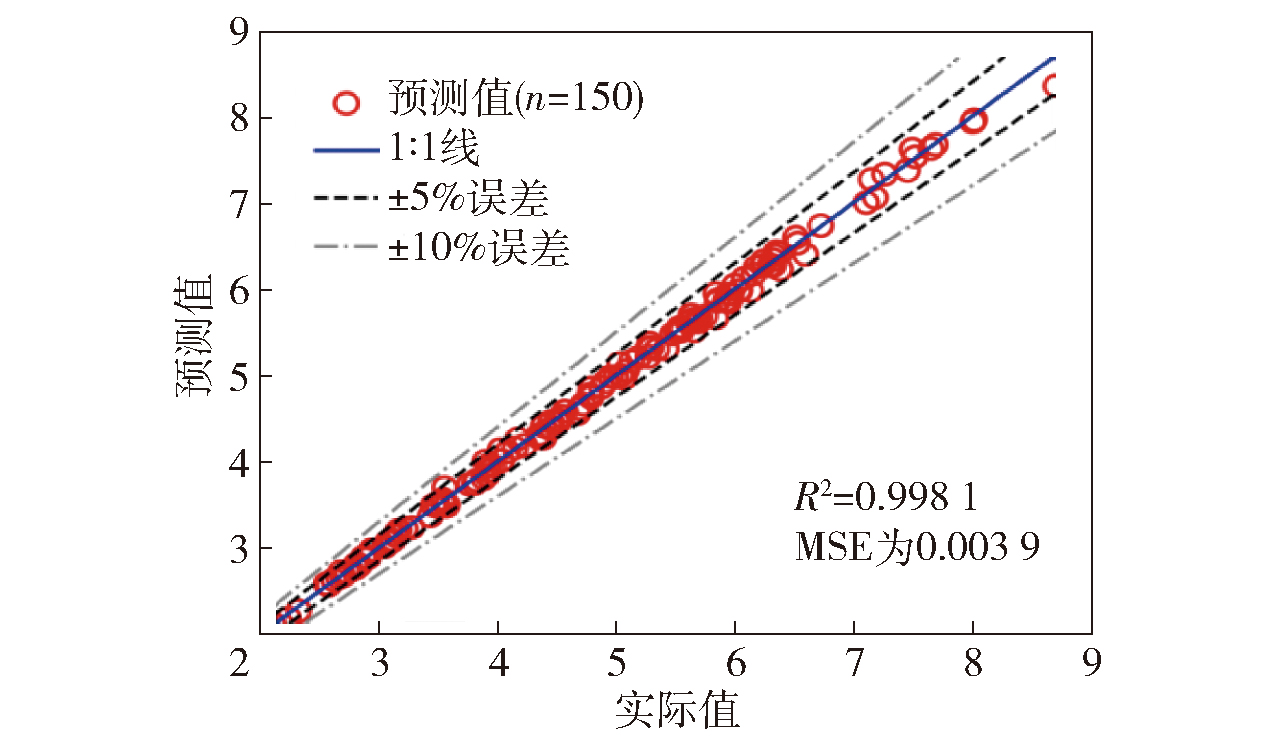
Fig.7 Comparison of neural network predictions with experimental results
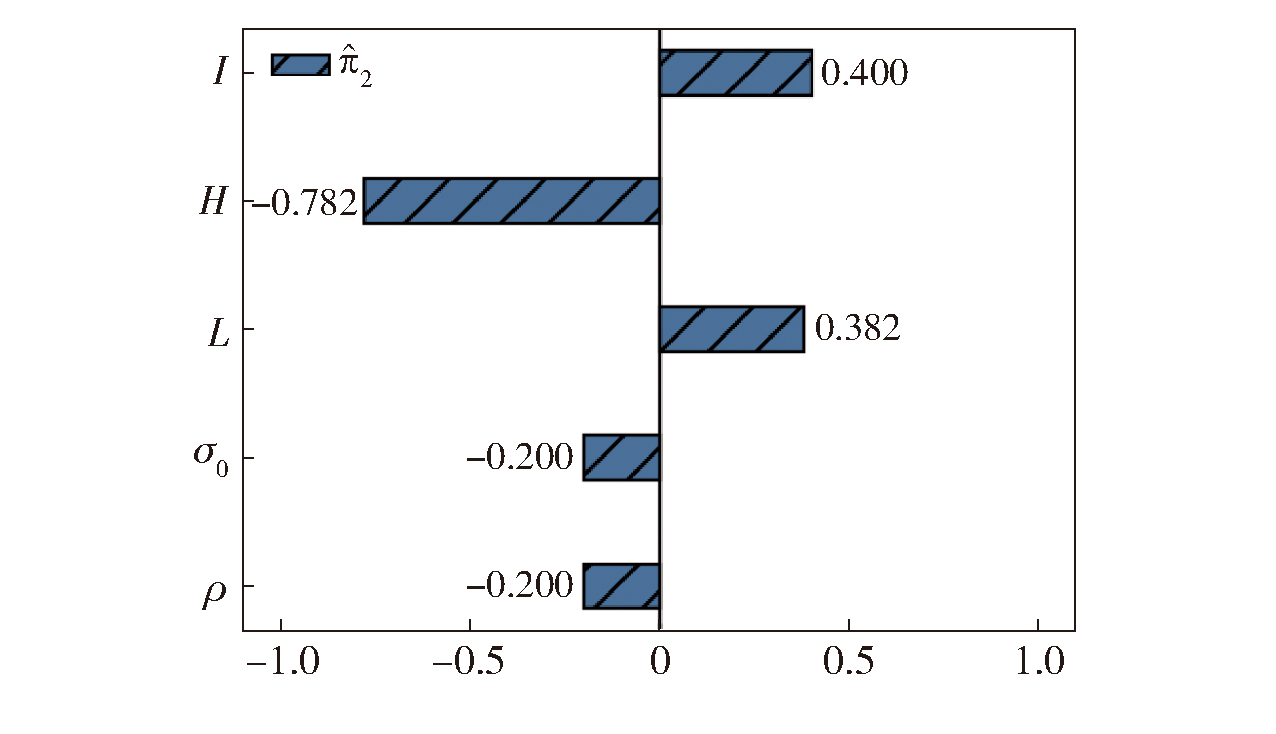
Fig.8 Bar chart of dimensionless parameters for a low-carbon steel disk under uniform pulse loading
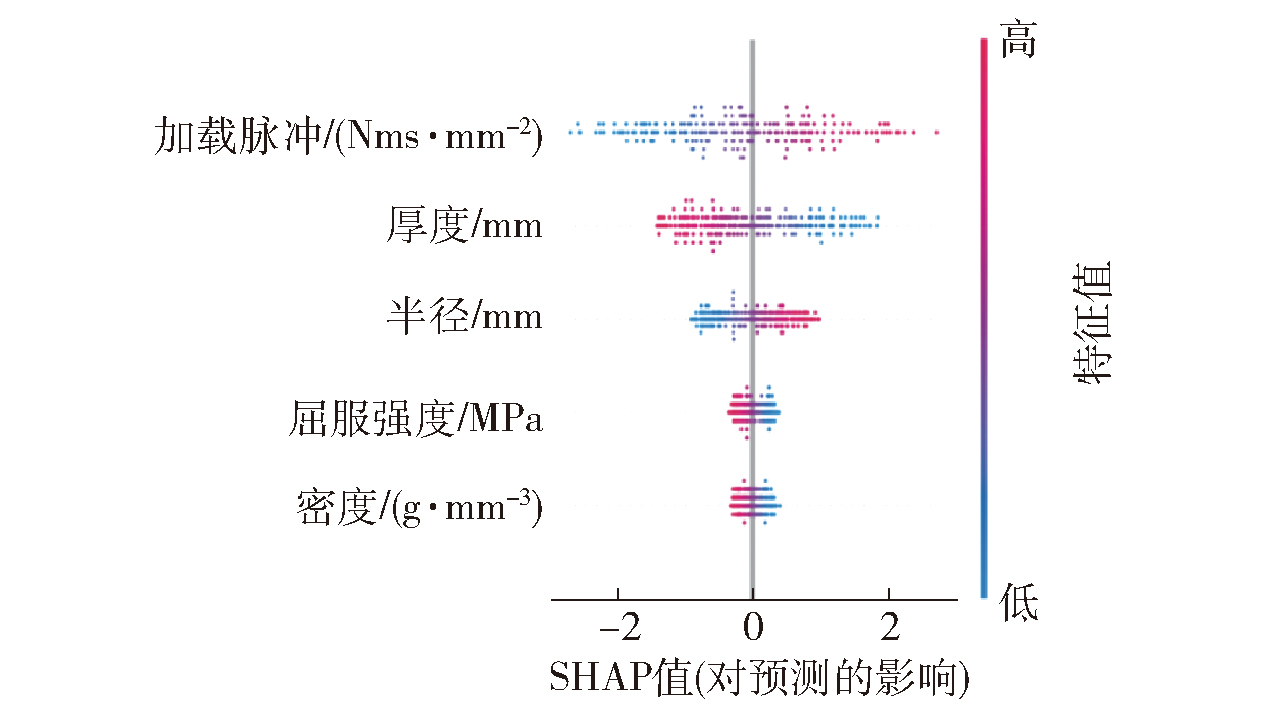
Fig.9 SHAP summary plot showing feature contributions
| 模型 | 输入特征 | R2 | MAE/% |
|---|---|---|---|
| FE-1 | ($\frac{{I}^{2}}{\rho {\sigma }_{0}{H}^{2}}$,$\frac{H}{L}$) | 0.97 | 19.7 |
| FE-2 | ($\frac{{I}^{2}}{\rho {\sigma }_{0}{L}^{2}}$,$\frac{H}{L}$) | 0.88 | 33.3 |
Table 6 Quality assessment of feature models based on different feature combinations
| 模型 | 输入特征 | R2 | MAE/% |
|---|---|---|---|
| FE-1 | ($\frac{{I}^{2}}{\rho {\sigma }_{0}{H}^{2}}$,$\frac{H}{L}$) | 0.97 | 19.7 |
| FE-2 | ($\frac{{I}^{2}}{\rho {\sigma }_{0}{L}^{2}}$,$\frac{H}{L}$) | 0.88 | 33.3 |
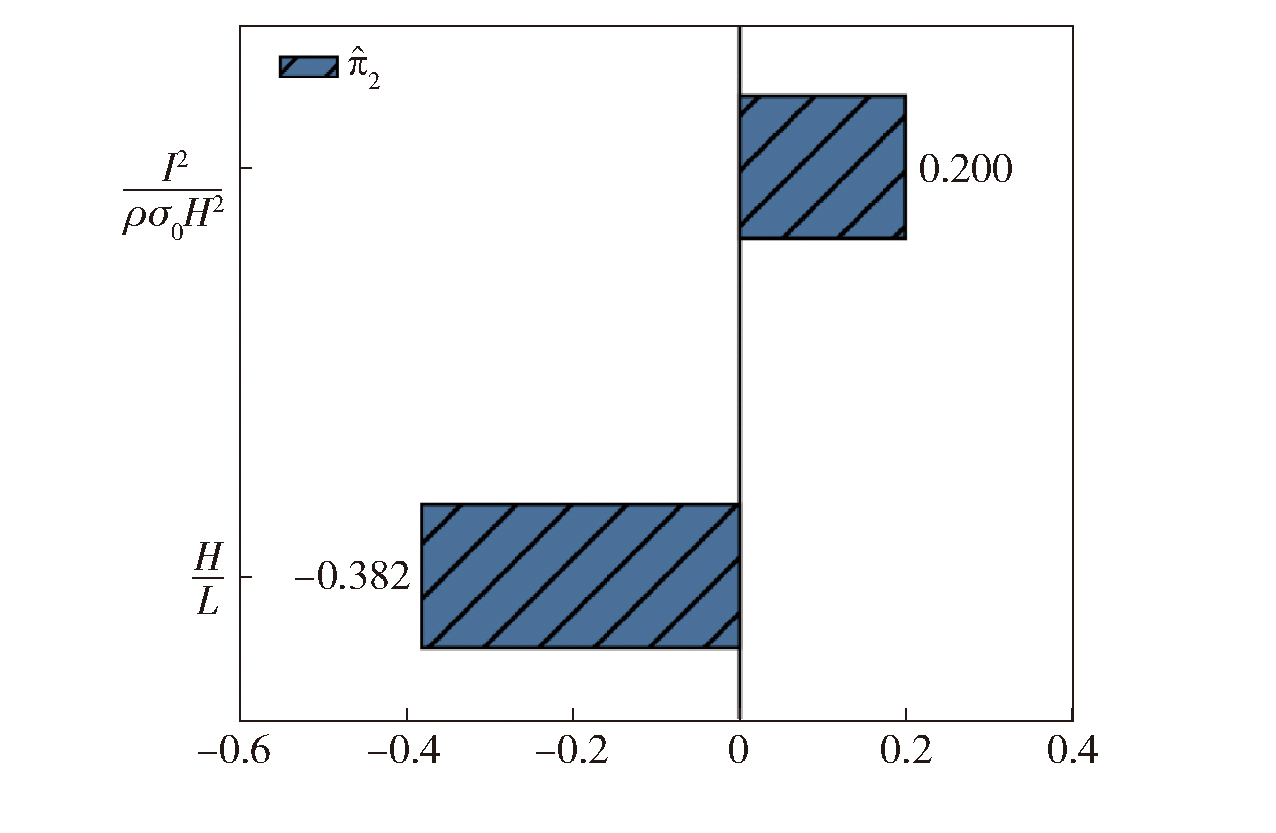
Fig.10 Two dimensionless parameters characterizing a low-carbon steel circular plate subjected to a uniform impulsive load
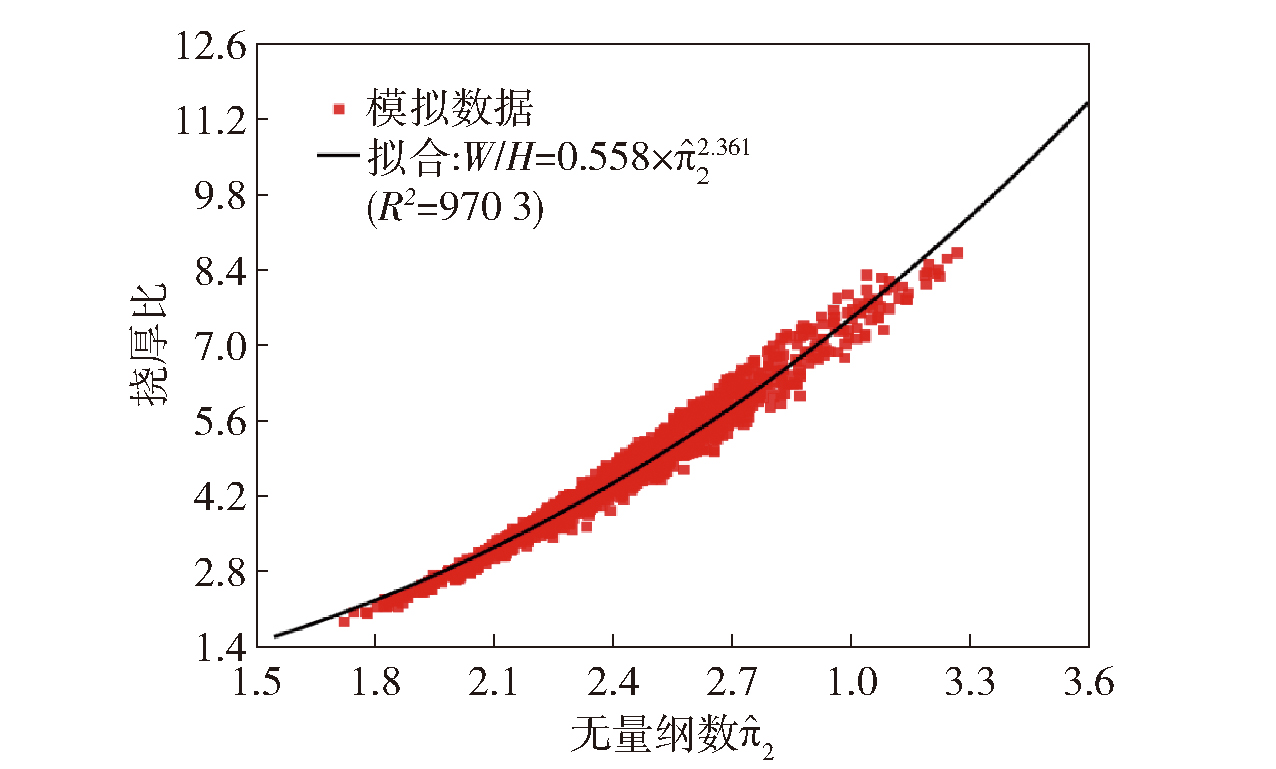
Fig.11 Fitting relationship between the dimensionless parameter π and the central deflection-to-thickness ratio W/H
| 方程 | $\frac{W}{H}$=a(($\frac{{I}^{2}}{\rho {\sigma }_{0}{H}^{2}}$)0.200($\frac{H}{L}$)-0.382)b | |||
|---|---|---|---|---|
| 参数 | a | b | R2 | MSE |
| 数值 | 0.558 | 2.361 | 0.9703 | 0.249 |
Table 7 Prediction formula for the deflection-to-thickness ratio at the center of the plate
| 方程 | $\frac{W}{H}$=a(($\frac{{I}^{2}}{\rho {\sigma }_{0}{H}^{2}}$)0.200($\frac{H}{L}$)-0.382)b | |||
|---|---|---|---|---|
| 参数 | a | b | R2 | MSE |
| 数值 | 0.558 | 2.361 | 0.9703 | 0.249 |

Fig.12 Graph of the relationship between load intensity I and the deflection-to-thickness ratio in a low-carbon steel disc under uniform impulse loading
| [1] |
doi: 10.1016/j.engstruct.2024.118213 URL |
| [2] |
doi: 10.1016/j.ijimpeng.2021.103950 URL |
| [3] |
doi: 10.3390/ma15186419 URL |
| [4] |
剡小军, 孙浩, 马林, 等. 水下爆炸作用下典型舰船目标毁伤特性[J]. 兵工学报, 2024, 45(S2): 215-221.
doi: 10.12382/bgxb.2024.0960 |
|
doi: 10.12382/bgxb.2024.0960 |
|
| [5] |
doi: 10.1016/j.engstruct.2018.03.067 URL |
| [6] |
doi: 10.1016/j.ijimpeng.2024.104934 URL |
| [7] |
蒋欣利, 张国凯, 何勇, 等. 密闭建筑温压炸药内爆炸后燃效应[J]. 兵工学报, 2024, 45(8): 2520-2530.
doi: 10.12382/bgxb.2023.0555 |
|
doi: 10.12382/bgxb.2023.0555 |
|
| [8] |
|
| [9] |
doi: 10.1007/s004190050184 URL |
| [10] |
doi: 10.1016/0734-743X(89)90015-8 URL |
| [11] |
doi: 10.1016/j.engstruct.2007.01.021 URL |
| [12] |
doi: 10.1177/1464420718760640 URL |
| [13] |
doi: 10.1016/j.tws.2019.106332 URL |
| [14] |
doi: 10.1039/d0mh01451f pmid: 34821909 |
| [15] |
doi: 10.1073/pnas.1922210117 URL |
| [16] |
|
| [17] |
|
| [18] |
doi: 10.1038/s41467-022-35084-w pmid: 36476735 |
| [19] |
潘美霖, 彭卫文, 冷春江, 等. 基于贝叶斯深度学习的复杂结构爆炸载荷的快速估计[J]. 爆炸与冲击, 2025, 45(8): 084201.
|
|
|
|
| [20] |
doi: 10.1177/20414196221144067 URL |
| [21] |
|
| [22] |
王娟, 慈林林, 姚康泽. 特征选择方法综述[J]. 计算机工程与科学, 2005, 27(12): 68-71.
|
|
|
|
| [23] |
doi: 10.1016/0022-5096(79)90013-9 URL |
| [24] |
|
| [25] |
doi: 10.1016/0734-743X(89)90014-6 URL |
| [26] |
doi: 10.1080/03610928008827996 URL |
| [27] |
|
| [28] |
doi: 10.1038/s41598-025-05324-2 |
| [29] |
|
| [30] |
|
| [1] | CHEN Jun, TONG Yan, NIU Yifeng, YU Hongbo, LI Ni, ZHANG Xinyu. A Review on Fuzzy Cognitive Map and Its Applications in Unmanned Systems [J]. Acta Armamentarii, 2025, 46(7): 240804-. |
| [2] | WANG Yizhen, YIN Jianping, ZHANG Xuepeng, YI Jianya, LI Xudong. A Prediction Model for Dynamic Penetration of Shaped Charge Jet [J]. Acta Armamentarii, 2025, 46(6): 240932-. |
| [3] | NING Jianguo, WANG Qi, LI Jianqiao. ANN-based Prediction Model for the Initial Velocity of Fragments in a Triangular Prism Directional Charge Structure [J]. Acta Armamentarii, 2025, 46(3): 240346-. |
| [4] | ZHOU Honggen, REN Xiaodie, SUN Li, LI Guochao, WEN Sizhao, PENG Zhan, LIU Yinfei. Study of JUST Slewing Bearing Failure Test Data [J]. Acta Armamentarii, 2024, 45(10): 3744-3753. |
| [5] | WANG Jia, YIN Jianping, LI Xudong, YI Jianya, WANG Zhijun. Construction of Scaled Model of Reinforced Concrete Column Based on Dimensional Analysis [J]. Acta Armamentarii, 2023, 44(S1): 189-195. |
| [6] | HUANG Jia, CHANG Sijiang, CHEN Qi, ZHANG Haiyang. Data-Driven-Based Impact Time Control Guidance Law Independent of Time-to-Go [J]. Acta Armamentarii, 2023, 44(8): 2299-2309. |
| [7] | YANG Xin, WEN Qiangmiao, LI Sizhen, CHENG De, SHU Wenxiang, BAI Jingying. Data-driven Heat Treatment Technology for Spacecraft Products [J]. Acta Armamentarii, 2022, 43(S2): 170-177. |
| [8] | LIU Cong, LIU Hui, HAN Lijin, CHEN Ke. High-speed Obstacle Avoidance and Stability Control of Distributed Electric Drive Vehicle under Extreme Off-road Conditions [J]. Acta Armamentarii, 2021, 42(10): 2102-2113. |
| [9] | RONG Ji-li, HE Xuan, XIANG Da-lin, BU Xiang-dong. The Similarity Research on Underwater Explosion of Directional Warhead [J]. Acta Armamentarii, 2014, 35(9): 1329-1334. |
| [10] | ZHANG Xiao-wei, WANG Qing-tao, ZHANG Qing-ming, SHI Peng, ZHOU Xu. Equivalence Method for the Dynamic Loading of Concrete Slab Subjected to Explosion [J]. Acta Armamentarii, 2013, 34(3): 263-268. |
| Viewed | ||||||
|
Full text |
|
|||||
|
Abstract |
|
|||||
