


Responsible Institution: China Association for Science and Technology
Sponsor: China Ordnance Society
ISSN 1000-1093 CN 11-2176/TJ
Sponsor: China Ordnance Society
ISSN 1000-1093 CN 11-2176/TJ
Acta Armamentarii ›› 2025, Vol. 46 ›› Issue (10): 250377-.doi: 10.12382/bgxb.2025.0377
Previous Articles Next Articles
LIU Xi, MA Tianbao, LI Jian*( )
)
Received:2025-05-16
Online:2025-11-05
Contact:
LI Jian
CLC Number:
LIU Xi, MA Tianbao, LI Jian. Numerical Simulation of Refraction of Gaseous Detonation Waves at Temperature Interfaces[J]. Acta Armamentarii, 2025, 46(10): 250377-.
Add to citation manager EndNote|Ris|BibTeX
| 参数 | 数值 | 参数 | 数值 |
|---|---|---|---|
| R/(J·kg-1·K-1) | 218.79 | γ | 1.44 |
| p0/kPa | 50 | MC-J | 5.6 |
| θ0/K | 295 | EI/RTS | 4.8 |
| c0 /(m·s-1) | 304.86 | ER/RTS | 1.0 |
| ρ0 /(kg·m-3) | 0.775 | k1$\sqrt{\gamma }$/c0 | 1.387 5 |
| Q/(RT0) | 19.7 | kR$\sqrt{\gamma }$/c0 | 2.0 |
Table 1 Parameters of gas
| 参数 | 数值 | 参数 | 数值 |
|---|---|---|---|
| R/(J·kg-1·K-1) | 218.79 | γ | 1.44 |
| p0/kPa | 50 | MC-J | 5.6 |
| θ0/K | 295 | EI/RTS | 4.8 |
| c0 /(m·s-1) | 304.86 | ER/RTS | 1.0 |
| ρ0 /(kg·m-3) | 0.775 | k1$\sqrt{\gamma }$/c0 | 1.387 5 |
| Q/(RT0) | 19.7 | kR$\sqrt{\gamma }$/c0 | 2.0 |

Fig.1 Block adaptive mesh refinement
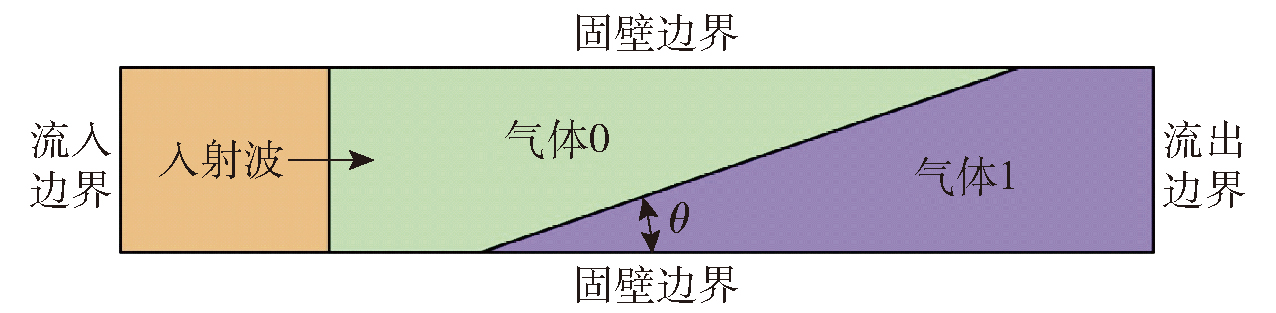
Fig.2 Schematic diagram of computational domain
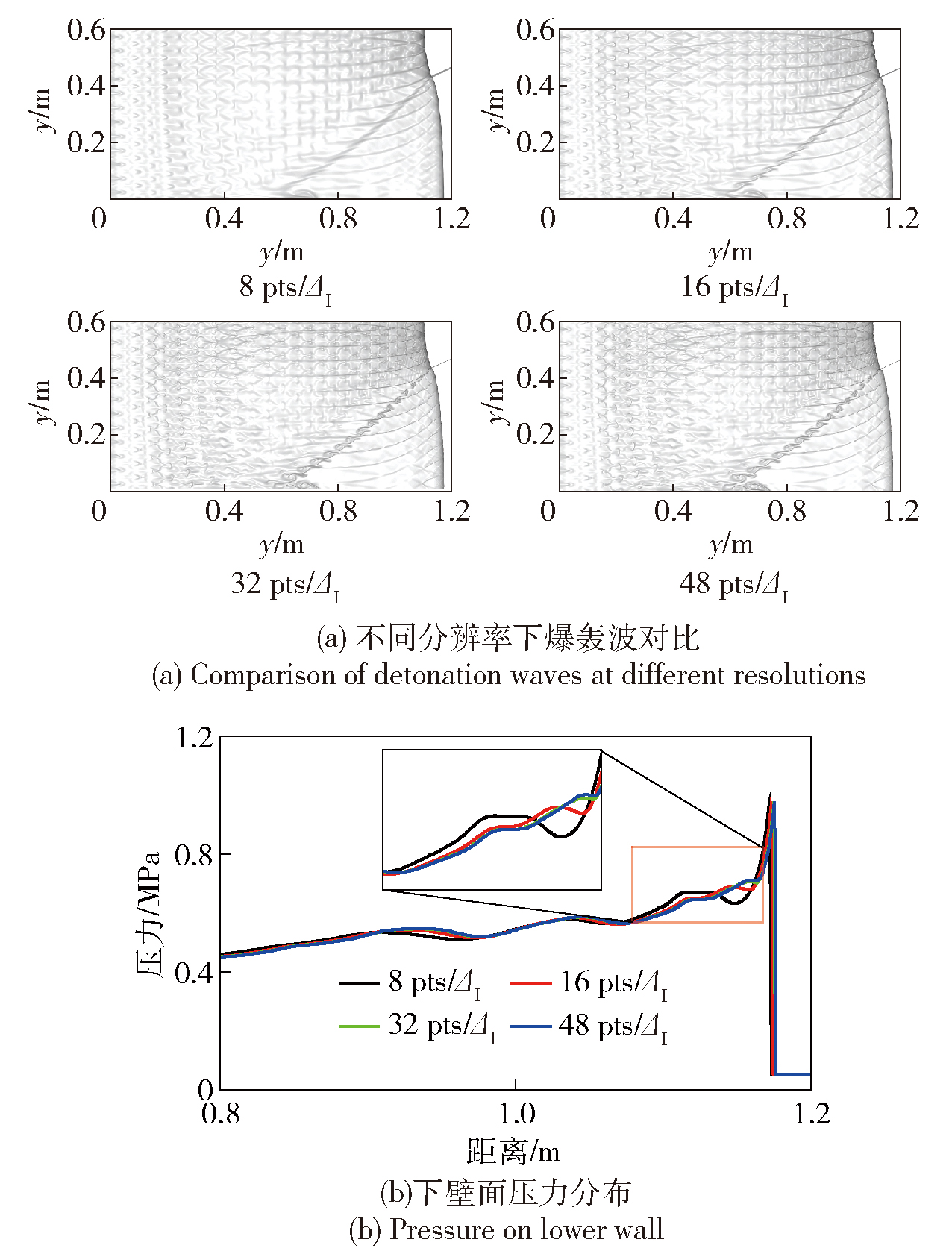
Fig.3 Grid convergence test
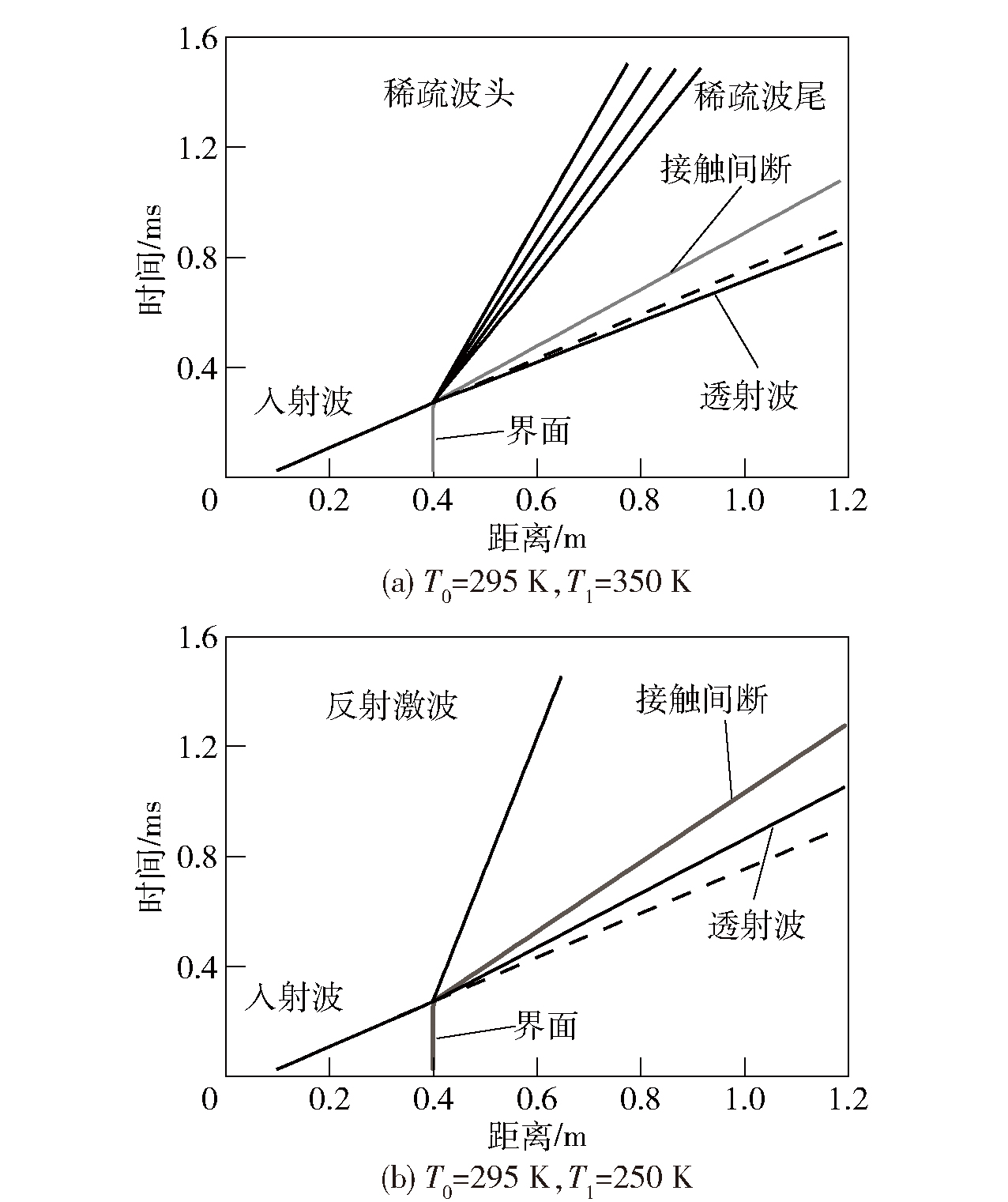
Fig.4 x-t plots of post states of the transmitted shock wave
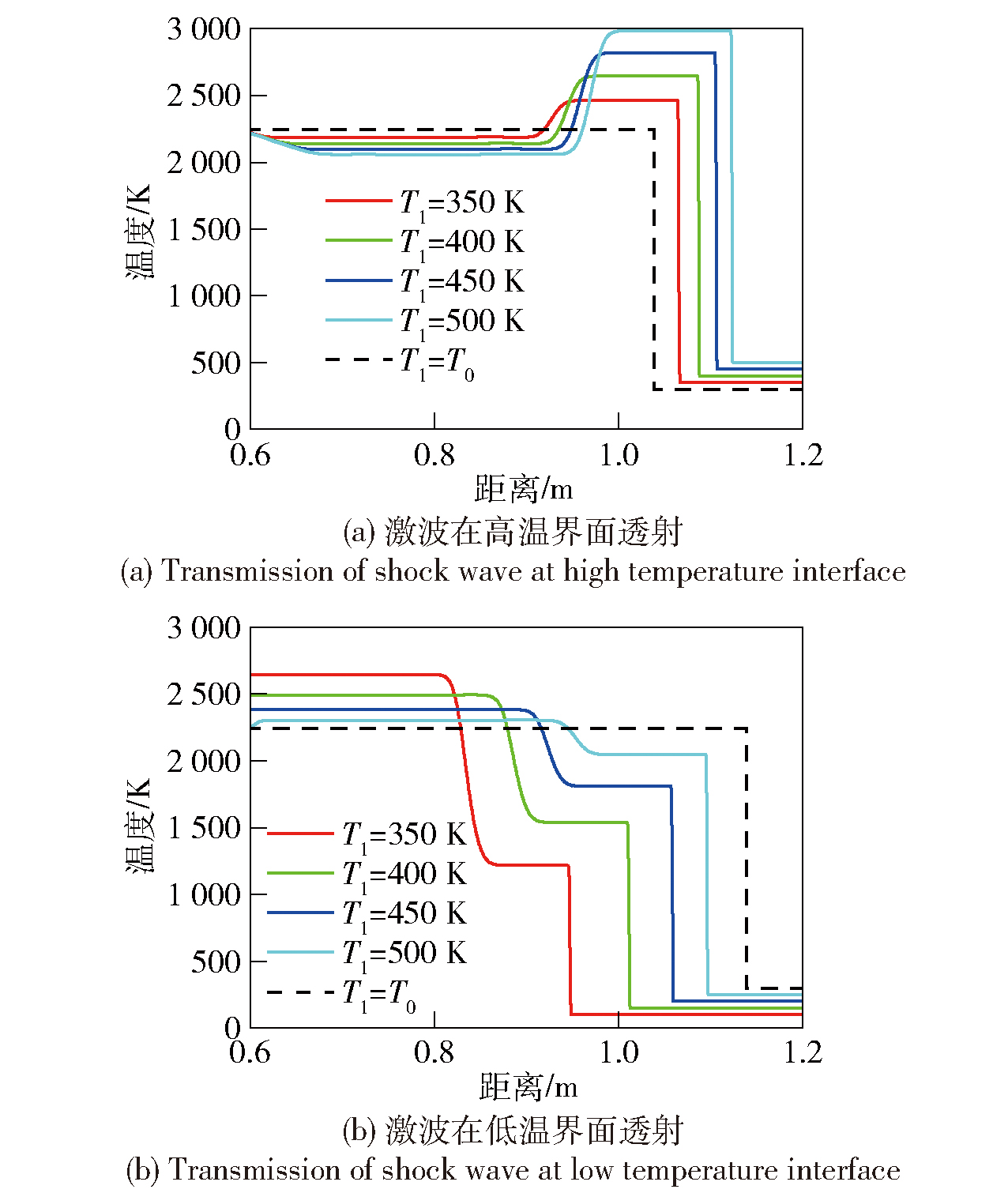
Fig.5 Temperature curves at different temperature interfaces
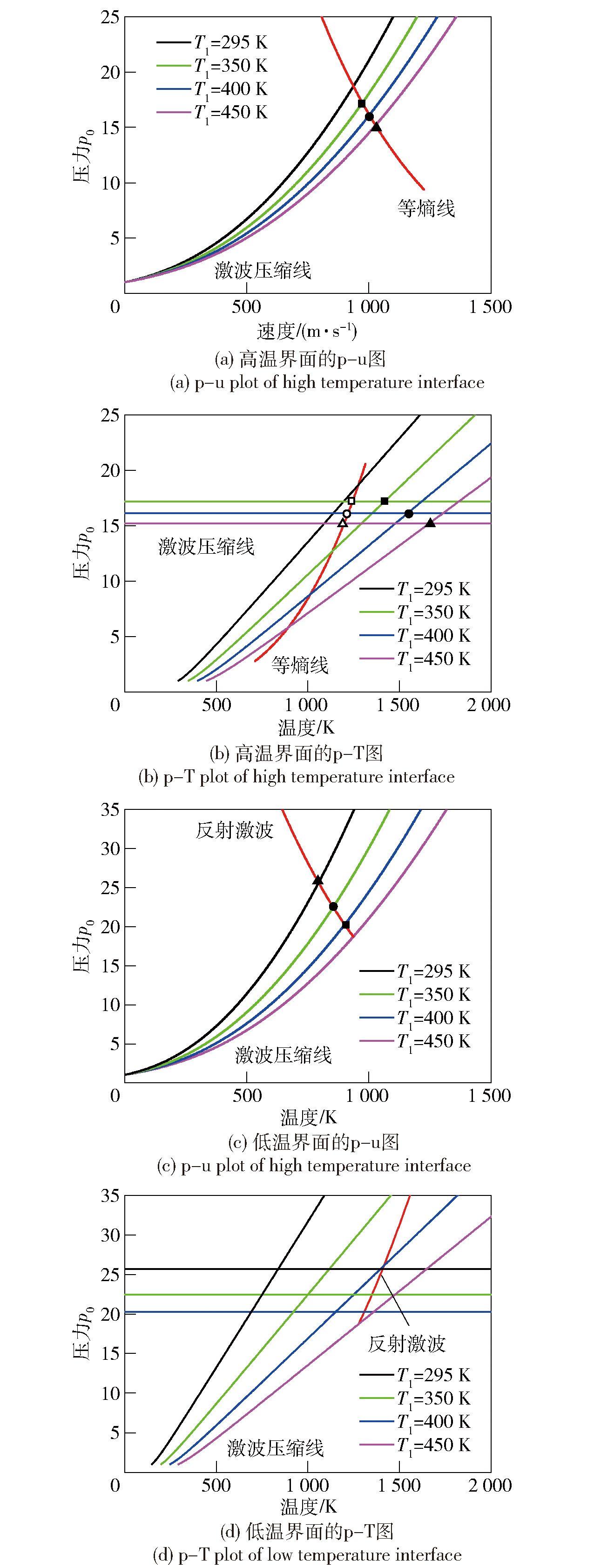
Fig.6 Post-wave state of transmitted wave

Fig.7 Regular and irregular refraction structures and their corresponding polar plots

Fig.8 Refraction of shock waves (calculated by GSD theory)
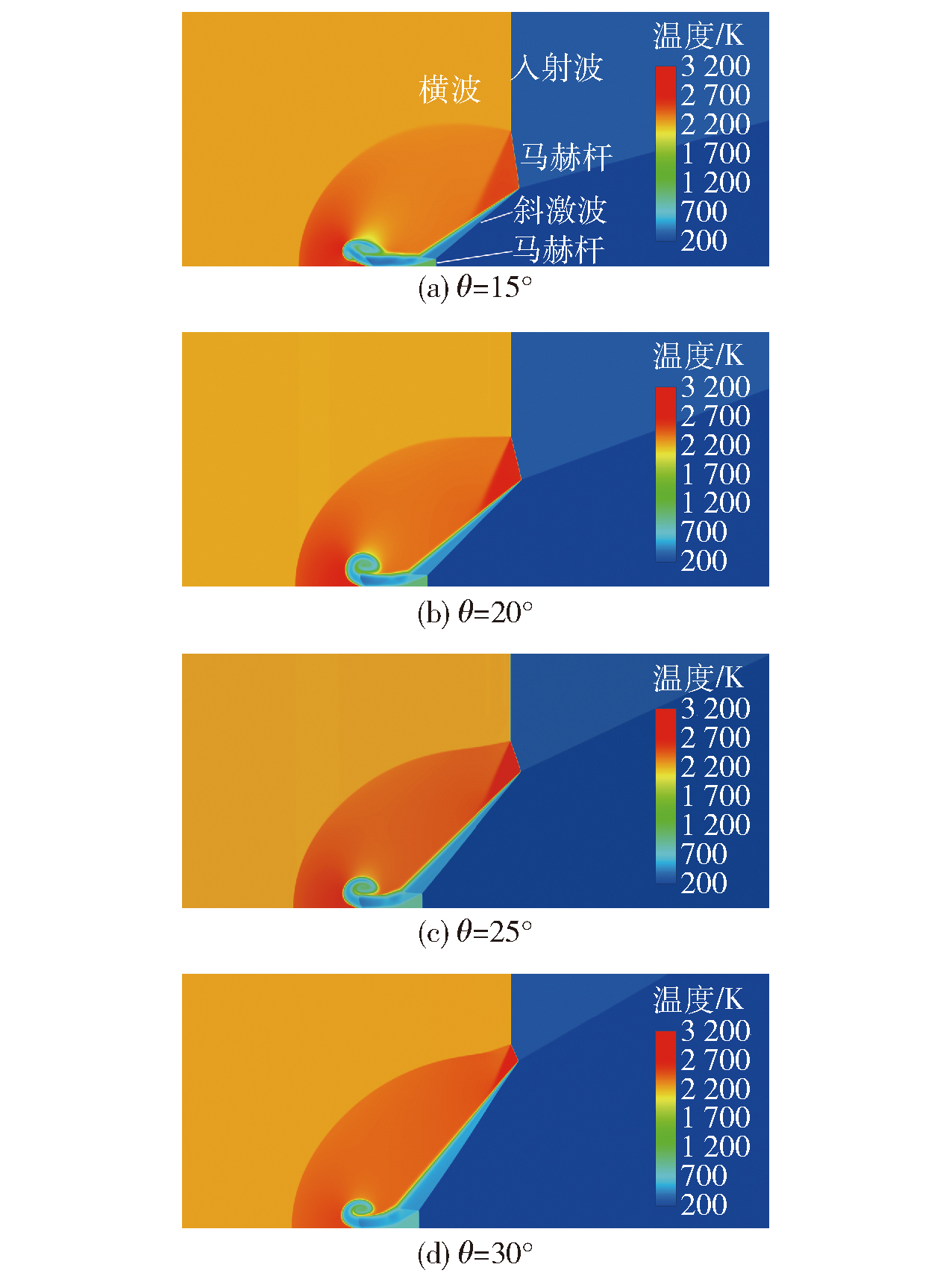
Fig.9 Temperature contour of refraction at 295~50K interface
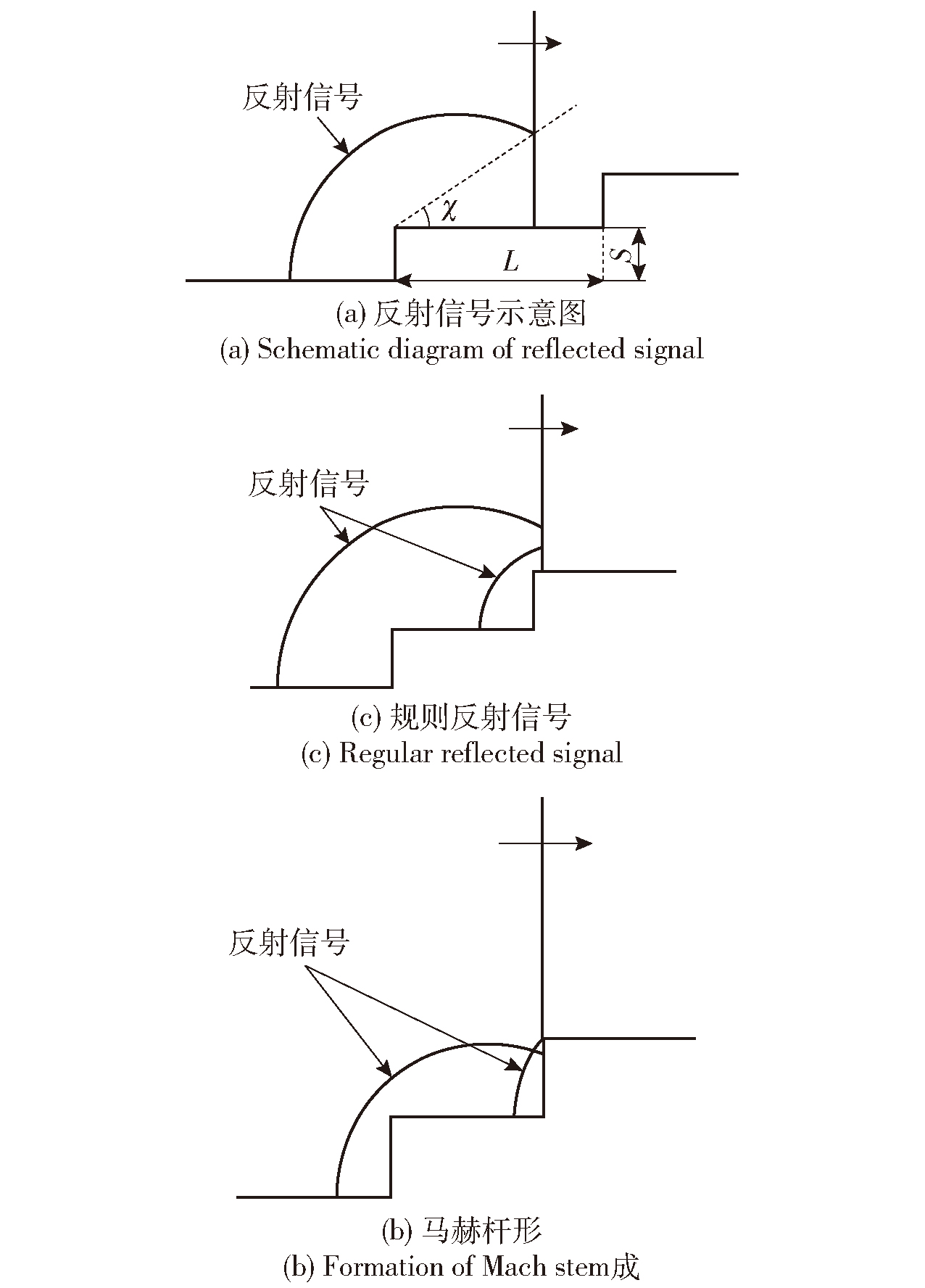
Fig.10 Step signal model

Fig.11 Temperature contour of refraction at 295~100K interface
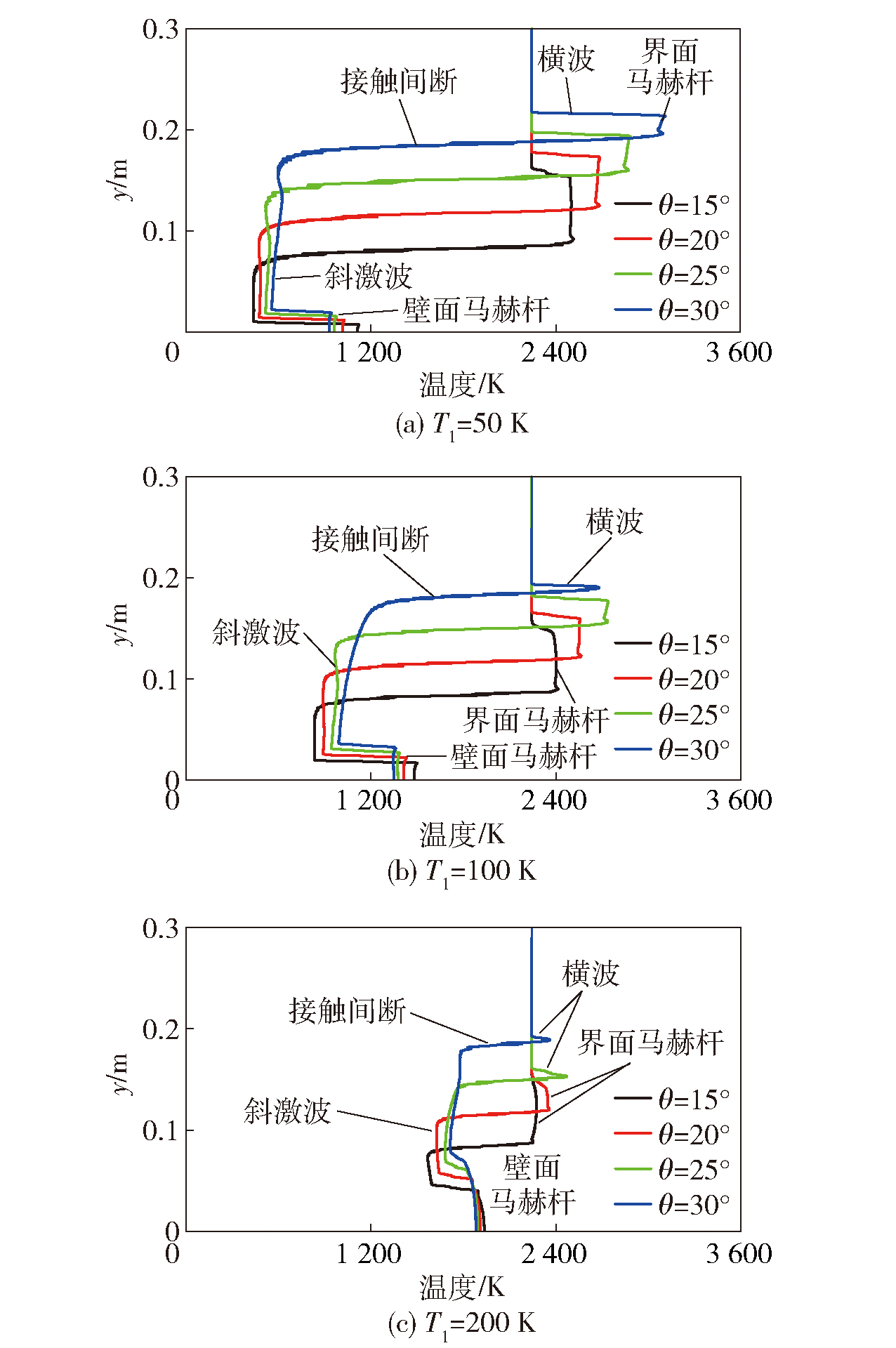
Fig.12 Post-shock temperature
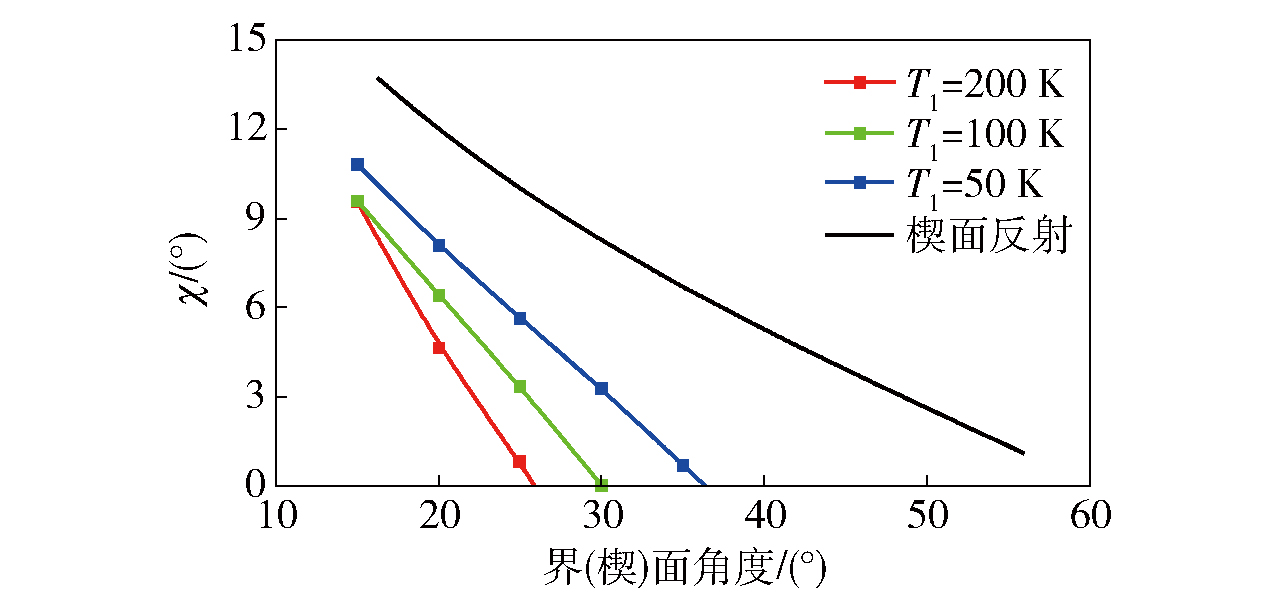
Fig.13 Comparison of χ in refraction and reflection
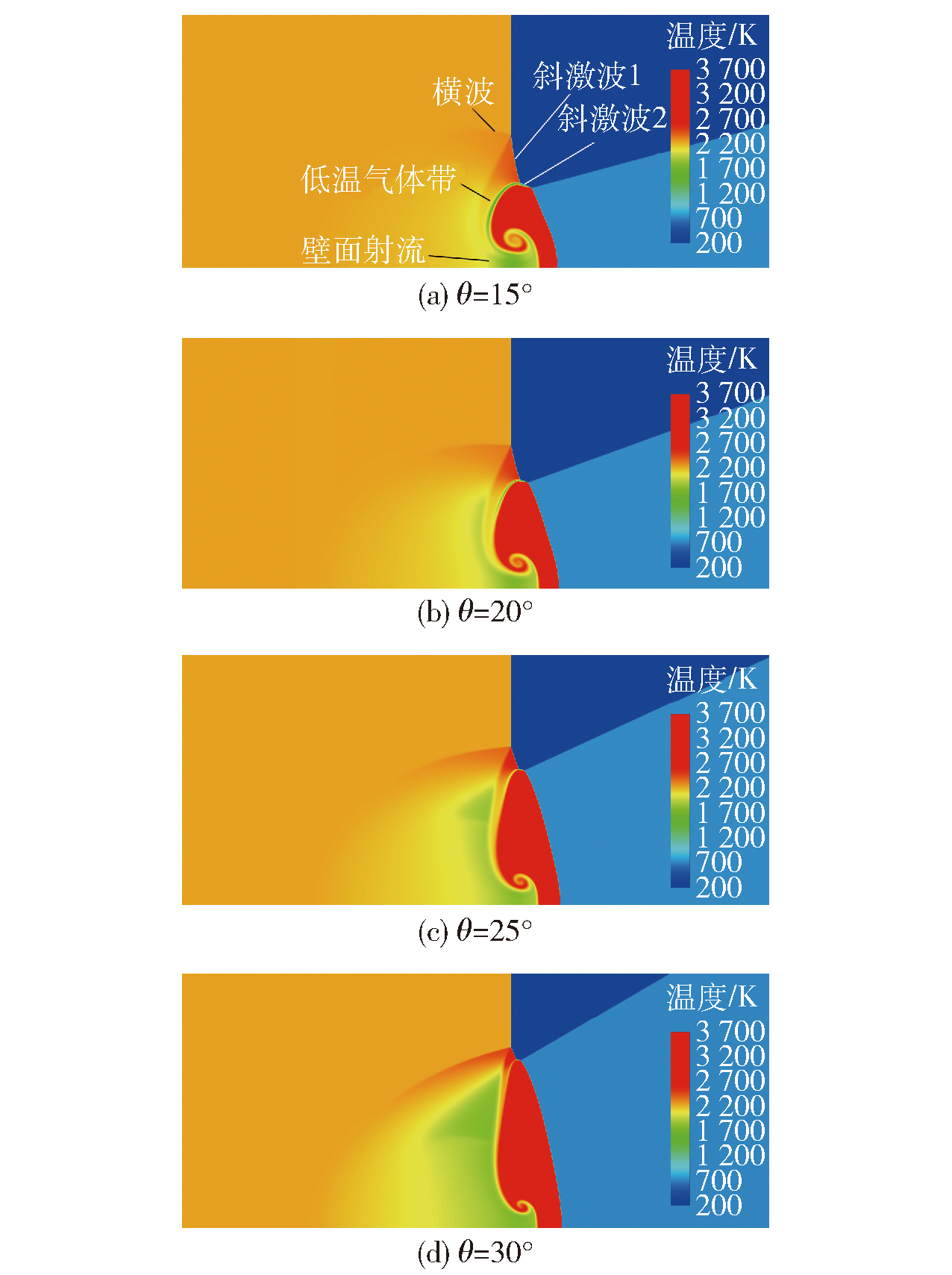
Fig.14 Temperature contour of refraction at 295~800K interface
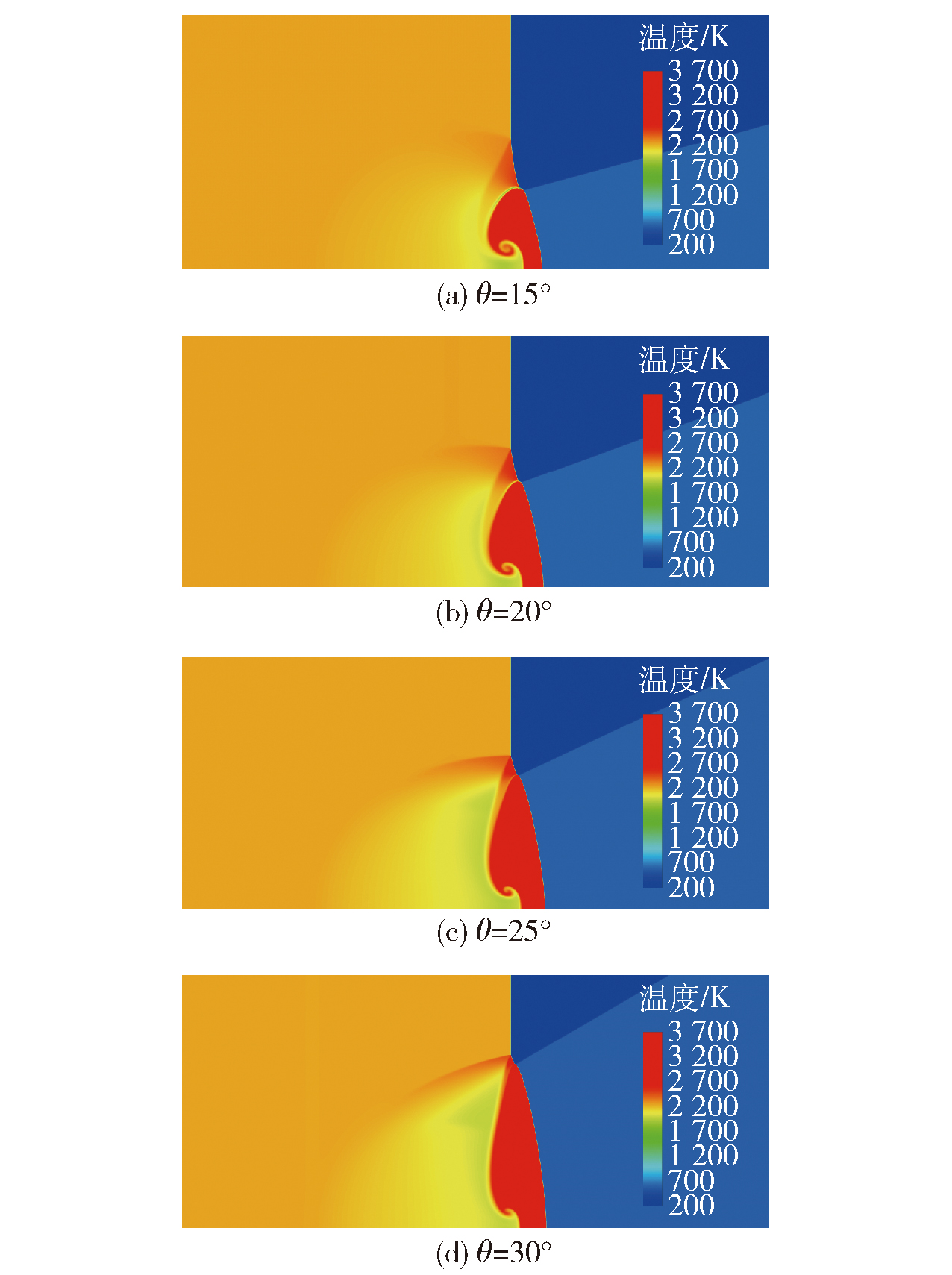
Fig.15 Temperature contour of refraction at 295~600K interface
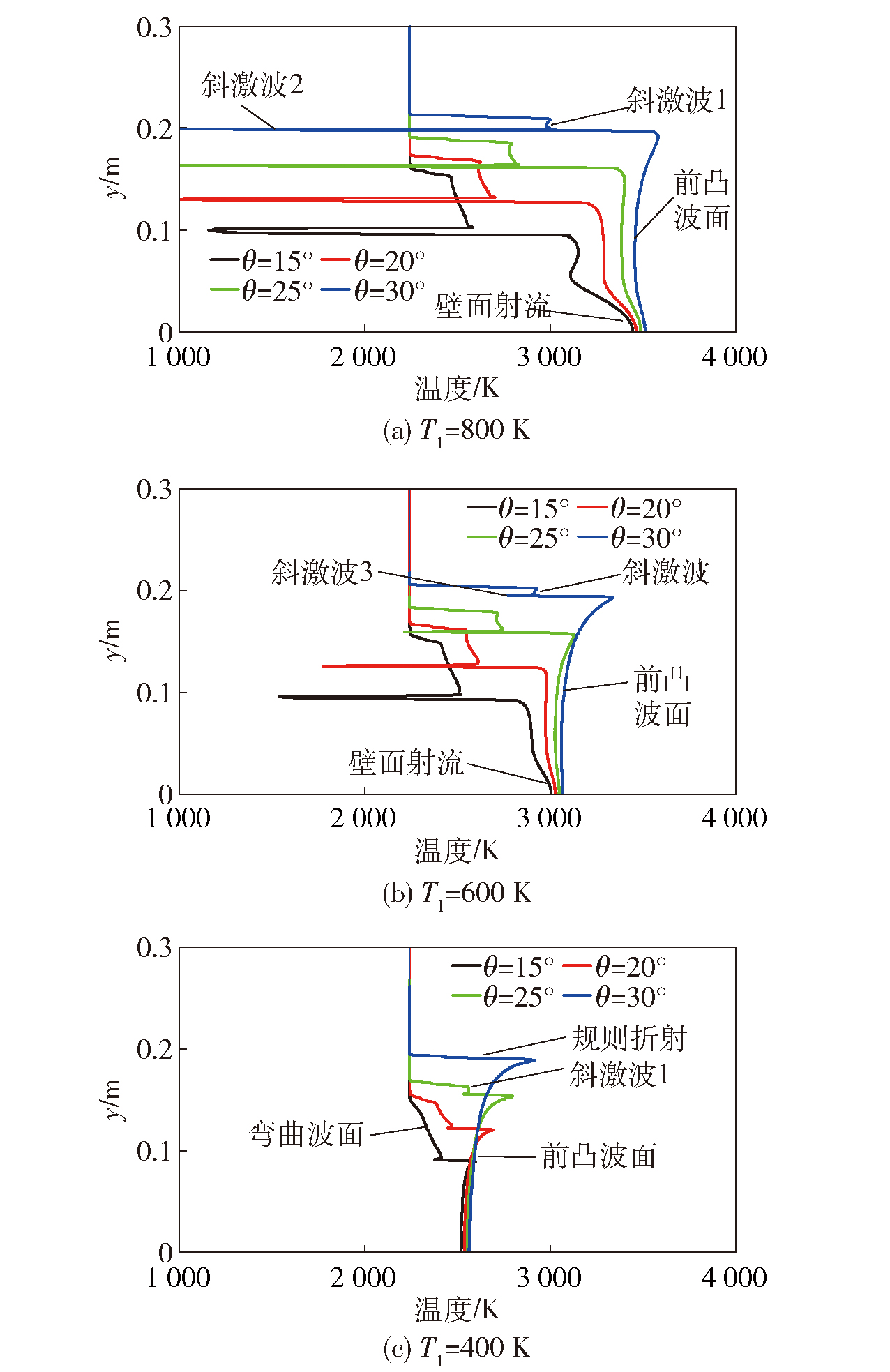
Fig.16 Post-shock temperature
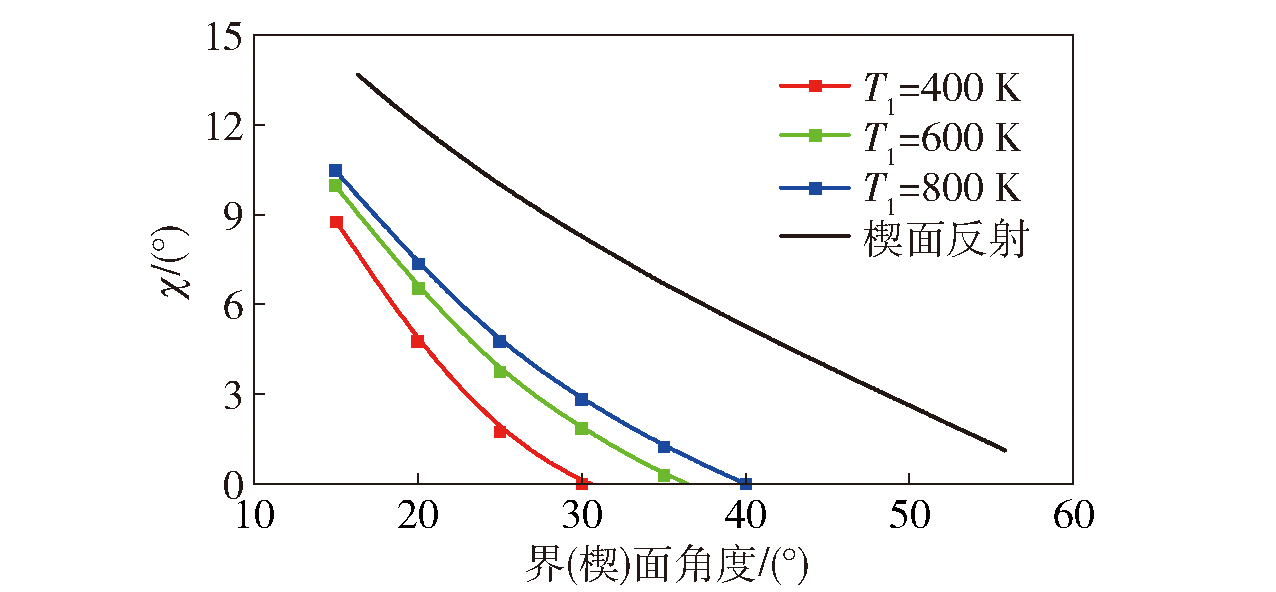
Fig.17 Comparison of χ in refraction and reflection
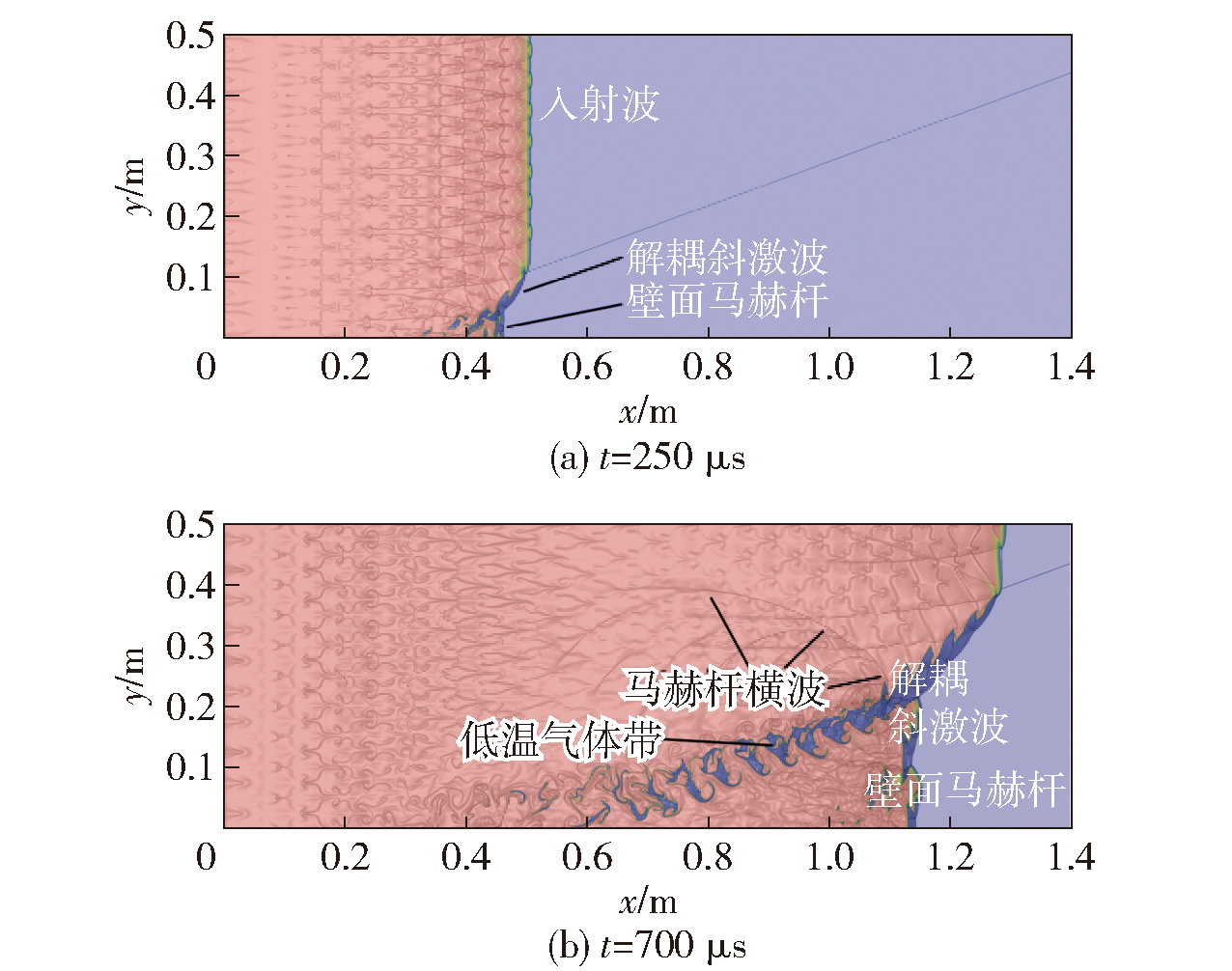
Fig.18 Wavefront structure for T1=200K and θ=20°
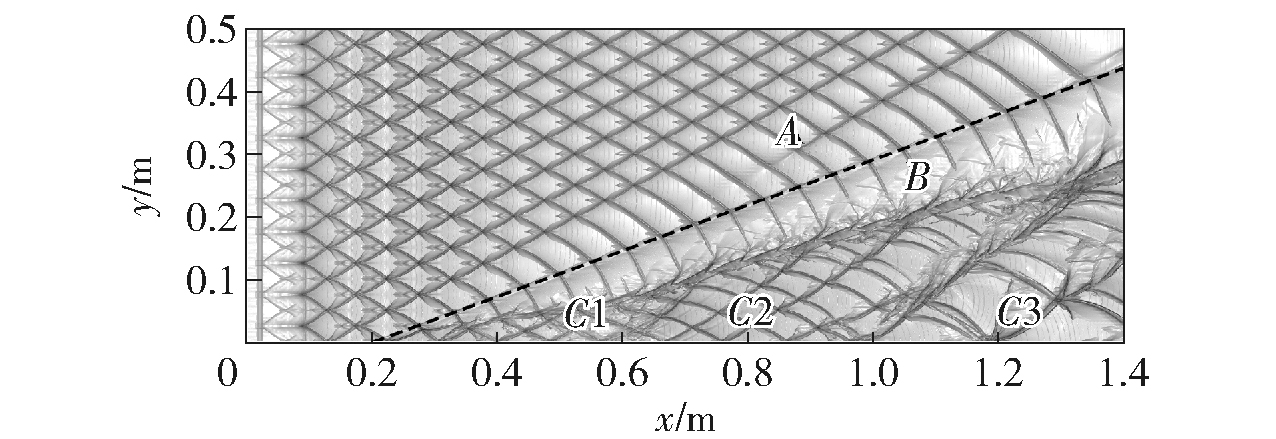
Fig.19 Numerical smoked foil of detonation wave for T1=200K and θ=20°
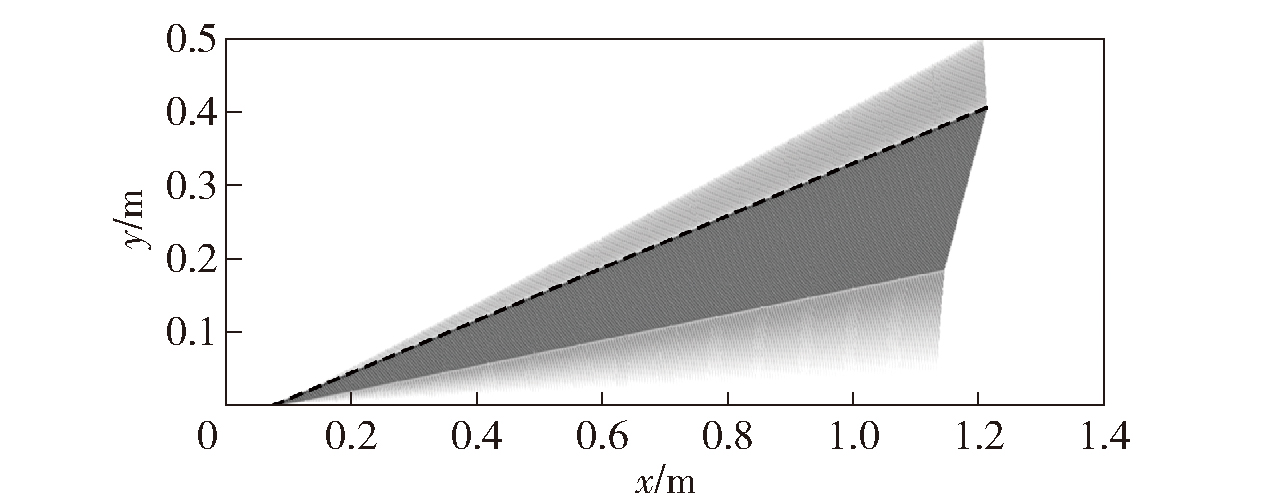
Fig.20 Numerical smoked foil of shock wave for T1=200K and θ=20°
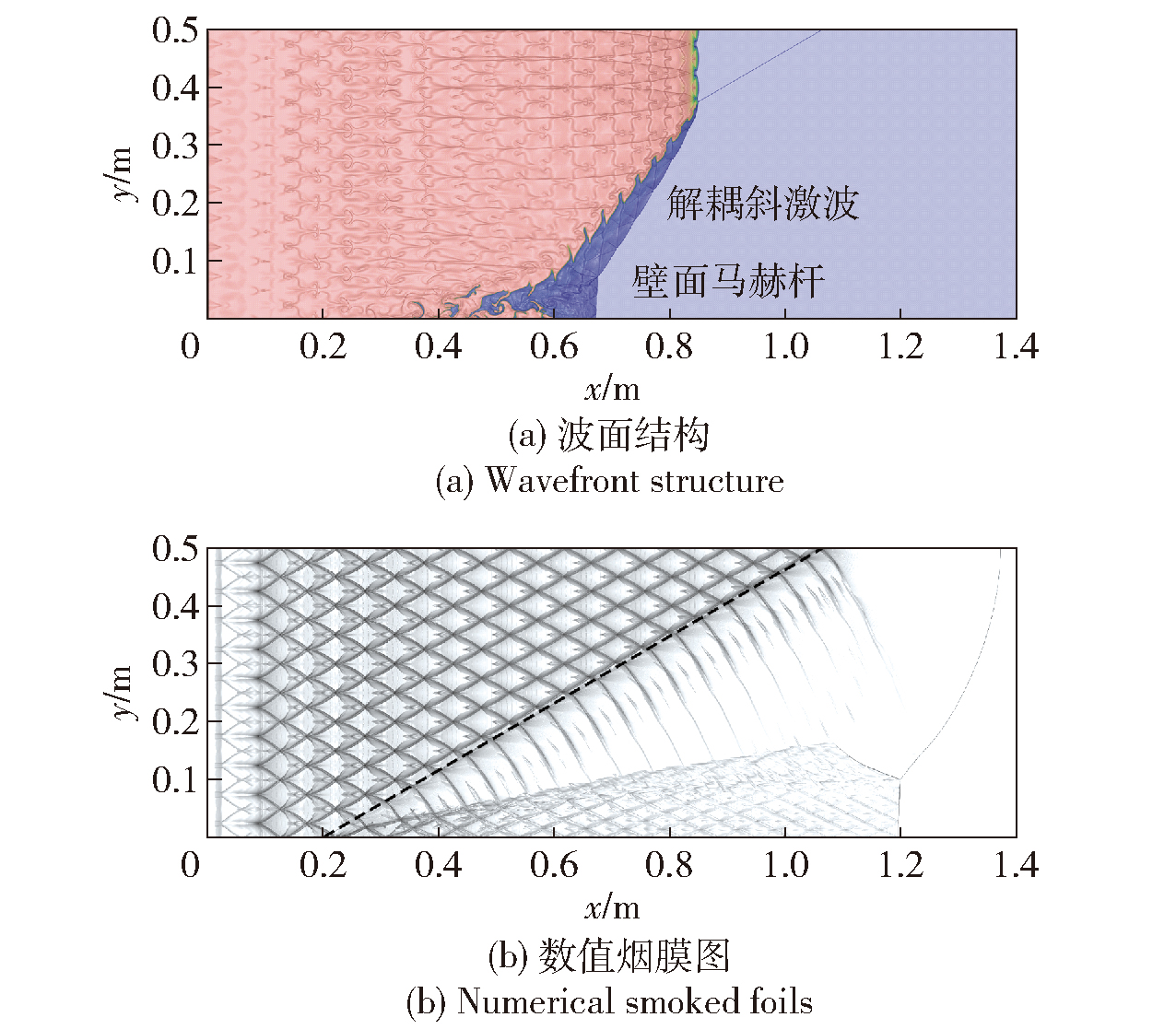
Fig.21 Wavefront and smoked foil for T1=200K and θ=30°

Fig.22 Numerical smoked foil for T1=220K

Fig.23 Wavefront structure for T1=600K
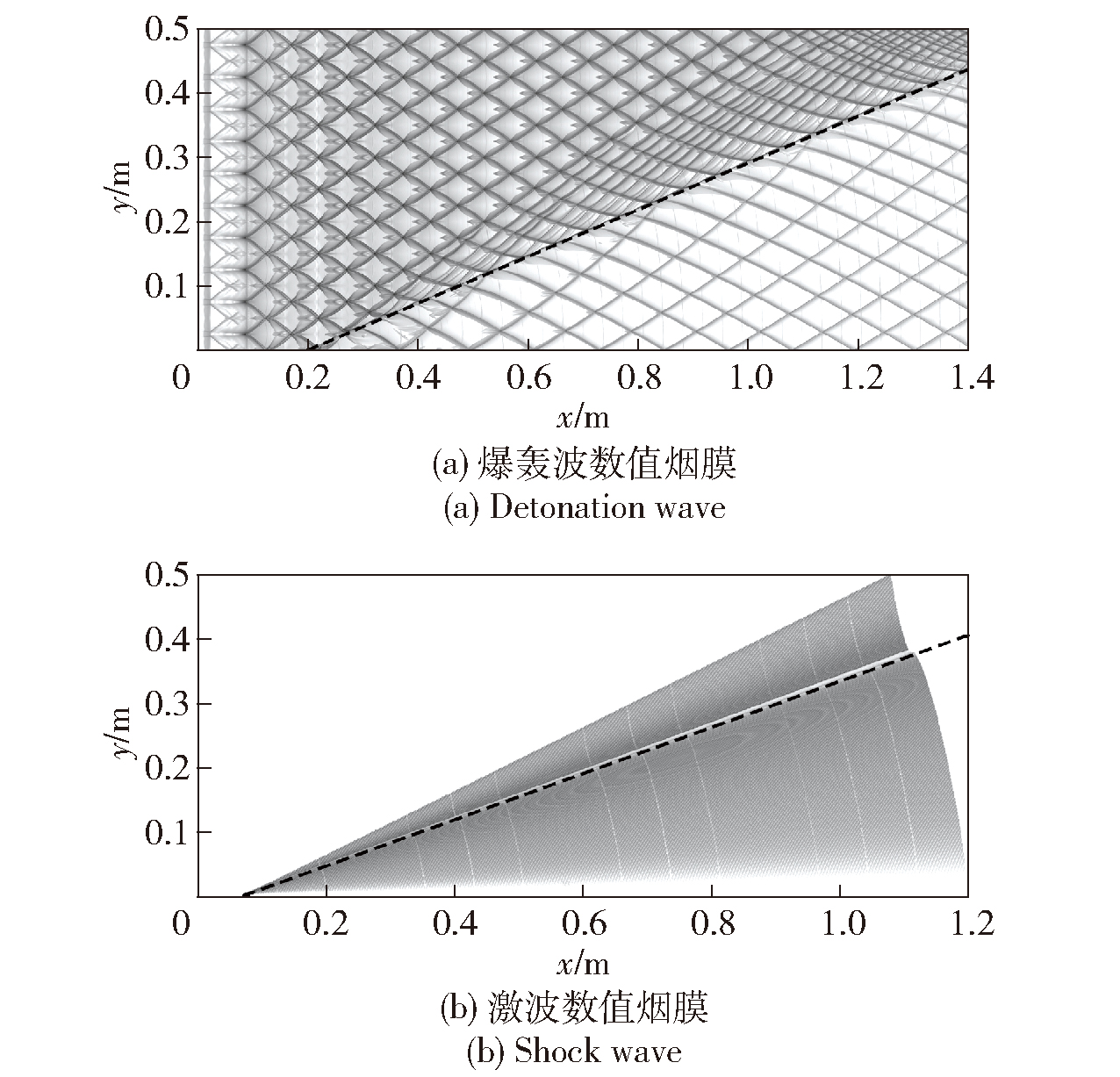
Fig.24 Numerical smoked foils of detonation and shock waves for T1=600K and θ=20°
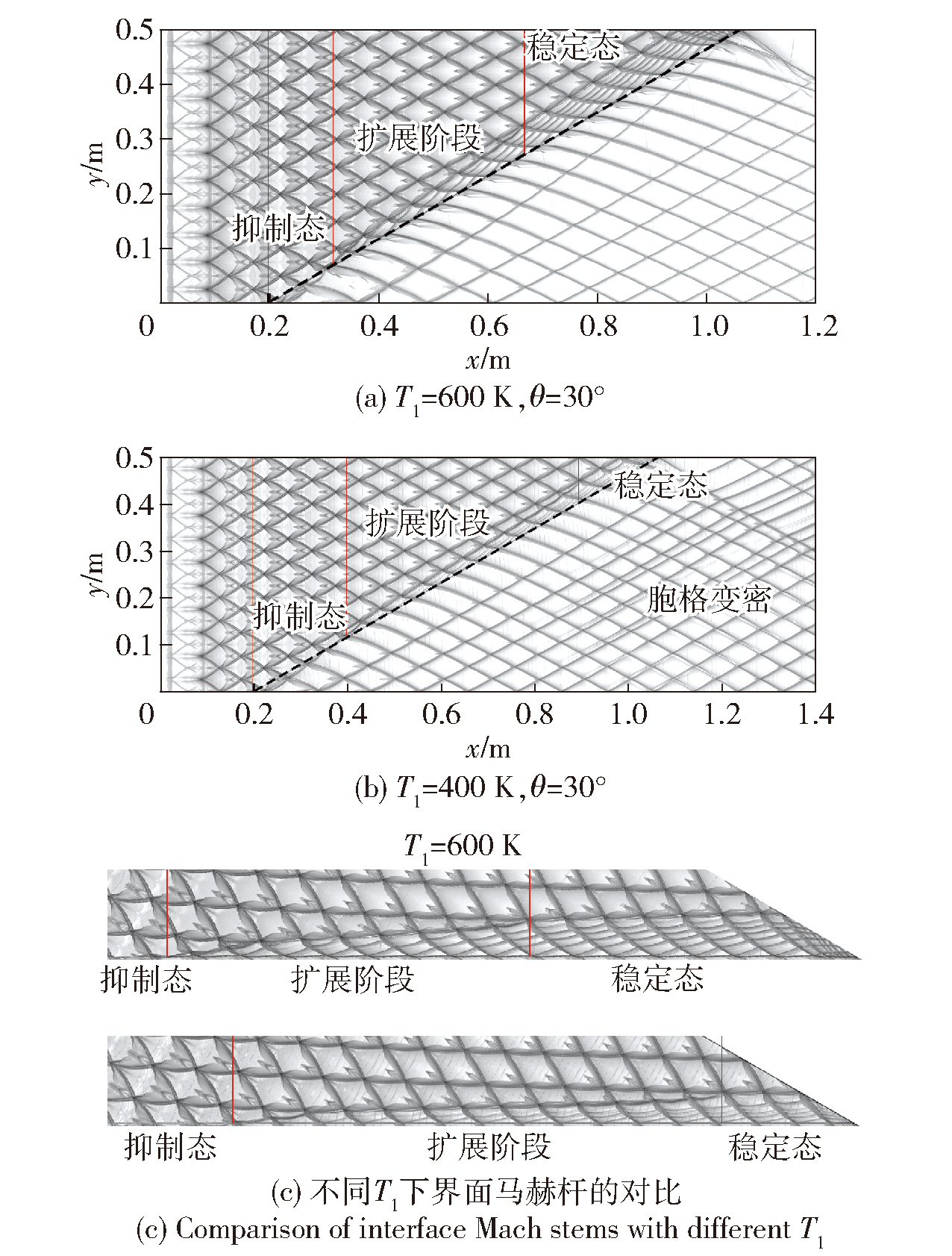
Fig.25 Three development phases of Mach stem development
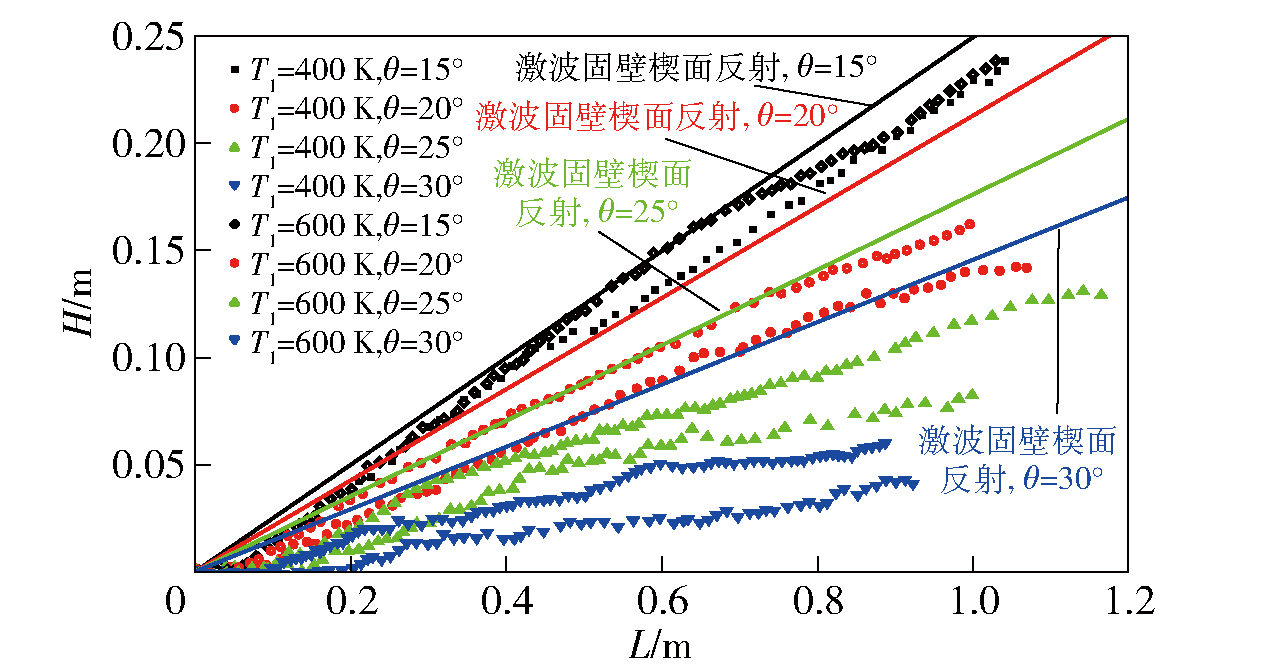
Fig.26 Height evolution of Mach stem at temperature interface
| [1] |
陈达, 宁建国, 李健. 周期性非均匀介质中气相爆轰波演变模式研究[J]. 力学学报, 2021, 53(10): 2865-2879.
|
|
|
|
| [2] |
滕宏辉, 姜宗林. 斜爆轰的多波结构及其稳定性研究进展[J]. 力学进展, 2020, 50(1): 50-92.
|
|
|
|
| [3] |
滕宏辉, 牛淑贞, 杨鹏飞, 等. 非均匀来流中斜爆轰波对扰动的动态响应特性[J]. 气体物理, 2023, 8(5): 1-9.
|
|
|
|
| [4] |
范菊梦, 沈婷, 刘丹丹, 等. 浓度梯度对火焰加速和爆燃转爆轰的影响[J]. 工程热物理学报, 2023, 44(1): 266-273.
|
|
|
|
| [5] |
doi: 10.1016/j.combustflame.2017.11.002 URL |
| [6] |
doi: 10.1007/s00193-016-0668-6 URL |
| [7] |
doi: 10.1007/s00193-015-0562-7 URL |
| [8] |
doi: 10.1017/S0022112056000299 URL |
| [9] |
doi: 10.1017/S0022112076003182 URL |
| [10] |
doi: 10.1017/S0022112078000981 URL |
| [11] |
doi: 10.1103/PhysRev.84.922 URL |
| [12] |
doi: 10.1017/S0022112089000170 URL |
| [13] |
doi: 10.1017/S0022112083002876 URL |
| [14] |
|
| [15] |
doi: 10.1016/j.combustflame.2024.113427 URL |
| [16] |
doi: 10.1016/j.ijhydene.2023.03.190 URL |
| [17] |
|
| [18] |
doi: 10.1134/S0010508222050094 |
| [19] |
doi: 10.1007/s00193-024-01180-7 |
| [20] |
|
| [21] |
doi: 10.1007/s00193-018-0804-6 |
| [22] |
郗雪辰, 杨鹏飞, 王宽亮. 非均匀氢气/空气混合物中一维爆轰波的振荡特性[J]. 兵工学报, 2023, 44(4): 982-993.
|
|
|
|
| [23] |
doi: 10.1016/j.proci.2022.08.045 URL |
| [24] |
|
| [25] |
|
| [26] |
doi: 10.1103/PhysRev.72.51 URL |
| [27] |
doi: 10.1017/S0022112086001568 URL |
| [28] |
doi: 10.1007/s00348-003-0722-x URL |
| [1] | LIU Qiming, FAN Zhengyan, LI Tao, YANG Weilong, HAN Xu. Failure Mechanism of Solder Joints of Projectile-borne Electronic Package under High Overload Environment [J]. Acta Armamentarii, 2025, 46(9): 241006-. |
| [2] | GU Hongcan, WANG Jiabei, WANG Peng, ZHU Miao, YAO Gaofei, HUANG Junbin, LÜ Jiaqing. Directivity Analysis and Test of a Distributed WRFBG Hydrophone Linear Array [J]. Acta Armamentarii, 2025, 46(9): 240792-. |
| [3] | GU Minhui, TANG Kui, WANG Jinxiang, XIA Jingwen, LI Yuanbo, WANG Hongfei. Penetration Fragmentation Characteristics and Damage After-effects of PELE with Slits [J]. Acta Armamentarii, 2025, 46(8): 240898-. |
| [4] | AN Chengyuan, LIU Haipeng, LIU Yan, REN Wei. Shock Wave Power Characteristics of Cylindrical Explosives with Elliptical Cross-section [J]. Acta Armamentarii, 2025, 46(8): 240969-. |
| [5] | WANG Ye, CHEN Huiyan, XI Junqiang, YU Huilong. An Overview of Research on Navigation of Amphibious Vehicle on Water [J]. Acta Armamentarii, 2025, 46(7): 240156-. |
| [6] | LI Qingsong, WANG Lei, ZHAO Ning, ZHANG Xiaotian, ZHANG Lei, WANG Kehong. Finite Element Simulation Analysis and Experimental Study of Arc Additive Frame Structure [J]. Acta Armamentarii, 2025, 46(7): 240629-. |
| [7] | GONG Xiaohui, RAO Guoning, ZHOU Rudong, ZHU Xiaofeng, KONG Decheng, MENG Chenyu. Test and Numerical Simulation of Penetration Resistance of Polyurea/fiber Composite Structures [J]. Acta Armamentarii, 2025, 46(7): 240709-. |
| [8] | YAN Ming, WANG Xinjie, HUANG Fenglei, YOU Sa. Thermal-ignition Response of Warhead Charge and Characteristics of Typical Thermal Protection Structure under Hypersonic Aerodynamic Heating [J]. Acta Armamentarii, 2025, 46(6): 240401-. |
| [9] | LI Yuqi, NING Jianguo, XU Xiangzhao. Calculation of Reflected Pressure from Shock Wave Interaction with Typical Materials [J]. Acta Armamentarii, 2025, 46(10): 250221-. |
| [10] | LI Yuan, WANG Tianchi, HOU Bing, SUO Tao, DOU Qingbo. Numerical Modeling on Explosion Protection of Sintered Fiber Network Material [J]. Acta Armamentarii, 2025, 46(10): 250402-. |
| [11] | XIONG Jun, DAI Yijun, GONG Xiangfei, LIU Lufeng. An Improved Efficient Parallel DSD Algorithm and Its Verification & Validation [J]. Acta Armamentarii, 2025, 46(10): 250411-. |
| [12] | JIA Di, CHEN Chuanqing, LI Xin. Numerical Simulation Study on the Blast Resistance of Foam Matrix Negative Effective Mass Metamaterials [J]. Acta Armamentarii, 2025, 46(10): 250505-. |
| [13] | LIU Zhenxian, JIANG Jianwei, LI Mei, XIE Hongwei. High Precision Simulation of the Influence of Pressing Ring on EFP Forming Properties [J]. Acta Armamentarii, 2025, 46(1): 231193-. |
| [14] | YANG Xi, FENG Yukun, CHEN Zuogang, ZHANG Yan. Investigation of Navigation Performance and Jet Flow Characteristics of Water-jet Propulsion Vessel in Shallow Water [J]. Acta Armamentarii, 2024, 45(S2): 123-132. |
| [15] | ZHANG Jiansheng, JING Jianbin, SUN Hao, WANG Xiquan, LI Bo. Numerical Simulation and Experimental Study on Damage Effect of Prestressed T-shaped Beam under Blast Load [J]. Acta Armamentarii, 2024, 45(S2): 193-198. |
| Viewed | ||||||
|
Full text |
|
|||||
|
Abstract |
|
|||||
