


Responsible Institution: China Association for Science and Technology
Sponsor: China Ordnance Society
ISSN 1000-1093 CN 11-2176/TJ
Sponsor: China Ordnance Society
ISSN 1000-1093 CN 11-2176/TJ
Acta Armamentarii ›› 2025, Vol. 46 ›› Issue (10): 250111-.doi: 10.12382/bgxb.2025.0111
Previous Articles Next Articles
TAN Rijing, REN Huilan*( ), LI Tao
Received:2025-02-21
Online:2025-11-05
Contact:
REN Huilan
TAN Rijing, REN Huilan, LI Tao. Discrete Element Simulation if Crack Initiation and Damage Evolution in Concrete[J]. Acta Armamentarii, 2025, 46(10): 250111-.
Add to citation manager EndNote|Ris|BibTeX
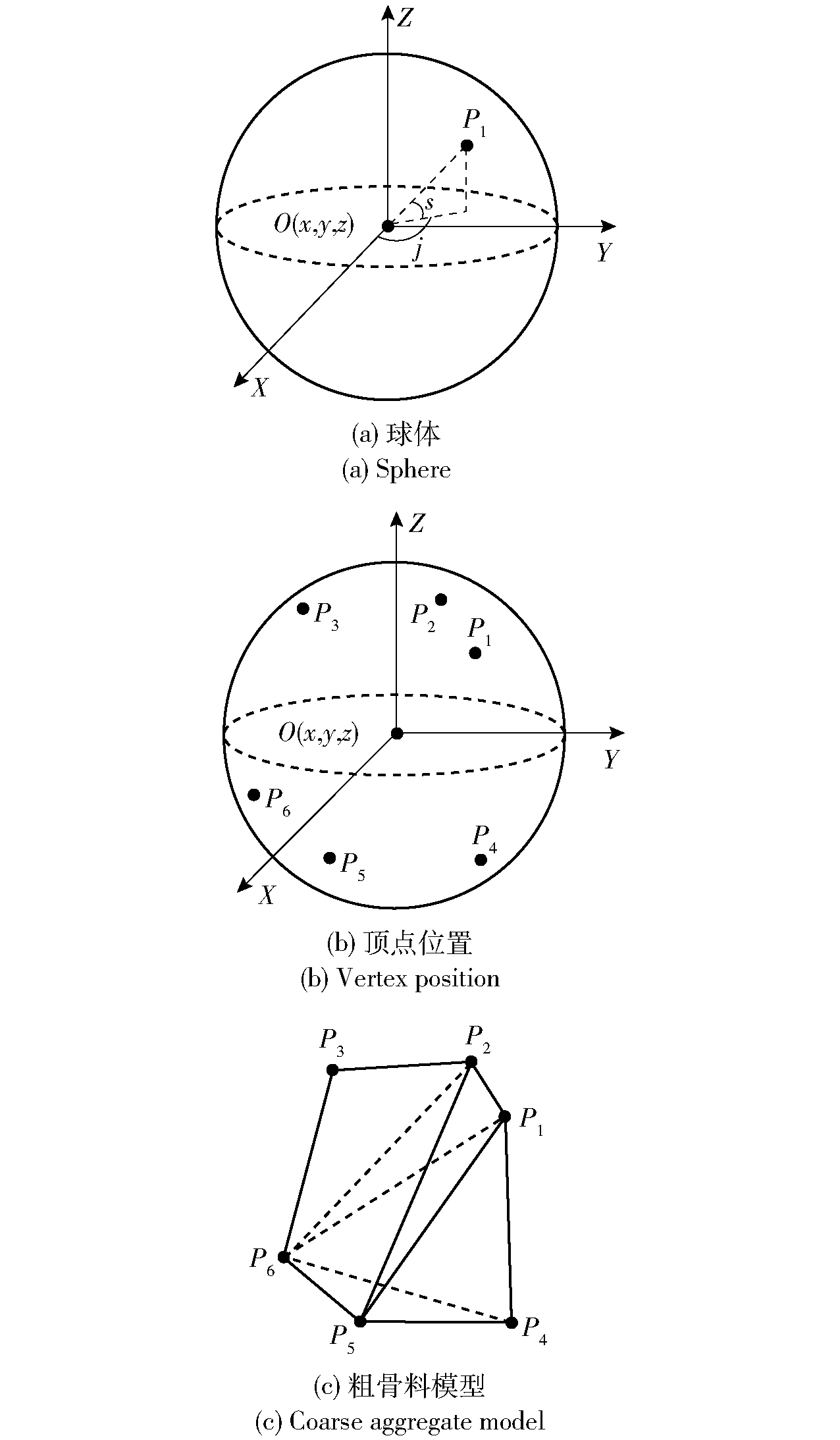
Fig.1 Geometry model of a coarse aggregate
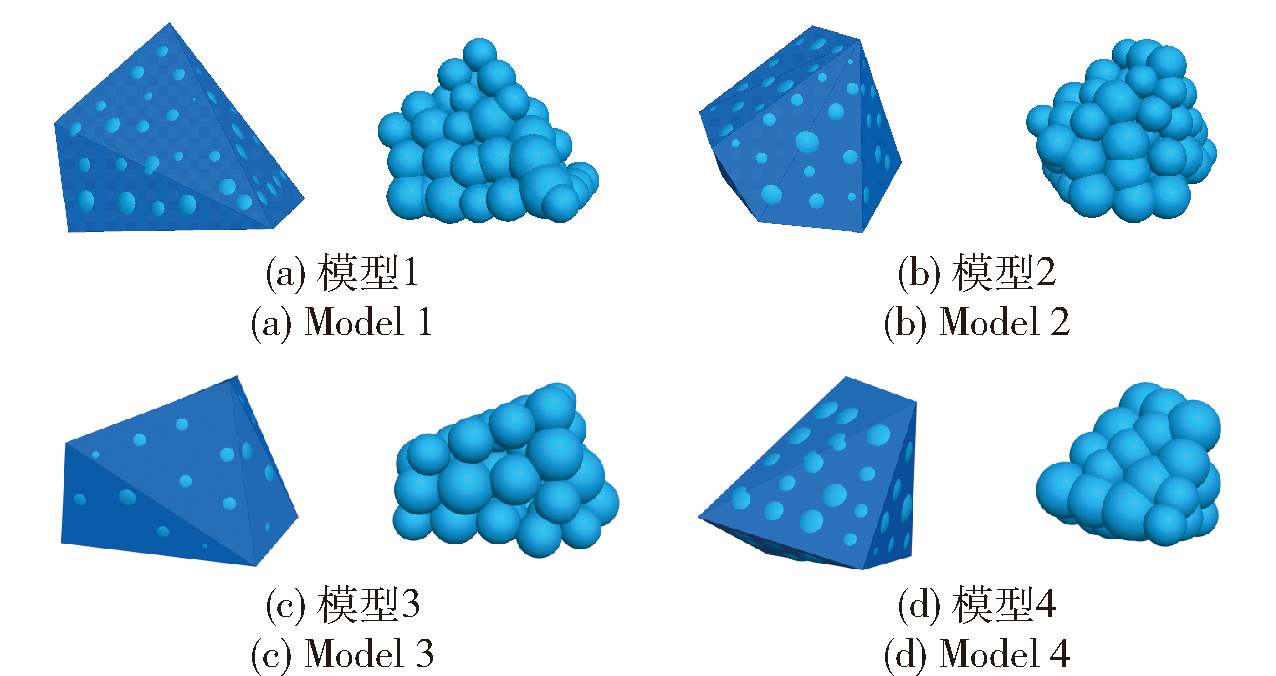
Fig.2 Illustration of clump model
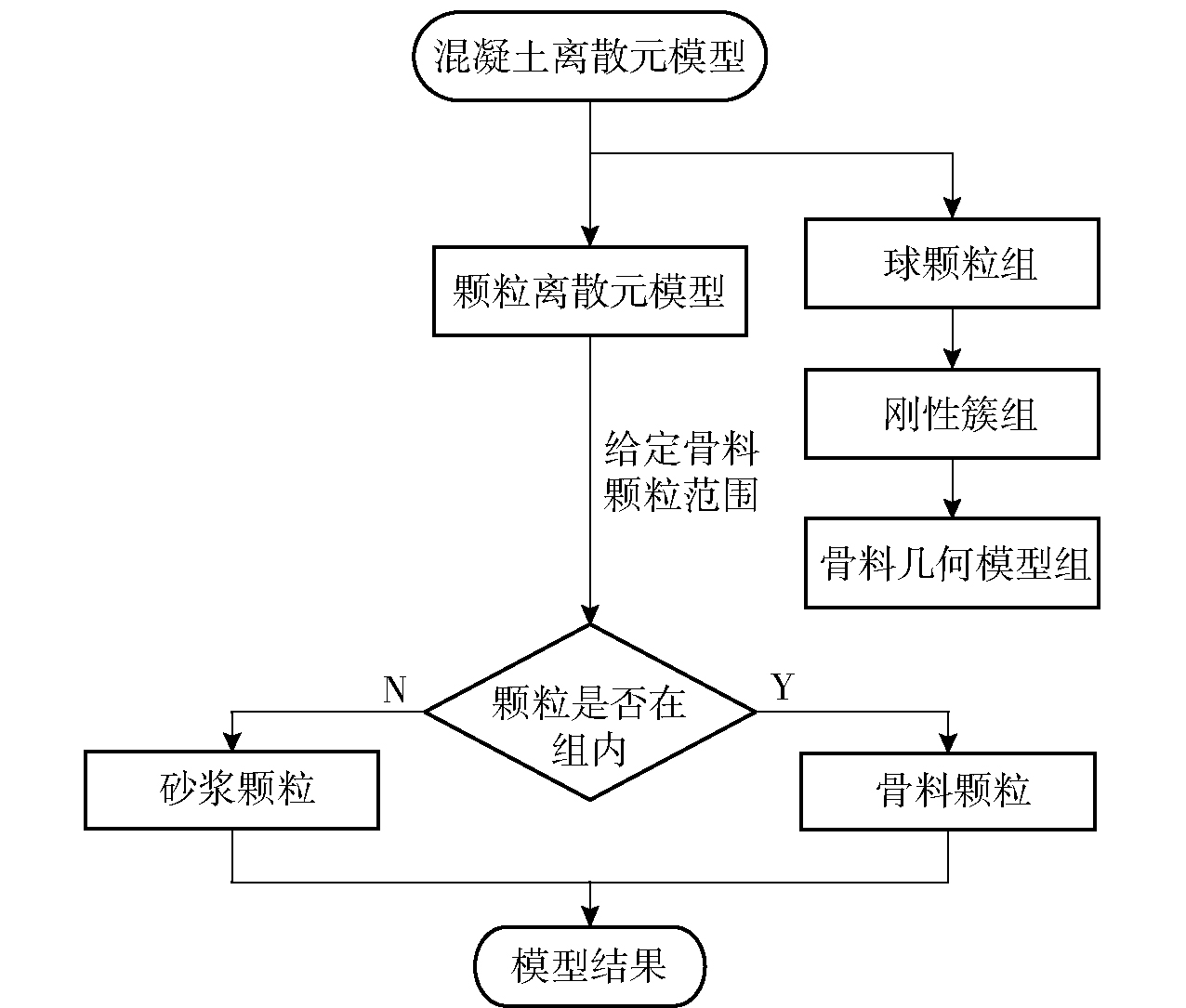
Fig.3 Flow chart of concrete model construction
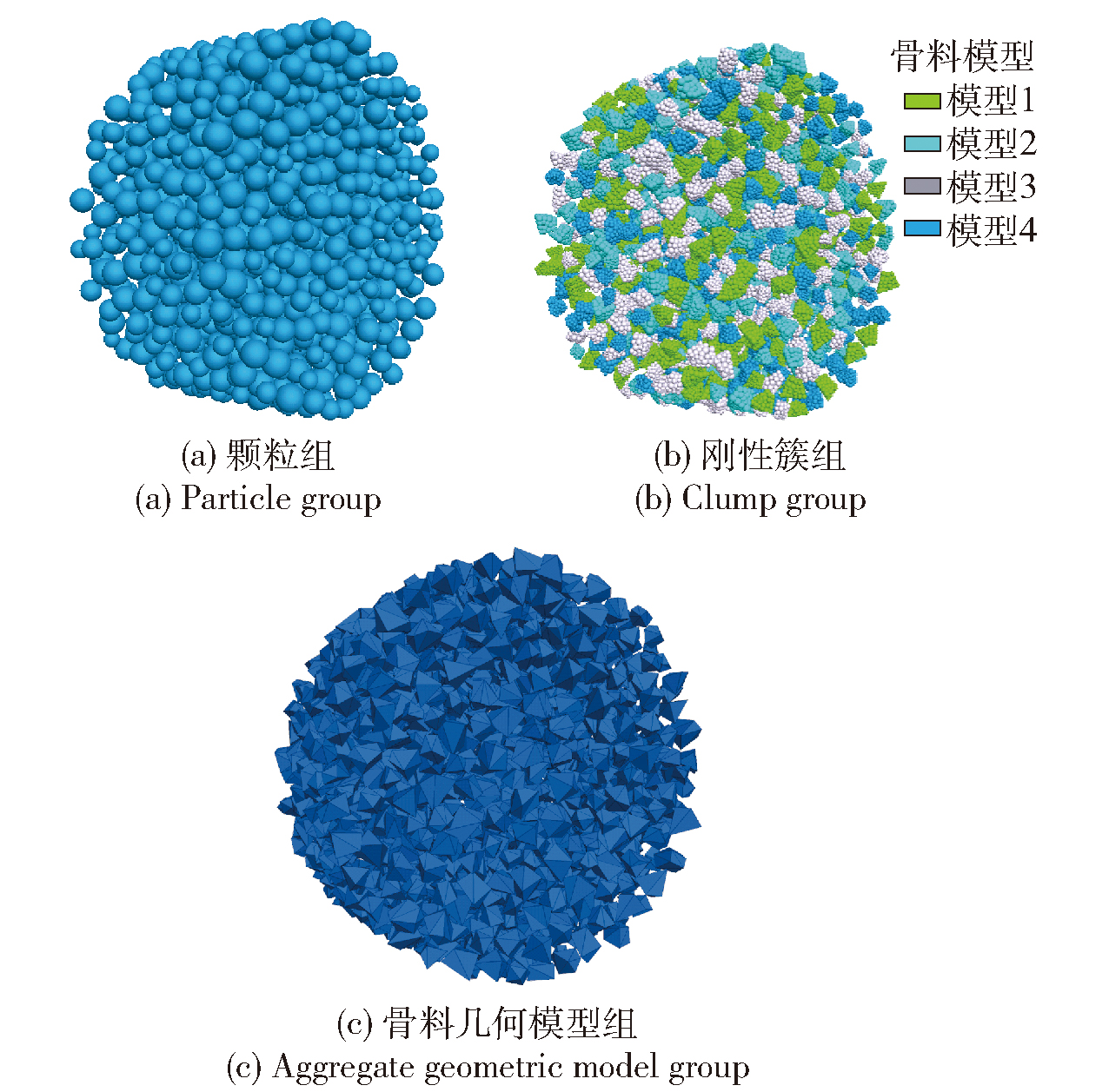
Fig.4 Illustration of coarse aggregate inside concrete
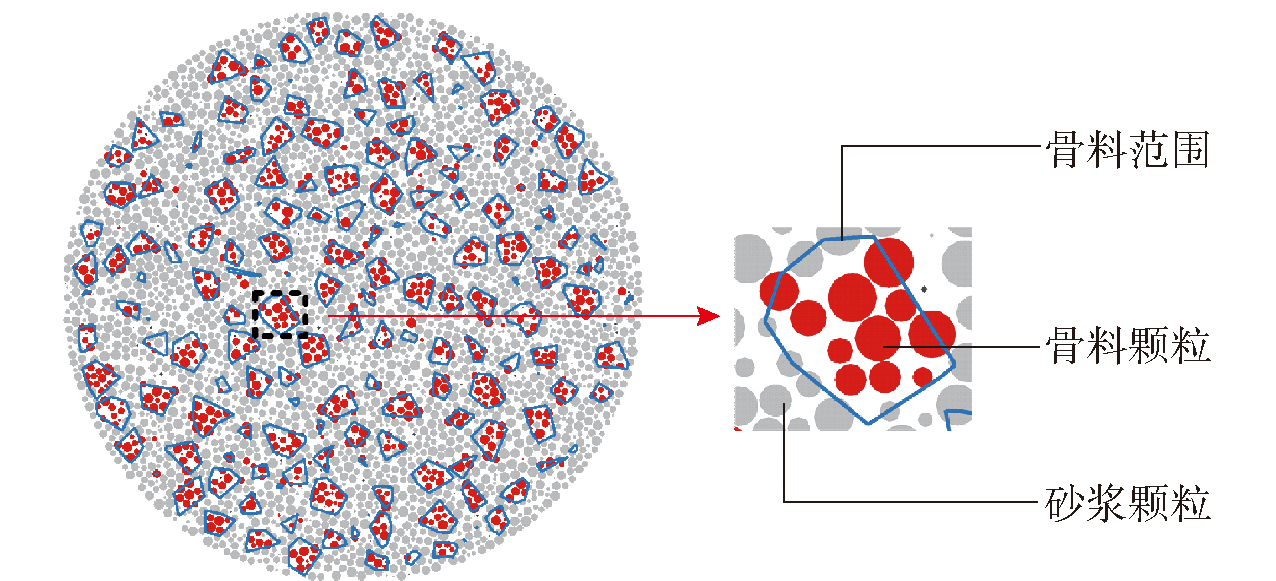
Fig.5 Aggregate particle range inside concrete
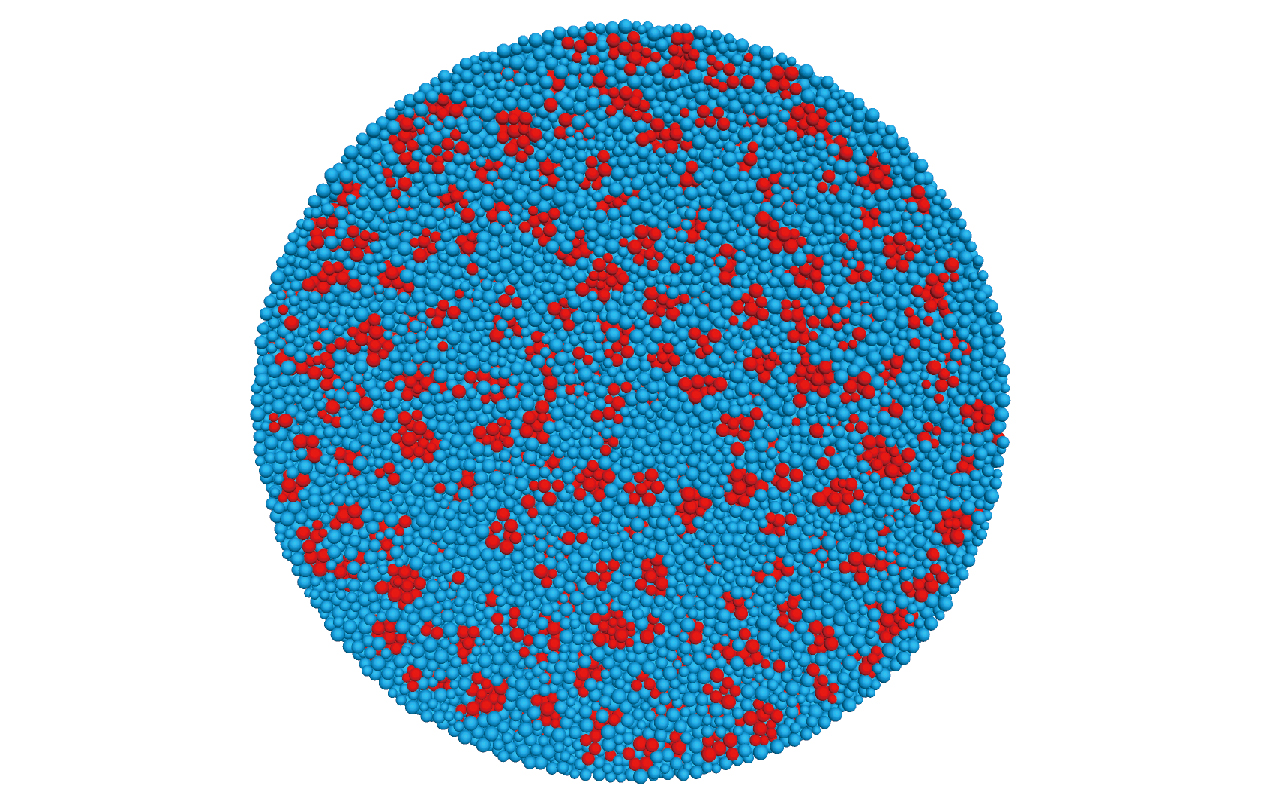
Fig.6 Three-dimensional discrete element model of concrete
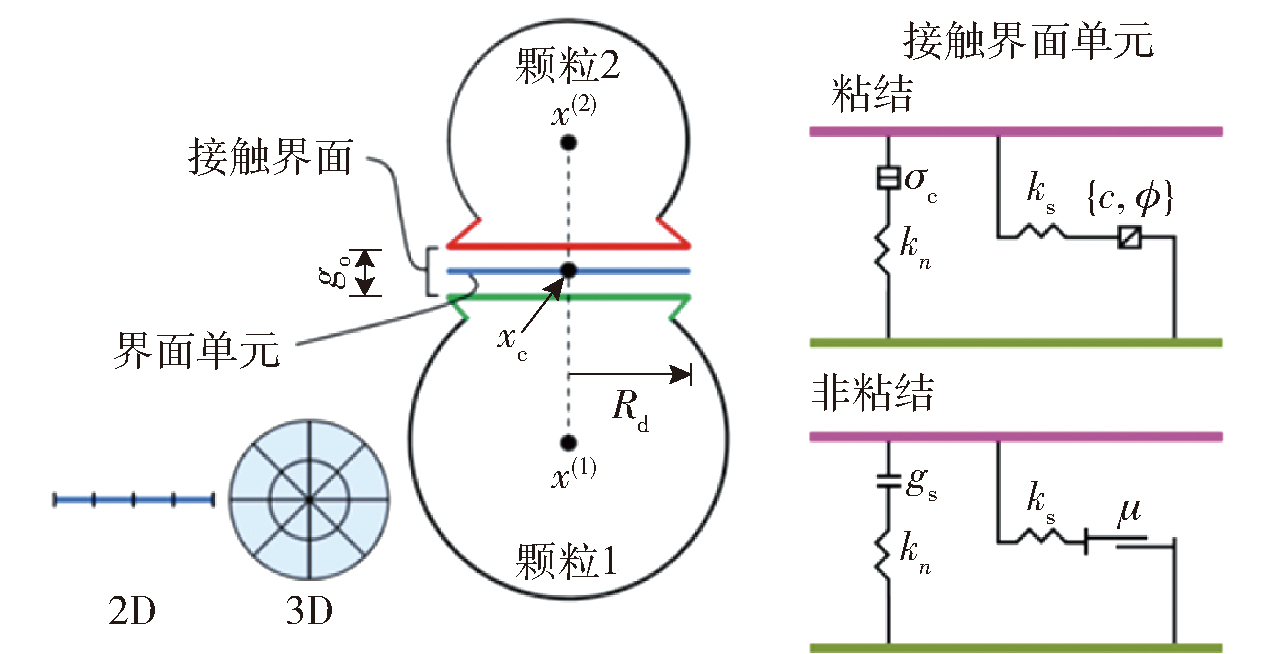
Fig.7 Flat-joint contact model
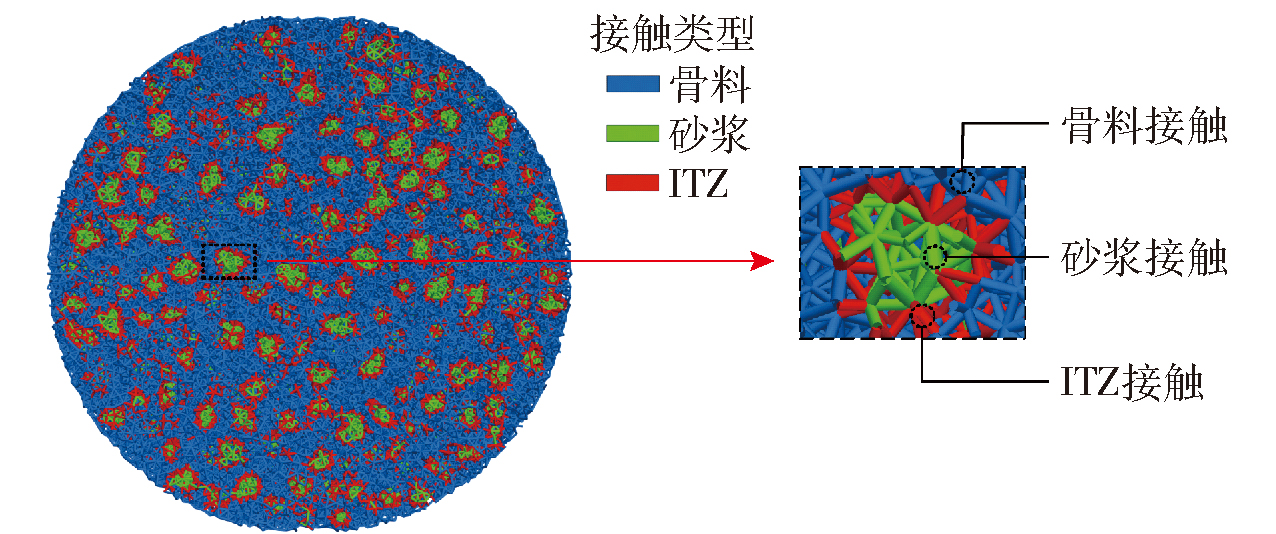
Fig.8 Three groups of contacts in the numerical simulation
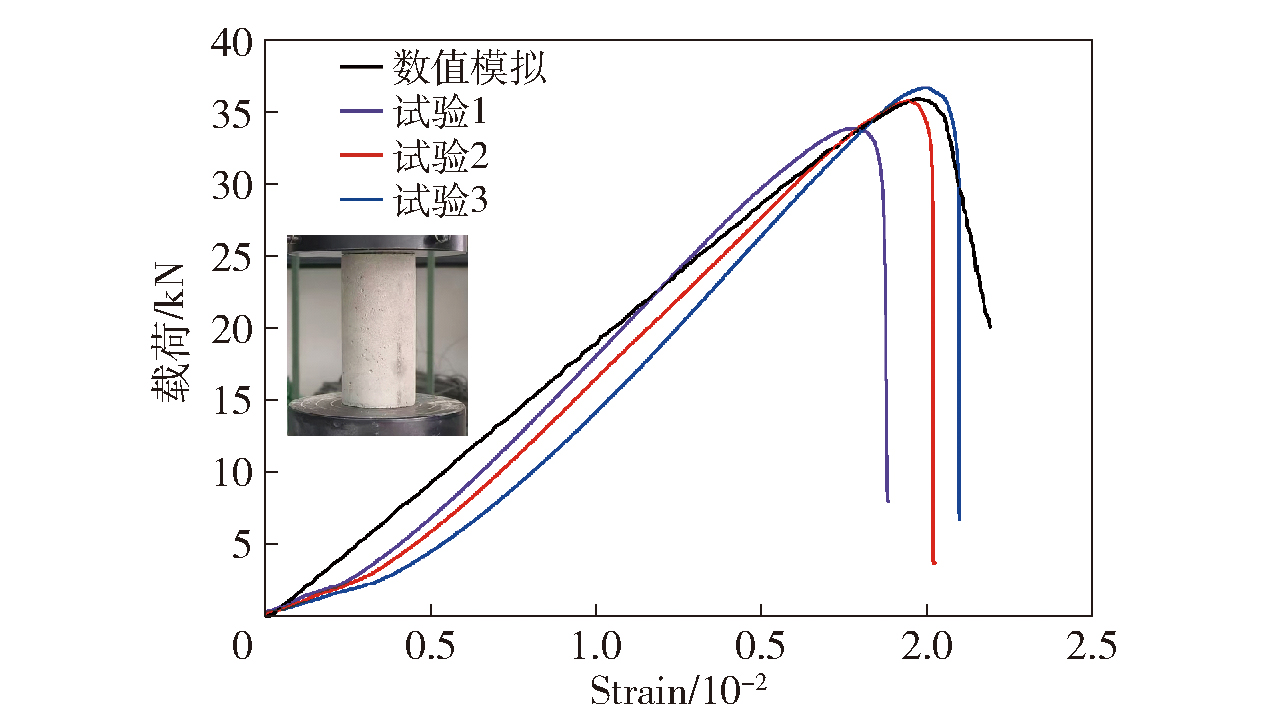
Fig.9 Stress-strain curves in the uniaxial compressive test
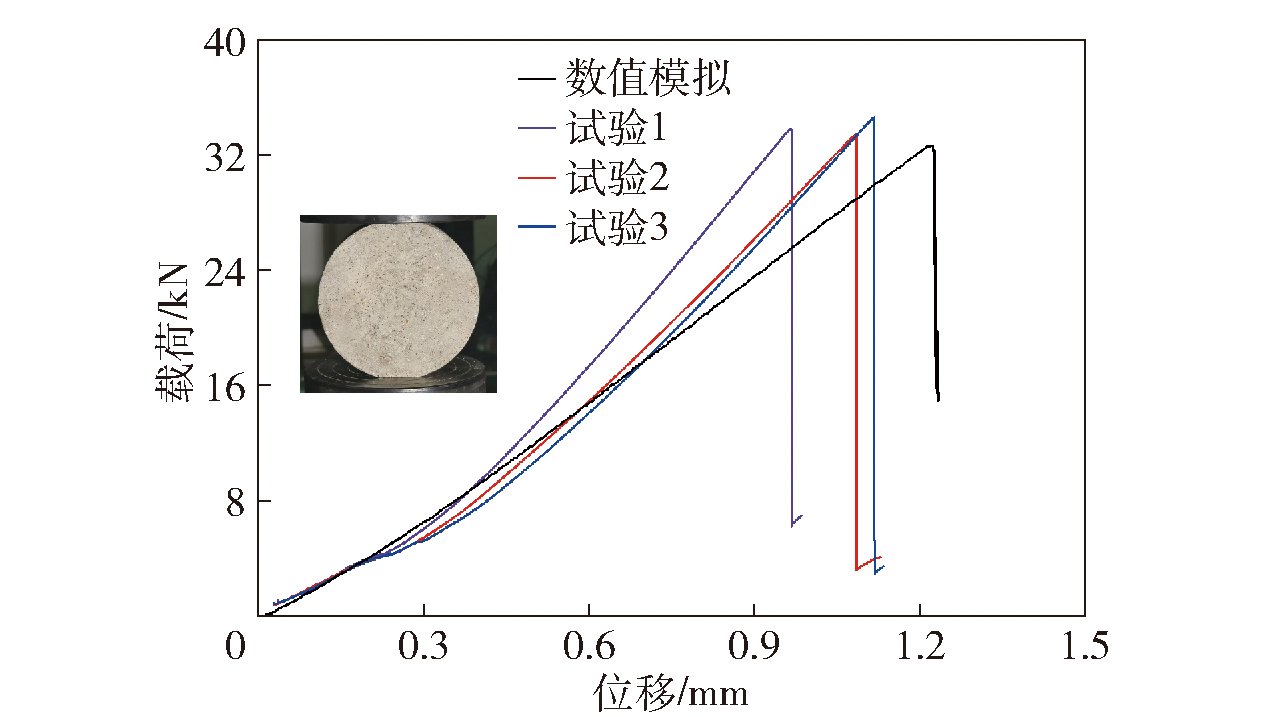
Fig.10 Force displacement curves in the Brazilian test
| 参数 | 水泥砂浆 | 骨料 | ITZ |
|---|---|---|---|
| 弹性模量Ec/GPa | 2 | 4 | 1.2 |
| 抗拉强度σt/MPa | 8.5 | 20 | 5.1 |
| 粘结强度c/MPa | 13.5 | 35 | 8.1 |
Table 1 Parameters of Flat-Joint Model contacts
| 参数 | 水泥砂浆 | 骨料 | ITZ |
|---|---|---|---|
| 弹性模量Ec/GPa | 2 | 4 | 1.2 |
| 抗拉强度σt/MPa | 8.5 | 20 | 5.1 |
| 粘结强度c/MPa | 13.5 | 35 | 8.1 |
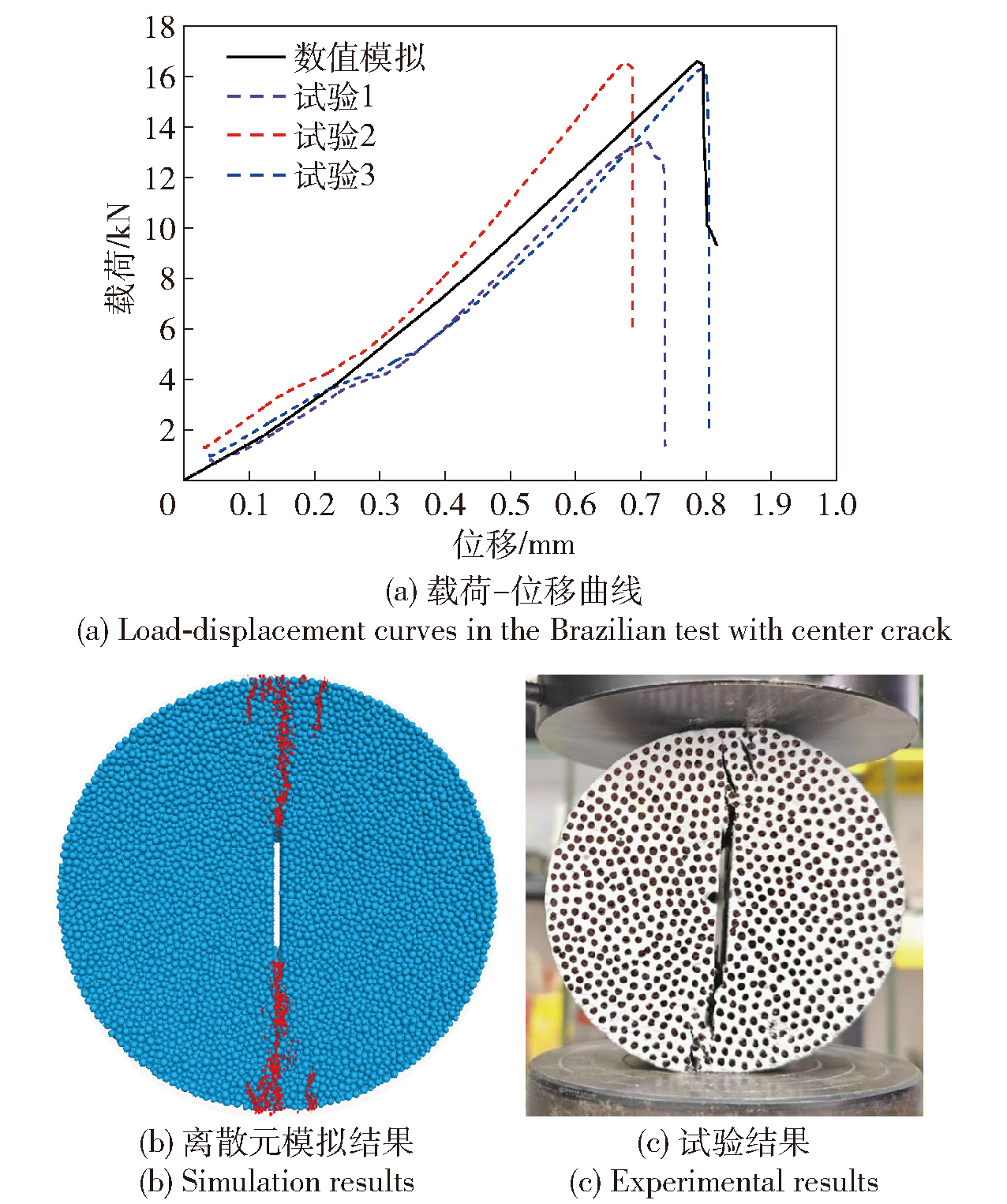
Fig.11 Comparison between experimental results and simulation results
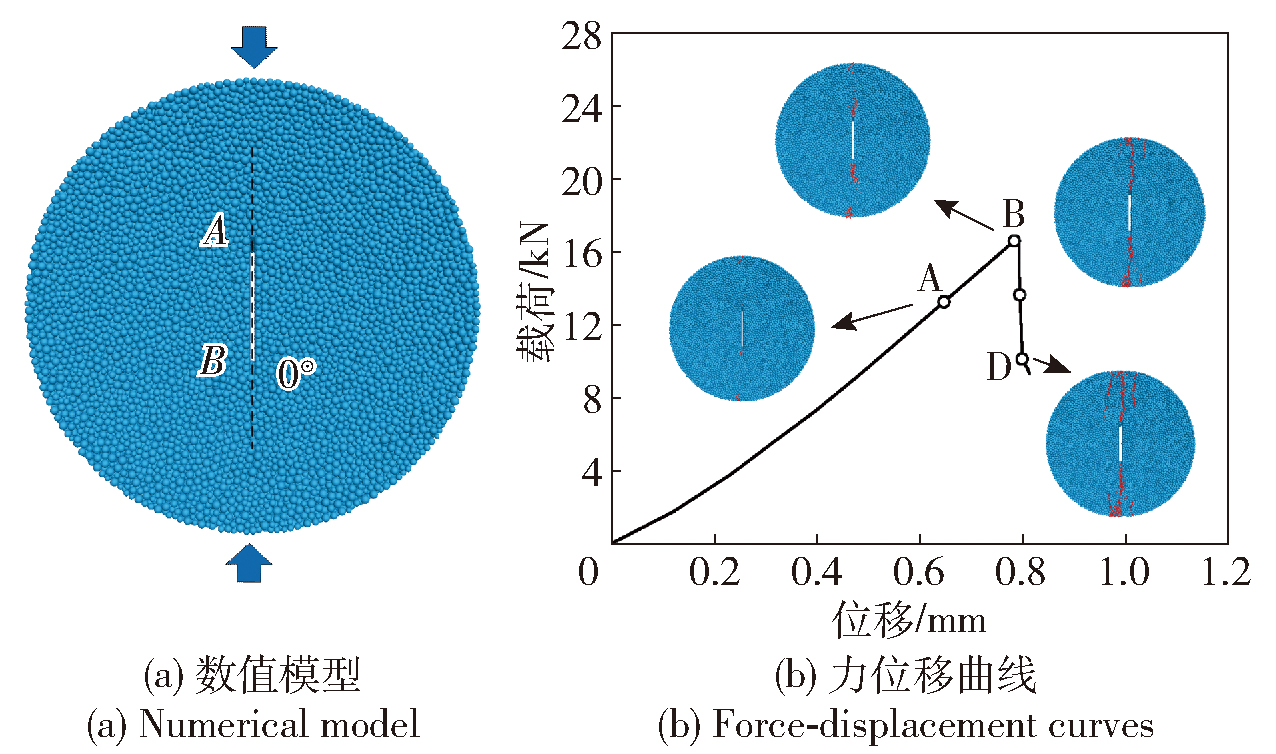
Fig.12 Simulation model and force displacement curve under 0° loading
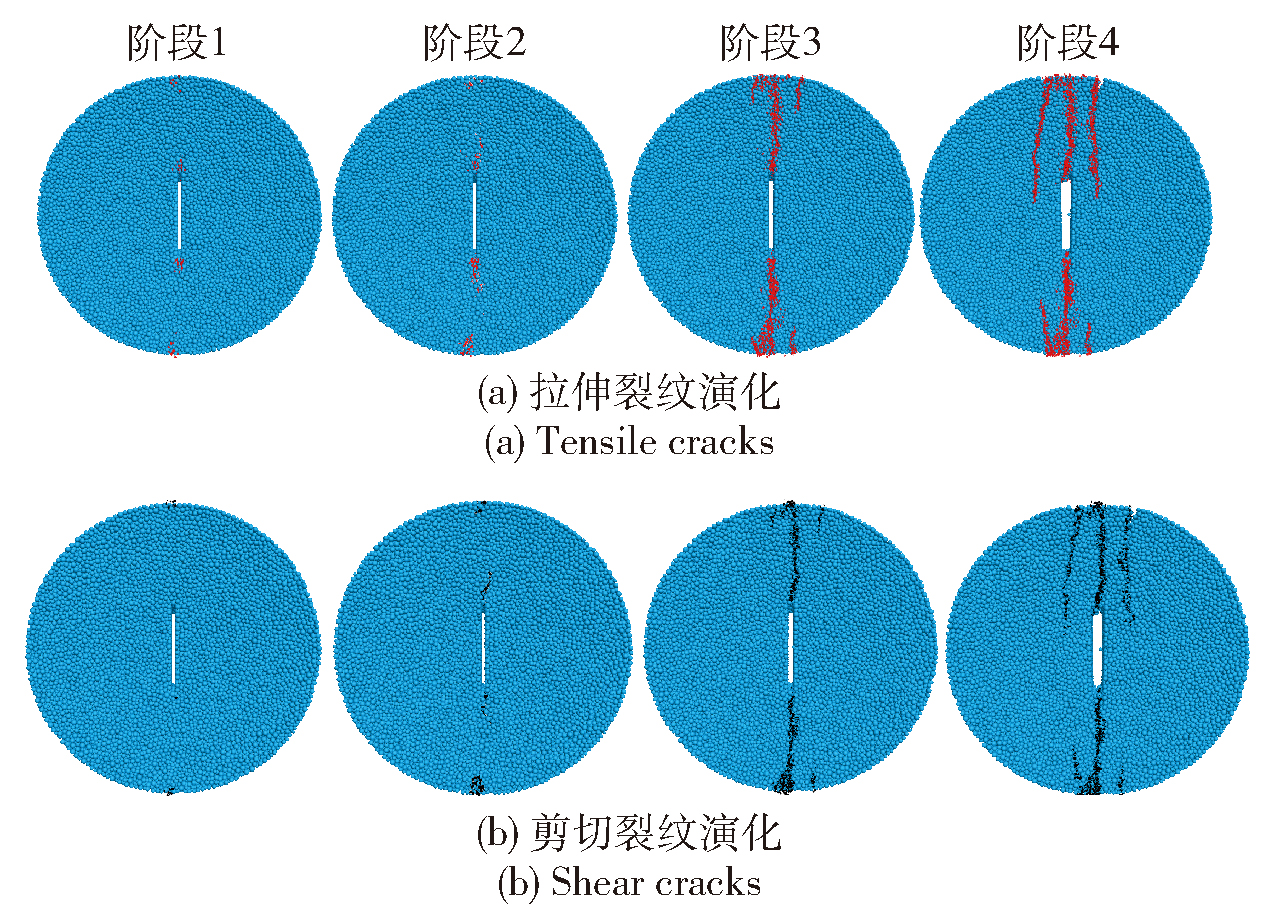
Fig.13 Evolution process of microcracks
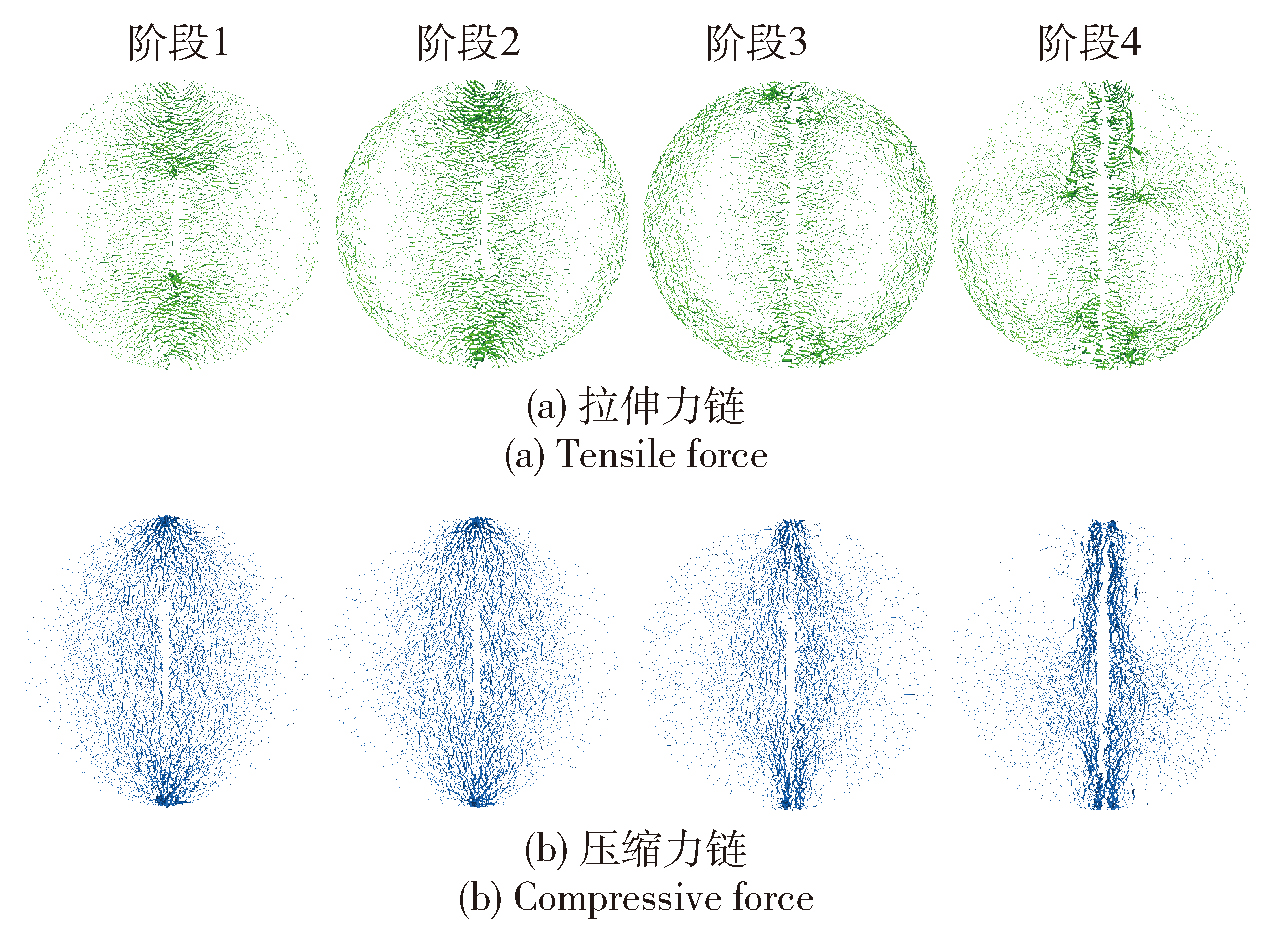
Fig.14 Force distribution
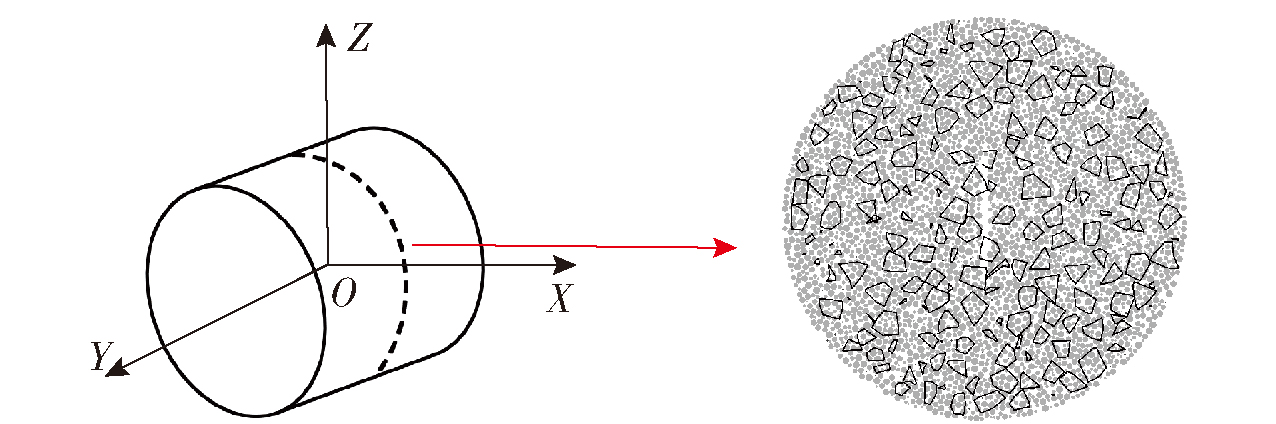
Fig.15 Cross section of specimen
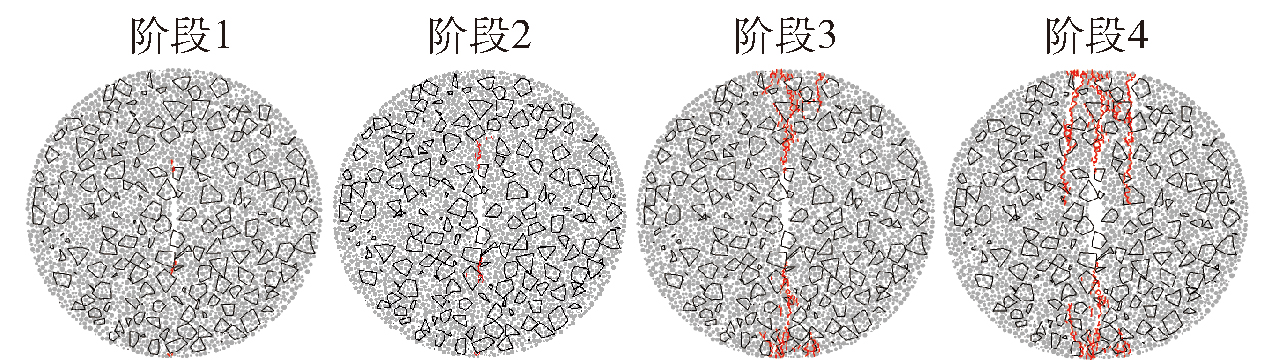
Fig.16 Illustration of microcracks in mortar and ITZ
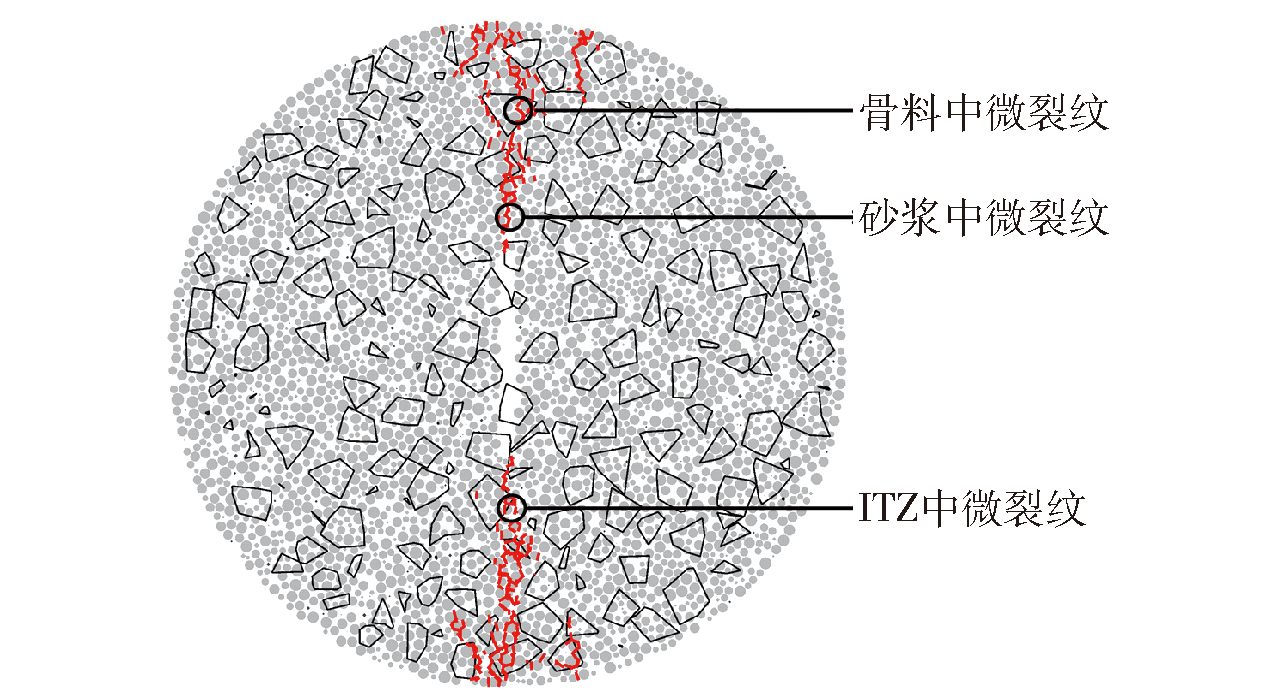
Fig.17 Illustration of microcracks in stage 3

Fig.18 The crack propagation process under three loading angles
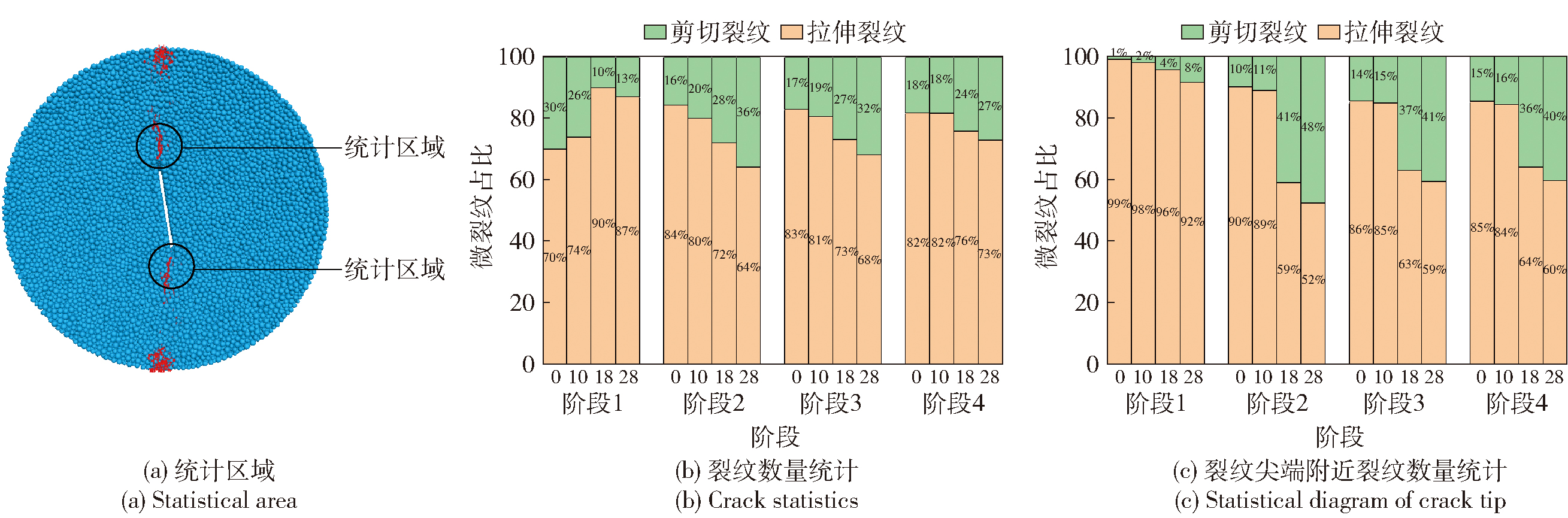
Fig.19 The change of proportion of tensile cracks and shear cracks at different loading stage
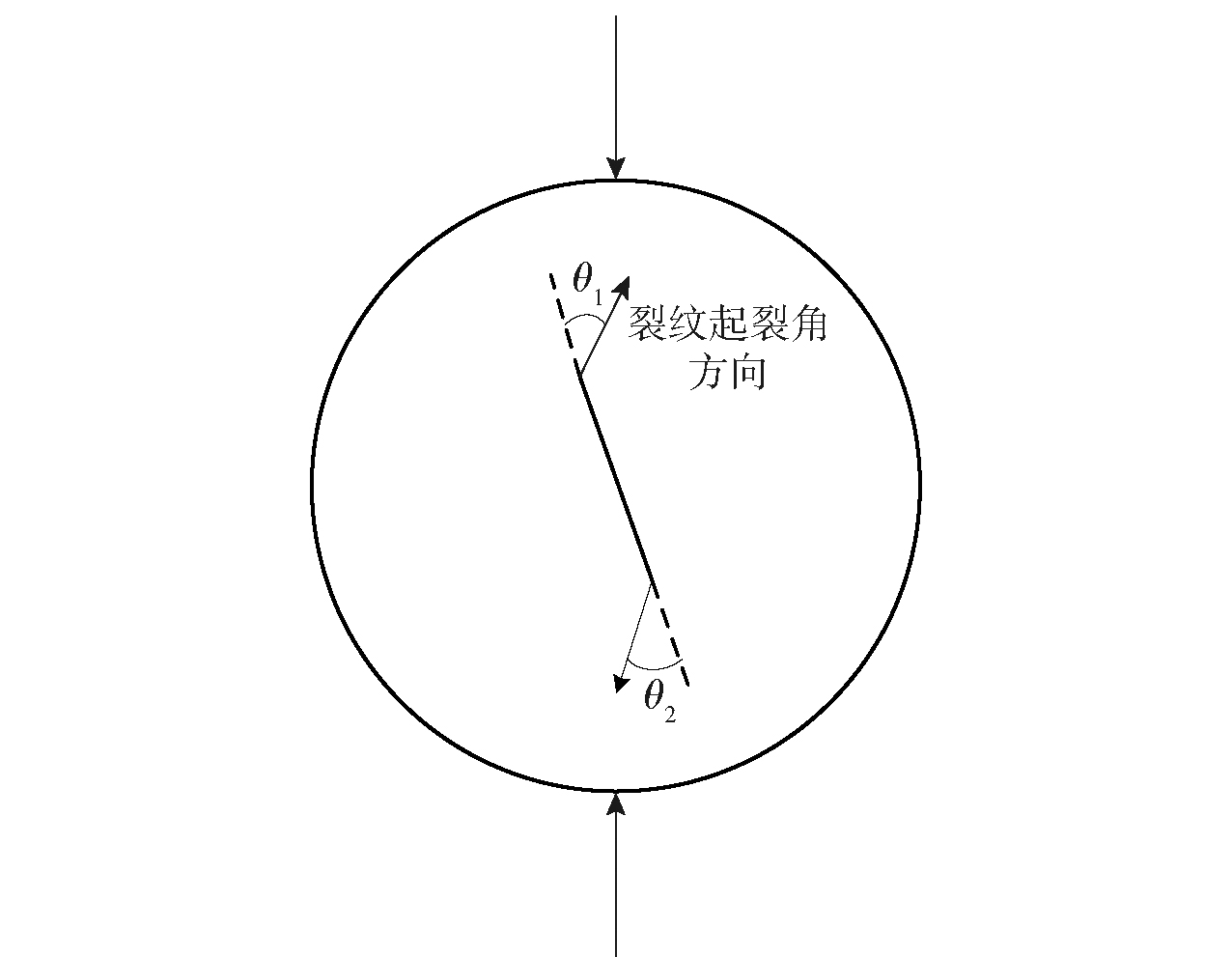
Fig.20 Illustration of crack initiation angle
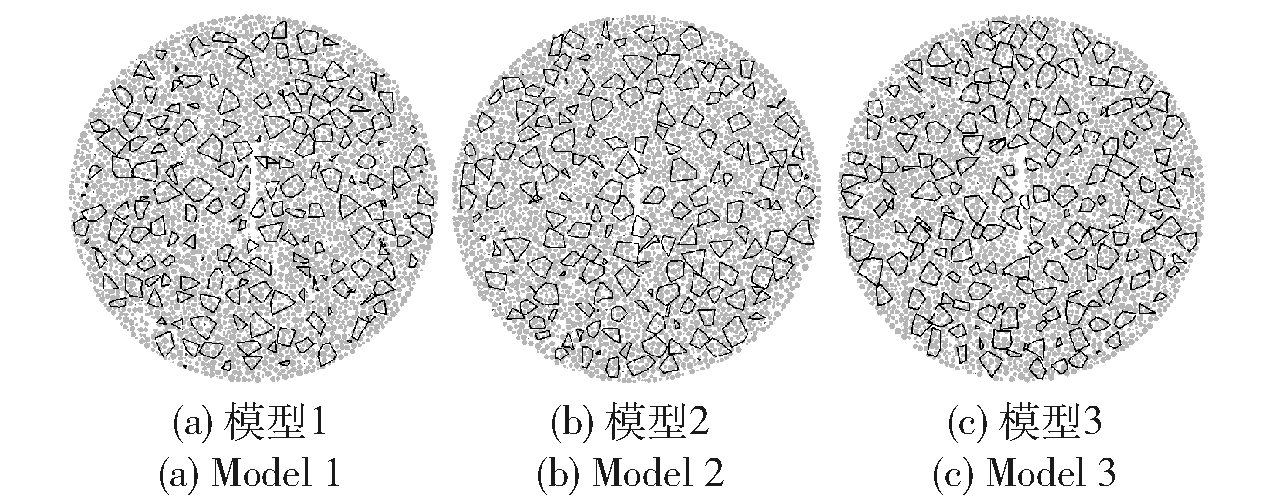
Fig.21 Internal profile of aggregate distribution in three models
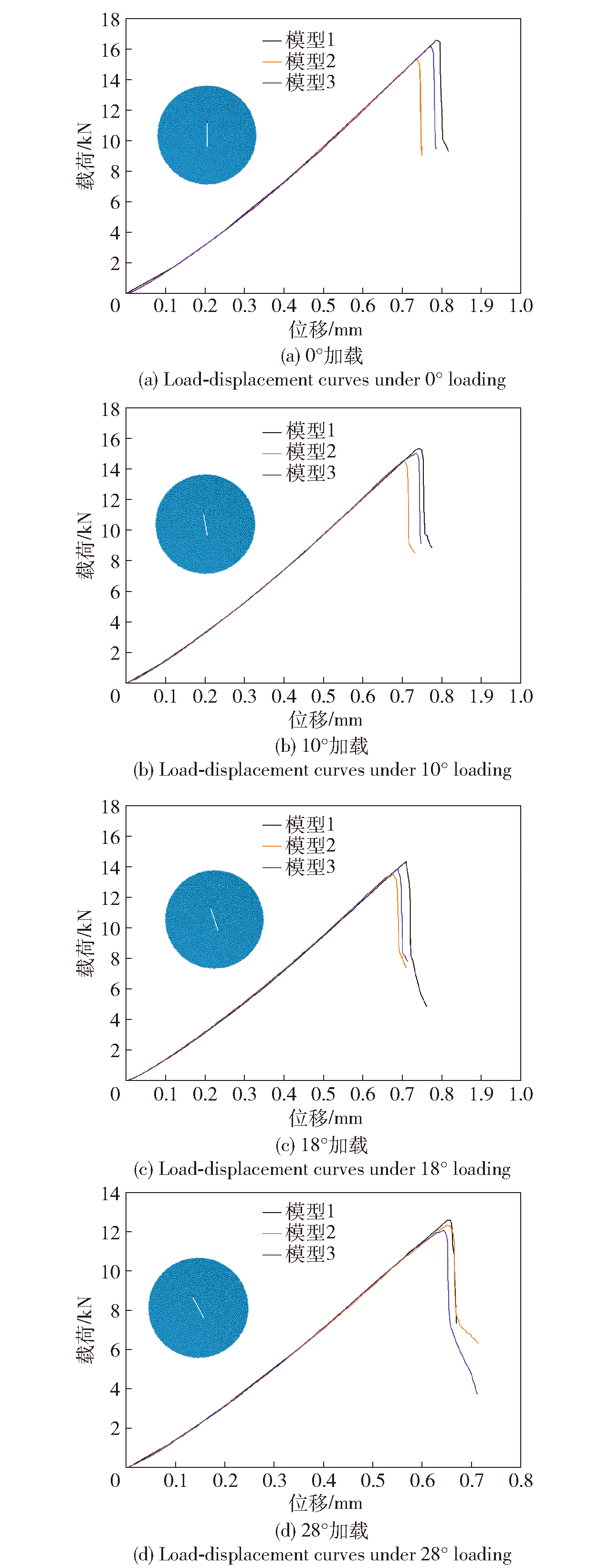
Fig.22 Force displacement curve under four loading modes
| 模型 | 0° | 10° | 18° | 28° |
|---|---|---|---|---|
| 试验/kN | 15.7 | 16.3 | 15.9 | 13.6 |
| 模型1/kN | 16.4 | 15.1 | 14.3 | 12.8 |
| 模型2/kN | 15.3 | 14.6 | 13.5 | 12.1 |
| 模型3/kN | 15.5 | 15.0 | 13.8 | 12.0 |
| 均值/kN | 15.7 | 14.9 | 13.8 | 12.3 |
| 误差/% | 0 | 9.3 | 13.2 | 9.5 |
Table 2 Comparison of experimental and numerical peak loads
| 模型 | 0° | 10° | 18° | 28° |
|---|---|---|---|---|
| 试验/kN | 15.7 | 16.3 | 15.9 | 13.6 |
| 模型1/kN | 16.4 | 15.1 | 14.3 | 12.8 |
| 模型2/kN | 15.3 | 14.6 | 13.5 | 12.1 |
| 模型3/kN | 15.5 | 15.0 | 13.8 | 12.0 |
| 均值/kN | 15.7 | 14.9 | 13.8 | 12.3 |
| 误差/% | 0 | 9.3 | 13.2 | 9.5 |
| 项目 | 0° | 10° | 18° | 28° |
|---|---|---|---|---|
| GMTS/(°) | 0 | 16.9 | 33.7 | 59 |
| 试验/(°) | 4.4 | 17.4 | 29.2 | 49.1 |
| 模型1/(°) | 1.0 | 18.5 | 28.5 | 51.0 |
| 模型2/(°) | 0.6 | 17.9 | 28.3 | 49.0 |
| 模型3/(°) | 1.3 | 17.4 | 33.2 | 52.3 |
| 均值/(°) | 1.0 | 17.9 | 30.0 | 50.8 |
| 误差1/% | 5.9 | 10 | 13.9 | |
| 误差2/% | 2.8 | 2.6 | 1.7 |
Table 3 Comparison of theoretical, experimental and numerical fracture initiation angles
| 项目 | 0° | 10° | 18° | 28° |
|---|---|---|---|---|
| GMTS/(°) | 0 | 16.9 | 33.7 | 59 |
| 试验/(°) | 4.4 | 17.4 | 29.2 | 49.1 |
| 模型1/(°) | 1.0 | 18.5 | 28.5 | 51.0 |
| 模型2/(°) | 0.6 | 17.9 | 28.3 | 49.0 |
| 模型3/(°) | 1.3 | 17.4 | 33.2 | 52.3 |
| 均值/(°) | 1.0 | 17.9 | 30.0 | 50.8 |
| 误差1/% | 5.9 | 10 | 13.9 | |
| 误差2/% | 2.8 | 2.6 | 1.7 |
| [1] |
doi: 10.1016/j.conbuildmat.2021.124879 URL |
| [2] |
doi: 10.1016/j.jobe.2021.103239 URL |
| [3] |
doi: 10.1016/j.ijimpeng.2018.11.012 URL |
| [4] |
doi: 10.1016/j.engfracmech.2024.109979 URL |
| [5] |
|
| [6] |
doi: 10.1016/S0013-7944(02)00158-3 URL |
| [7] |
doi: 10.1016/j.tafmec.2022.103551 URL |
| [8] |
任会兰, 赵翰卿, 李尉, 等. 基于离散元法分析增韧陶瓷圆环的动态膨胀碎裂[J]. 兵工学报, 2021, 42(3): 607-616.
doi: 10.3969/j.issn.1000-1093.2021.03.017 |
|
doi: 10.3969/j.issn.1000-1093.2021.03.017 |
|
| [9] |
doi: 10.1016/j.tafmec.2021.103081 URL |
| [10] |
doi: 10.1007/s10035-018-0858-2 |
| [11] |
doi: 10.1016/j.engfailanal.2022.106505 URL |
| [12] |
doi: 10.1016/j.tafmec.2022.103415 URL |
| [13] |
|
| [14] |
doi: 10.1016/j.cemconcomp.2016.10.001 URL |
| [15] |
doi: 10.1016/j.conbuildmat.2020.121468 URL |
| [16] |
doi: 10.1016/j.conbuildmat.2019.117580 URL |
| [17] |
doi: 10.1016/j.conbuildmat.2019.117409 URL |
| [18] |
doi: 10.1016/j.conbuildmat.2022.127957 URL |
| [19] |
张宝玉, 张昌锁, 王晨龙, 等. PFC2D平节理模型细观参数标定方法[J]. 计算力学学报, 2021, 38(5): 665-673.
|
|
|
|
| [20] |
doi: 10.1016/j.conbuildmat.2021.124101 URL |
| [21] |
doi: 10.1016/j.conbuildmat.2018.03.040 URL |
| [22] |
doi: 10.1016/j.tafmec.2022.103622 URL |
| [23] |
doi: 10.1016/j.engfracmech.2023.109150 URL |
| [24] |
doi: 10.1016/j.engfracmech.2008.06.018 URL |
| [25] |
杨玲, 任会兰, 赵涵. 含预制裂纹陶瓷圆盘劈裂破坏的离散元模拟[J]. 高压物理学报, 2023, 37(5): 126-136.
|
|
|
|
| [26] |
董世明, 汪洋, 夏源明. 中心裂纹圆盘集中载荷作用下的应力强度因子[J]. 中国科学技术大学学报, 2003(3): 61-68.
|
|
|
|
| [27] |
侯成, 王志勇, 王志华. 基于修正最大切向应力准则的含中心直裂纹混凝土圆盘断裂行为研究[J]. 中国科学:技术科学, 2016(4):377-386.
|
|
|
| [1] | SHI Zhenqing, LIU Yan, WANG Xiaofeng, YAN Junbo, BAI Fan, SI Peng, HUANG Fenglei. Ballistic Characteristics of Quasi-elliptical Cross-section Projectile Penetrating into Finite-thick Concrete Target [J]. Acta Armamentarii, 2025, 46(9): 241051-. |
| [2] | ZHANG Jiahao, WANG Haifu, GE Chao, ZHOU Sheng, YU Qingbo. Enhanced Opening Behavior of Reactive PELE Penetrating into Reinforced Concrete Target [J]. Acta Armamentarii, 2025, 46(3): 240307-. |
| [3] | ZHANG Lizhong, REN Huilan, LI Tao. An Acoustic Emission Source Localization Method Based on Basic Theta* Algorithm [J]. Acta Armamentarii, 2025, 46(2): 240234-. |
| [4] | ZHANG Xiuli, ZHANG Jie, QI Xiaopeng, WANG Zhiyong, LIU Zhifang, WANG Zhihua. Prediction Model of Concrete Penetration Depth Based on Unbiased Feature Selection [J]. Acta Armamentarii, 2025, 46(11): 250019-. |
| [5] | DONG Jun, JIANG Di, SUN Liang, SONG Mengyan, CHEN Fei, LIU Mengsha, REN Yike. Experimental Research on the Impact of Flying Object on Prestressed Reinforced Concrete Target Plates [J]. Acta Armamentarii, 2024, 45(S2): 176-185. |
| [6] | LIU Chengzhe, WANG Haifu, ZHANG Jiahao, ZHENG Yuanfeng. Research on Behavior of Lightweight High-entropy Alloy Jet Penetrating Concrete Targets [J]. Acta Armamentarii, 2024, 45(S1): 60-69. |
| [7] | SU Chenghai, WANG Zhong, MA Hongbing, ZHENG Yuanfeng, WANG Haifu. Dynamic Damage Characteristics of Composite Concrete Structure Subjected to Reactive Jet [J]. Acta Armamentarii, 2024, 45(S1): 135-146. |
| [8] | QIAO Boyang, GU Gongtian, WANG Cheng, SONG Shixiang, GAO Yang. Experimental Study on Damage of Reinforced Concrete Slabs under Natural Gas Explosion Load [J]. Acta Armamentarii, 2024, 45(7): 2393-2403. |
| [9] | LIU Ju, ZHANG Guokai, WANG Zhen, YAO Jian, LI Jie, YU Siyuan, JI Yuguo. Experimental Study on the Damage Characteristics and Laws of RC Beams under Close-in Blast Loading of Thermobaric Explosives [J]. Acta Armamentarii, 2024, 45(3): 864-874. |
| [10] | NING Jianguo, LI Yuhui, YANG Shuai, XU Xiangzhao. Research on Constitutive Model of Low-temperature Concrete Subjected to Impact Load [J]. Acta Armamentarii, 2024, 45(12): 4339-4349. |
| [11] | KANG Gengxin, YAN Haichun, ZHANG Yadong, LIU Mingjun, HAO Likai. Experimental and Numerical Investigation on the Damage Effects of Concrete Pier under Contact Explosion [J]. Acta Armamentarii, 2024, 45(1): 144-155. |
| [12] | ZHOU Guangpan, WANG Rong, WANG Mingyang, DING Jianguo, ZHANG Guokai. Experiment and Numerical Simulation of Explosion Resistance Performance of Main Girder of Self-anchored Suspension Bridge Coated with Polyurea [J]. Acta Armamentarii, 2023, 44(S1): 9-25. |
| [13] | LI Xu, YUE Songlin, QIU Yanyu, WANG Mingyang, DENG Shuxin, LIU Niannian. Experimental Study on Interaction between Bubble and Concrete Composite Slab in Near-field Underwater Explosion [J]. Acta Armamentarii, 2023, 44(S1): 79-89. |
| [14] | ZHANG Congkun, ZHANG Zhonghao, WANG Wei, LI Lei, HE Xiang. Experimental Study on Bending Performance of Ultra-high Strength Reinforced Concrete Beams under Static Loading [J]. Acta Armamentarii, 2023, 44(S1): 107-116. |
| [15] | ZHANG Zhonghao, WANG Wei, ZHANG Guokai, WANG Zhen, WU Gu. Study on Deterioration and Damage Performance of Concrete at Different High Temperatures [J]. Acta Armamentarii, 2023, 44(S1): 152-159. |
| Viewed | ||||||
|
Full text |
|
|||||
|
Abstract |
|
|||||
