


Responsible Institution: China Association for Science and Technology
Sponsor: China Ordnance Society
ISSN 1000-1093 CN 11-2176/TJ
Sponsor: China Ordnance Society
ISSN 1000-1093 CN 11-2176/TJ
Acta Armamentarii ›› 2025, Vol. 46 ›› Issue (11): 250093-.doi: 10.12382/bgxb.2025.0093
Previous Articles Next Articles
GUO Dongyang1, ZHAO Dongzhi1,2, LIU De1, ZHANG Shutong1, GAO Muzhu1, ZHAO Shuang1,*( )
)
Received:2025-02-12
Online:2025-11-27
Contact:
ZHAO Shuang
CLC Number:
GUO Dongyang, ZHAO Dongzhi, LIU De, ZHANG Shutong, GAO Muzhu, ZHAO Shuang. Energy Dissipation Mechanism of Fragments Subjected to the Strength-toughness Synergy of Shell Materials[J]. Acta Armamentarii, 2025, 46(11): 250093-.
Add to citation manager EndNote|Ris|BibTeX
| 等级 | 质量范围/g | 地面伤害概率/% | 典型风险场景 |
|---|---|---|---|
| A级 | 0~5 | <5 | 轻微表皮擦伤 |
| B级 | 5~10 | 5~15 | 可穿透衣物致皮下损伤 |
| C级 | 10~14 | >30 | 造成骨折或器官损伤 |
Table 1 Association of fragment mass grade with safety risk
| 等级 | 质量范围/g | 地面伤害概率/% | 典型风险场景 |
|---|---|---|---|
| A级 | 0~5 | <5 | 轻微表皮擦伤 |
| B级 | 5~10 | 5~15 | 可穿透衣物致皮下损伤 |
| C级 | 10~14 | >30 | 造成骨折或器官损伤 |
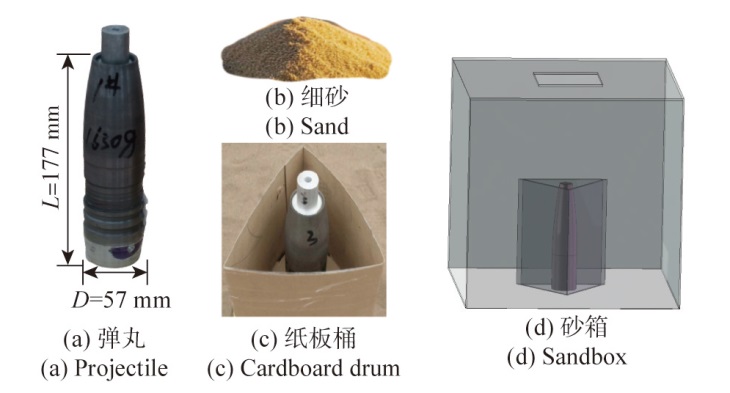
Fig.1 Projectile and static detonation test setup
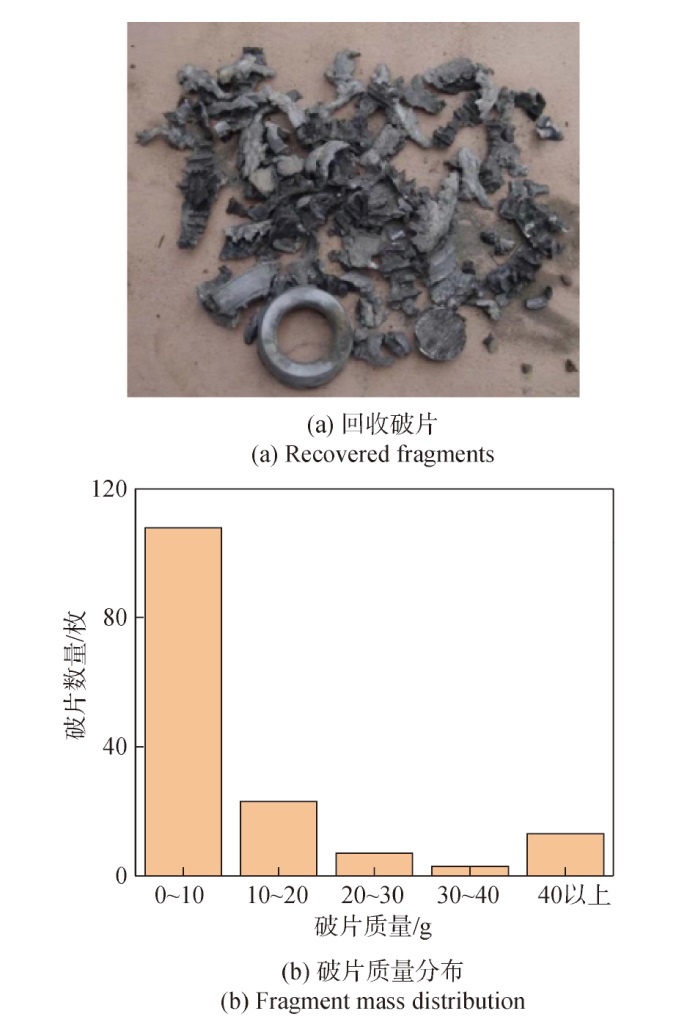
Fig.2 Fragment mass distribution of S20 steel shell in static detonation test
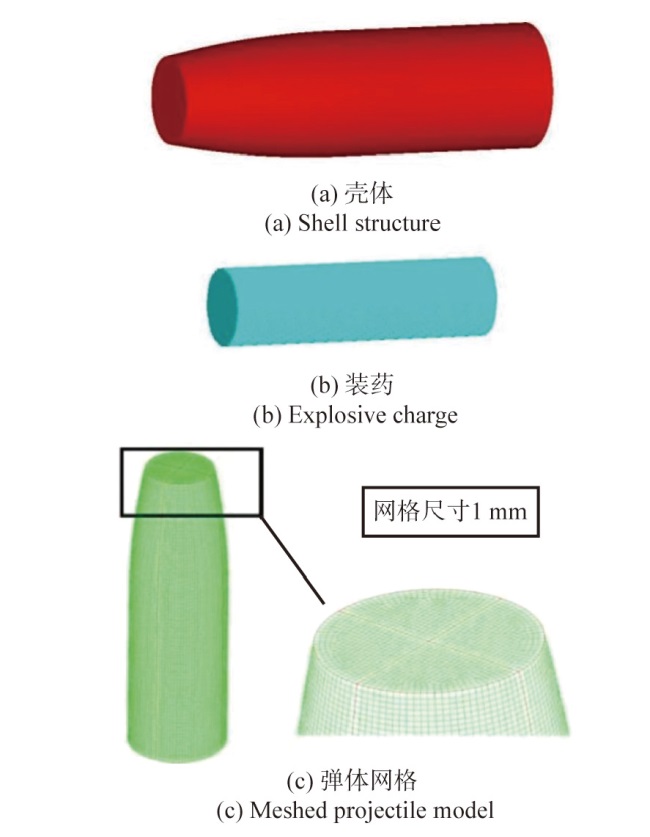
Fig.3 Finite element simulation model
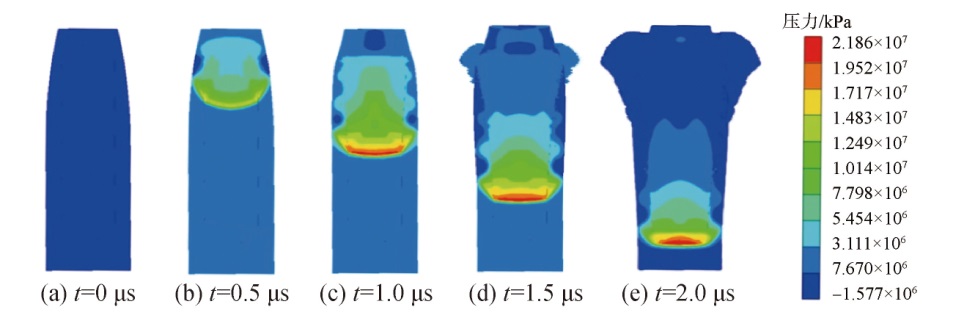
Fig.4 Propagation of detonation waves at different time points
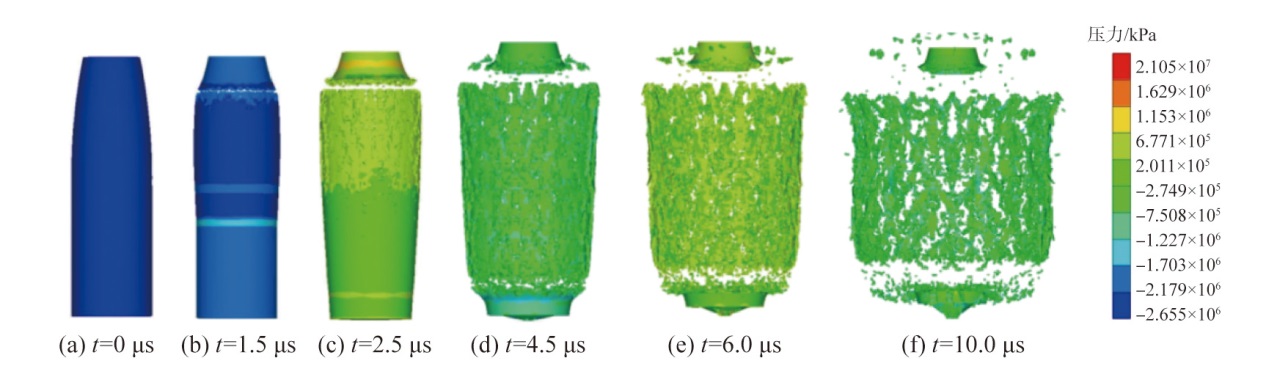
Fig.5 Expansion and fragmentation processes of shell
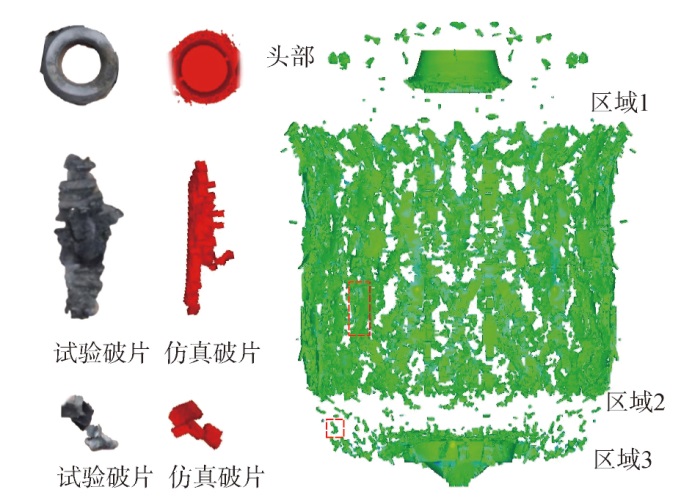
Fig.6 Comparison of experimental and simulated fragment distributions
| 质量 | 理论百分比/% | 仿真百分比/% | 试验回收百分比/% |
|---|---|---|---|
| 0~10 | 68.57 | 70.22 | 70.13 |
| 10~20 | 13.01 | 15.15 | 14.94 |
Table 2 Comparison of the fragment mass distributions
| 质量 | 理论百分比/% | 仿真百分比/% | 试验回收百分比/% |
|---|---|---|---|
| 0~10 | 68.57 | 70.22 | 70.13 |
| 10~20 | 13.01 | 15.15 | 14.94 |
| 材料 | 抗剪强 度/MPa | 屈服强 度/MPa | 抗拉强 度/MPa | 冲击 韧性/ (J·cm-3) | 延伸 率/% | 脆-韧 平衡/ (MPa·J1/2) |
|---|---|---|---|---|---|---|
| S20钢 | 246~328 | 245 | 400~500 | 80 | 25 | 2.1×10⁴ |
| 9260钢 | 415~500 | 1200~ 1300 | 1275~ 1373 | 75 | 11~22 | 1.1×10⁵ |
| D60钢 | 300~400 | 350~450 | 470~550 | 50 | 20 | 2.5×10⁴ |
| 823钢 | 350~450 | 800~ 1000 | 1000~ 1200 | 60 | 15 | 6.4×10⁴ |
Table 3 Physical properties of S20,9260,D60 and 823 steel materials
| 材料 | 抗剪强 度/MPa | 屈服强 度/MPa | 抗拉强 度/MPa | 冲击 韧性/ (J·cm-3) | 延伸 率/% | 脆-韧 平衡/ (MPa·J1/2) |
|---|---|---|---|---|---|---|
| S20钢 | 246~328 | 245 | 400~500 | 80 | 25 | 2.1×10⁴ |
| 9260钢 | 415~500 | 1200~ 1300 | 1275~ 1373 | 75 | 11~22 | 1.1×10⁵ |
| D60钢 | 300~400 | 350~450 | 470~550 | 50 | 20 | 2.5×10⁴ |
| 823钢 | 350~450 | 800~ 1000 | 1000~ 1200 | 60 | 15 | 6.4×10⁴ |
| 材料 | A/MPa | B/MPa | n | C | m |
|---|---|---|---|---|---|
| 9260钢 | 1200 | 490 | 0.32 | 0.26 | 0.30 |
| D60钢 | 450 | 1280 | 0.67 | 0.02 | 0.15 |
| 823钢 | 800 | 235.8 | 1.79 | 0.10 | 0.32 |
Table 4 Simulation parameters of S20,9260,D60 and 823 steel materials
| 材料 | A/MPa | B/MPa | n | C | m |
|---|---|---|---|---|---|
| 9260钢 | 1200 | 490 | 0.32 | 0.26 | 0.30 |
| D60钢 | 450 | 1280 | 0.67 | 0.02 | 0.15 |
| 823钢 | 800 | 235.8 | 1.79 | 0.10 | 0.32 |
| 材料 | 试验结果图 | 仿真结果图 |
|---|---|---|
| 9260钢 | | |
| D60钢 | | |
| 823钢 | | |
Table 5 Comparison of simulated results of each material
| 材料 | 试验结果图 | 仿真结果图 |
|---|---|---|
| 9260钢 | | |
| D60钢 | | |
| 823钢 | | |
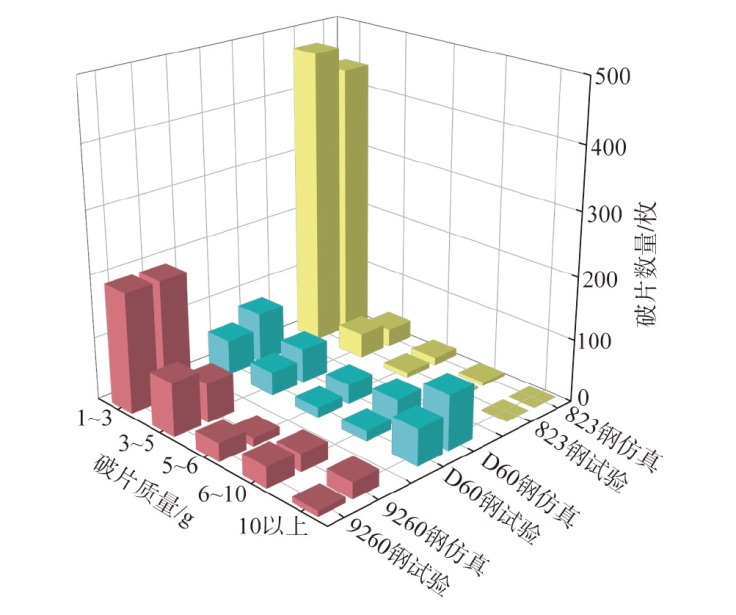
Fig.7 Fragment mass distributions of different shell materials
| [25] |
doi: 10.1016/j.dt.2024.07.007 URL |
| [1] |
顾春涛, 邹春根, 罗喜平, 等. BL-1型增雨防雹火箭作业系统设计及作业方法探究[J]. 现代制造技术与装备, 2018(1):59-61.
|
|
|
|
| [2] |
黎济东. 人工增雨防雹弹系统的可靠性研究[D]. 南昌: 南昌大学, 2014.
|
|
|
|
| [3] |
魏旭辉, 张清, 陆卫冬, 等. 增雨防雹火箭弹的工作原理和技术参数[J]. 沙漠与绿洲气象, 2009, 3(增刊1):243-245.
|
|
|
|
| [4] |
王儒策, 赵国志. 弹丸终点效应[M]. 北京: 北京理工大学出版社, 1993:79-80.
|
|
|
|
| [5] |
陈醇, 李伟兵, 王晓鸣, 等. 弹体材料性能对破片形成的影响[J]. 高压物理学报, 2014, 28(5):589-595.
|
|
|
|
| [6] |
王可慧, 孟龙, 李明, 等. 两种材料结构弹体高速侵彻钢筋混凝土靶实验研究[J]. 爆炸与冲击. https://link.cnki.net/urlid/51.1148.O3.20250307.1825.033.
|
|
|
|
| [7] |
doi: 10.1063/1.332346 URL |
| [8] |
张杜江, 赵振宇, 贺良, 等. 基于Johnson-Cook本构模型的高强度装甲钢动态力学性能参数标定及验证[J]. 兵工学报, 2022, 43(8):1966-1976.
doi: 10.12382/bgxb.2021.0409 |
|
|
|
| [9] |
|
| [10] |
doi: 10.1016/j.jmrt.2023.10.154 URL |
| [11] |
doi: 10.1016/j.jmrt.2023.01.021 URL |
| [12] |
马泗洲, 刘科伟, 杨家彩, 等. 初始应力下岩体爆破损伤特性及破裂机理[J]. 爆炸与冲击, 2023, 43(10):105201.
|
|
|
|
| [13] |
doi: 10.1016/j.dt.2019.07.012 URL |
| [14] |
doi: 10.1016/j.dt.2021.08.009 |
| [15] |
卢海涛. 不同热处理对弹体材料性能与破片形成的影响[D]. 南京: 南京理工大学, 2015.
|
|
|
|
| [16] |
冯昌林, 施锐, 张兵, 等. 自然破片战斗部静态威力场重构方法[J]. 兵工学报, 2024, 45(增刊2):284-292.
|
|
|
|
| [17] |
中华人民共和国气象行业标准. 增雨防雹高炮系统技术要求:QX/T358-2016[S]. 北京: 气象出版社, 2016:1-2.
|
|
Meteorological Industry standards of the People’s Republic of China. Technicalrequirementsforrainenhancementandhailsuppressionanti-aircraftgunsystem:QX/T358-2016[S]. Beijing: Meteorological Publishing Press, 2016:1-2. (in Chinese)
|
|
| [18] |
doi: 10.1016/j.dt.2021.07.013 |
| [19] |
王明涛, 程月华, 吴昊. 柱形装药空中爆炸冲击波荷载研究[J]. 爆炸与冲击, 2024, 44(4):043201.
|
|
|
|
| [20] |
|
| [21] |
郑成, 朱业飞, 徐峰, 等. 基于板厚补偿的不同型号钢制靶板在舱内爆炸载荷作用下的等效方法[J]. 爆炸与冲击. https://link.cnki.net/urlid/51.1148.O3.20250307.1626.024.
|
|
|
|
| [22] |
任耶平, 刘睿, 陈鹏万, 等. Al/PTFE活性材料冲击载荷作用下响应特性研究[J]. 爆炸与冲击, 2022, 42(6):063103.
|
|
|
|
| [23] |
梁家栋. 杀爆战斗部仿真技术研究[D]. 太原: 中北大学, 2024.
|
|
|
|
| [24] |
中国国家标准化管理委员会. 优质碳素结构钢:GB/T699-2015[S]. 北京: 中国标准出版社, 2015:1-9.
|
|
Standardization Administration of the People’s Republic of China. Highqualitycarbonstructuralsteel:GB/T699-2015[S]. Beijing: China Standards Press, 2015:1-9. (in Chinese)
|
| [1] | GU Minhui, TANG Kui, WANG Jinxiang, XIA Jingwen, LI Yuanbo, WANG Hongfei. Penetration Fragmentation Characteristics and Damage After-effects of PELE with Slits [J]. Acta Armamentarii, 2025, 46(8): 240898-. |
| [2] | WANG Zhanxuan, LI Xintian, XU Lizhi, DU Zhonghua. Comparative Study on Predictive Models for Radial Velocities of Fragments after PELE Impacting on Target Plates [J]. Acta Armamentarii, 2025, 46(6): 240533-. |
| [3] | LIU Aoxin, ZHANG Jiahao, ZHOU Sheng, LI Peiyu, CHEN Pengwan, LIU Rui, WANG Haifu. Research on Blasting Damage Behavior of Reactive Projectile Penetrating into Ceramic Target [J]. Acta Armamentarii, 2025, 46(6): 240521-. |
| [4] | HOU Yunkun, TANG Kui, WANG Jinxiang, GU Minhui, HAO Xulong, WANG Jirui. Characteristics of Oblique Penetration of Metal Targets by Jacketed Rods with Different Noses [J]. Acta Armamentarii, 2025, 46(4): 240417-. |
| [5] | ZHANG Jiahao, WANG Haifu, GE Chao, ZHOU Sheng, YU Qingbo. Enhanced Opening Behavior of Reactive PELE Penetrating into Reinforced Concrete Target [J]. Acta Armamentarii, 2025, 46(3): 240307-. |
| [6] | WANG Zaicheng, PENG Yucheng, JIANG Chunlan, HU Rong. Study on the Damage Behavior of Reactive Composite Jet Based on Multi-layer Spaced Target Experiment [J]. Acta Armamentarii, 2025, 46(2): 240086-. |
| [7] | LIU Chengzhe, WANG Haifu, ZHANG Jiahao, ZHENG Yuanfeng. Research on Behavior of Lightweight High-entropy Alloy Jet Penetrating Concrete Targets [J]. Acta Armamentarii, 2024, 45(S1): 60-69. |
| [8] | WANG Hongjin, NING Bianfang, ZHANG Guoping, ZHANG Shiming. Performance Analysis and Improved Design of Cartridge Extracting and Sealing of Cased Telescoped Ammunitions [J]. Acta Armamentarii, 2024, 45(S1): 112-119. |
| [9] | YANG Guitao, GUO Rui, SONG Pu, GAO Guangfa, YU Yanghui. The Structural Parameters of Combined Liner for Tandem Explosively Formed Projectile [J]. Acta Armamentarii, 2024, 45(9): 3056-3070. |
| [10] | ZHANG Jiahao, GUO Mengmeng, ZHOU Sheng, YU Qingbo. Experimental and Numerical Research on Behind-plate Enhanced Lateral Effect of Reactive PELE [J]. Acta Armamentarii, 2024, 45(7): 2270-2281. |
| [11] | GAO Peng, WANG Fang, WANG Cong, NIU Wenyu. Design and Forming Performance of Eccentric Liner in D-shaped Charge [J]. Acta Armamentarii, 2024, 45(3): 720-730. |
| [12] | JIN Qiuyan, LIU Fuxiang, WANG Xinchun, LIU Xiao, MO Bo. The Control Strategy of Zenith-pass Singularity Problem Under the Roll-pitch Seeker Oblique Scheme [J]. Acta Armamentarii, 2024, 45(2): 628-640. |
| [13] | XUE Hao, WANG Tao, HUANG Guangyan, CUI Xinyu, HAN Hongwei. Ballistic Performance of Additively Manufactured 316L Stainless Steel Spherical Fragments [J]. Acta Armamentarii, 2024, 45(2): 395-406. |
| [14] | HUANG Xuanning, LI Weibing, LI Wenbin, YIN Guixiang, GUO Tengfei. Experimental Research on the Characteristics of Behind-armor Debris from Explosively Formed Projectile Penetrating Targets of Different Materials [J]. Acta Armamentarii, 2024, 45(1): 58-68. |
| [15] | WANG Haifu, HE Suo, CAI Yiqiang, XIANG Jing'an, SU Chenghai, GUO Huanguo. Damage Behavior of Multi-layer Spaced Target Plates Penetrated by Reactive Composite Jet [J]. Acta Armamentarii, 2023, 44(2): 325-333. |
| Viewed | ||||||
|
Full text |
|
|||||
|
Abstract |
|
|||||
