


Responsible Institution: China Association for Science and Technology
Sponsor: China Ordnance Society
ISSN 1000-1093 CN 11-2176/TJ
Sponsor: China Ordnance Society
ISSN 1000-1093 CN 11-2176/TJ
Acta Armamentarii ›› 2025, Vol. 46 ›› Issue (10): 250060-.doi: 10.12382/bgxb.2025.0060
Previous Articles Next Articles
LI Zheng, MA Tianbao*( )
)
Received:2025-01-17
Online:2025-11-05
Contact:
MA Tianbao
CLC Number:
LI Zheng, MA Tianbao. Numerical Research on Impact Ignition Reaction Behavior of Fluoropolymer-Based Reactive Materials[J]. Acta Armamentarii, 2025, 46(10): 250060-.
Add to citation manager EndNote|Ris|BibTeX
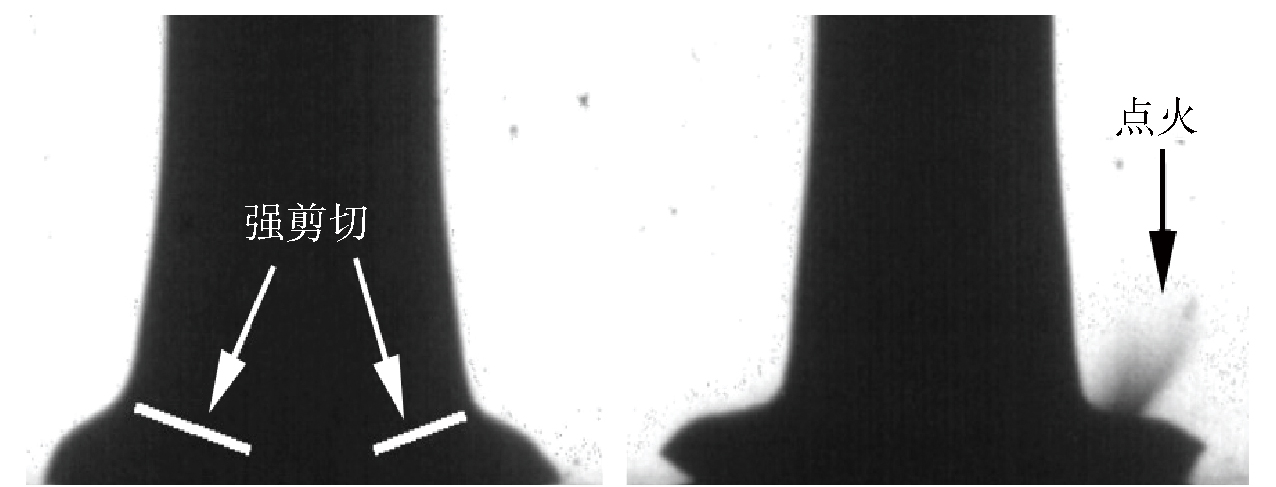
Fig.1 Evidence of shear-induced ignition in a Taylor test of PTFE/Al[2]
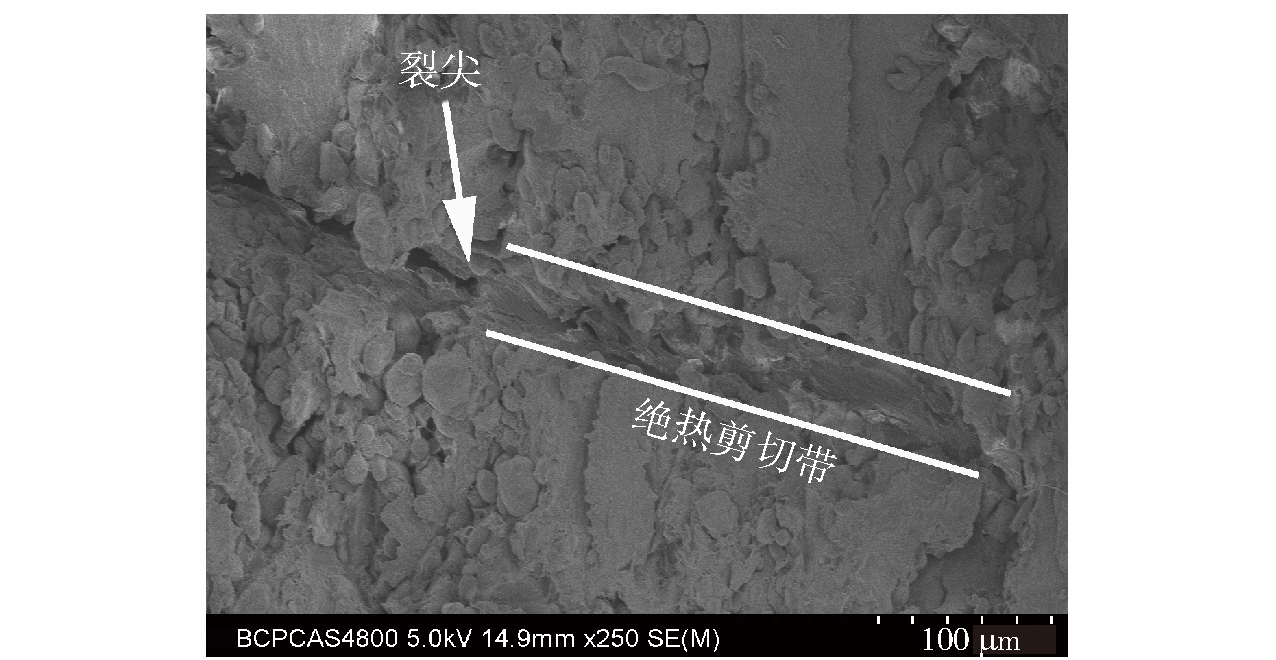
Fig.2 Adiabatic shear bandat the front of crack tip
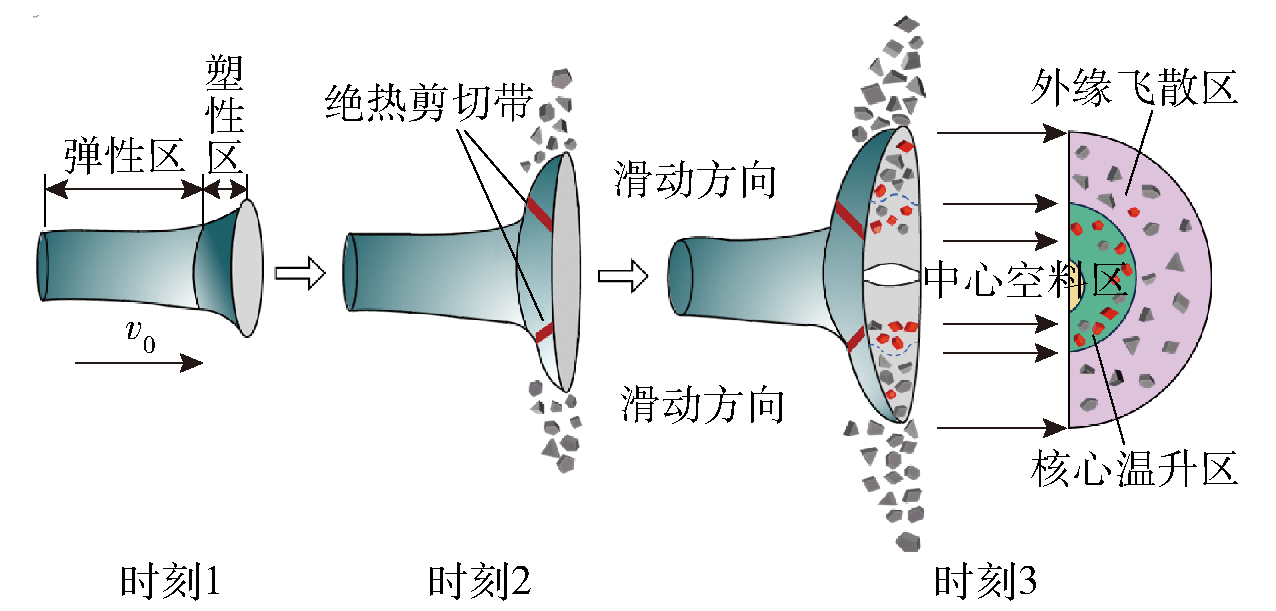
Fig.3 Illustration of regional characteristics on impact interface
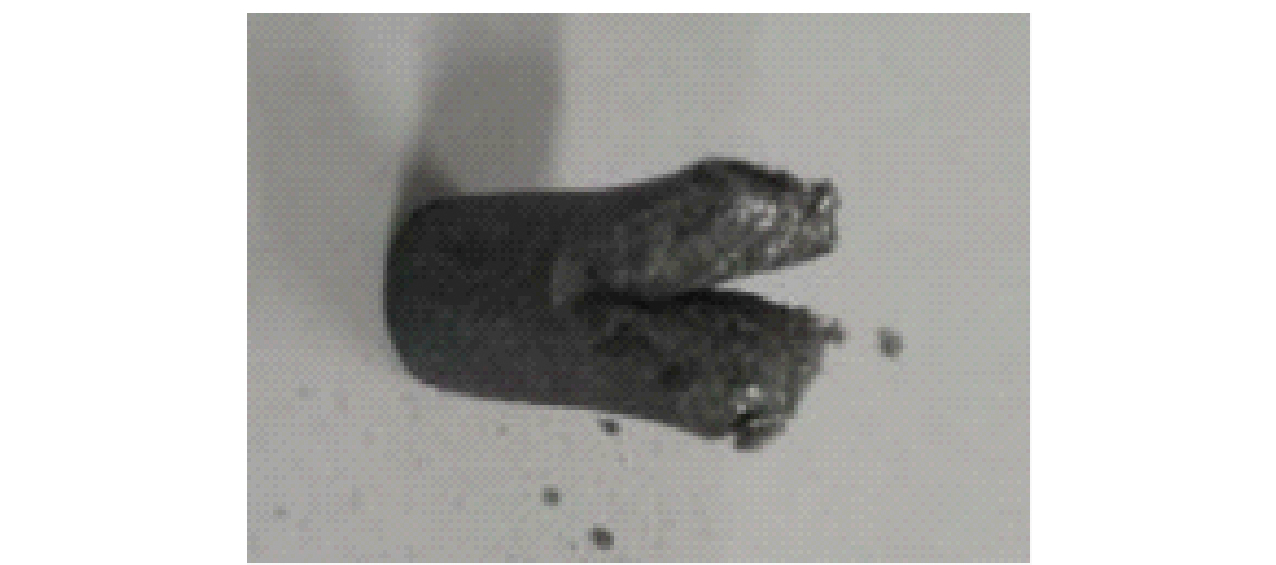
Fig.4 Longitudinal splitting in a Taylor test of PTFE/Al [20]
| 参数 | 数值 | 参数 | 数值 |
|---|---|---|---|
| ρ0/(kg·m-3) | 2260 | m | 0.7328 | E/MPa | 750 | Tm/K | 597 |
| v | 0.38 | Tr/K | 293 |
| Cp/(J·kg-1·K-1) | 1.16×10³ | ${\stackrel{·}{\epsilon }}_{0}$ | 1 |
| λb/(W·m-1·K-1) | 0.52 | β | 0.7 |
| λs/(W·m-1·K-1) | 45 | D1 | 0.23 |
| αex/℃-1 | 1.24×10⁻⁷ | c0/(cm·μs-1) | 1.84 |
| A/MPa | 13.38 | s | 1.707 |
| B/MPa | 84. 64 | Γ0 | 0.59 |
| n | 0.4527 | μ | 0.14 |
| C | 0.374 | Vf | 22.7% |
Table 1 Material model parameters of PTFE/Al[12,15,17,27]
| 参数 | 数值 | 参数 | 数值 |
|---|---|---|---|
| ρ0/(kg·m-3) | 2260 | m | 0.7328 | E/MPa | 750 | Tm/K | 597 |
| v | 0.38 | Tr/K | 293 |
| Cp/(J·kg-1·K-1) | 1.16×10³ | ${\stackrel{·}{\epsilon }}_{0}$ | 1 |
| λb/(W·m-1·K-1) | 0.52 | β | 0.7 |
| λs/(W·m-1·K-1) | 45 | D1 | 0.23 |
| αex/℃-1 | 1.24×10⁻⁷ | c0/(cm·μs-1) | 1.84 |
| A/MPa | 13.38 | s | 1.707 |
| B/MPa | 84. 64 | Γ0 | 0.59 |
| n | 0.4527 | μ | 0.14 |
| C | 0.374 | Vf | 22.7% |
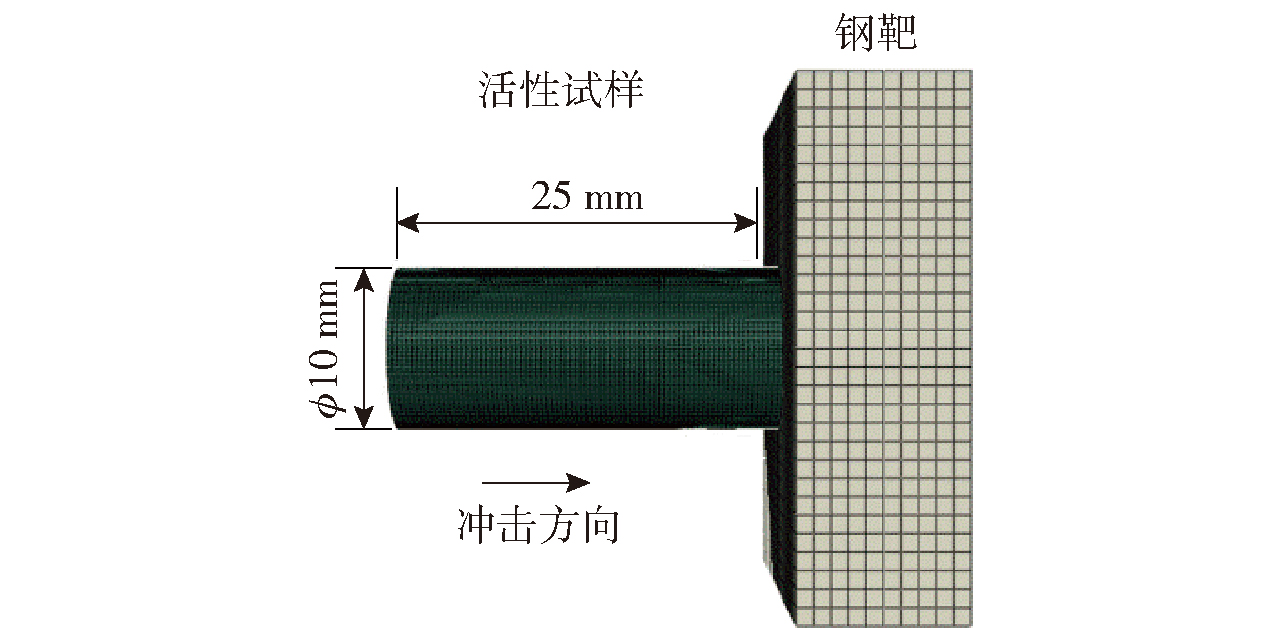
Fig.5 Finite element mesh model of Taylor impact test
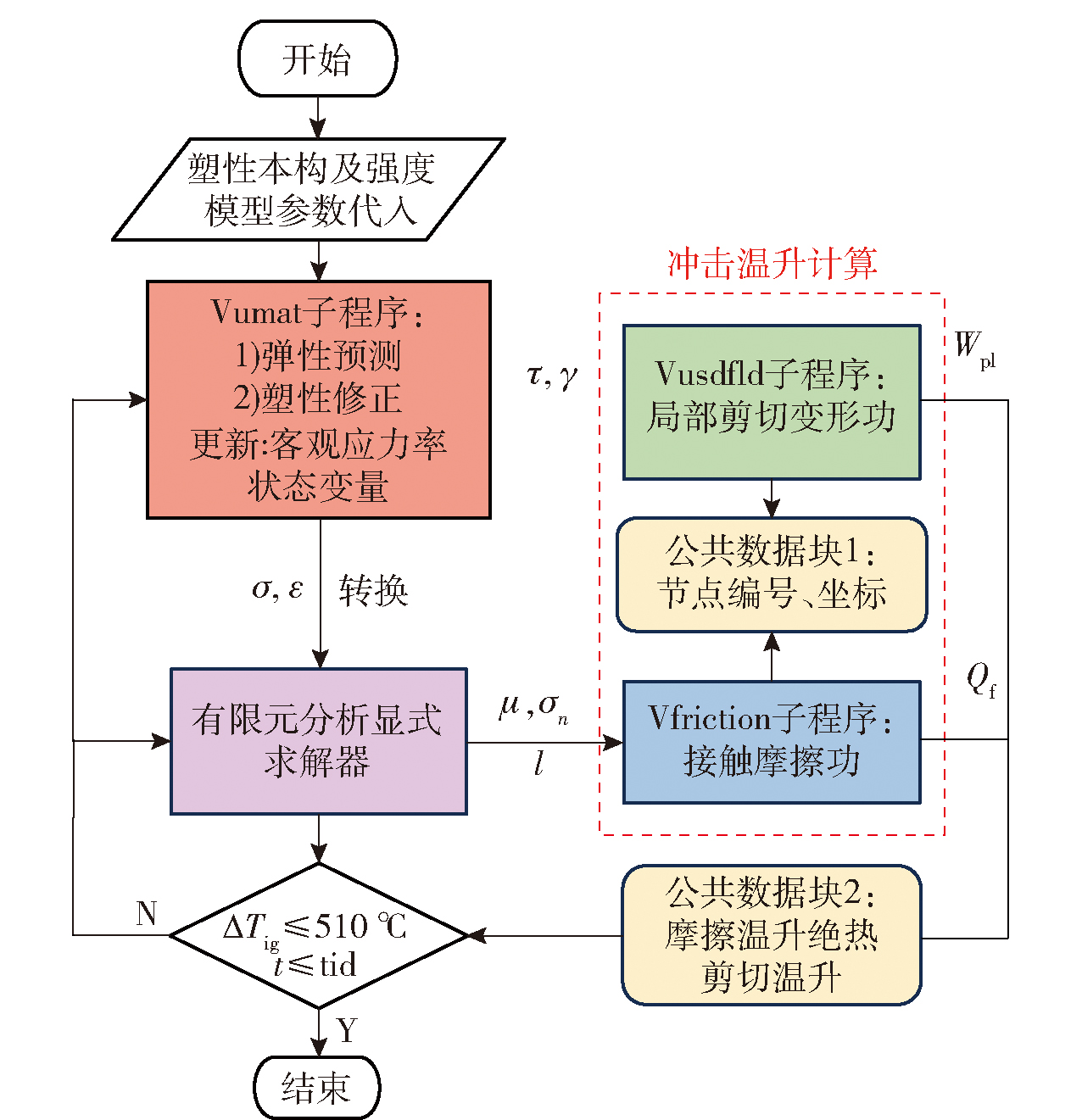
Fig.6 Flowchart of thermodynamic coupling algorithm
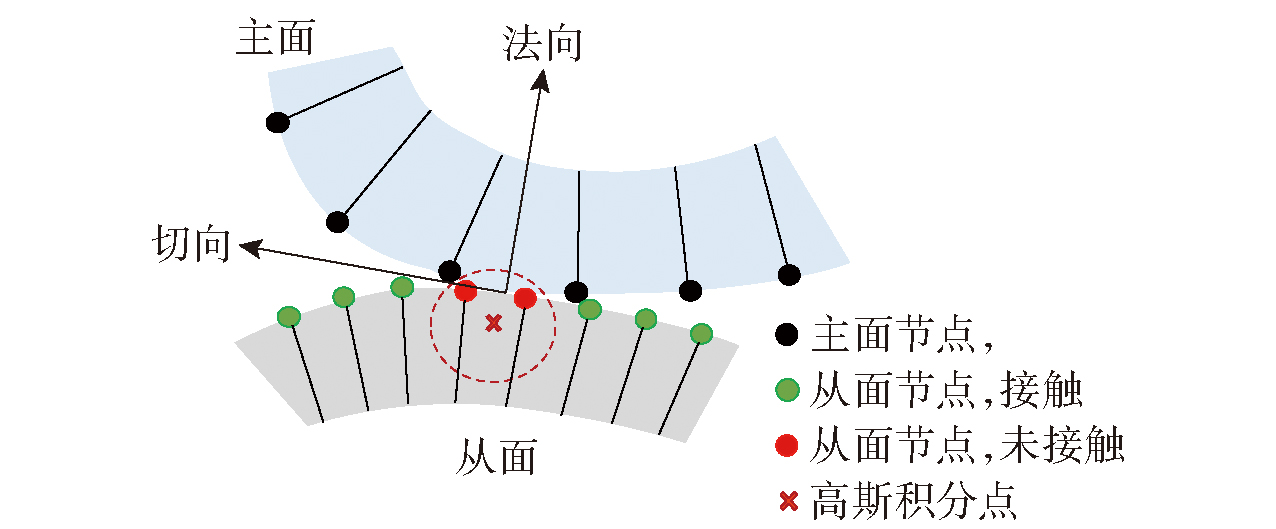
Fig.7 Schematic of the domain search-averaging method
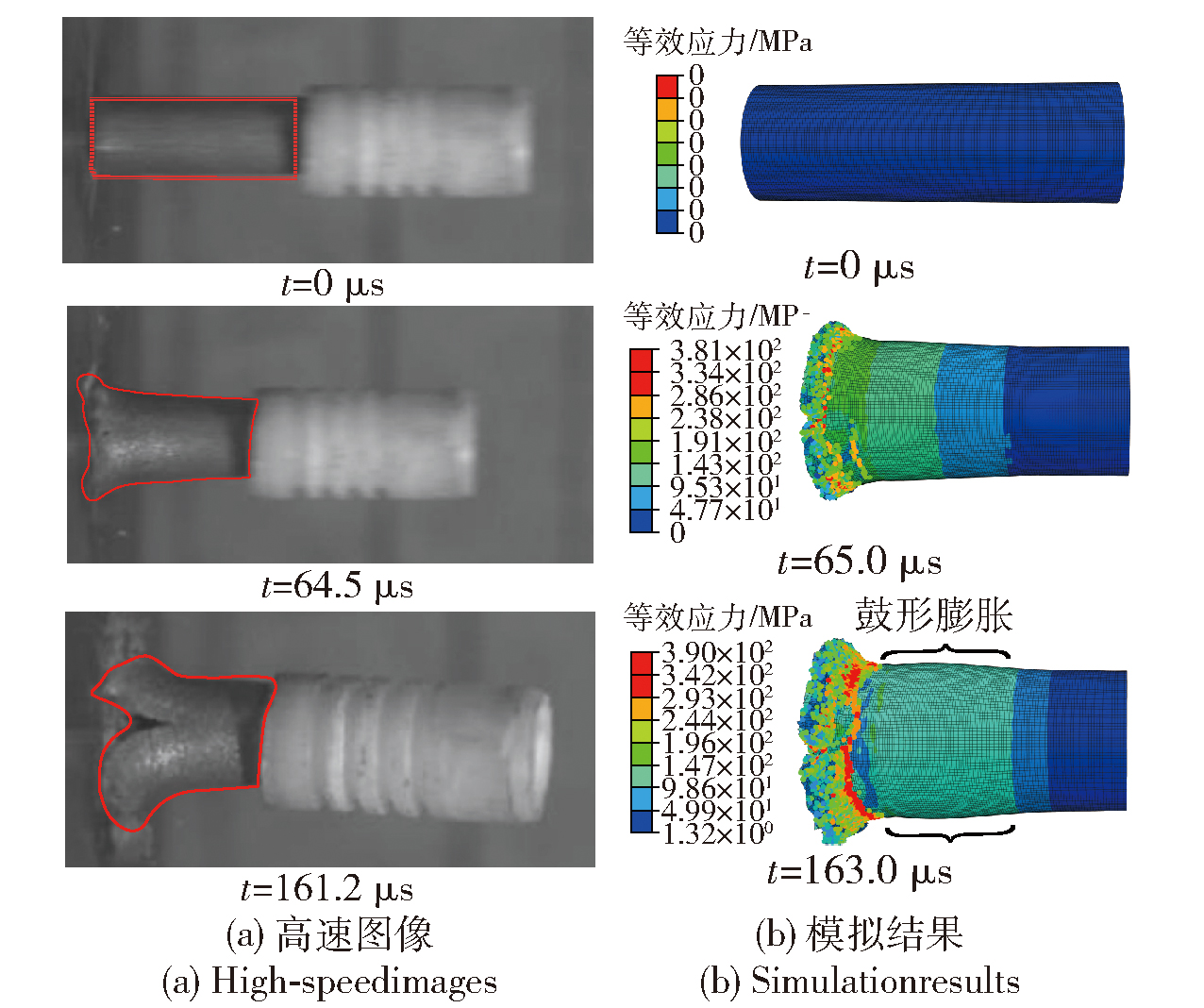
Fig.8 Al/PTFE Taylor-rod impact deformation profile
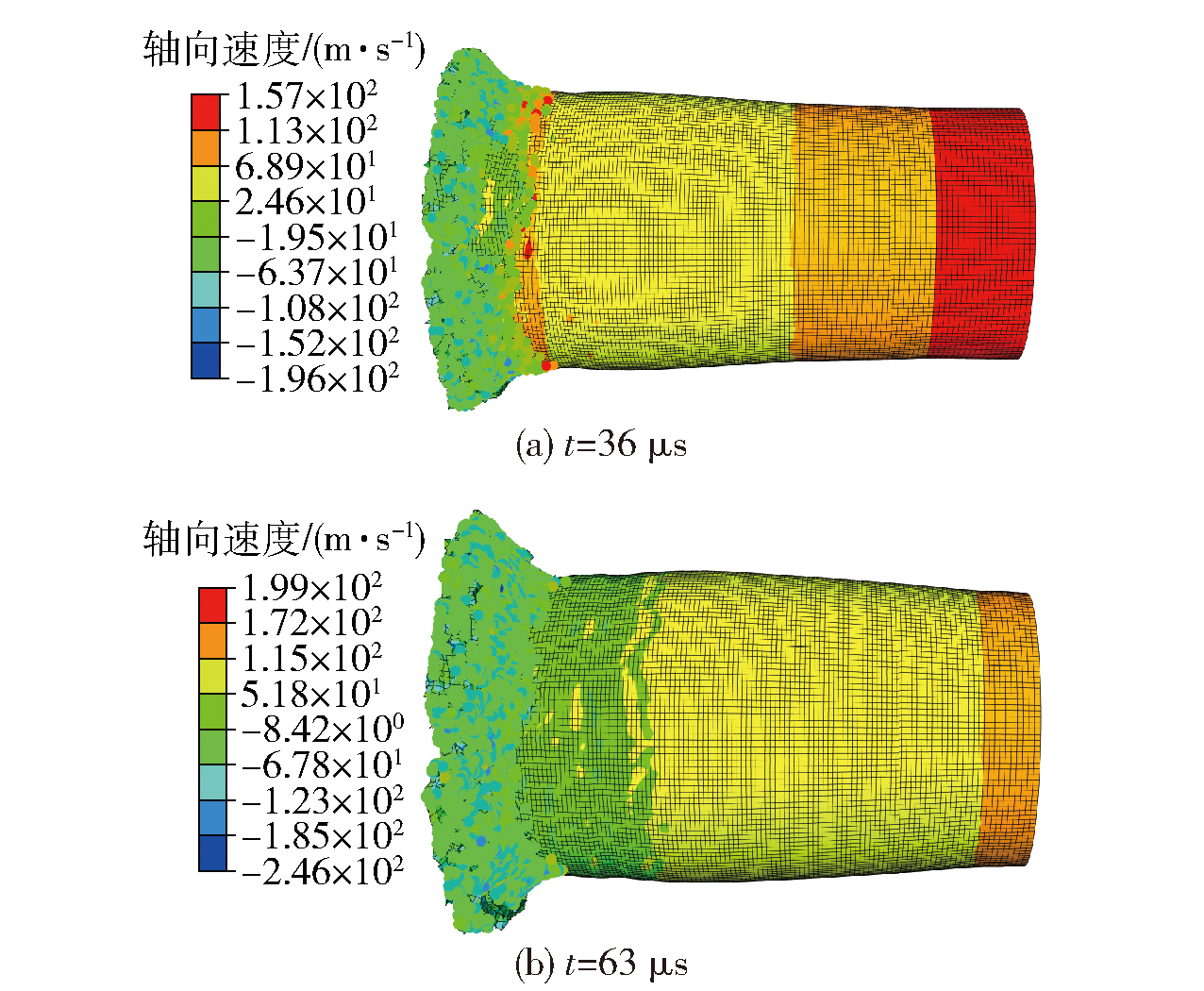
Fig.9 Taylor rod impact axial velocity distribution
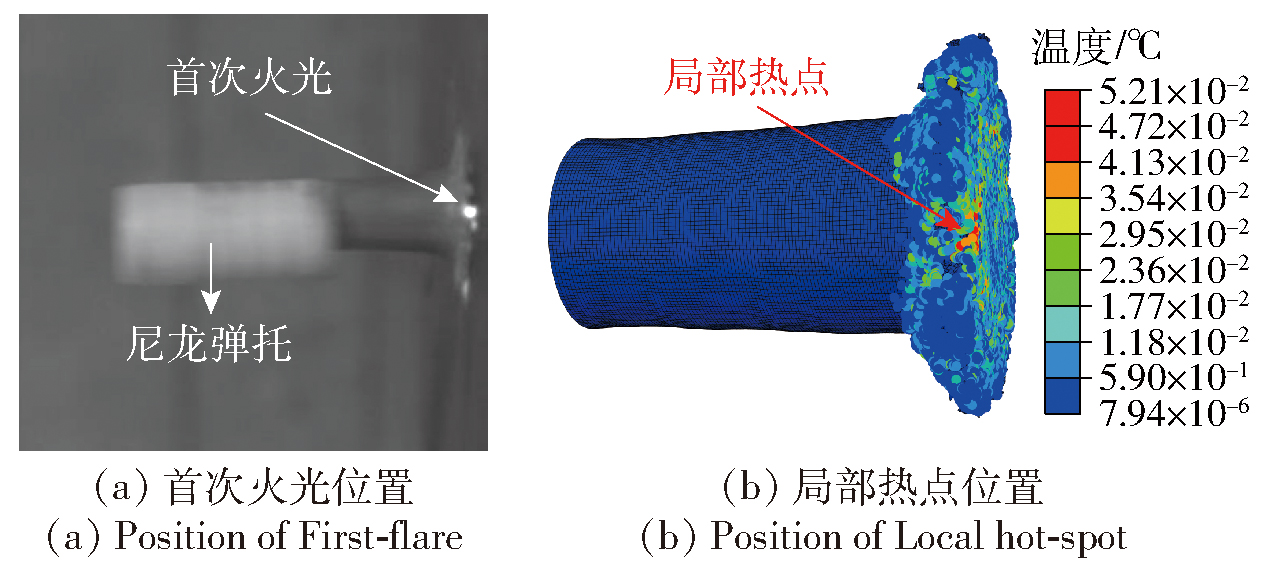
Fig.10 Comparison of impact-initiated behavior at the impact end of Taylor rod

Fig.11 Evolution of temperature rise distribution within adiabatic shear bands

Fig.12 Shear deformation power per unit volume
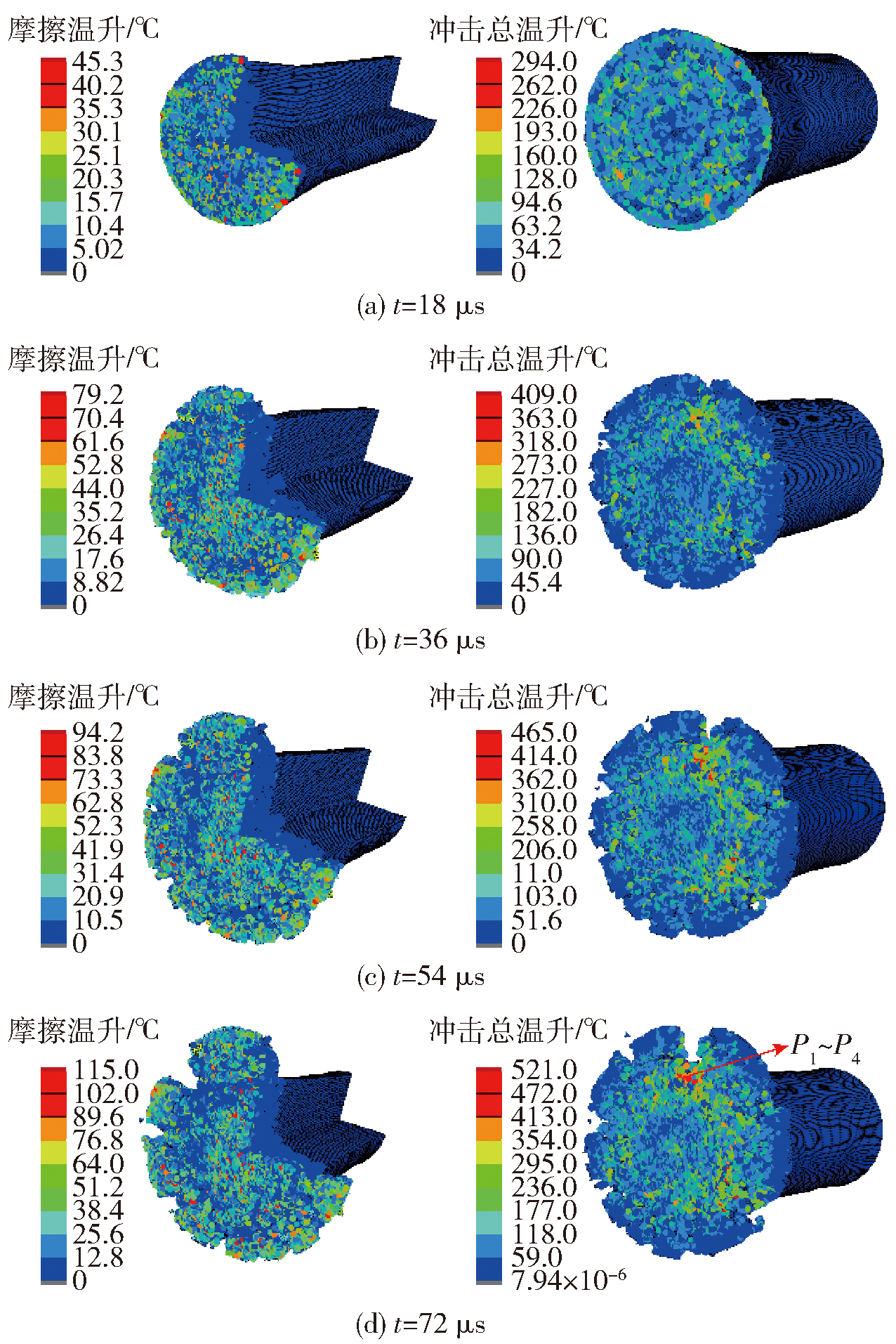
Fig.13 Temperature response history under impact load
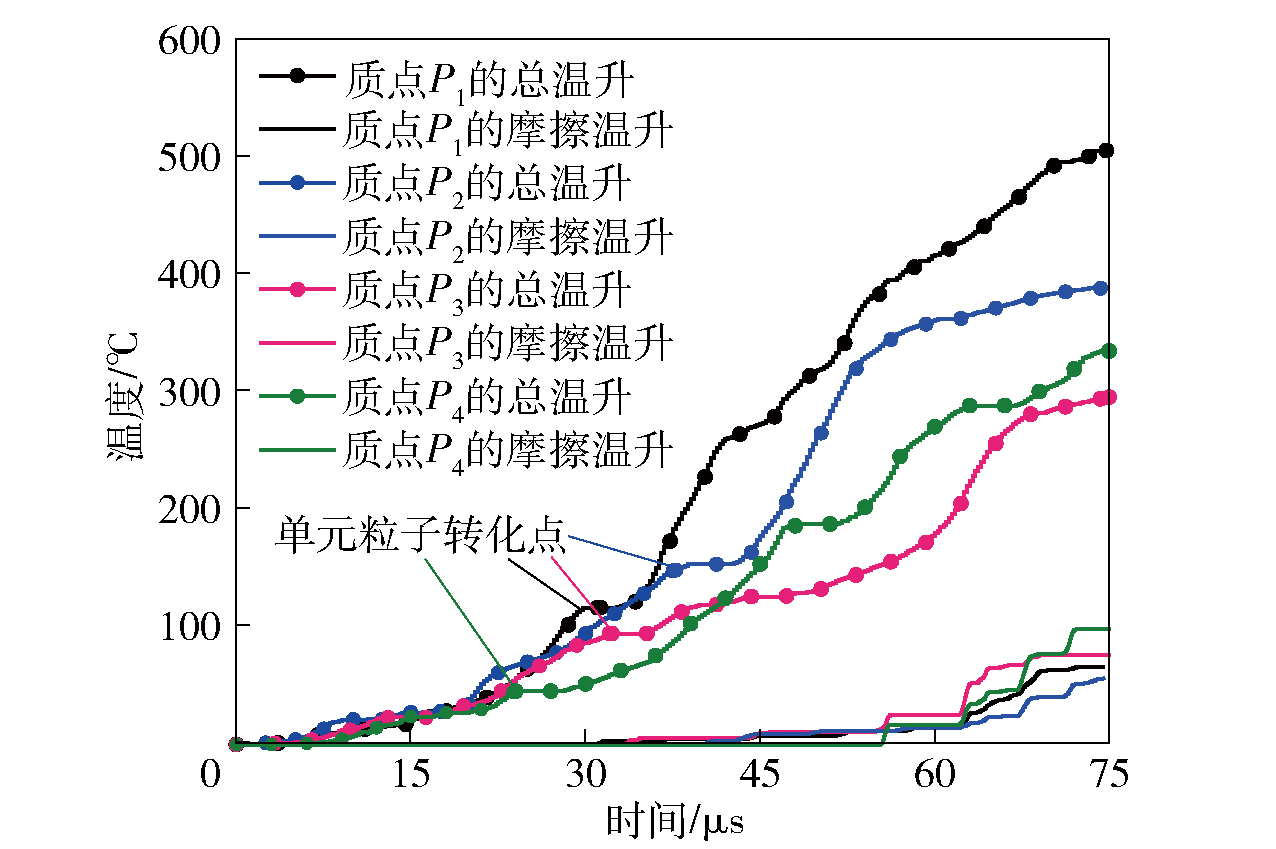
Fig.14 Total temperature rise and friction temperature at the highest temperature rise point and nearby hotspots
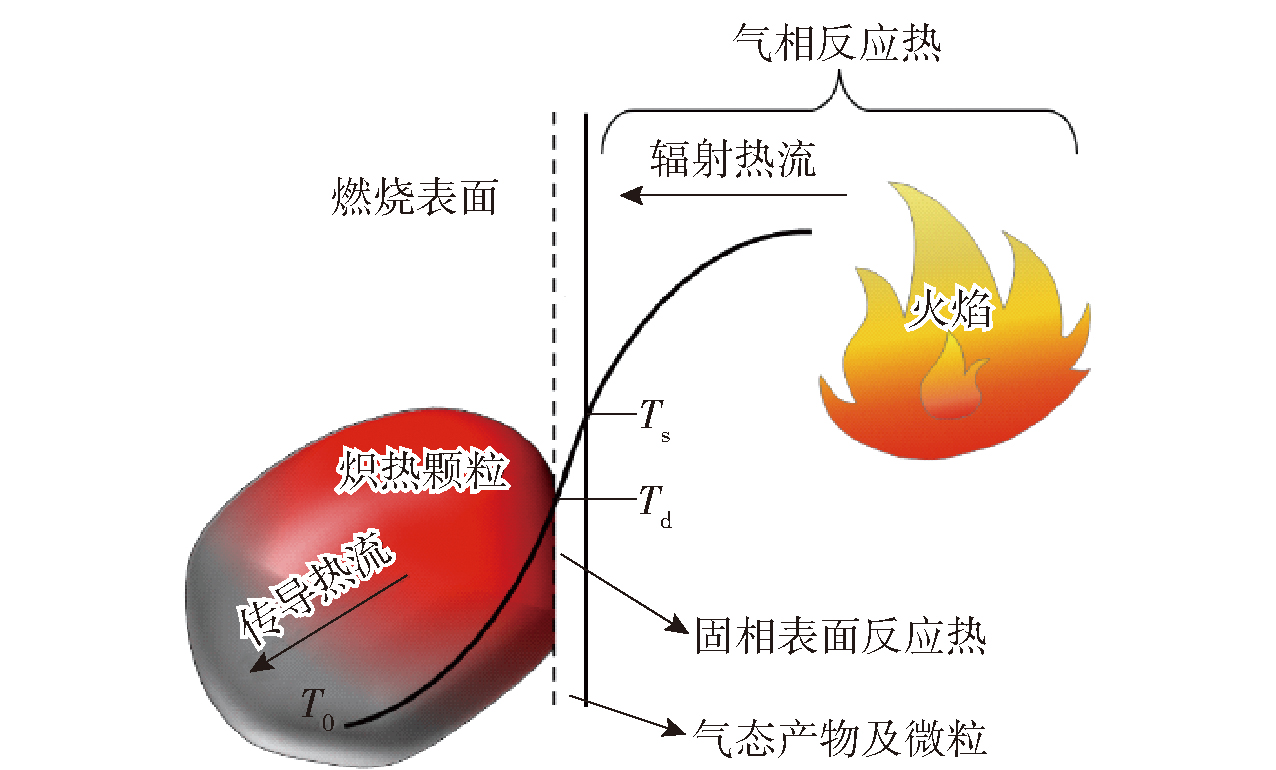
Fig.15 Combustion wave structure of fluorinated polymer-based reactive materials
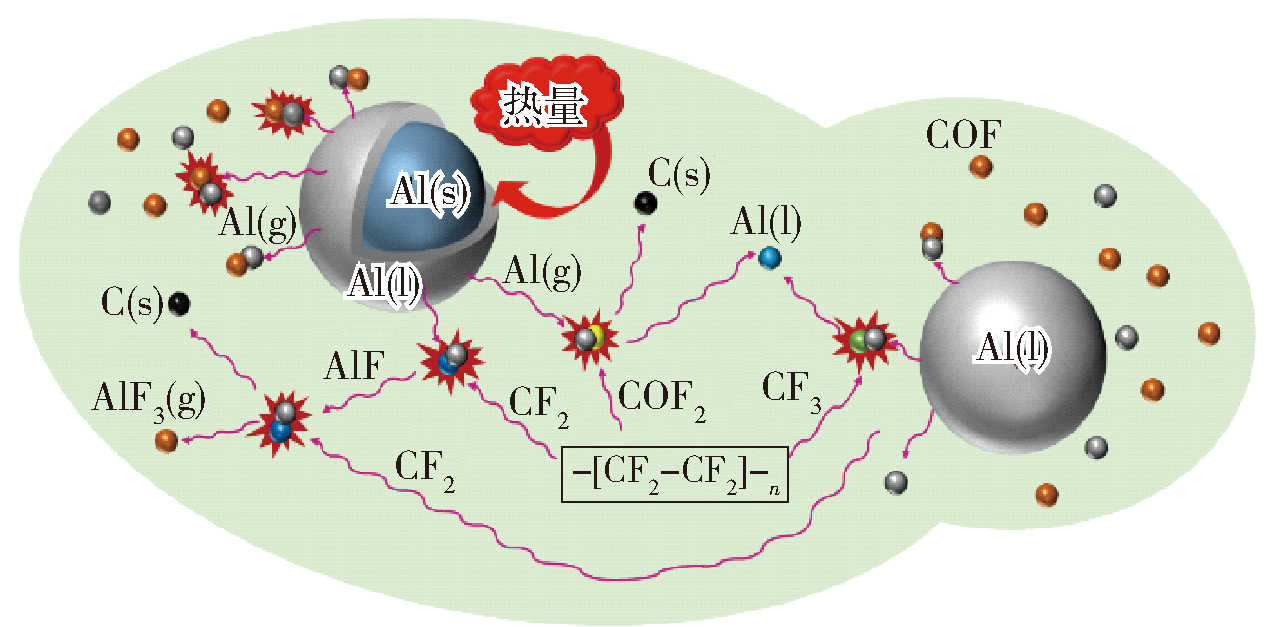
Fig.16 Reaction pathway of aluminum core in fluorine-containing gas

Fig.17 Schematic diagram of interactions between PD points
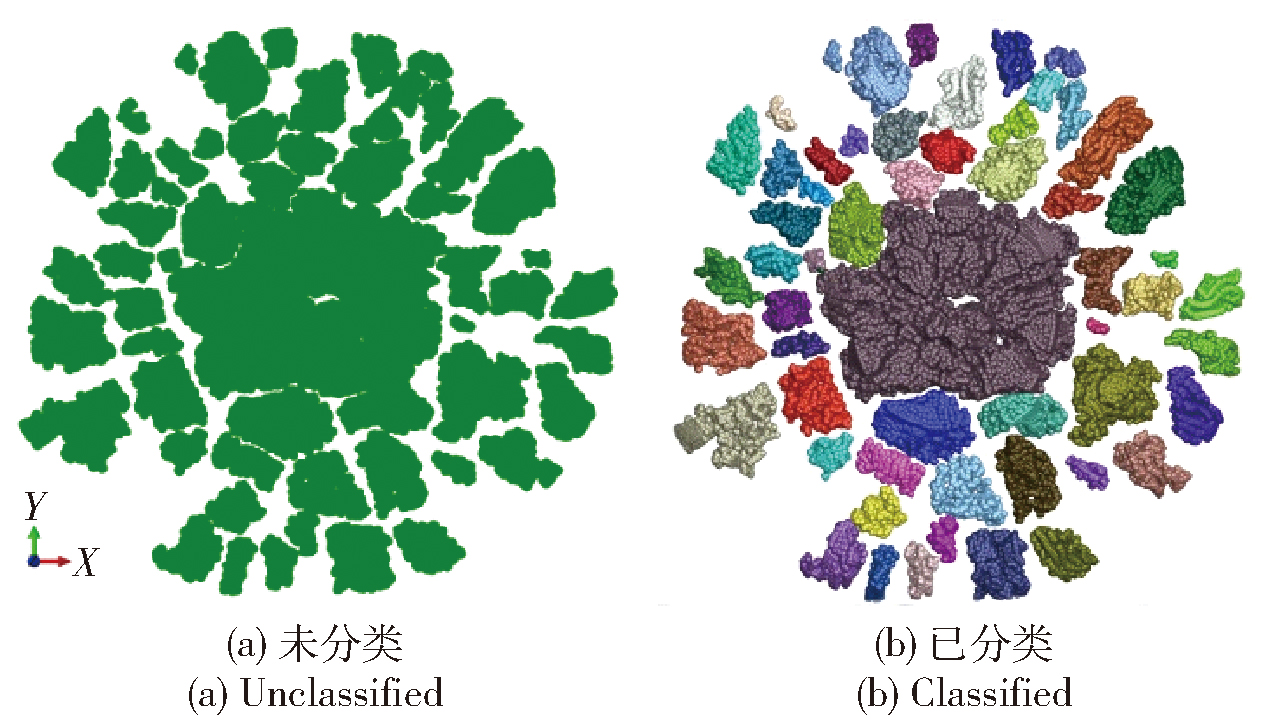
Fig.18 DSCAN clustering analysis results
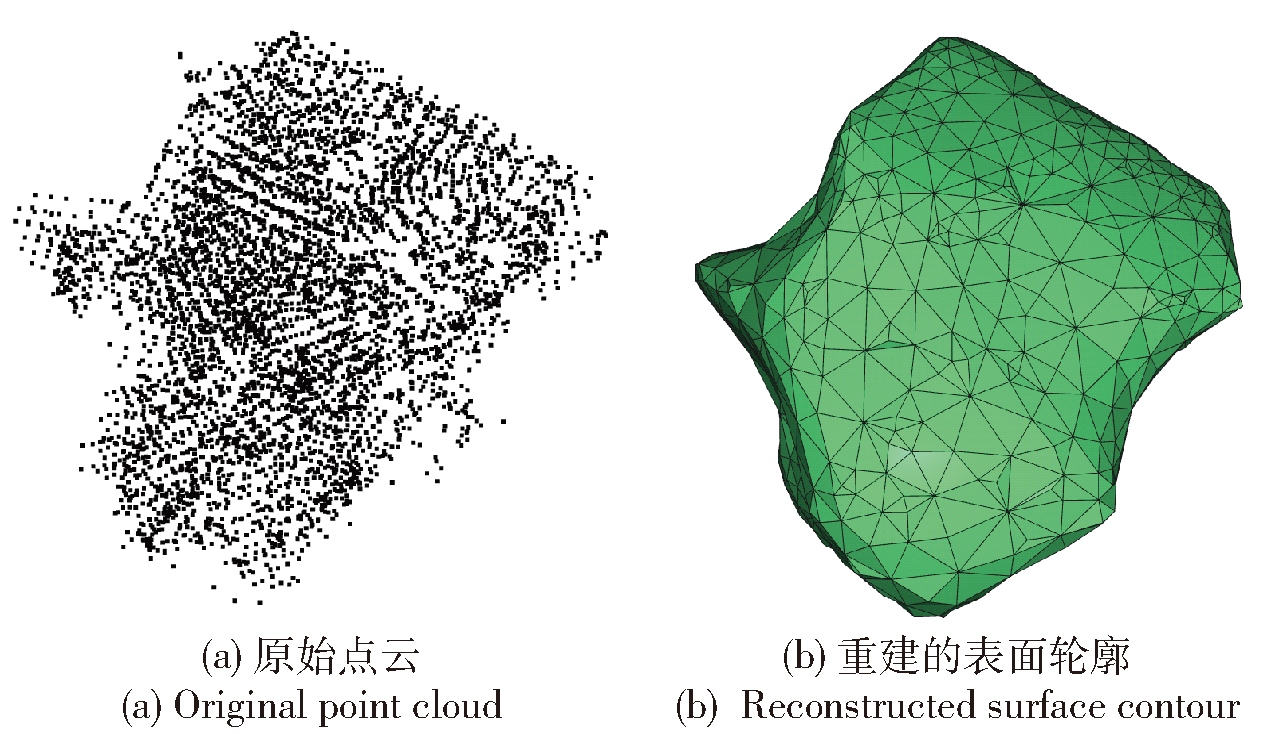
Fig.19 Surface profile reconstruction of point cloud
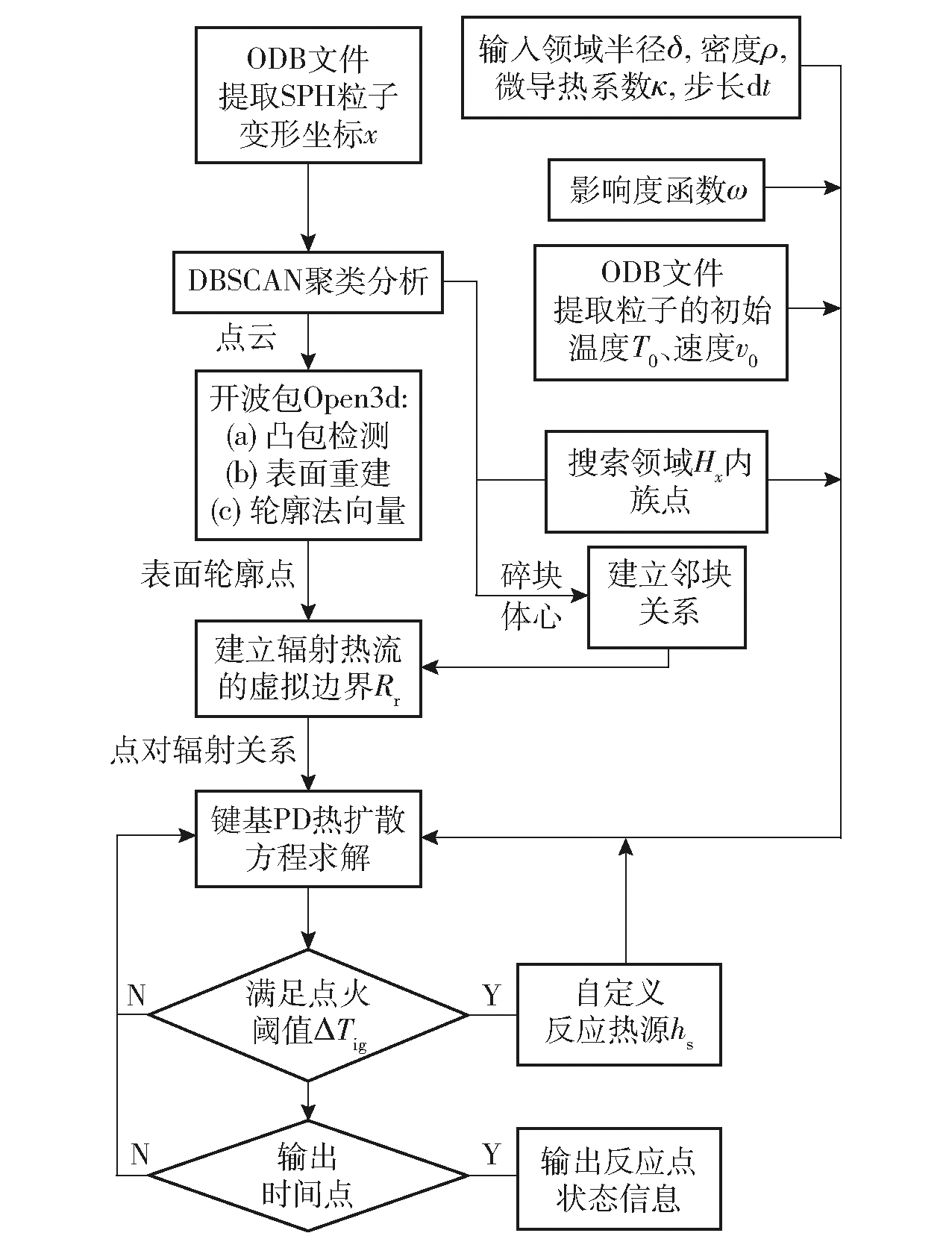
Fig.20 Flow chart of peridynamics calculation
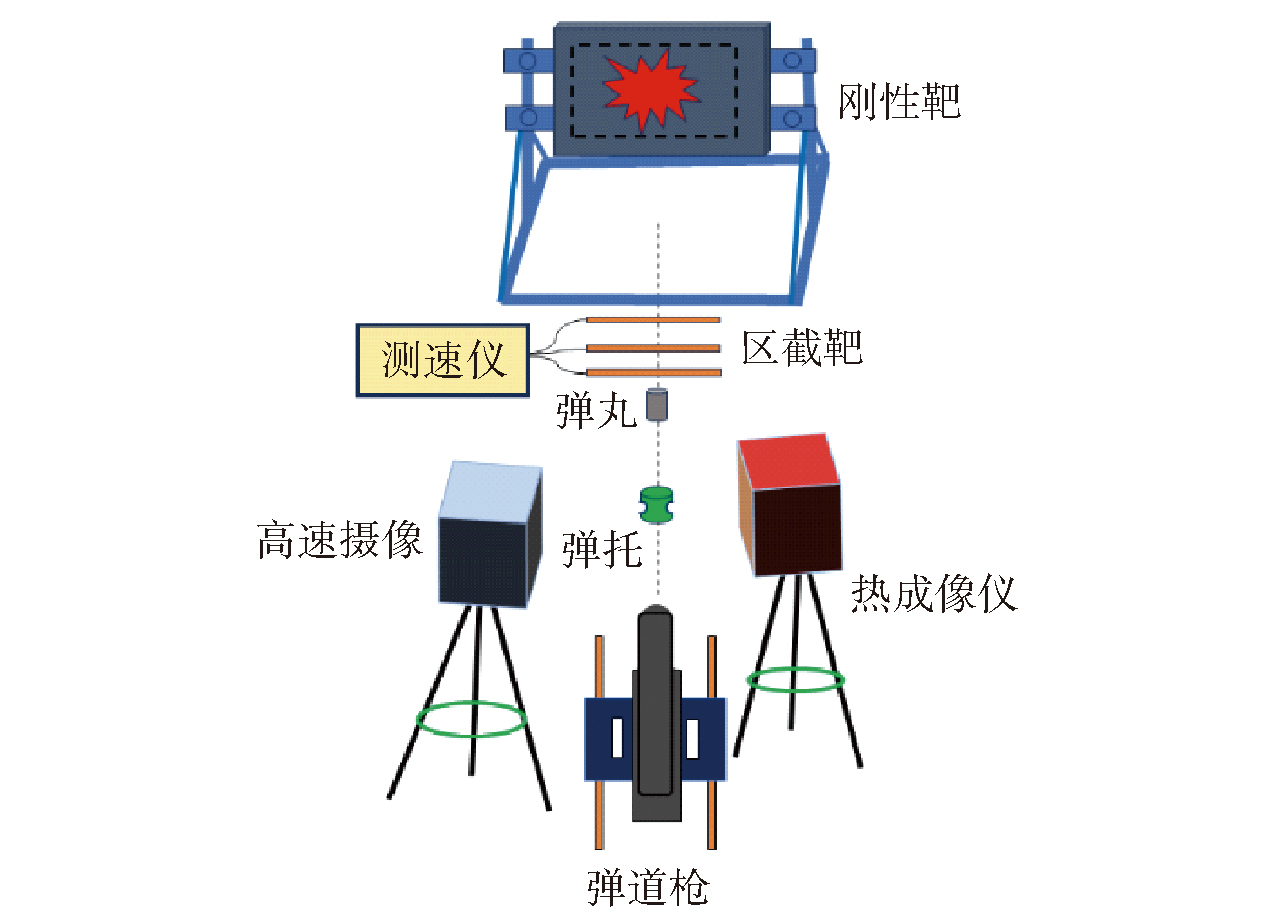
Fig.21 Infrared temperature measurement experimental System

Fig.22 The deflagration reaction process of reactive fragments
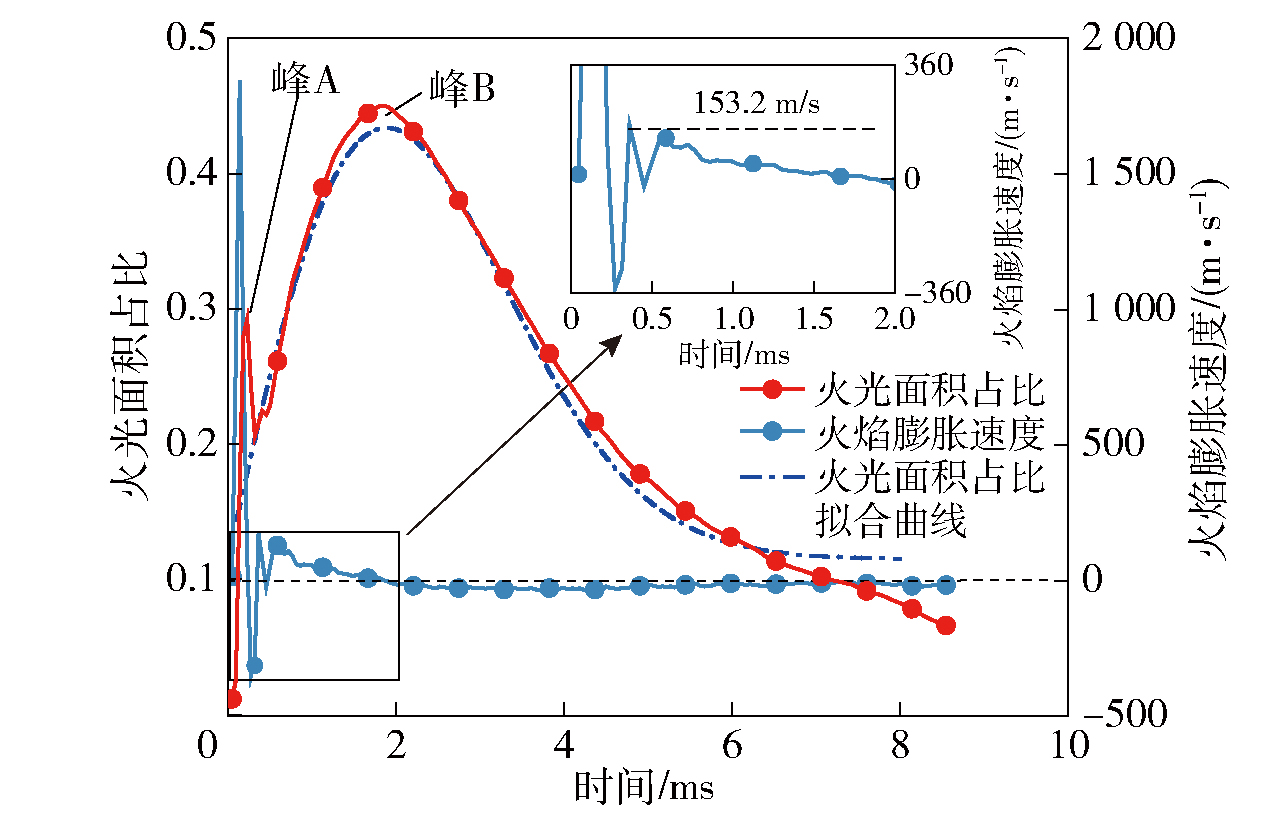
Fig.23 Proportion of explosion flame area and its expansion velocity over time
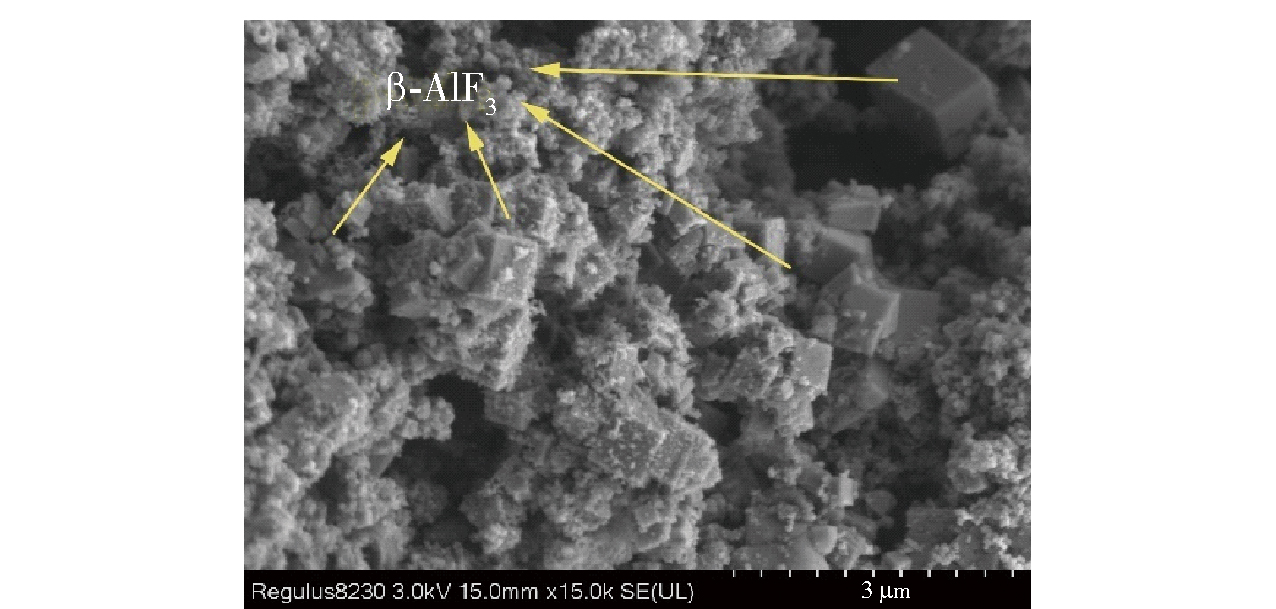
Fig.24 Solid products on the surface of reaction residue
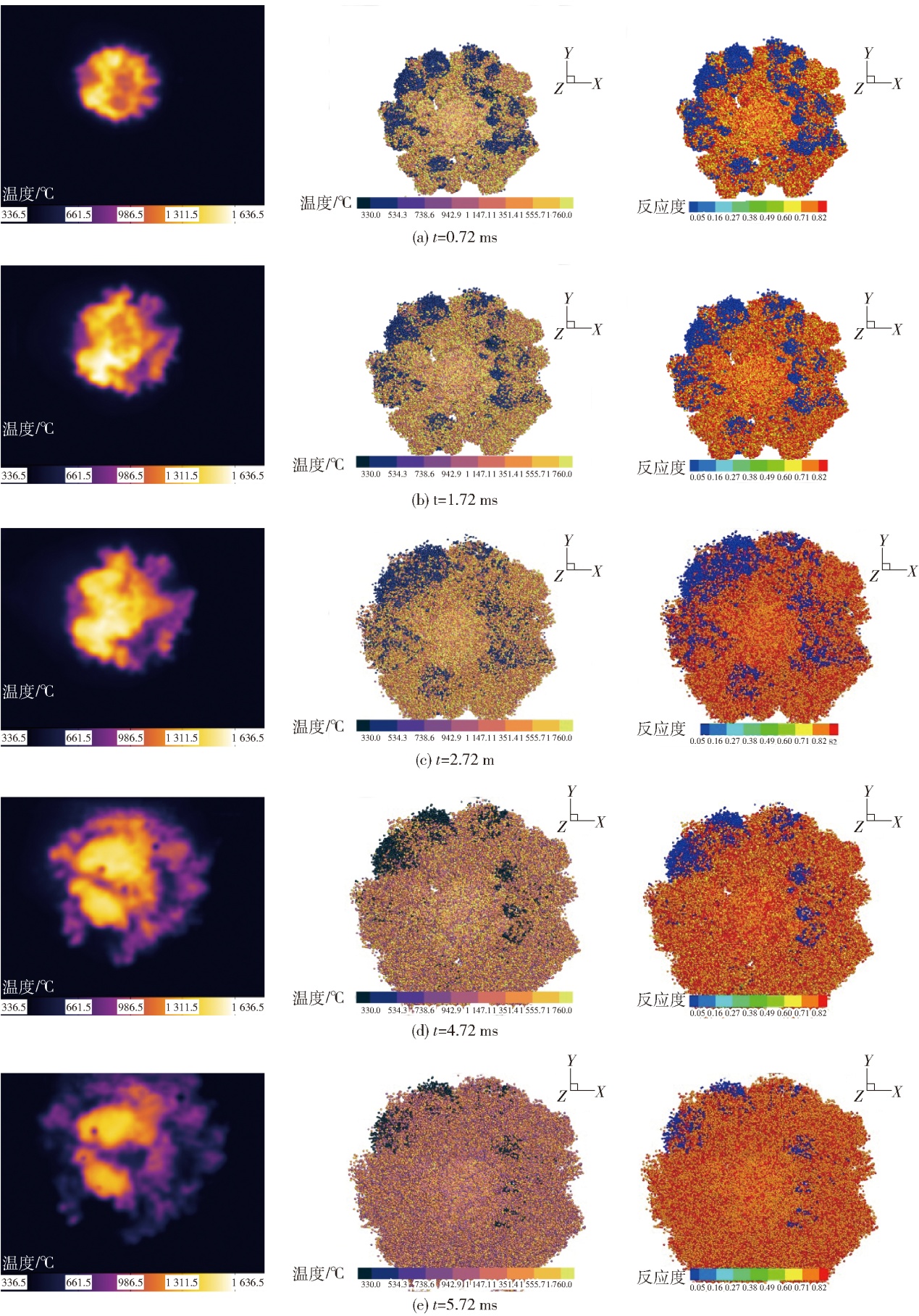
Fig.25 Comparison of temperature distribution and reaction state in deflagration reaction field (left: thermal imaging temperature; mid: simulation temperature; right: simulation reactivity)
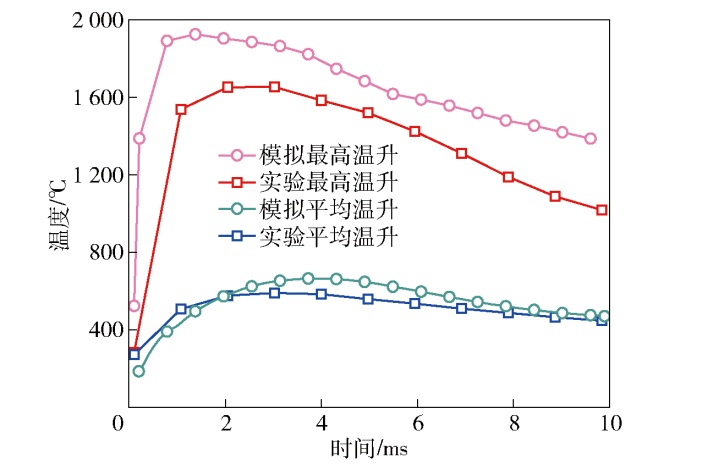
Fig.26 The maximum and average temperature rise of the deflagration reaction field
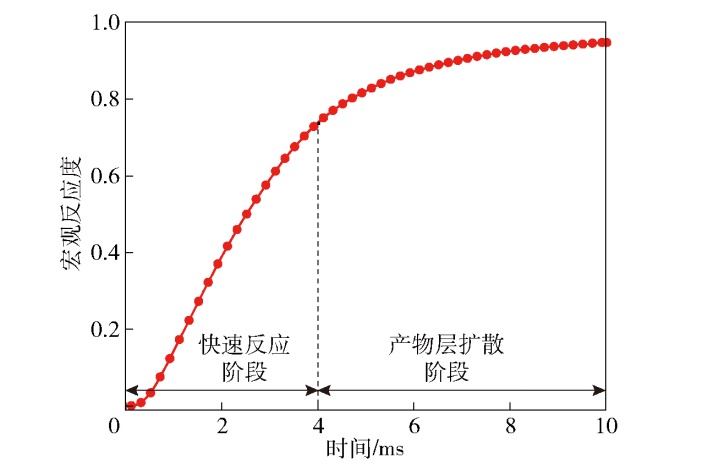
Fig.27 Macro reaction ratio curve
| [1] |
|
| [2] |
|
| [3] |
邵志宇, 董超超, 伍思宇, 等. 头部含能杆入水穿靶释能特性[J]. 兵工学报, 2022, 43(10): 2518-2525.
|
|
|
|
| [4] |
武强. 含能材料防护结构超高速撞击特性研究[D]. 北京: 北京理工大学, 2016: 62-83.
|
|
|
|
| [5] |
|
| [6] |
doi: 10.4028/www.scientific.net/MSF.673 URL |
| [7] |
doi: 10.3390/app11198910 URL |
| [8] |
任耶平, 刘睿, 陈鹏万, 等. Al/PTFE活性材料冲击载荷作用下响应特性研究[J]. 爆炸与冲击, 2022, 42(6): 124-135.
|
|
|
|
| [9] |
郭俊. 活性分段动能杆对混凝土靶的毁伤效应研究[D]. 北京: 北京理工大学, 2016.
|
|
|
|
| [10] |
doi: 10.1063/1.4803712 URL |
| [11] |
doi: 10.1155/vib.v2021.1 URL |
| [12] |
doi: 10.1016/j.ijimpeng.2023.104605 URL |
| [13] |
|
| [14] |
doi: 10.1063/5.0146689 URL |
| [15] |
doi: 10.1016/j.polymer.2015.11.014 URL |
| [16] |
doi: 10.1016/j.ijimpeng.2008.07.041 URL |
| [17] |
|
| [18] |
doi: 10.1088/1742-6596/1507/3/032029 |
| [19] |
|
| [20] |
doi: 10.1007/BF02431656 URL |
| [21] |
doi: 10.1007/BF02487875 URL |
| [22] |
doi: 10.1016/j.dt.2023.11.002 URL |
| [23] |
李金河, 訾攀登, 张旭, 等. 用组合式电磁粒子速度计研究一种活性材料反应特性[J]. 高压物理学报, 2017, 31(3): 309-314.
|
|
|
|
| [24] |
朱锡雄, 朱国瑞. 高分子材料强度学: 变形和断裂行为[M]. 杭州: 浙江大学出版社, 1992: 153-247.
|
|
|
|
| [25] |
张立强, 冯雁歌, 李小娟, 等. 钢-聚四氟乙烯摩擦界面的摩擦起电行为[J]. 摩擦学学报, 2021, 41(6): 983-994.
|
|
|
|
| [26] |
秦庆华, 杨庆生. 非均匀材料多场耦合行为的宏细观理论[M]. 北京: 高等教育出版社, 2006: 36-39.
|
|
|
|
| [27] |
|
| [28] |
doi: 10.1021/jp810156j URL |
| [29] |
杜宁, 张先锋, 熊玮, 等. 爆炸驱动典型活性材料能量释放特性研究[J]. 爆炸与冲击, 2020, 40(4): 042301.
|
|
|
|
| [30] |
|
| [31] |
毛亮, 叶胜, 胡万翔, 等. 聚四氟乙烯基铝活性材料的热化学反应特性[J]. 兵工学报, 2020, 41(10): 1962-1969.
doi: 10.3969/j.issn.1000-1093.2020.10.005 |
|
doi: 10.3969/j.issn.1000-1093.2020.10.005 |
|
| [32] |
doi: 10.1016/j.combustflame.2023.112838 URL |
| [33] |
doi: 10.1016/j.infrared.2021.103961 URL |
| [34] |
焦晓龙, 徐豫新, 吴宗娅, 等. 活性壳体温压战斗部对相控阵雷达天线的毁伤效应[J]. 兵工学报, 2024, 45(6): 1725-1734.
|
|
doi: 10.12382/bgxb.2023.0895 |
|
| [35] |
|
| [36] |
doi: 10.1016/j.jaap.2022.105581 URL |
| [1] | YAN Yueguang, GE Chao, ZHANG Yong, WANG Jin, LÜ Boyu, YU Qingbo, WANG Haifu. Mechanochemical Response of Fluoropolymer-matrix Reactive Materials Subjected to Shock Loading Based on Weak Coupling Trans-scale Method [J]. Acta Armamentarii, 2025, 46(8): 240948-. |
| [2] | XIANG Jing'an, WANG Haifu, YAN Yueguang, QU Lifeng, GE Chao. Mechanism and Theoretical Model of Self-distributed Energy Release Behavior on Reactive Filling Structure Penetrating Multi-layered Plates [J]. Acta Armamentarii, 2025, 46(8): 240876-. |
| [3] | LIU Hanwen, FU Xiaolong, WANG Jiangning, MENG Saiqin. Research on Fracture Failure of NEPE Propellant Based on Peridynamics [J]. Acta Armamentarii, 2025, 46(7): 240613-. |
| [4] | WANG Jilong, WEN Yaoke, LIU Dongxu, WANG Huicheng, SHEN Zhouyu, LUO Xiaohao. Mechanical Response of Body Armor during Rifle Bullet Penetration Based on Bond-based Peridynamic Method [J]. Acta Armamentarii, 2024, 45(11): 4094-4105. |
| [5] | ZHENG Yuanfeng, WANG Shipeng, LI Peiliang, ZHANG Yong, GE Chao. Combined Damage Behavior of Penetration and Blast of Reactive/Metal Tandem EFPs [J]. Acta Armamentarii, 2023, 44(8): 2273-2282. |
| [6] | SU Chenghai, LI Zongyu, ZHENG Yuanfeng, ZHENG Zhijian, GUO Huanguo. Penetration-deflagration Experiment and Coupling Mechanism of Reactive Liner Shaped Charge [J]. Acta Armamentarii, 2023, 44(2): 334-344. |
| [7] | LI Pan, HAO Zhi-ming, LIU Yong-ping, ZHEN Wen-qiang. Non-ordinary State-based Peridynamic Simulation of Damage and Failure Process of Polymer Bonded Explosives [J]. Acta Armamentarii, 2018, 39(5): 893-900. |
| Viewed | ||||||
|
Full text |
|
|||||
|
Abstract |
|
|||||
